Audi Nuvolari Makes The R8 Look Sensible
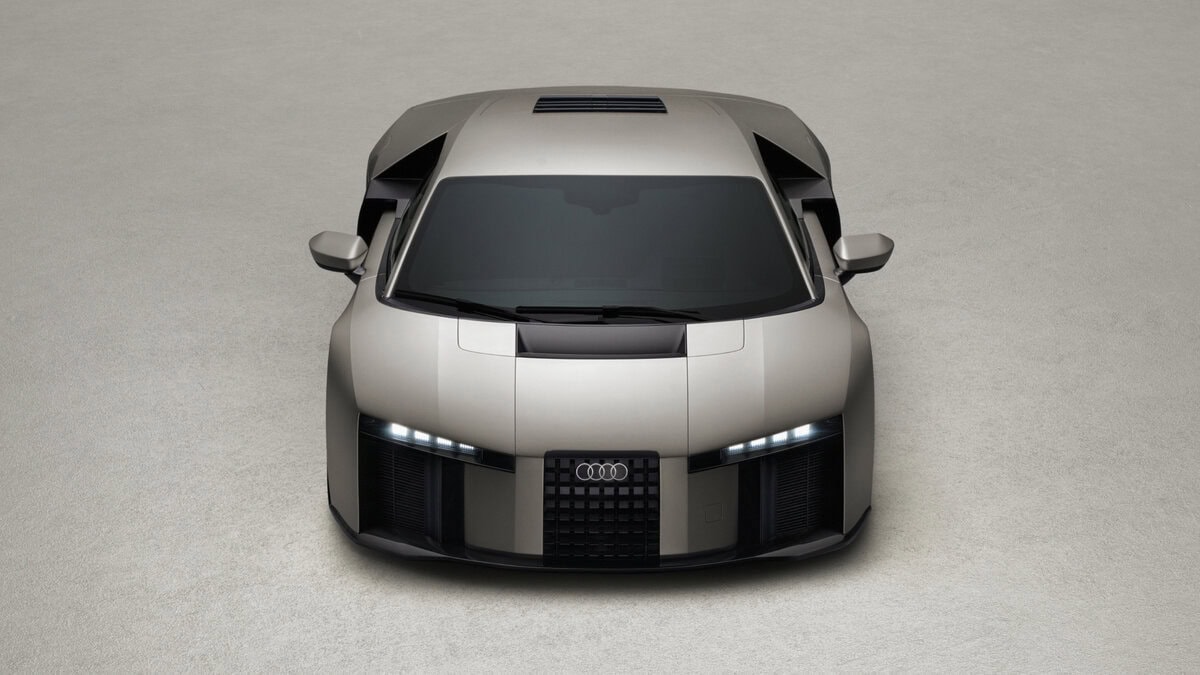
Audi Nuvolari debuts as Audi’s fastest and most powerful production car, pairing a V8 with three electric motors and Formula 1 technology.
Audi has spent years making fast cars feel calm, polished, and slightly better dressed than everyone else in the parking lot. The Audi Nuvolari is not that kind of car. This is Audi taking off the tailored jacket, rolling up its sleeves, and reminding the world that German engineering can still misbehave.
The Nuvolari is Audi’s first supercar with a high-performance hybrid powertrain. It is also being presented as the fastest and most powerful production vehicle in the brand’s history. That matters because this is not simply an R8 sequel wearing a sharper suit. It is a statement about where Audi wants performance to go next.
There is an important American footnote. Audi says the Nuvolari shown now is a European pre-production prototype. Final U.S. timing, specifications, pricing, EPA mileage, and emissions figures are still subject to a future announcement. So yes, it is real. No, you probably should not call your dealer with a wire transfer just yet.
You may also like: Audi RS 5 Plug-In Hybrid: The Quattro Reinvention
Nissan Xterra TeaserAudi Nuvolari Power Turns Hybrid Into Drama
The headline number is 1,001 PS, which works out to roughly 987 horsepower. Audi gets there by combining a 4.0-liter twin-turbo V8 with three axial-flux electric motors. The V8 alone produces 800 horsepower and revs to 10,000 rpm, which is normally the sort of number that makes engineers smile and accountants ask for a chair.
Audi says the Nuvolari runs from 0 to 100 km/h in 2.6 seconds and reaches 200 km/h in 6.8 seconds under specific conditions. Top speed is listed at more than 350 km/h, or roughly 217 mph. That makes this less of a luxury car and more of a weather system with carbon fiber.
The battery is small by EV standards, at 7.3 kWh gross, but this is not a commuter car pretending to be virtuous. The electric motors are here for torque control, launch force, and traction. Hybrid power is not the apology. It is the weapon.
You may also like: Audi Brings Fans Closer to F1 with New Adidas Merchandise
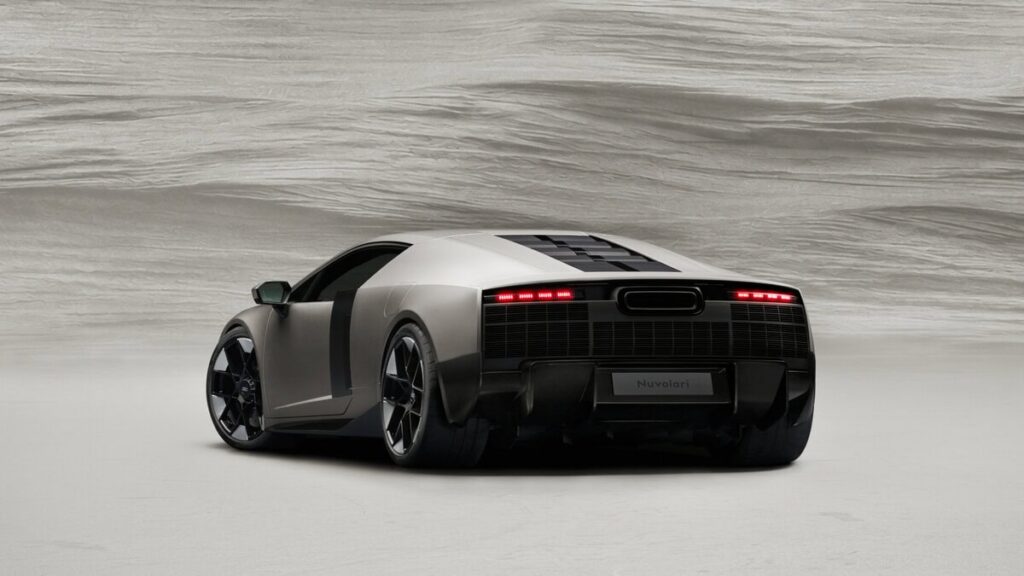
Formula 1 Ideas Shape The Street Car
Audi is clearly using the Nuvolari to connect its road-car future with Formula 1 thinking. The car includes active aerodynamics, a carbon exterior over a new Audi Space Frame, and a system called quattro predictive ride.
That last bit is important. The system reads steering angle, acceleration, yaw rate, and grip levels, then coordinates the drive units, brakes, and aerodynamics before grip disappears. In plain English, the car is trying to correct your overconfidence before physics gets its solicitor involved.
Drivers get E-Hybrid, Balanced, Dynamic, and Dynamic+ modes, plus a Track Mode with traction settings ranging from Wet to TC Off. That spread tells you what Audi is trying to do. This is not just about one fast lap. It is about making extreme performance feel usable across changing conditions.
You may also like: 2025 Corvette E-Ray: The Hybrid Supercar America Needed
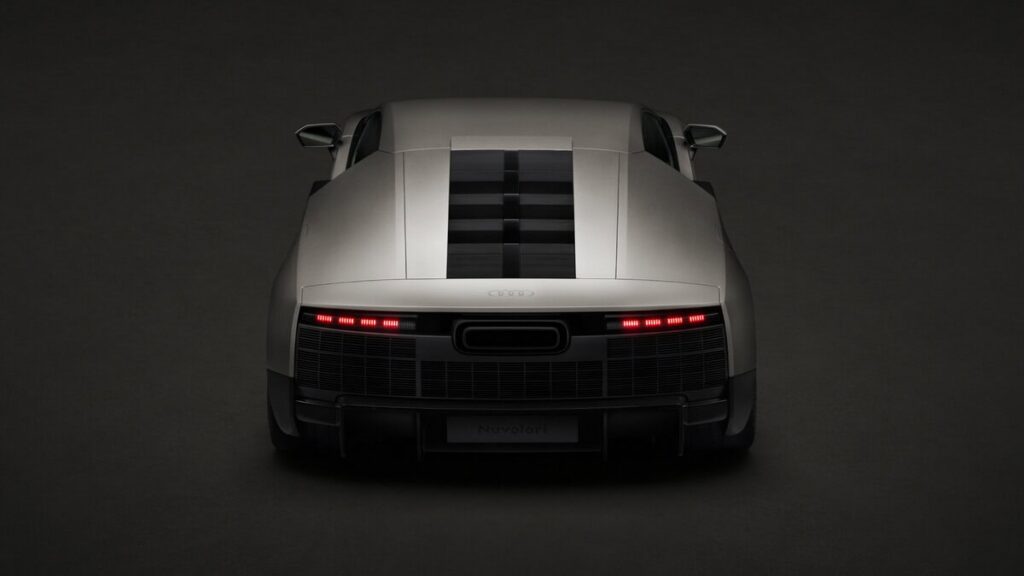
Active Aerodynamics Add Real Supercar Theater
The rear wing is not there for decoration, although it will absolutely be discussed outside restaurants. It has Closed, Low Downforce, and High Downforce positions. In performance modes, it can lower drag on straights, add downforce under braking, and help stabilize the car through corners.
Audi says the aero package can generate more than 400 kg of downforce depending on the driving situation. There is also a steering-wheel Drag Reduction System button, which is wonderfully unnecessary for most owners and therefore deeply appealing.
Production is limited to 499 units, with deliveries scheduled to begin in the first half of 2027. That makes the Nuvolari rare before anyone has even driven one on public roads. It also means this car exists as much as a brand signal as a product.
The R8 gave Audi a supercar identity. The Nuvolari pushes that identity into a more technical, electrified, and exclusive era. It is not sensible, and that is the point. Sometimes a car’s job is not to solve a problem. Sometimes it is to remind people that progress can still make your pulse misbehave.