High Gas Prices Hit Big Truck Buyers
For years, the American auto business had a simple answer to almost every question: make it bigger. Bigger pickups. Bigger SUVs. Bigger screens. Bigger payments. Bigger profits.
Now the number that may matter most is not horsepower, towing capacity, or screen size. It is the price on the pump.
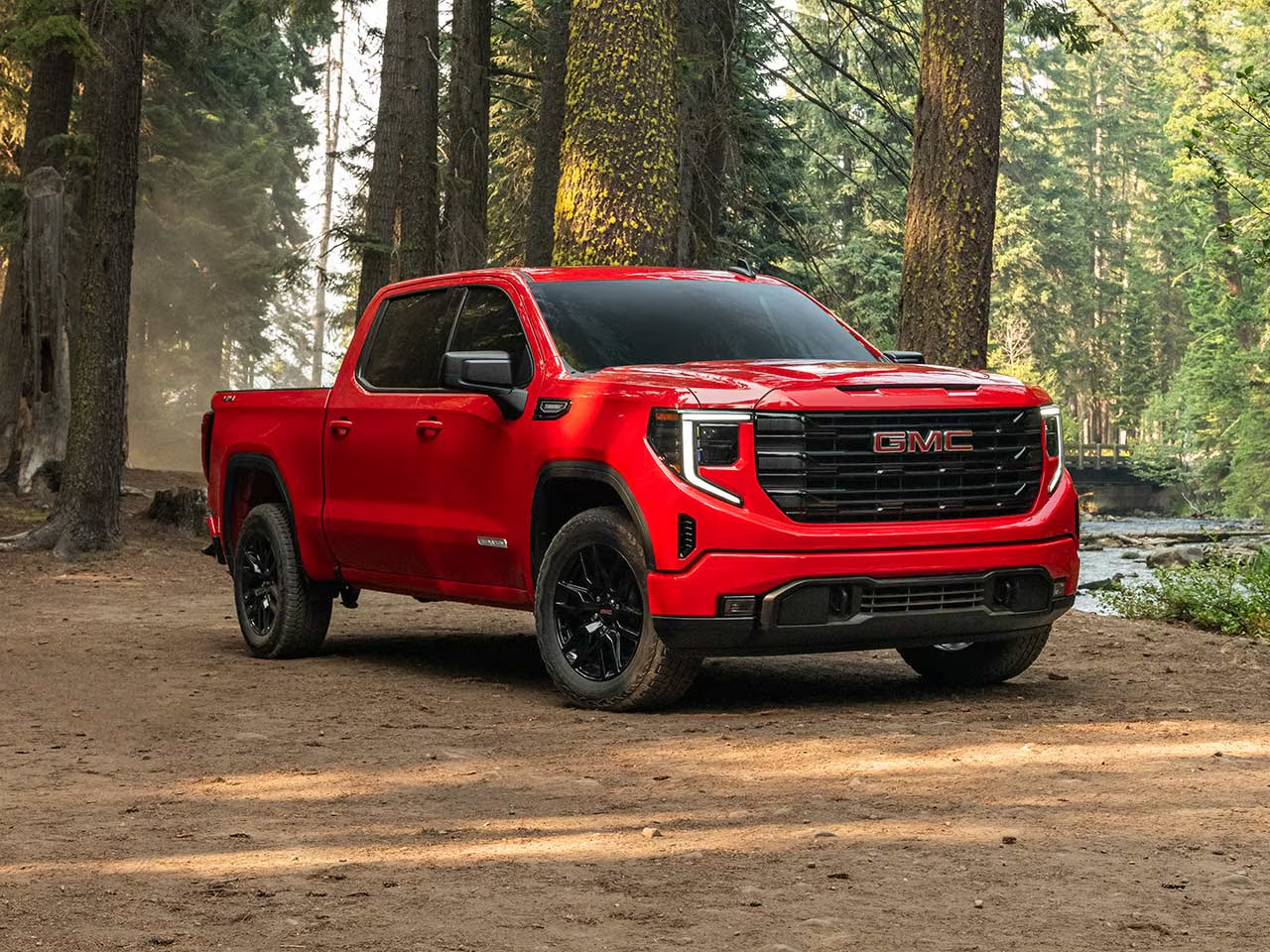
GM’s North American chief, Duncan Aldred, says higher gasoline prices are already pushing some buyers away from pickups, full-size utility vehicles, and other fuel-hungry models faster than the company expected. He described “a little bit of a trend” toward affordability segments, especially vehicles that can sell for less than $30,000. That matters because the truck business is not just another corner of Detroit. For General Motors, Ford, and Ram, it is the profit engine.
You may also enjoy: Top 5 Three-Row Hybrid SUVs to Save on Gas
Gas Prices Are Changing the Truck Conversation
The national average for regular gasoline is around $4 a gallon, while latest federal weekly data shows on-highway diesel above $5. For a commuter in a small sedan, that hurts. For a household driving a full-size pickup or three-row SUV every day, it can change the entire buying conversation.
A truck that averages 18 mpg and travels 12,000 miles a year uses about 667 gallons of fuel. At roughly $4 a gallon, that is about $2,680 a year before a single tire, insurance bill, or payment is added. A 30-mpg vehicle driven the same distance uses 400 gallons. That is roughly $1,600. The difference is more than $1,000 a year, and families notice money like that.
You may also enjoy: The Tiny SUVs Outselling the Big Guys
Big Trucks Are Meeting Household Math
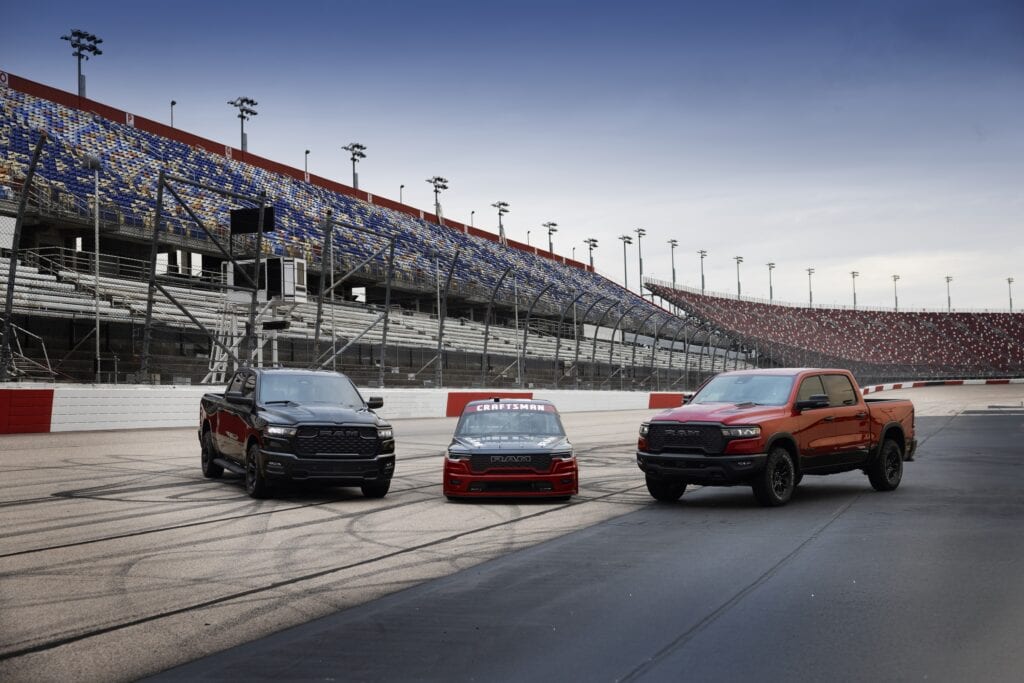
This is where the story becomes bigger than fuel. New vehicles are already expensive. Kelley Blue Book says the average new-vehicle transaction price in May was $49,220, while the average full-size pickup transaction price was $66,288. Edmunds says the average financed new-vehicle payment hit $773 in the first quarter, and 20 percent of financed new-car buyers had payments of $1,000 or more.
Add gasoline, insurance, interest rates, and higher living costs, and the big truck suddenly feels less like freedom and more like a second mortgage with a bed liner. That does not mean buyers no longer love trucks. It means they are being forced to ask a more practical question: how much truck do they really use?
You may also enjoy: 2027 Subaru Forester Wilderness Hybrid Brings Efficiency Off-Road
GM, Ford, and Ram Face a Profit Problem
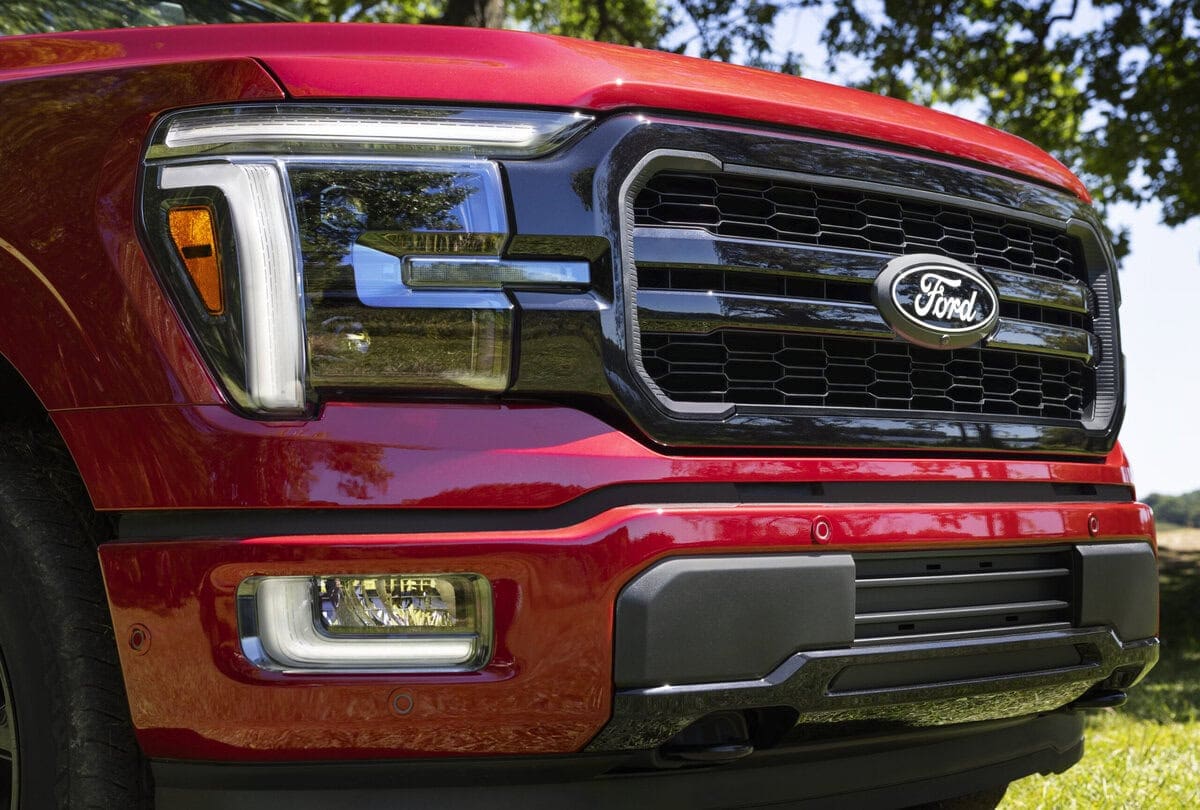
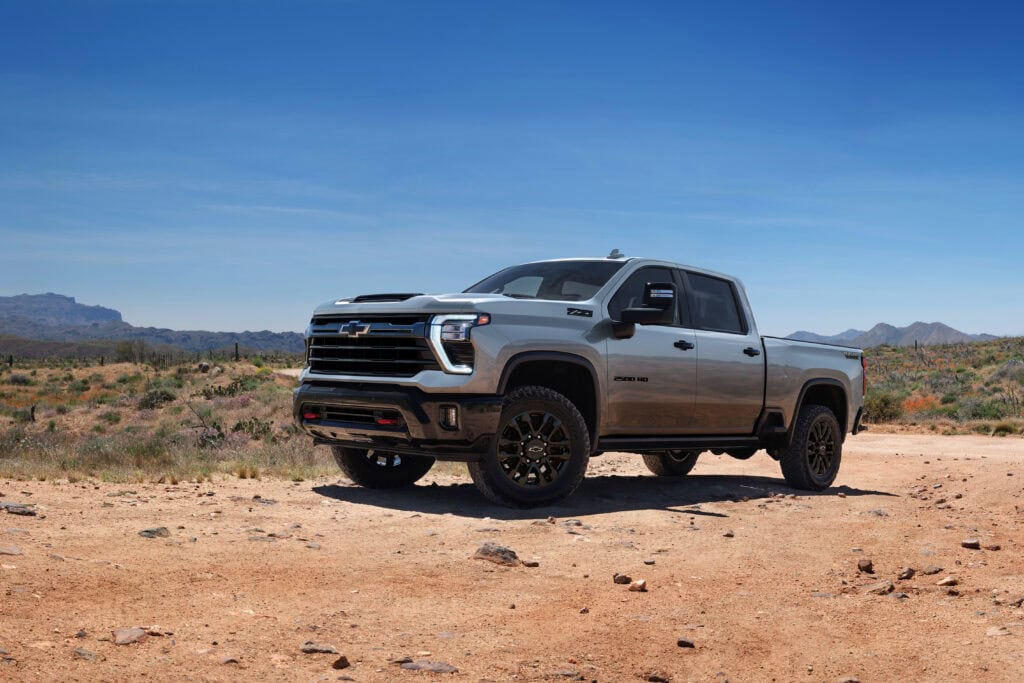
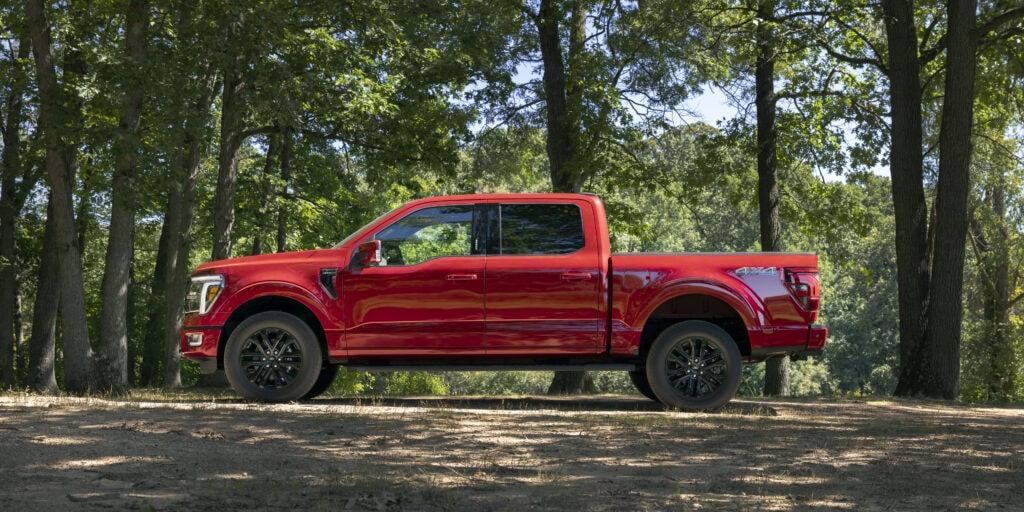
GM still has major strength in trucks. It reported first-quarter U.S. sales of 626,429 vehicles, down 9.7 percent from a year earlier, while saying it grew full-size pickup share. Ford reported total U.S. sales down 8.8 percent in the first quarter, even as the F-Series remained its signature product with 159,901 deliveries.
Ram’s parent company, Stellantis, had a better shipment story in North America, where shipments rose 17 percent in the first quarter. But that improvement was helped by the Ram 1500 HEMI V8 and refreshed Jeep Grand Wagoneer, exactly the kind of big-power products that become more vulnerable when fuel prices climb. Many truck owners also watch diesel vehicles closely because towing, work use, and commercial routes can make fuel swings even more painful.
You may also enjoy: Toyota’s Most Overlooked Hybrid SUV Is Actually Brilliant
Hybrids and Smaller SUVs Suddenly Look Smarter
The consumer shift is not simply about abandoning trucks. It is about recalculating. Shoppers who once stretched for maximum size may now be comparing real ownership costs, official fuel economy, insurance, tires, monthly payments, and resale value before they sign.
That is why smaller SUVs, compact crossovers, and efficient family vehicles become more interesting. A hybrid vehicle can save fuel without asking owners to install a charger or change their road-trip habits. An electric vehicle can lower fuel costs even further for buyers who can charge at home, though EV ownership still depends heavily on charging access, local electricity prices, and lifestyle.
You may also enjoy: Why the Rivian R2 Could Be America’s Next Big EV SUV
The 1970s Echo in Today’s Showroom
This does not mean America is suddenly done with trucks. It does mean the buying dynamic may be changing in a familiar way. During earlier oil shocks, research from the National Bureau of Economic Research found that anxiety over high gas prices could quickly move demand away from large gas-guzzling vehicles and toward smaller, more fuel-efficient models.
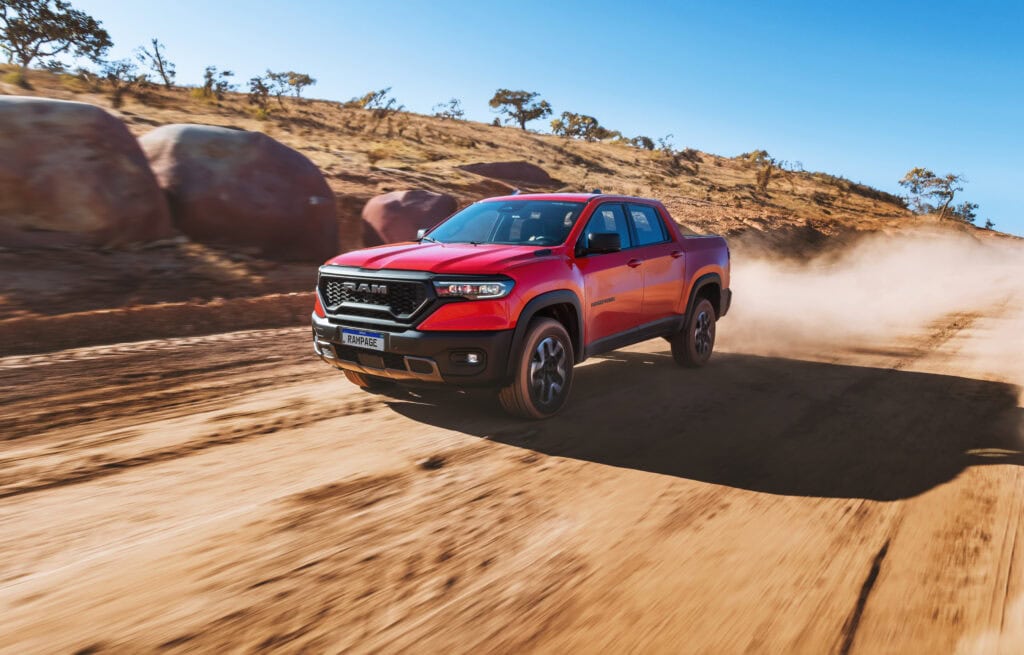
The modern version is different. Today’s buyer has compact SUVs, small trucks, hybrids, plug-in hybrids, and EVs to consider. They are not simply downsizing. They are trying to buy “enough vehicle” instead of “maximum vehicle.”
That may be the real threat to GM, Ford, and Ram. Detroit has spent years proving buyers will pay premium money for capability, comfort, and image. But if buyers start choosing vehicles that fit their lives after the first payment and the first tank, the smartest choice may no longer be the biggest one.