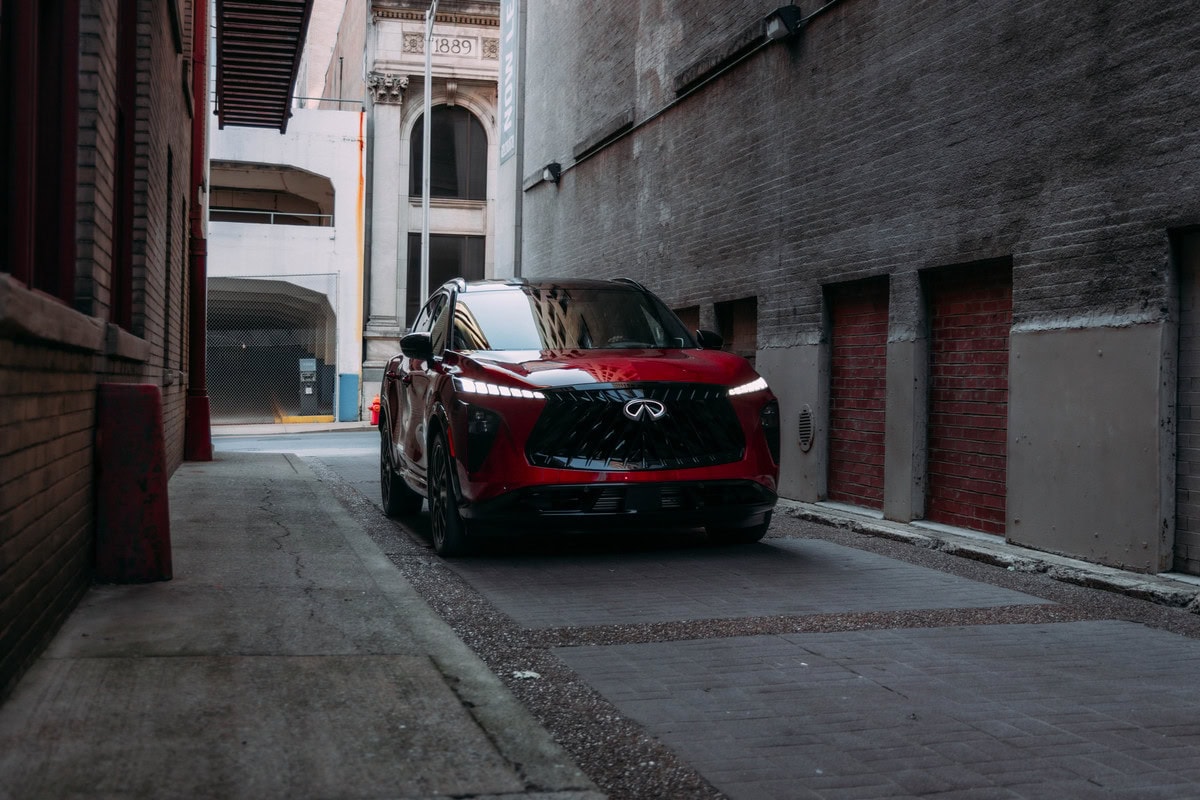
How IndyCar Hybrid Tech Boosts Your Next Honda Hybrid
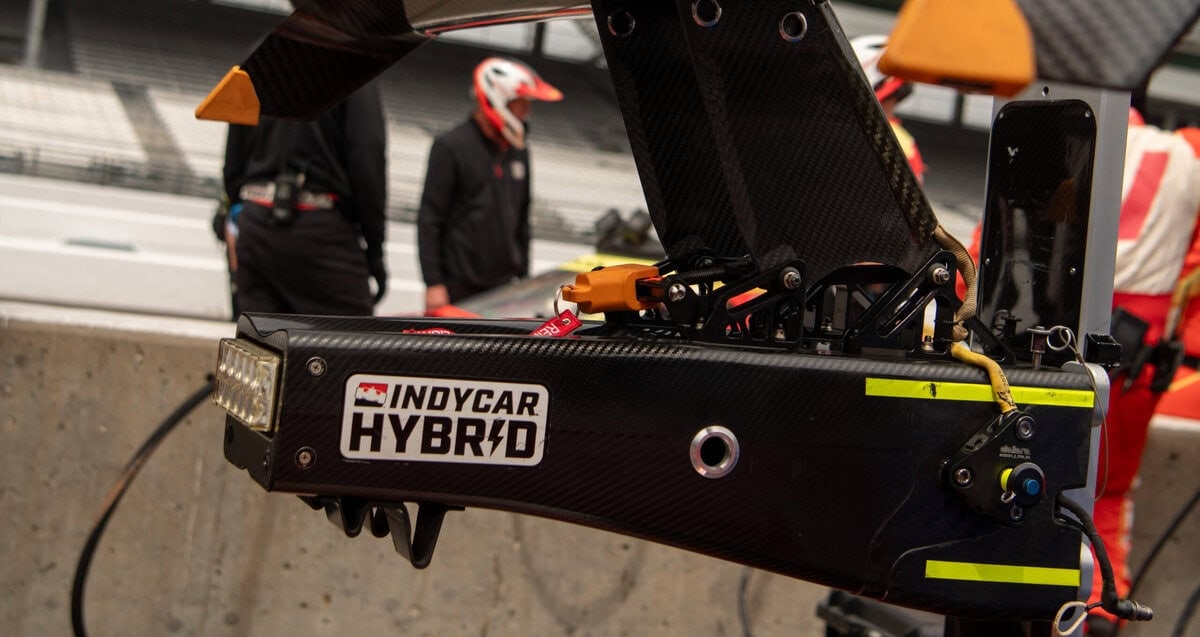
The Indianapolis 500 still delivers one of the most extraordinary spectacles in global motorsport. More than 300,000 fans gather to watch cars race at speeds approaching 240 miles per hour while drivers balance precision, courage, and survival over 500 relentless miles. The event remains one of the few places where engineering, danger, pressure, and spectacle still collide in a way ordinary people can immediately understand.
To many people, the race feels disconnected from daily driving. The average family SUV owner probably doesn’t spend much time thinking about IndyCar hybrid tech, energy recovery under braking, supercapacitors, or predictive software management. But according to Honda Racing Corporation USA President David Salters, the technology being developed at Indianapolis is increasingly influencing the next generation of road cars.
Behind the noise and spectacle of the Indy 500, there’s serious engineering. Honda says IndyCar has quietly evolved into one of the company’s most important development environments for hybrid systems, energy management software, simulation tools, safety thinking, and engineering processes.
You may also enjoy: Why Indy 500 Is Nothing Like F1, According to Takuma Sato
Why Honda Is Staying in IndyCar
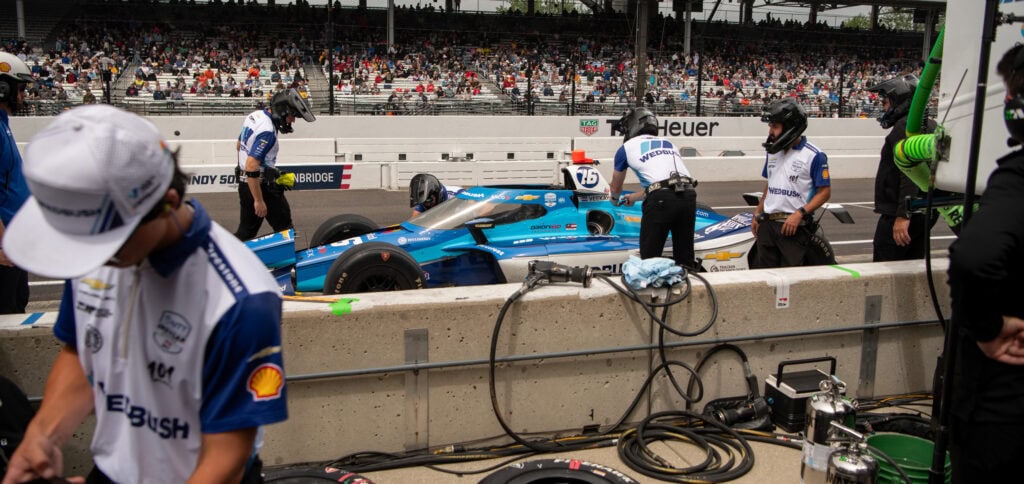
Honda recently confirmed it will continue competing in IndyCar through the next rules cycle, extending a relationship that now spans more than 30 years. Salters said the decision was relatively straightforward because the company still sees enormous value in the series, both as a competitive arena and as a development tool. “We love IndyCar,” said Salters ahead of the 2026 Indianapolis 500.
Honda has now won the Indianapolis 500 sixteen times, giving the company one of the strongest records in the modern IndyCar era. The company also pointed to increasing television audiences, sold-out races, and expanding exposure through Fox Sports coverage, all of which help strengthen the business case for staying in the series.
The series still serves several goals at once. It provides technology development, engineering training, marketing visibility, competitive relevance, and a proving ground for people working under extreme pressure. Most importantly, Honda sees IndyCar as directly relevant to the United States market.
You may also enjoy: Why Indy 500 Fans Still Say Carb Day
Hybrid Technology Has Changed IndyCar
Only a few years ago, many racing insiders questioned whether hybrid systems could realistically work at Indianapolis Motor Speedway. The concern centered around reliability, complexity, packaging, and additional weight. IndyCars already operate at the edge of mechanical possibility, and adding hybrid systems created significant engineering challenges.
Instead, the opposite appears to have happened. Salters noted that during qualifying for this year’s race, much of the conversation centered around how teams strategically deployed hybrid energy around the speedway. That marked a major shift from earlier skepticism about whether the technology could survive or contribute meaningfully on an oval.
“At the start, people said, ‘Oh, you’ll never be able to use a hybrid at the Indy 500.’” -David Salters, Honda Racing Corporation USA President
Today, every car in the field uses the collaboratively developed hybrid system shared across the series. The system has accumulated hundreds of thousands of miles of testing and competition, which matters because racing tends to expose weakness quickly and publicly.
You may also enjoy: Is the 2026 Acura MDX Type S Worth It?
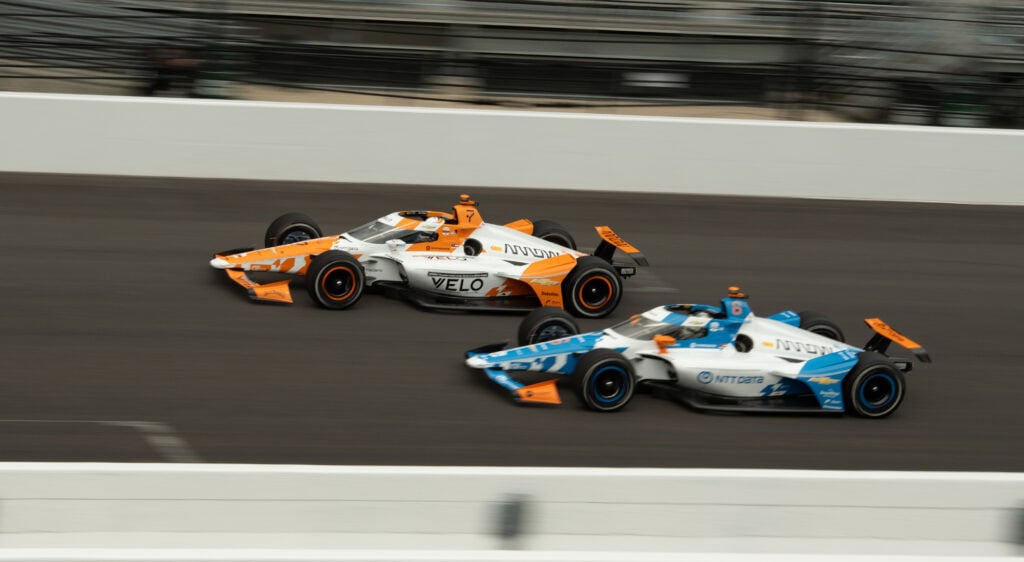
Why Honda Still Believes in Hybrids
The automotive industry often frames the future as a direct battle between gasoline vehicles and fully electric vehicles. Honda’s IndyCar leadership sees the issue differently. Salters described hybrid technology in simple language that makes the engineering concept easier for ordinary drivers to understand. “Rather than just turning kinetic energy into heat, why don’t you recycle that energy?” said Salters.
That principle sits at the center of hybrid engineering. Traditional braking systems waste energy by converting motion into heat, while hybrid systems recover part of that energy and reuse it either for efficiency or performance. In IndyCar, recovered energy can help drivers overtake competitors using push-to-pass systems.
In road cars, similar systems improve fuel economy and responsiveness. Salters pointed to Honda’s own lineup as proof that hybrid technology is not just a racing experiment but already part of mainstream driving. “I drive a CR-V or I drive a Civic,” he said. “Right now I’m getting 40 or 50 miles per gallon.”
You may also enjoy: Why the Indy 500 Still Defines America’s Summer
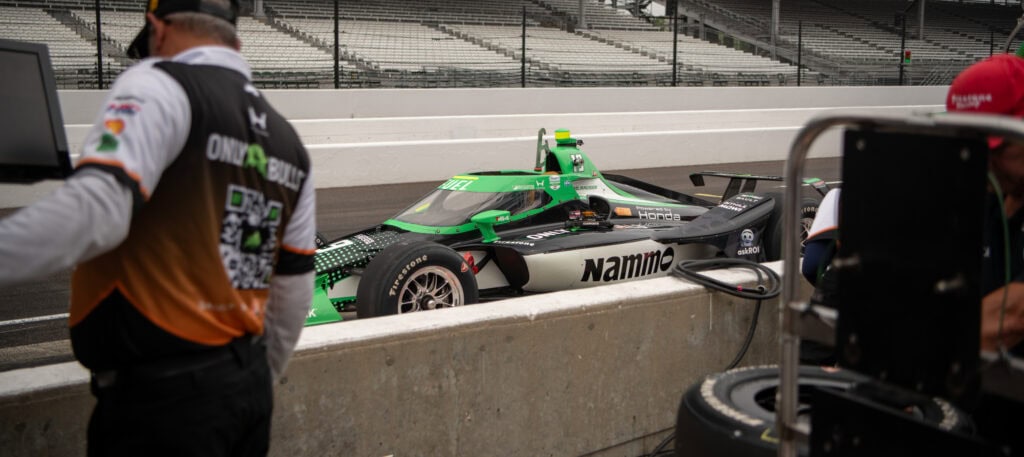
Kelvin Fu on Why Racing Still Matters
Kelvin Fu, Vice President of Honda Racing Corporation US, added an important second layer to the discussion. Where Salters framed the business and engineering strategy, Fu emphasized the experimental nature of racing itself. His point was not that every idea works immediately, but that racing creates the environment where difficult ideas can be tested, improved, rejected, or refined quickly.
“The point of racing is you try different things.” Kelvin Fu, Vice President of Honda Racing Corporation US
That distinction matters because motorsport is not valuable only when it produces a direct road-car part that can be bolted into the next Civic, Accord, or CR-V. It ‘s also valuable because it forces engineers to solve problems quickly, learn from failure, and improve systems under conditions that cannot be replicated in ordinary product development.
Fu’s comments explain why Honda sees hybrid racing as more than a technical checkbox. At first, some questioned whether hybrids belonged at Indianapolis at all. Now teams rely on them strategically, drivers talk about them, and engineers are studying how energy moves through the car in real time.
You may also enjoy: 2026 Honda Pilot review: the calm family SUV
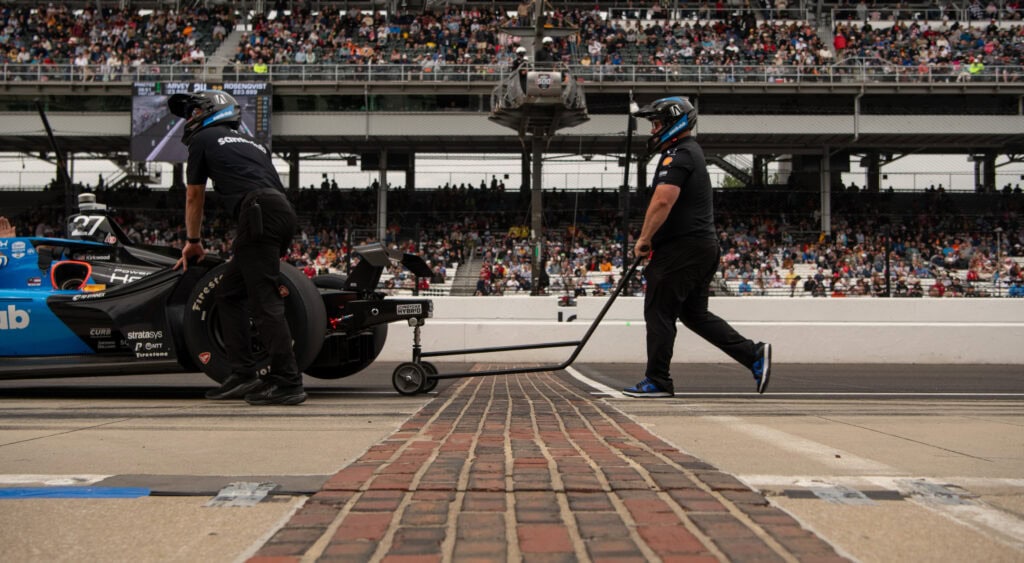
Racing Helps Honda Build Better Engineers
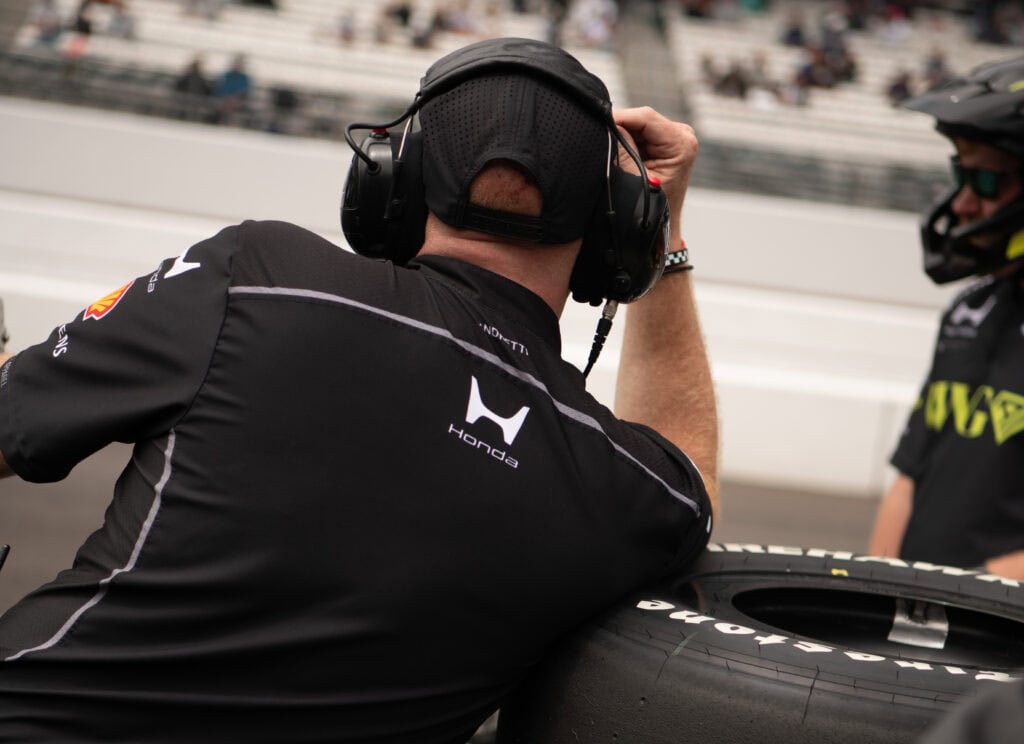
One of the most revealing parts of Honda’s discussion had less to do with hardware and more to do with people. For Salters, racing remains one of the best environments for developing engineers capable of solving problems quickly under pressure. “We’re trying to develop relevant technology here,” he said. “But also we’ve got to train the people to work on the relevant technology.”
That pressure creates a unique environment where decisions have immediate consequences. In racing, systems cannot fail slowly or gracefully. They either work or they don’t, and everyone finds out in public. That forces faster problem-solving, sharper communication, and a level of accountability that is difficult to reproduce in a normal engineering office.
Honda says engineers involved in IndyCar and IMSA programs regularly transfer knowledge back into production vehicle development. The company’s Honda Technical Forum allows engineering divisions throughout the company to present discoveries and development methods learned through racing, including hybrid energy management, predictive software systems, simulation modeling, and traction control development.
You may also enjoy: 2026 Honda Prelude Hybrid: Type R Parts, Real GT
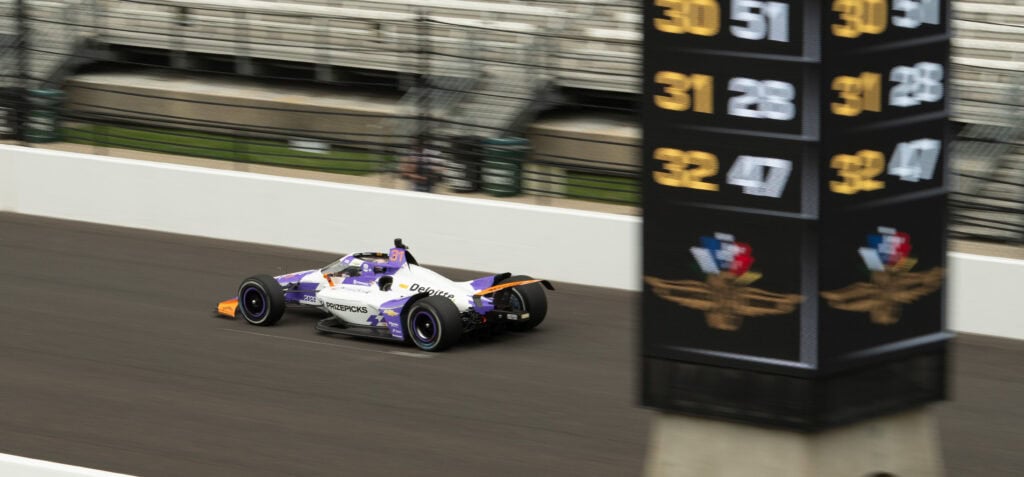
Supercapacitors Could Influence Future Cars
One particularly interesting area of development involves supercapacitors. Unlike traditional batteries, supercapacitors can release energy extremely quickly, making them useful for racing applications involving short bursts of acceleration and rapid energy recovery.
Salters noted that the IndyCar hybrid system uses supercapacitor technology, calling it unusual and potentially useful in certain applications. The point is not that a future Honda Civic will suddenly use an IndyCar-style hybrid package, but that racing exposes engineers to different ways of storing, moving, and deploying energy. “Japan and Ohio have noticed and they’re interested in what we’re doing,” Fu said.
That does not guarantee future production use, and Honda is not claiming a supercapacitor breakthrough is about to appear in showrooms. But it does demonstrate how motorsport can push unfamiliar technology into broader engineering conversations inside a major automaker.
IndyCar Still Balances Cost and Technology
One reason Honda appears comfortable remaining in IndyCar is because the series still maintains relatively strong cost controls. Salters contrasted IndyCar with Formula One, where development spending has historically escalated dramatically and can become difficult for manufacturers to justify without enormous global marketing value. “It’s got to be relevant, make it sensible, make it sustainable over time,” he said.
Racing programs only survive when manufacturers can explain why they exist. Honda believes technology development must remain connected to practical business reality rather than becoming purely experimental engineering without consumer relevance.
Fu also pointed out that IndyCar’s future depends on balancing the needs of fans, teams, manufacturers, suppliers, and the series itself. That means the racing has to remain entertaining, but it also has to remain affordable enough for manufacturers to stay involved and for new manufacturers to consider joining.
You may also enjoy: Cheating in Formula 1? The race between teams and the FIA
Safety Remains a Constant Focus
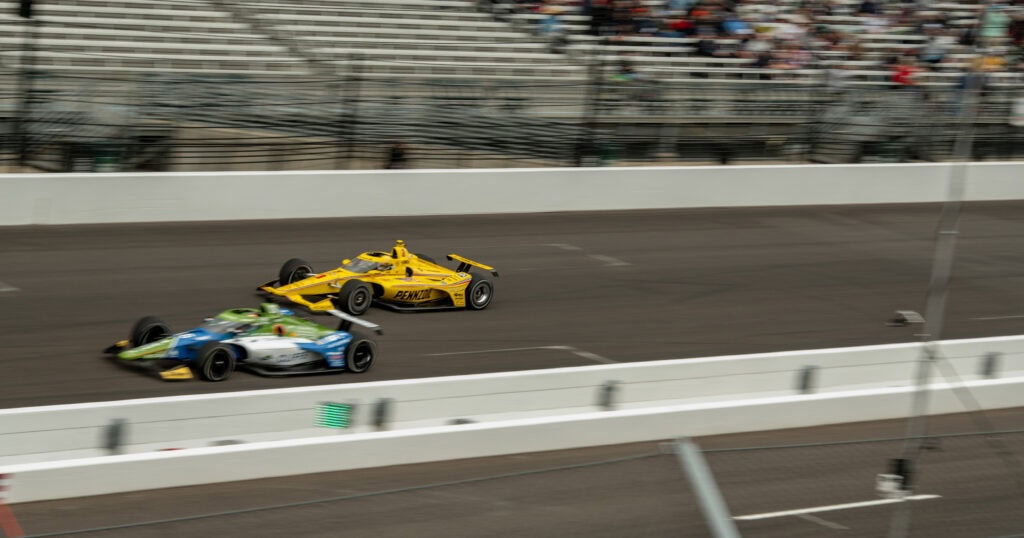
Even with the increasing focus on hybrid technology and software systems, IndyCar remains extraordinarily dangerous. Cars now qualify at speeds faster than many aircraft during take off, making safety development one of the most important ongoing engineering priorities in the sport.
Salters praised the safety improvements introduced by IndyCar, Dallara, and track officials over recent decades. Those developments include aeroscreen cockpit protection, SAFER barriers, anti-intrusion materials, advanced crash structures, and aerodynamic safety improvements designed to keep cars more stable at extreme speeds.
Modern safety engineering has dramatically changed survival outcomes in open-wheel racing. Honda executives pointed to recent crashes where drivers walked away from incidents that would likely have been catastrophic decades ago, showing how far the sport has come even while the risks remain obvious. “The cars are way safer,” Salters said. “Way safer.”
Winning Still Defines IndyCar
For all the discussion about hybrid systems, sustainability, software, safety, and engineering relevance, Honda’s emotional connection to IndyCar still comes down to competition. The technology matters, but it matters more because it is tested in an environment where success and failure are brutally visible.
“We go racing to compete and to win. It’s that simple.” -David Salters, Honda Racing Corporation USA President
He admitted that failure in racing hurts far more deeply than success satisfies. That emotional pressure remains one of the defining characteristics of elite motorsport competition, and it is part of what makes the Indy 500 so valuable to Honda as both a sporting challenge and an engineering test. “You either won or you lost,” he said.
That mindset still defines Indianapolis. For Honda, the Indy 500 is not simply a marketing platform or an engineering exercise. It remains one of the toughest proving grounds in the world for technology, teamwork, pressure, judgment, and performance.
Increasingly, the lessons learned there may shape the next generation of vehicles ordinary drivers use every day. The road from Indianapolis Motor Speedway to a family driveway is not always direct, but Honda believes it is real.