Why Hybrids Are Suddenly the Smarter Choice Over EVs in 2026
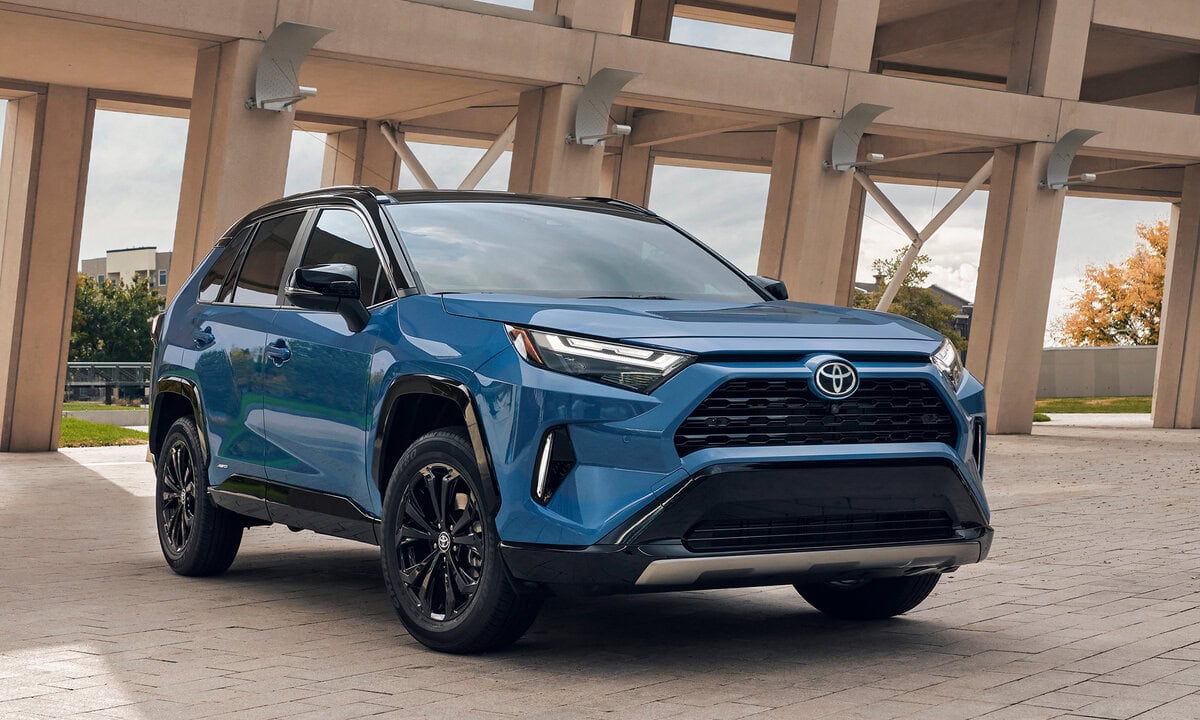
Hybrids are picking up speed in the market while full electric vehicles are slowing down. Shoppers want the efficiency boost that comes with electrification, but they don’t want to make the switch to plugging in every night.
This reluctance to go with a plug-in vehicle is something that’s challenged EVs and plug-in hybrids since their introduction. People still like the idea of going electric someday, but right now many are dealing with high new car prices, spotty charging options depending on where they live, and the reality that long trips mean planning around stations.
Hybrids let you keep the familiar gas station stop while cutting fuel use noticeably on daily drives. It’s not that people are rejecting EVs outright, but that they need to find a vehicle that fits life without extra hassle. Recent February sales data shows hybrids holding around 13 to 16 percent share in various segments, with EVs dipping to roughly 6.6 percent retail. Buyers are leaning into that middle ground because it delivers real savings at the pump and peace of mind on road trips.
You may also enjoy this: $240,000 Dreams Fuel America’s Luxury Car Obsession
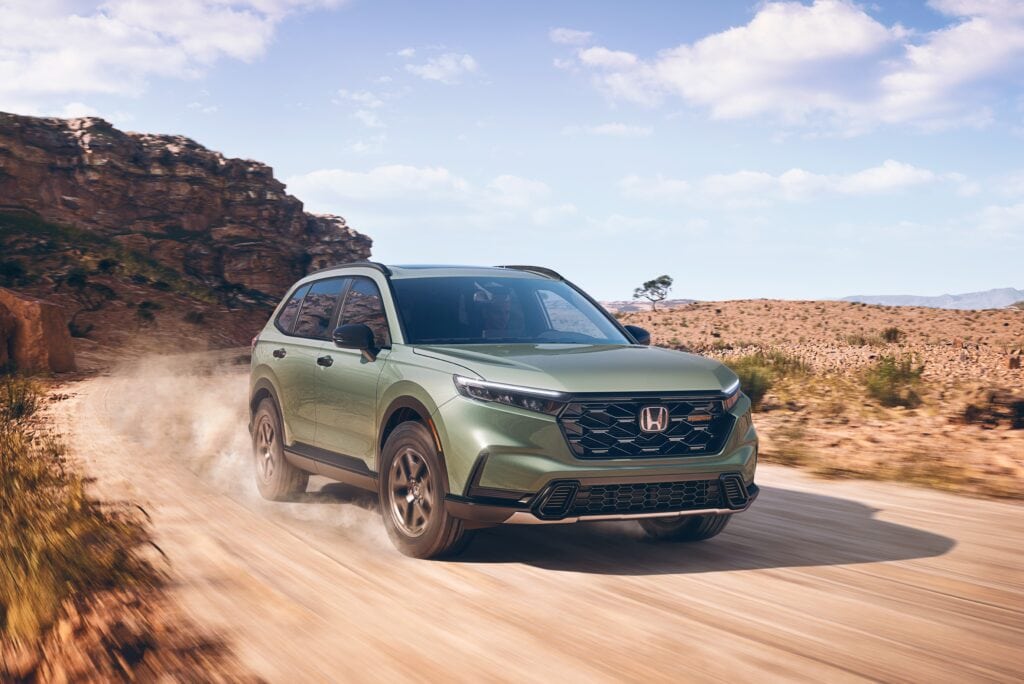
Why does this matter right now?
This pivot isn’t random. Federal incentives for full EVs ended last year, pushing average prices higher for electrics, which command a premium. Gas prices aren’t wild, but they’re steady enough that better mileage matters, especially for commuters racking up miles. Hybrids give better fuel economy without forcing a home charger install or creating range worries on the family road trip. For many, it’s the practical step forward when full electric still feels like too big a leap.
This shift also ties into bigger affordability worries that haven’t gone away. New car prices are still hovering high, and with fewer big rebates and credits pushing full electrics, many shoppers are looking for ways to cut monthly costs without betting everything on a charging setup that might not be ready for their neighborhood or routine. Hybrids deliver noticeable fuel savings in real driving, often without the premium price jump you see on many EVs, so they feel like a step that’s easier to take when budgets are tight and gas isn’t free.
Reliability plays into this too, since hybrids have had years to iron out the kinks on proven systems that blend gas and electric without the full complexity of pure battery packs or massive charging infrastructure. Shoppers hear stories of long wait times for EV repairs or battery degradation concerns, and hybrids sidestep a lot of that while still giving you meaningful efficiency gains. When the market’s showing hybrids quietly climbing and full electrics pulling back, it feels like a signal that everyday drivers are choosing what works reliably for their current setup, not what might be ideal in some future perfect world.
You may also enjoy this: The 2026 Mazda CX-50 Delivers Luxury for Family Money
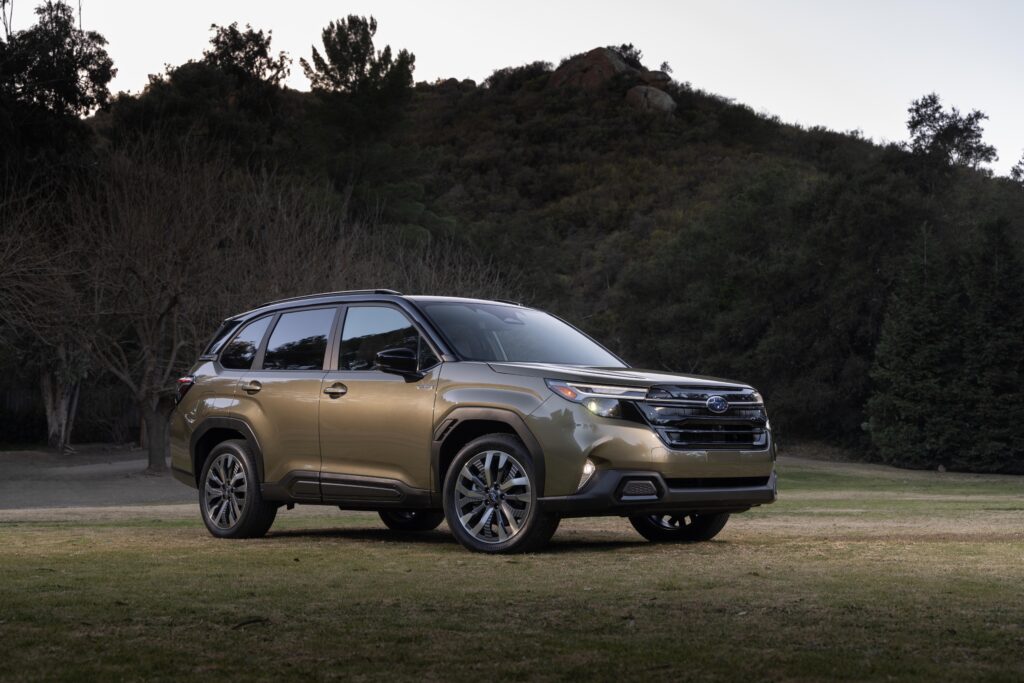
How does it compare to rivals or alternatives?
Full EVs win on smooth, quiet driving and zero tailpipe emissions, no question. They shine in city use with instant torque and low running costs if you charge at home. But upfront prices often run higher, and if your garage lacks easy plug access or you drive long distances regularly, the math gets trickier.
Gas-only cars are simpler and cheaper to buy in many cases, but they lag on fuel economy, especially in stop-and-go traffic. Hybrids split the difference nicely. You get electric assist for better city efficiency, regenerative braking that feels natural, and a gas engine for when the battery runs low. Compared to plug-in hybrids, standard hybrids skip the cord entirely, which suits folks who forget to plug-in or don’t have convenient outlets.
You may also enjoy this: Audi RS 5 Plug-In Hybrid: The Quattro Reinvention
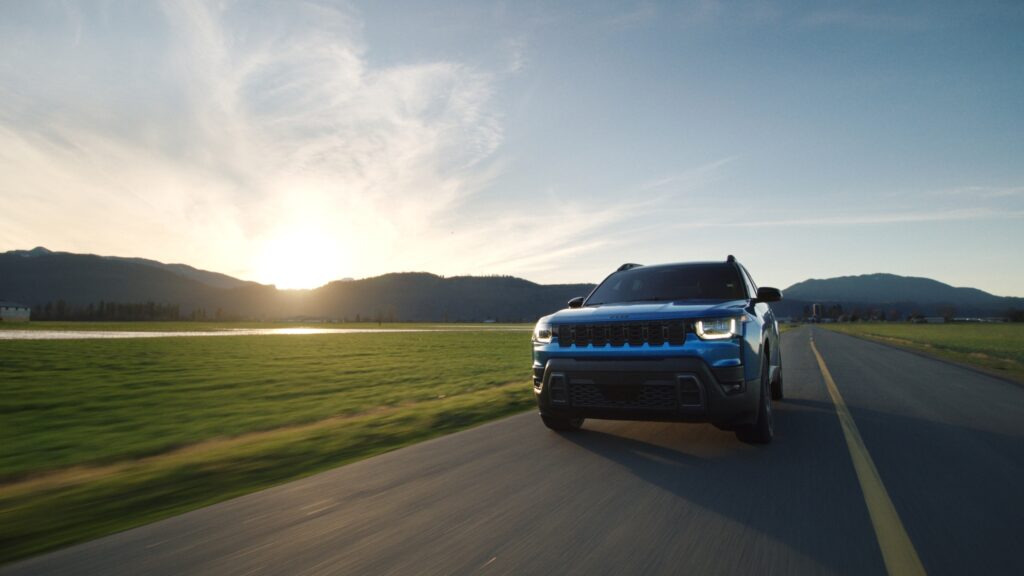
Who is this for and who should skip it?
Hybrids suit drivers who want lower fuel bills without changing their routines. Commuters, parents shuttling kids, or anyone mixing city and highway miles benefit most. They work well if you lack reliable home charging or take spontaneous longer trips. Reliability is strong too, with many models building on proven tech.
Skip them if you already have solid charging at home and mostly short drives. Full EVs make more sense there for maximum savings and that pure electric feel. Or if you prefer the lowest possible upfront cost and don’t mind traditional gas, a non-hybrid might still be the play. Hybrids add a small premium over gas versions, so they have to earn it through mileage.
You may also enjoy this: 2026 Mazda CX-5 Makes Infotainment as Easy as Your Smartphone
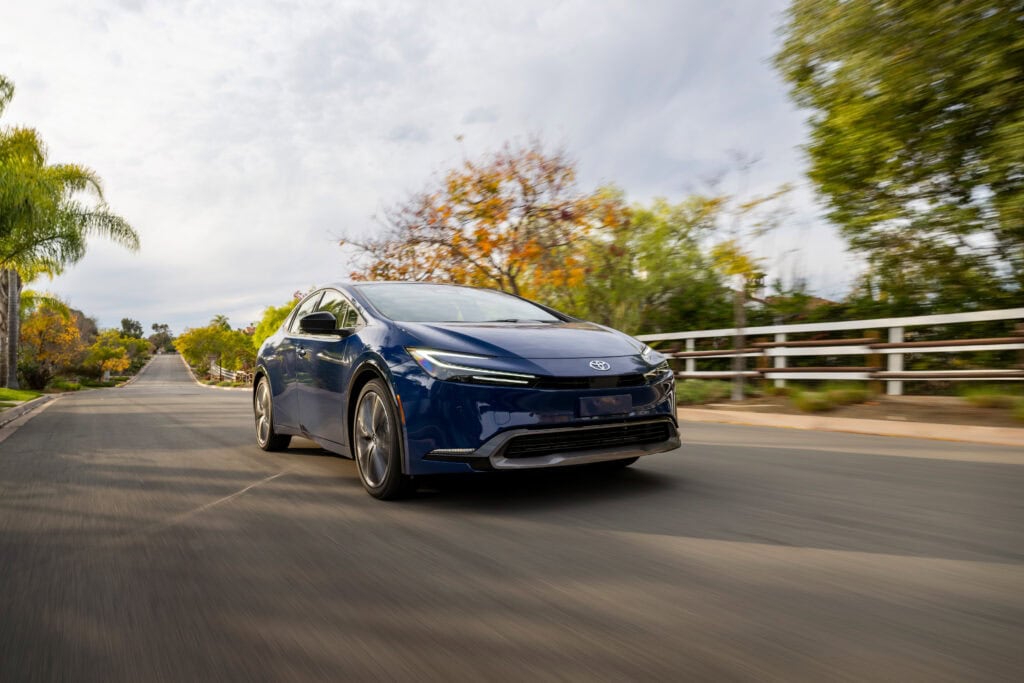
What is the long-term significance?
This hybrid surge shows the market evolving thoughtfully. Automakers are responding by rolling out more hybrid options in popular models, from compact crossovers to family sedans. It buys time for battery tech and charging networks to mature while cutting emissions now compared to pure gas cars. For buyers, it means more choices that feel realistic rather than forced.
In the bigger picture, hybrids could serve as a bridge. Many people start here, get comfortable with electrification, and later step into full EVs when infrastructure catches up. Right now, though, the smart move for a lot of us is something that saves money and stress without upending daily life. If your driving mix lines up, a hybrid might just be the right fit until the electric world feels less like a commitment.
You may also enjoy this: Waymo’s 2026 Expansion Explained: Where Robotaxis Go Next