Why the Indy 500 Still Defines America’s Summer

Every Memorial Day weekend, hundreds of thousands of fans gather at Indianapolis Motor Speedway to witness an event deeply tied to American identity, engineering innovation, and the unofficial start of summer itself. The Indy 500 is more than a race. It is one of the few sporting events left in America that is a national tradition instead of a television broadcast.
The first Indy 500 took place in 1911, years before NASCAR, Formula One, or even the NFL existed. At the time, automobiles were still new to many Americans, and racing represented the cutting edge of technology and engineering.
The Race That Helped Shape America’s Auto Industry
Over time, innovations developed through motorsport eventually influenced road cars Americans drove every day. Improvements in tire construction, aerodynamics, fuel systems, and safety engineering were accelerated through racing competition.
One of the earliest examples came during the first Indy 500 itself. Winner Ray Harroun’s Marmon Wasp featured a rearview mirror instead of carrying a riding mechanic. Today, the rearview mirror is one of the most basic safety features in every passenger car.
You may also enjoy: The Most American Cars? Not Who You Think
Why the Indy 500 Is the Largest Sporting Event in the World
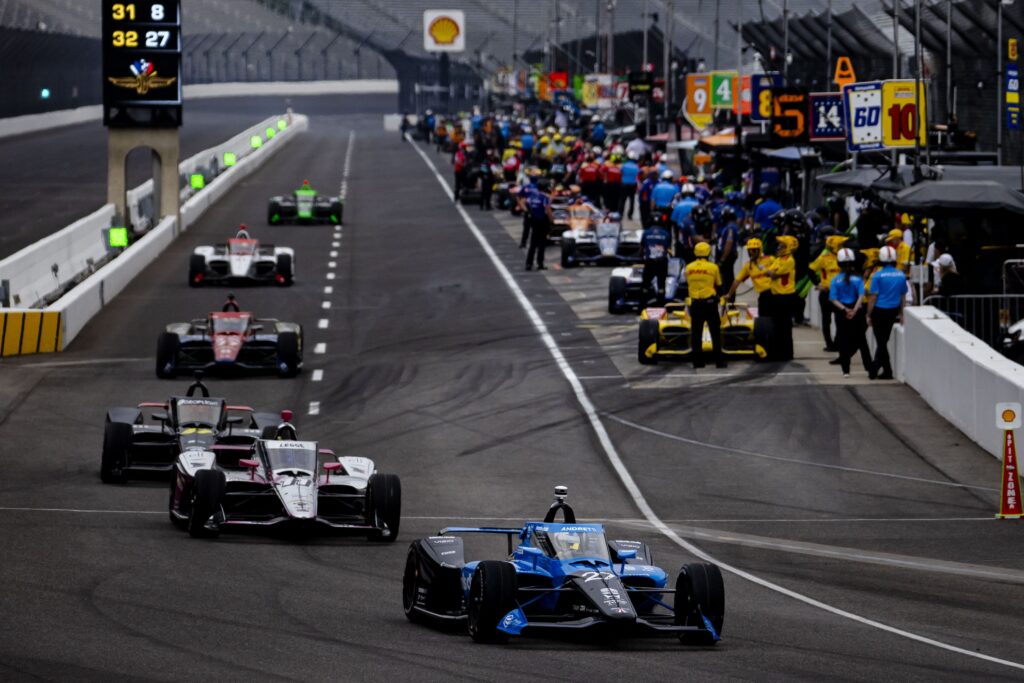
The Indy 500 is frequently described as the largest single-day sporting event in the world by attendance. Crowd estimates often exceed 300,000 spectators. To understand the scale, Indianapolis Motor Speedway covers more than 500 acres. The grandstands alone are enormous, creating an atmosphere few sporting venues can match.
Unlike events designed mainly for television audiences, the Indy 500 still revolves heavily around the in-person experience. Fans camp for days. Families return annually. Entire generations gather in the same grandstands year after year.
You may also enjoy: Why Your Next Truck Just Got More Expensive and Harder to Find
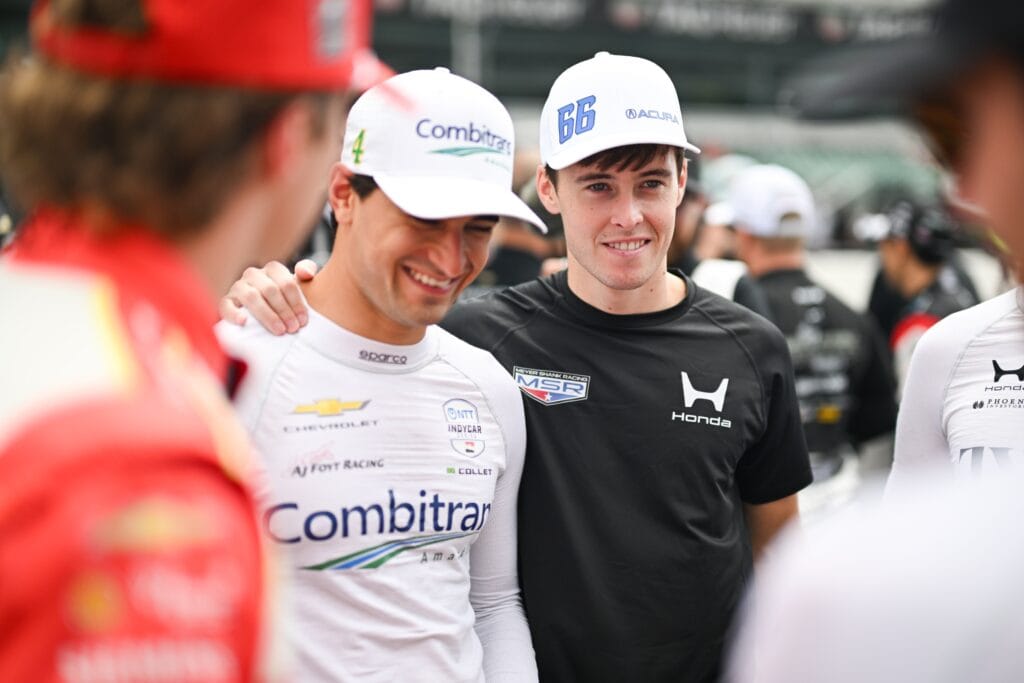
The Indy 500 and the Start of Summer
For many Americans, Memorial Day weekend signals the unofficial beginning of summer. Schools close, vacations start, and families prepare for road trips, boating, and backyard cookouts. The Indy 500 became emotionally connected to that annual transition.
Race morning itself has become part of American culture. Military flyovers, patriotic tributes, celebrities, and massive crowds create an atmosphere unlike almost anything else in sports. The race also reflects broader American travel culture with Memorial Day travel one of the busiest roadway weekends in the United States.
For generations of families, hearing race coverage in the background while preparing for summer activities became part of the holiday tradition itself.
The Famous Indy 500 Traditions
Drinking Milk in Victory Lane
Perhaps the race’s most famous tradition is the winner drinking milk after victory. The celebration dates back to 1936 when driver Louis Meyer requested buttermilk after winning the race. Dairy industry representatives later embraced the moment, turning it into one of the most recognizable traditions in sports. Today, drivers choose their preferred milk type before the race even begins.
Kissing the Bricks
The Indianapolis Motor Speedway was originally paved with more than three million bricks, giving the facility its famous nickname: The Brickyard. Modern asphalt eventually replaced most of the original surface, but a strip of bricks remains exposed at the start-finish line.
You may also enjoy: Mazda Leads in Safety with Eight IIHS Top Safety Pick+ Awards
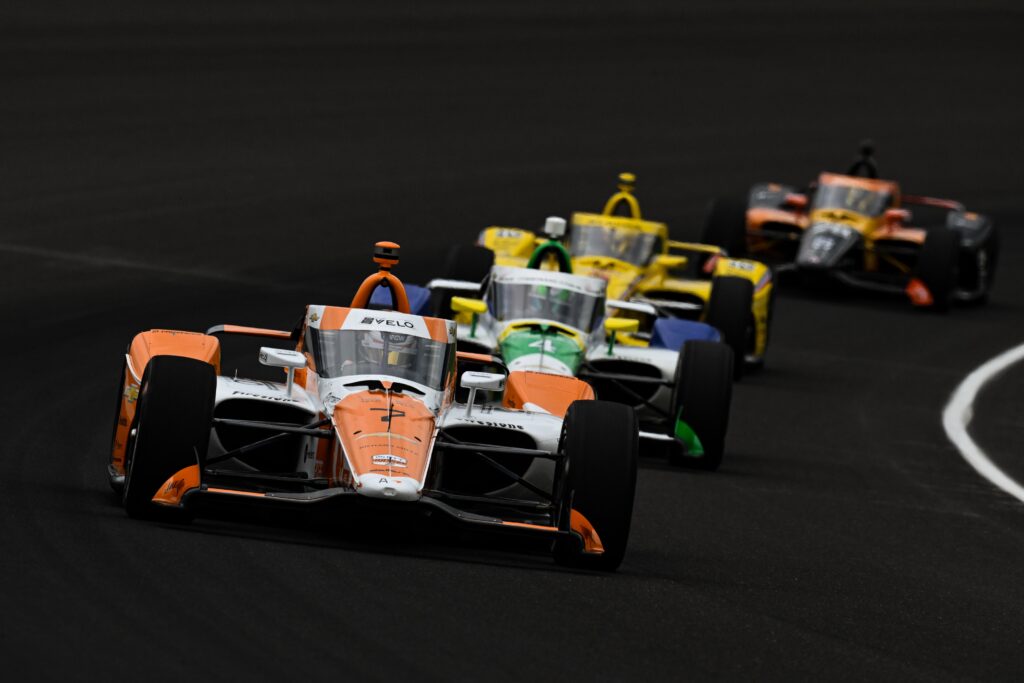
Why the Race Matters to America
The Indy 500 reflects several values historically associated with America:
- Innovation
- Engineering
- Competition
- Manufacturing
- Mechanical ingenuity
- Risk-taking
Unlike many international sporting events held in glamorous global cities, the Indy 500 takes place in Indiana, right in the center of America’s industrial heartland. That location became symbolic of the country’s automotive manufacturing strength throughout the 20th century. Automakers once viewed racing victories at Indianapolis as proof they could build stronger, faster, and more advanced vehicles than competitors.
You may also enjoy: From Formula One to Family Driveways: Why GM’s Racing Strategy Matters
The Greatest Day in Motorsports
Memorial Day weekend is often referred to by racing fans as “The Greatest Day in Motorsports” because three major races happen on the same day.
- The Monaco Grand Prix
- The Indianapolis 500
- NASCAR’s Coca-Cola 600
For motorsport enthusiasts, it’s an all-day global celebration of speed and engineering competition.
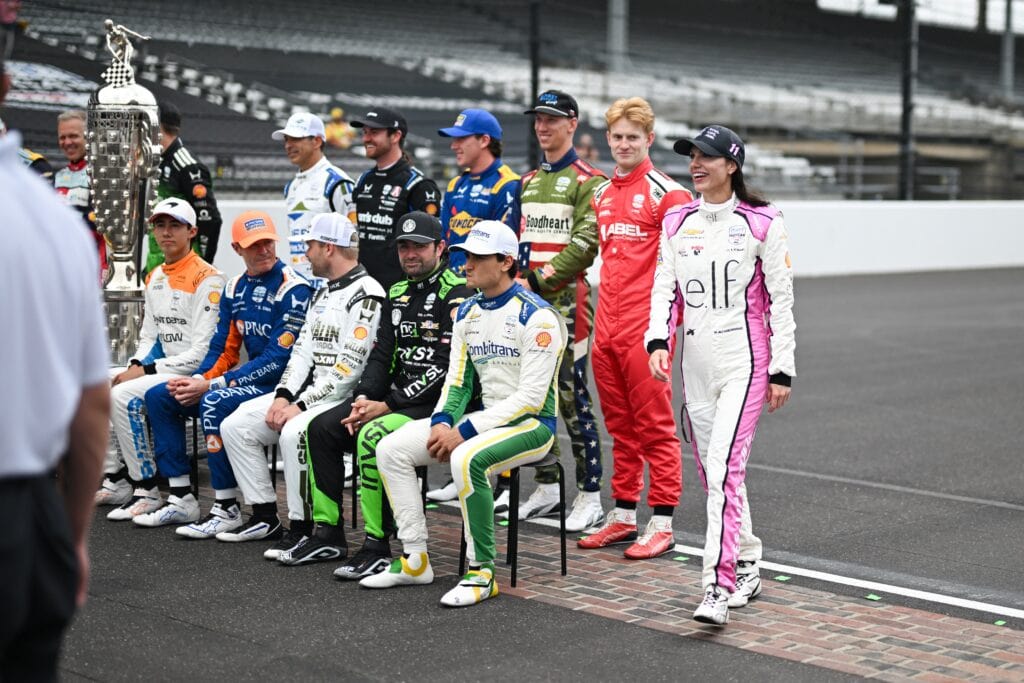
The Modern Indy 500 Experience
Today, the Indy 500 has evolved into a month-long entertainment festival with practice sessions, qualifying weekends, concerts, celebrity appearances, the Snake Pit music festival, fan events, and parades. Despite those modern additions, the emotional identity of the race has remained remarkably consistent for more than a century. Drivers still dream of winning Indianapolis. Fans still treat attendance like a pilgrimage. Families still pass the tradition down through generations.
In an era dominated by streaming services and digital entertainment, the Indianapolis 500 remains one of the few events that still feels communal. It’s loud, emotional, patriotic, nostalgic, and unmistakably American. The race is not simply about cars turning laps at high speed. It represents innovation, family tradition, engineering excellence, and the shared excitement of summer beginning across the country.
For one Sunday every May, America gathers around the Brickyard to celebrate speed, freedom, and over 100 years of automotive history. That tradition still matters today.