Ford’s Fourth of July Deal Meets America at 250

Ford marks America’s 250th anniversary with employee pricing, connecting today’s car deals to the long road from wagon wheels to electric SUVs.
America is preparing to turn 250, which means fireworks, flags, cookouts, parades, and the annual American ritual of wondering whether this is finally the year to buy a new car. The Ford Employee Pricing 2026 offer gives that celebration a showroom angle, because Ford is marking the country’s semiquincentennial not with a commemorative badge or a patriotic decal, but with something shoppers may appreciate more: a lower price.
Ford’s “American Value. For American Values.” campaign offers Employee Pricing for All on many new 2025 and 2026 Ford and Lincoln vehicles through July 6. In simple terms, eligible buyers can pay what Ford employees pay on many vehicles at participating dealers. That may not sound as romantic as a wagon train heading west, but it is a very modern way to celebrate a very old national birthday. America has always loved movement. Ford is simply connecting that instinct to the monthly payment.
You may also enjoy: Ford Celebrates America’s 250th With a Big Deal for You
What Did It Used To Cost To Cross America?
Sales promotions are usually temporary. Transportation stories are bigger. A discount may get someone into a dealership, but the reason this one feels interesting is because it lands during a year when the country is looking backward and forward at the same time. America’s 250th anniversary is not just about fireworks in the sky. It is also about the roads, rails, rivers, highways, and vehicles that turned a collection of distant places into one connected country.
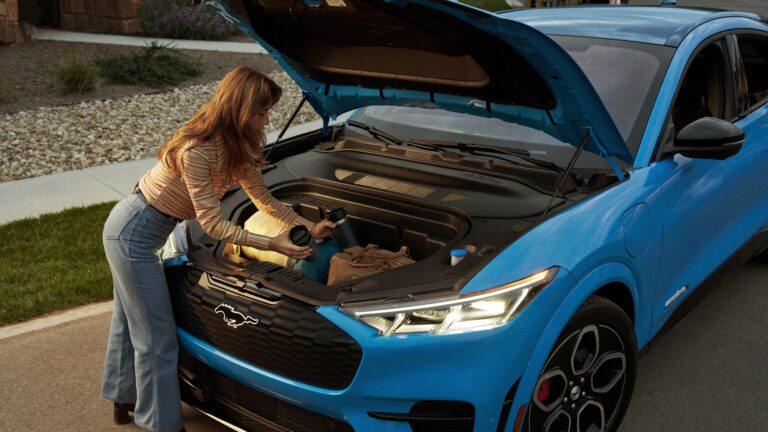
That raises a useful question: what did it used to cost to cross America? Today, a Mustang Mach-E GT can travel hundreds of miles with climate control, navigation, music, voice commands, charging information, and a cabin that does not require anyone to sit on a plank while praying the oxen remain emotionally stable. For some electric Ford buyers, home charging can turn the old fuel stop into something that happens overnight in the driveway. On the road, route planning and public charging can help identify the next stop before the battery becomes a family argument.
You may also enjoy: 2026 Mustang Mach-E Frunk Becomes $495 Option — Should You Pay?
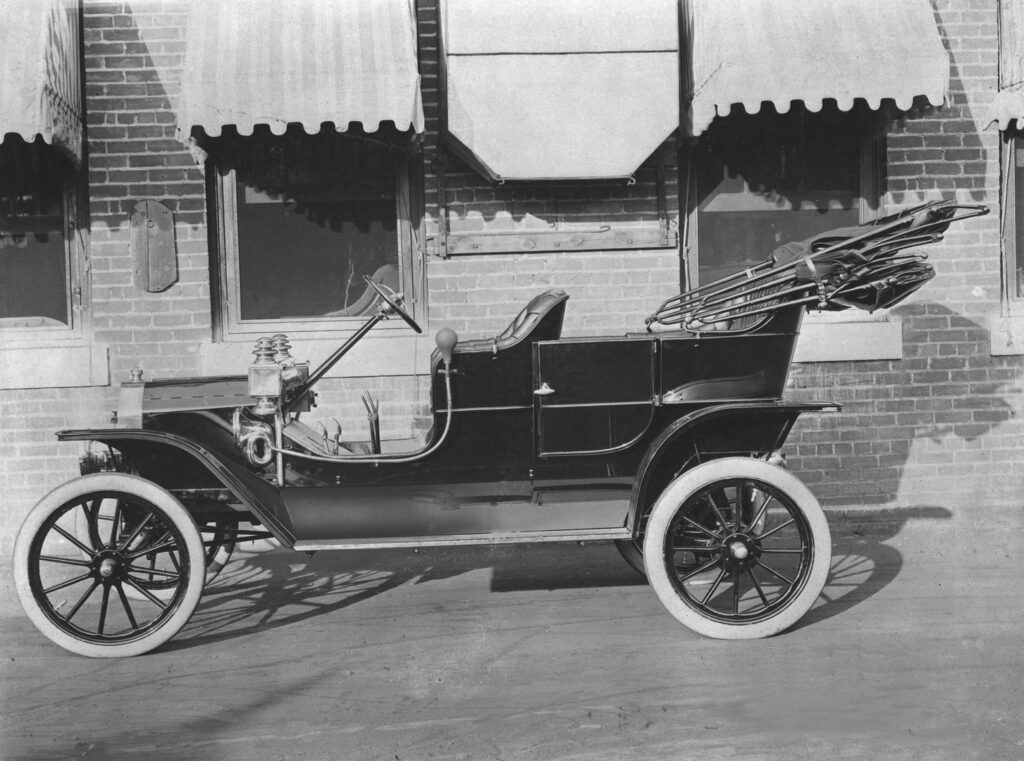
The Oregon Trail was less forgiving. Families heading west had to plan food, water, tools, clothing, livestock, wagon repairs, river crossings, bad weather, illness, and enough hope to keep going when the map became more suggestion than certainty. Outfitting for the journey could cost hundreds to more than a thousand dollars in the 1800s, depending on the wagon, animals, supplies, and how long the family needed to survive before earning money again. That was not a vacation budget. That was a life savings gamble with no roadside assistance and no guarantee of arrival.
Time was the other cost. Crossing the country by wagon could take five or six months, with families moving at the speed of animals, terrain, weather, and human endurance. A modern road trip may still include questionable gas station sandwiches, one passenger who cannot agree on music, and a navigation system that becomes very confident at exactly the wrong moment. But it is not the same category of suffering. In the 1840s, heated seats meant blankets, building a fire, or getting uncomfortably close to livestock. Most of us would take setting number three in the car.
You may also enjoy: The Ford Bronco Filson Was Built For America’s Outdoor Boom
From Wagon Wheels To Employee Pricing
That is what makes Ford’s Fourth of July offer more interesting than a typical sales event. It sits inside a much larger American transportation story. For early pioneers, mobility meant risk. For the Model T generation, mobility began to mean access. For today’s buyers, it can mean choosing between gas, hybrid, and electric vehicles with advanced safety systems, connected technology, smartphone integration, charging support, and driver-assistance features that make long-distance travel easier than anything a wagon family could have imagined.
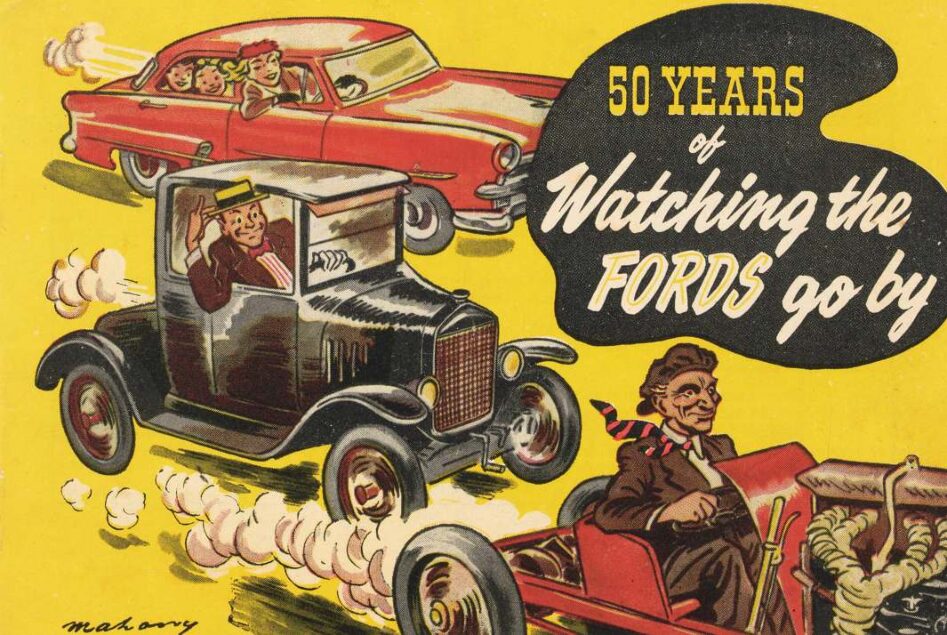
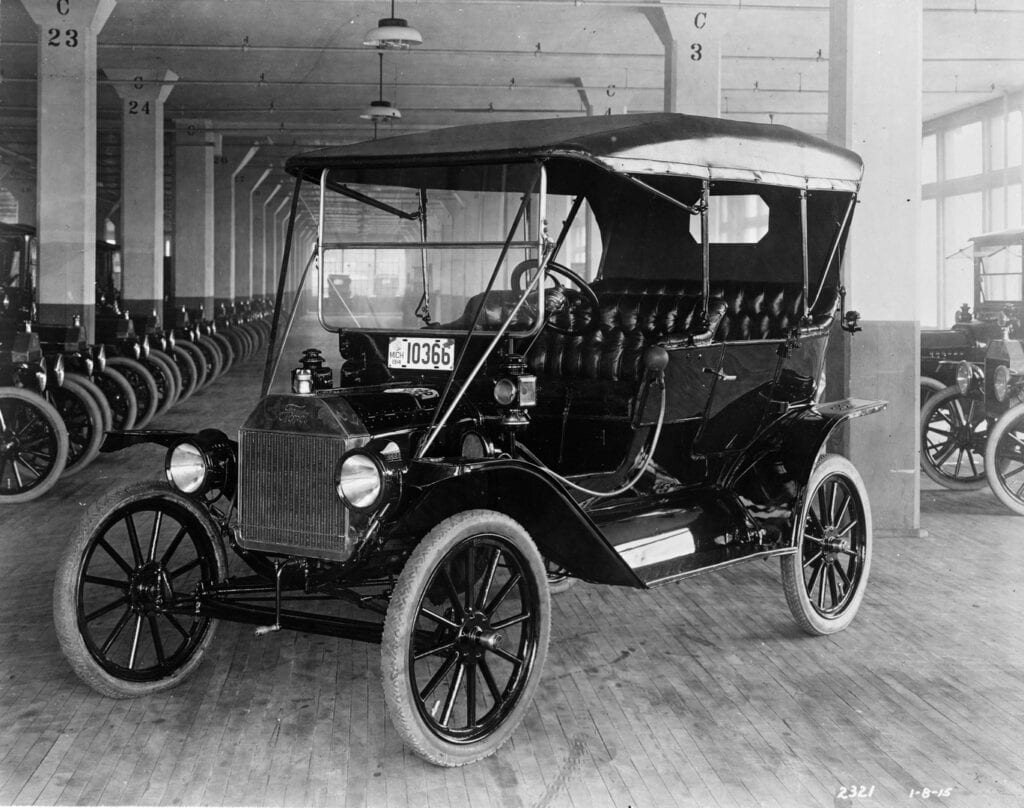
Ford’s place in that story matters. The Model T was not the first automobile, but it helped make the car attainable. Ford’s moving assembly line lowered production costs, expanded output, and helped shift the automobile from a luxury object into something working families could realistically imagine owning. That changed America in ways that went far beyond the driveway. It shaped where people lived, where they worked, how businesses reached customers, and how families thought about distance.
You may also enjoy: How The Ford Bronco Filson Started With a LinkedIn Message
The American Road Is Still The Story
The automobile reshaped suburbs, commutes, motels, roadside diners, gas stations, family vacations, small businesses, and the basic American idea that freedom often starts with the ability to leave when you choose. Covered wagons made movement possible. Mass production made it attainable. Modern electric vehicles are trying to make it cleaner, quieter, and easier to live with. Each era has had its own version of range anxiety. The pioneers worried about water, feed, weather, and river crossings. EV drivers worry about chargers, battery percentage, and whether the station has a decent restroom.
Today’s Ford showroom is not the Oregon Trail, thankfully. Nobody needs to pack flour, bacon, axle grease, and a rifle just to get from Omaha to Oregon. But the basic promise is familiar. A vehicle is still more than transportation. It is a way to reach opportunity, family, work, adventure, safety, and sometimes just a better view. Whether it is a Bronco, an F-150, an Explorer, a Lincoln, or a Mustang Mach-E GT, the modern vehicle continues the old American habit of turning distance into possibility.
You may also enjoy: Buying a New SUV in 2026? Here’s How Smart Buyers Save
That is why the Ford Employee Pricing 2026 campaign works as more than a sales pitch. It connects a patriotic moment with a practical buyer concern: affordability. New vehicles have become expensive, interest rates matter, and families are watching every dollar. A deal that brings pricing closer to what employees pay speaks directly to that pressure. It also echoes the oldest lesson in Ford history. Transportation changes culture most when more people can afford to participate.
So yes, America’s 250th birthday will bring fireworks in the sky, flags on porches, hot dogs on grills, and probably at least one uncle explaining the Constitution over potato salad. But the bigger American story is still on the road. From covered wagons to the Model T to a Mustang Mach-E GT finding its next charger, the technology has changed dramatically. The urge to move has not. America was built by people trying to get somewhere. Two hundred and fifty years later, we still are.