Polestar 4 Gets Rear Window and More Space in Big Update

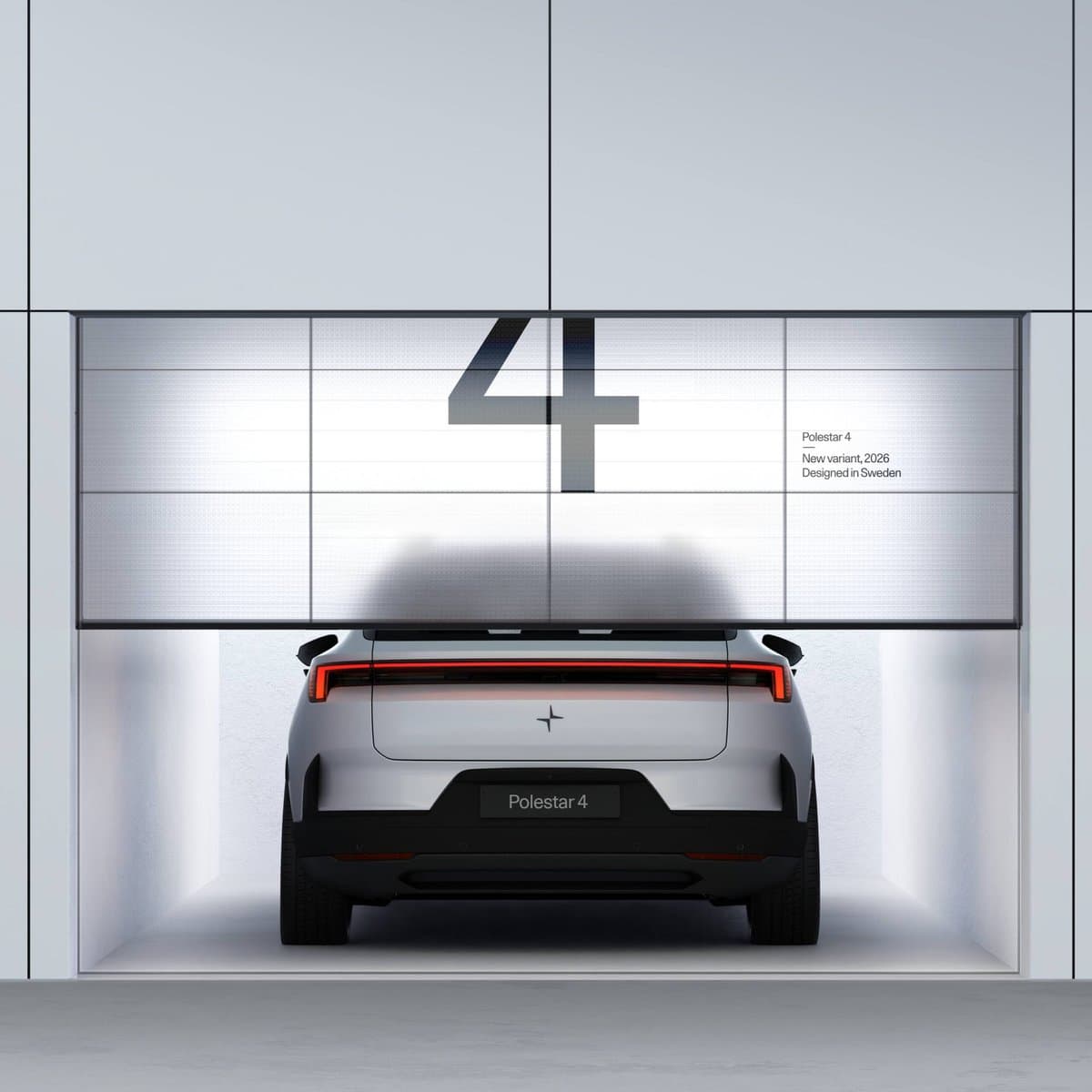
Polestar is tweaking its top seller to make it work better for more people. The new Polestar 4 adds a traditional rear window and boosts cargo space, fixing what turned off plenty of potential buyers on the current model.
That change keeps the premium electric drive and sharp looks intact but makes loading up for errands or trips feel normal again. This update slots into Polestar’s bigger plan of four new EVs by 2028, yet it stands out as the quickest fix for real buyer needs.
The existing Polestar 4 uses a camera instead of a rear window for a sleeker shape and extra interior room, but many people found it awkward in practice. Deliveries of the new Polestar 4 start in the fourth quarter of this year.
Why does this matter right now?
Buyers shopping premium EVs want cars that handle daily life without quirky compromises, especially when new vehicle prices average nearly $49,000 and full electric adoption is still a big jump. The current Polestar 4 already wins points for its clean Scandinavian design, quick dual-motor acceleration, and solid range that suits most commutes, but the missing rear window created blind spots that frustrated people on highways or in tight parking lots.
Polestar CEO Michael Lohscheller pointed out that this new version combines the space of a wagon with SUV versatility, and the company made clear it’s headed to the US market. In a time when shoppers prioritize usability alongside performance, this could bring in families who want a premium EV without settling for awkward visibility or limited cargo room. It shows the brand responding to feedback fast, which matters when trust in EV ownership builds slowly.
You may also enjoy this: Toyota C-HR 2026 EV: 287 Miles, 338 HP, Real Cargo
How does it compare to rivals or alternatives?
The updated Polestar 4 sticks with the same tech backbone as today’s model, including dual-motor options for strong performance and fast charging that keeps road trips manageable. The big gains come in back, where the added rear window improves safety and confidence, and the stretched roofline delivers noticeably more cargo room for groceries, sports gear, or weekend luggage without folding the seats.
Compared to the Tesla Model Y, it brings a more upscale interior feel and distinctive styling that stands apart in parking lots. The Audi Q6 e-tron offers similar premium vibes and tech, but this Polestar variant edges closer to wagon-like practicality in a segment where true electric wagons are few. Options like the Porsche Taycan Cross Turismo deliver that utility, yet they sit way higher in price, often double or more.
Building in South Korea helps the Polestar 4 avoid some import tariffs that bump up costs on other EVs, potentially keeping pricing steadier for buyers. Safety features stay robust too, with strong crash test potential from similar platforms, and the overall package feels more thoughtful for mixed-use driving than pure performance crossovers that sacrifice everyday comfort.
You may also enjoy this: Audi Brings Fans Closer to F1 with New Adidas Merchandise
Who is this for and who should skip it?
This revised Polestar 4 suits people who love premium electric driving but need a vehicle that pulls double-duty without headaches. Think small families loading strollers and diaper bags, commuters who occasionally haul bikes or skis, or dog owners wanting easy access for crates and gear.
It’s for those who value sharp handling, a quiet cabin on long drives, and quick stops at Level 2 or DC fast chargers. Factor in the added space and visibility and the new Polestar 4 is far more livable than the current version.
It also appeals to buyers drawn to Scandinavian minimalism who passed on the original because backing up or merging felt off with the camera-only rear view. On the flip side, skip it if budget is your top priority and you’re eyeing lower-priced EVs, or if you prefer a boxier full SUV shape for maximum height and towing.
Anyone needing a car right away won’t want to wait until the end of the year and are out of luck. Current Polestar 4 owners who dig the bold no-window aesthetic might not feel the need to upgrade unless their cargo demands have grown.
You may also enjoy this: The $20,000 Car Is Dead in 2026: Cheap Options That Deliver
What is the long-term significance?
This new Polestar 4 proves the brand can pivot quickly based on what owners actually say, which builds credibility in a premium EV space full of bold claims and mixed results. By making their bestseller more versatile, Polestar widens its appeal at a moment when the market rewards cars that fit real routines over the novelty of EV ownership.
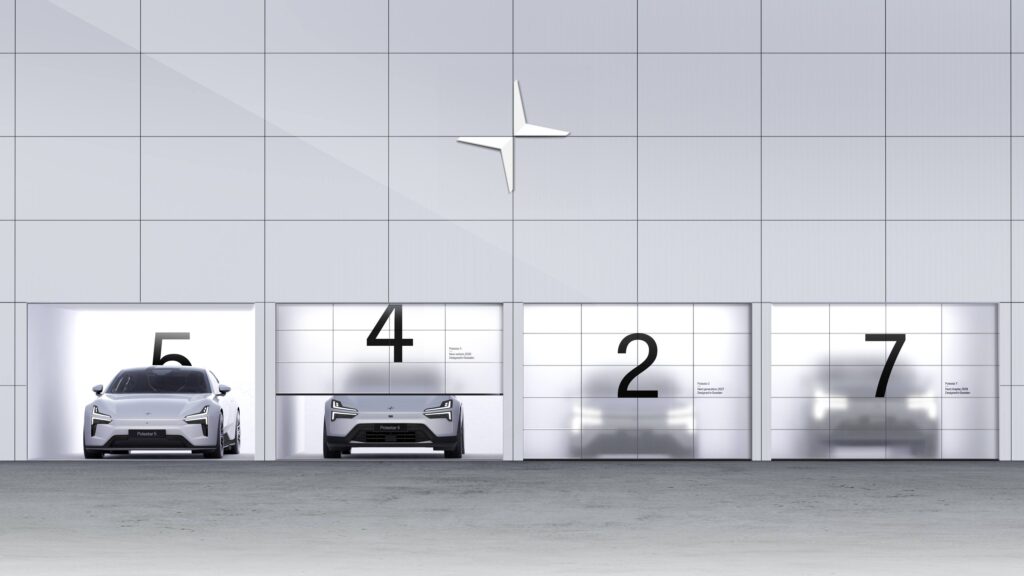
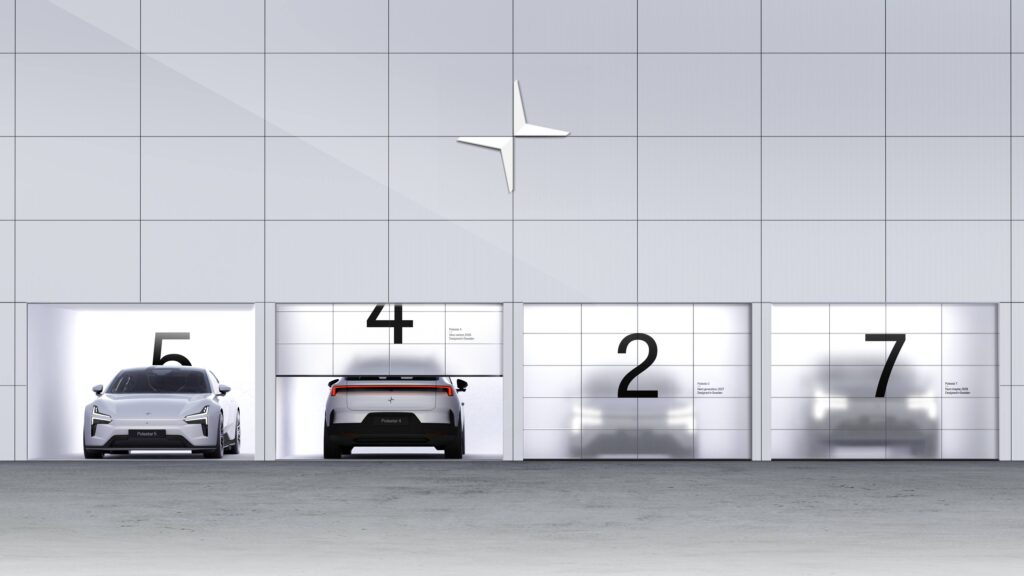
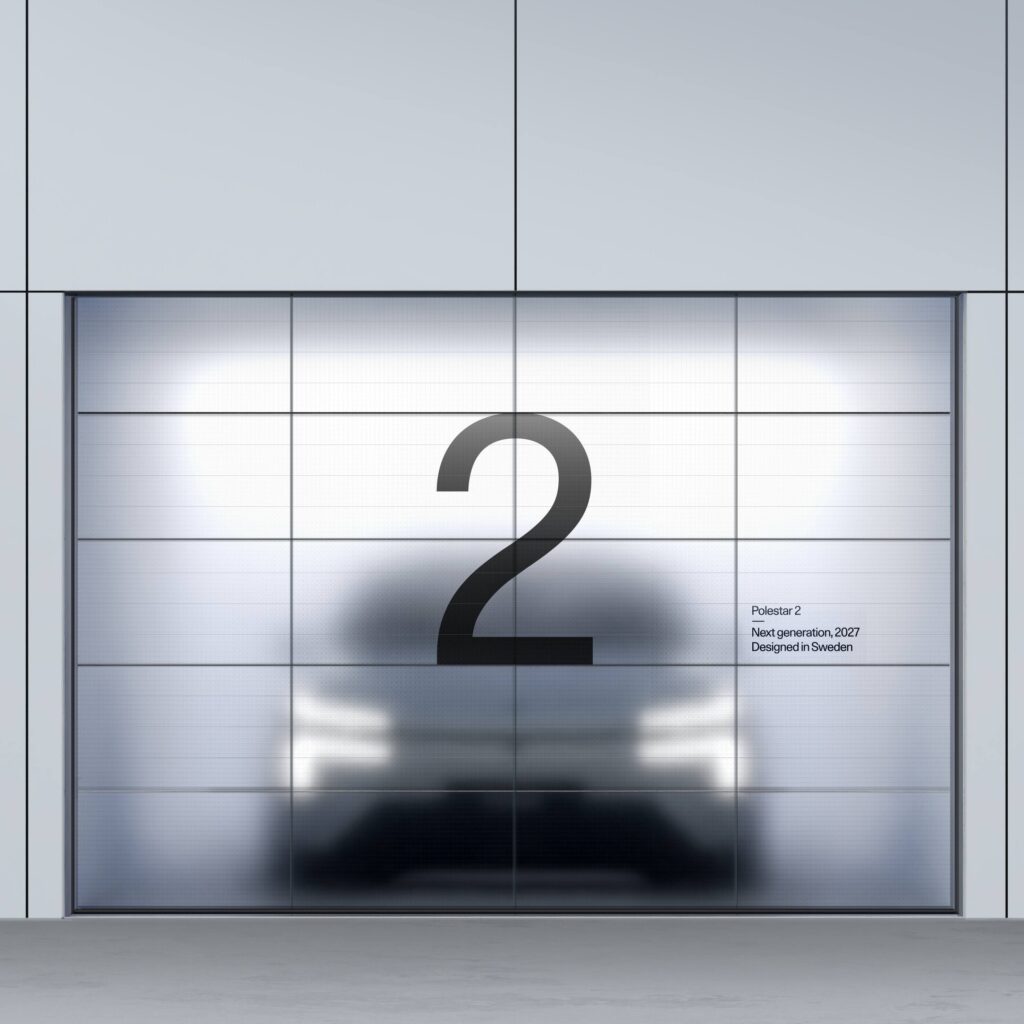
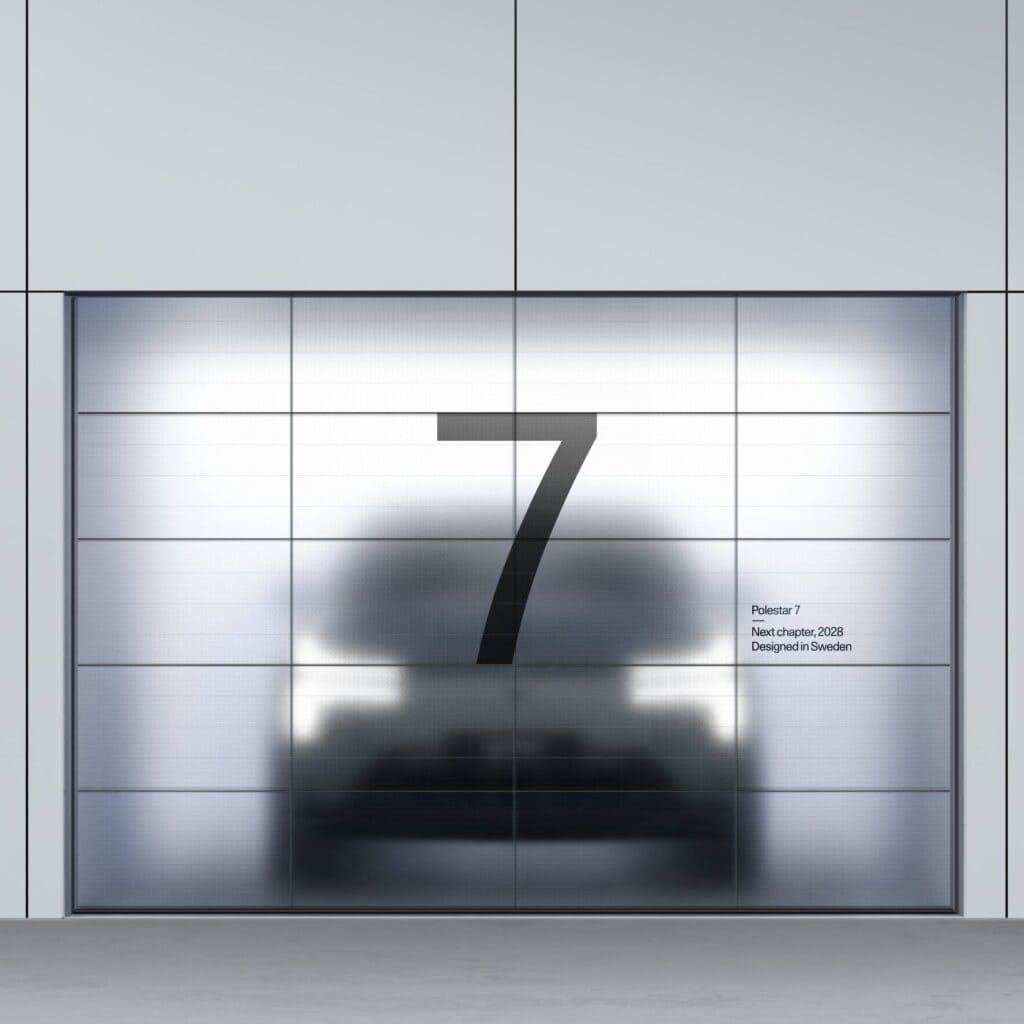
It’s a strong start to Polestar’s four-model rollout. The full lineup will also include the Polestar 5 grand tourer arriving soon, a next-gen Polestar 2 in 2027, and the compact Polestar 7 SUV in 2028. More body styles mean more options for you, which could stabilize resale values and encourage loyalty through charging networks and service. For the average shopper, thoughtful updates like this reduce the risk of EV ownership regrets and make premium EVs feel like a practical choice rather than an experiment.
In the end, if you’re hunting a crossover that looks great, drives engagingly, and handles the rigors of everyday life, the upcoming Polestar 4 looks like one to watch closely. It bridges the gap between stylish and sensible EV ownership.