Queen Elizabeth II’s Land Rover & Range Rover Fleet

Queen Elizabeth II Land Rover fleet brings together British SUVs, royal pageantry, and classic off-road SUVs in a story that still shapes today’s History.
The royal Land Rover garage that still shapes the modern automotive industry
From the Scottish Highlands to Commonwealth tours, Queen Elizabeth II’s Land Rover and Range Rover fleet tells a story that spans the entire auto industry. Long before electric vehicles, EV tax credits, car chip shortage headlines, or chip shortage automotive debates, these royal automobiles quietly did their job: carrying the monarch, the Royal Family, and the weight of history across muddy fields and global stages.

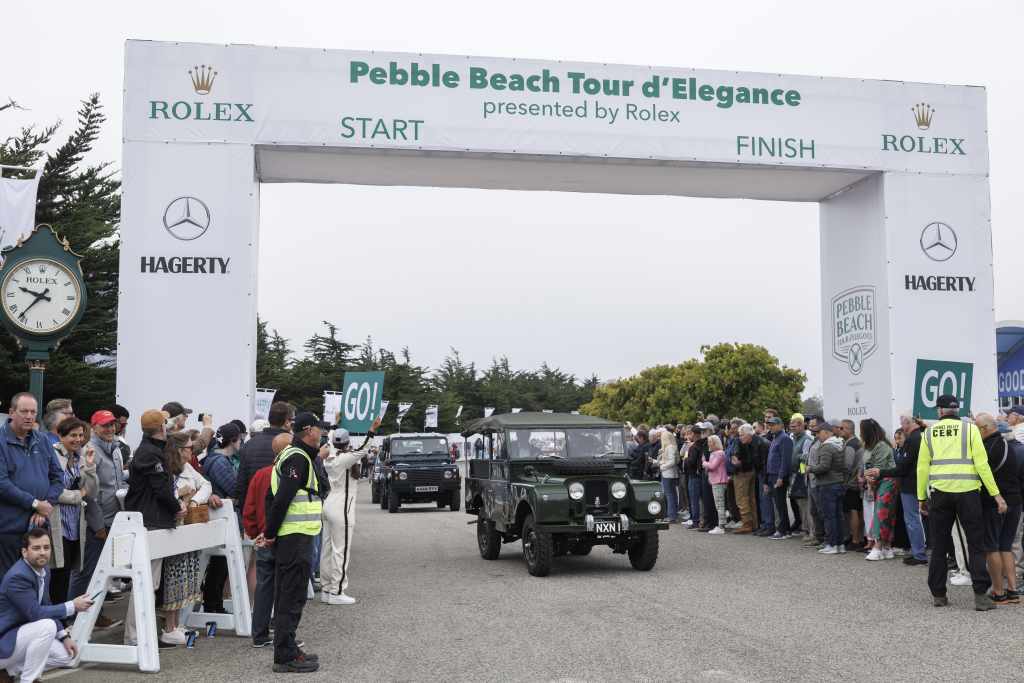
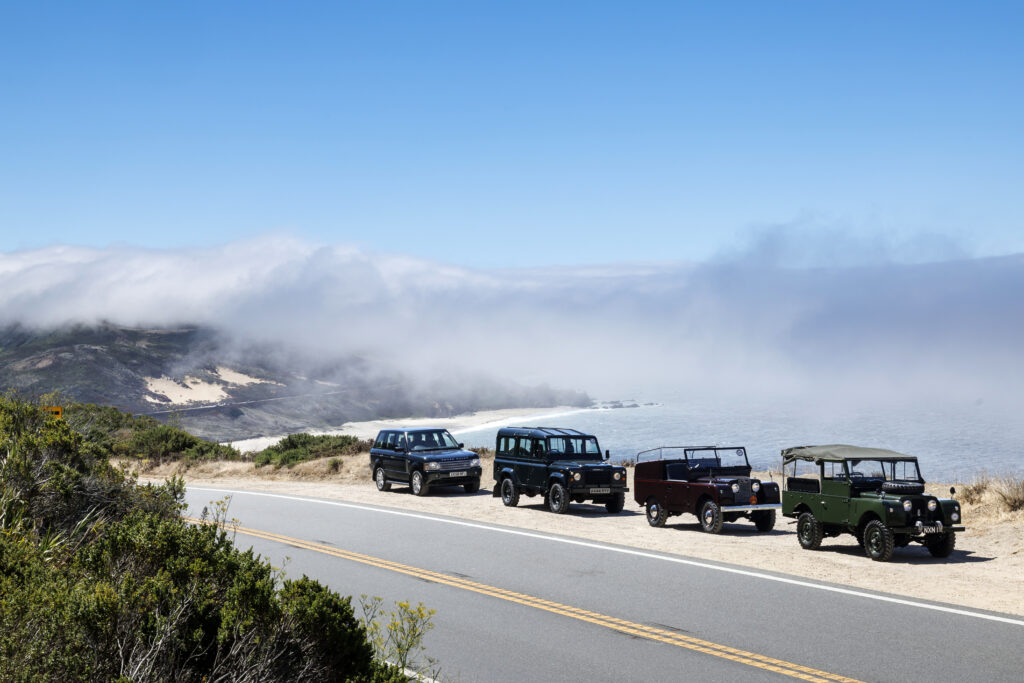
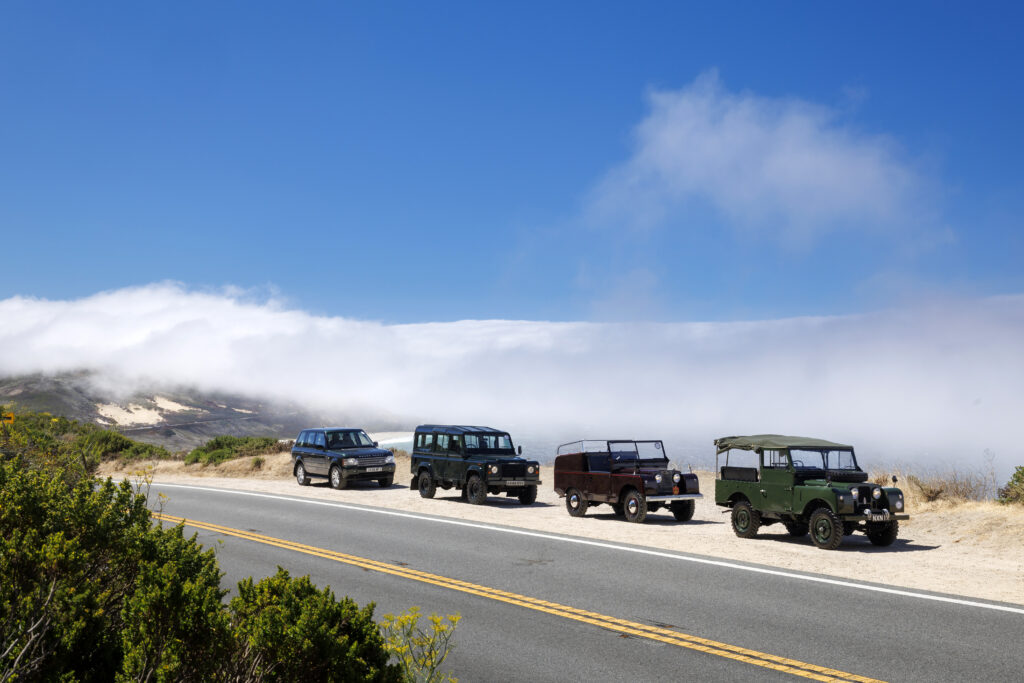
This same royal fleet has now become a traveling museum. Curated displays from Land Rover Classic have appeared at Pebble Beach Concours d’Elegance and at Rockefeller Center in New York, giving the public a chance to see ten of Her Majesty’s most famous Land Rovers and Range Rovers up close, from early Series I workhorses to V8-powered Defenders and state review vehicles based on Range Rover classics.
For modern context on how buyers think about new cars, from safety and tech to ownership friction points, see TestMiles’ recent explainer on consumer deal-breakers: Five Deal-Breakers That Stop You From Buying a New Car. It shows how far the automotive world has come from the days when a Land Rover Series I and a royal warrant were all the credibility anyone needed.
Why does this matter right now?
We live in a moment when the automotive industry is being pulled in several directions at once. The auto industry is chasing electric vehicles, plug-in hybrid tech, SUVs and crossover SUVs, and new business models such as car subscription services, while also wrestling with topics like car chip shortage fallout, auto chip shortage logistics, and chip shortage cars still echoing through production schedules. Even so, the Royal Family’s connection to Land Rover remains a reminder that brand heritage and emotional storytelling still matter just as much as kilowatt-hours and charging curves.
The star of the royal fleet is the Queen’s favorite car: a 2009 Range Rover, registration CK58 NPJ. This was no garage queen. There are countless photographs of Queen Elizabeth II behind the wheel of this luxury SUV at Balmoral, labrador mascot on the bonnet, treating it more like an off-road SUV than a delicate showpiece. In a world now obsessed with German cars, Chinese car exports, and the latest SUV comparison test, the Queen’s choice was refreshingly simple: she drove what worked on her estates and trusted the engineering.
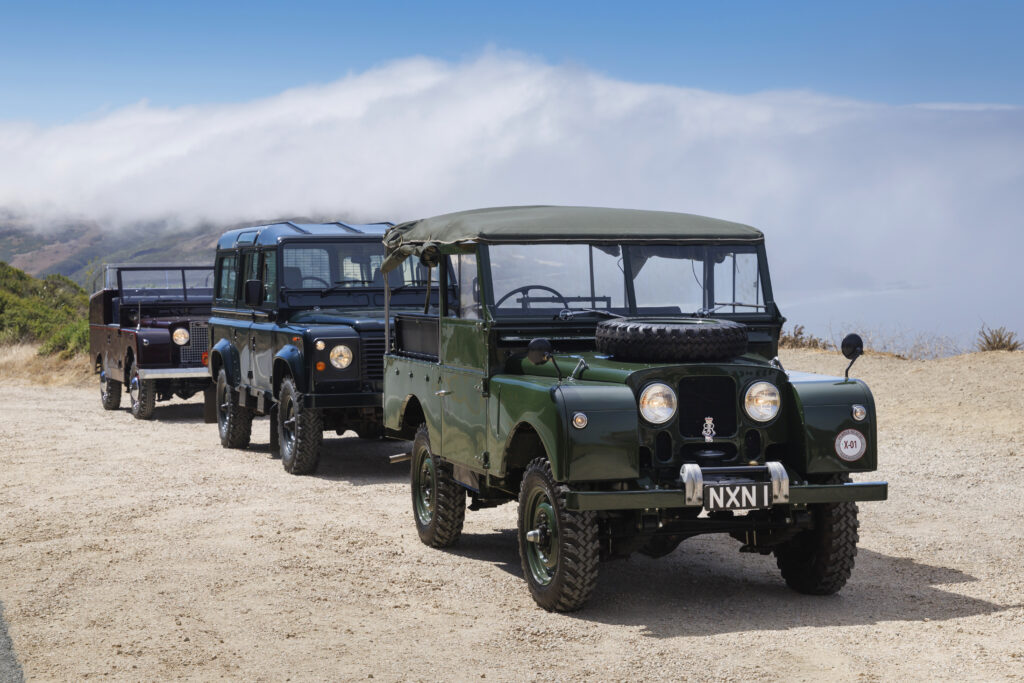
Behind that modern Range Rover stands a deeper story. The 1954 Land Rover Series I State Review vehicle was the first purpose-built ceremonial Land Rover. It carried the Queen and Prince Philip on a six-month Commonwealth tour, complete with a custom rear platform designed for official waves, folding seats, and clever details that let the vehicle blend formality with rugged durability. Another 1954 Land Rover Series I, registration NXN1, originally ordered by King George VI, became a Balmoral staple and was lovingly restored in 2010 by Land Rover apprentices.
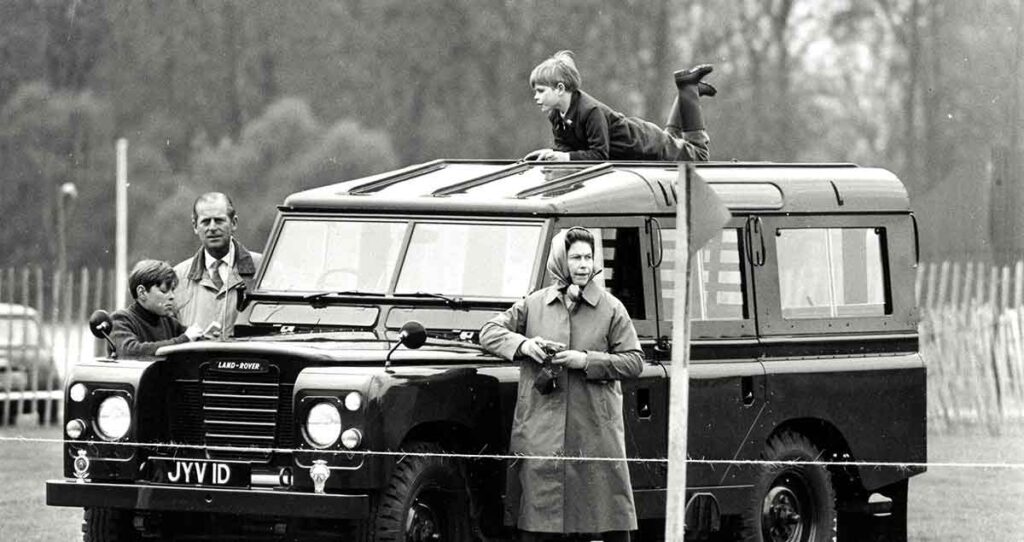
The royal fleet expanded as Land Rover evolved. A 1958 Land Rover Series II State Review vehicle added blue side light lenses that illuminated whenever a member of the Royal Family was on board. By 1966, a Land Rover Series IIa Station Wagon (JYV1D) arrived with a six-cylinder engine, leather seats, a dog guard, and side steps, reflecting how the Queen’s working vehicles were already more “premium” than most contemporary automobiles, even before the word “luxury SUV” entered the marketing dictionary.
For a sense of how today’s adventure-focused 4x4s build on that heritage, compare the royal Land Rovers with a modern Defender in testing like Car and Driver’s recent Defender reviews: https://www.caranddriver.com/land-rover/defender-2026.
When you zoom out, this royal story also sits against a backdrop of global carmakers. General Motors cars, Stellantis cars, and other automobile company groups continue to reshape their lineups in response to regulation, tariffs, and shifting tastes. Even as german car companies, russian car ventures, and oem automotive suppliers such as Delphi Automotive or LS Automotive jockey for supply-chain advantage, Land Rover’s royal connection gives it a kind of soft-power halo that no spreadsheet can replicate.
How does it compare to rivals?
No other manufacturer has a royal relationship like this. Yes, Rolls-Royce and Bentley have their own royal history, and other british cars have appeared in royal garages, but Land Rover and Range Rover have something unique: they serve as both working tools and ceremonial stages. The 1974 Range Rover State Review vehicle, for example, was the first Range Rover to take on that role and served until 2002. Its specially modified rear included foldaway seats, a lectern with concealed umbrellas, and a silenced exhaust so that the V8 didn’t drown out the ceremony.
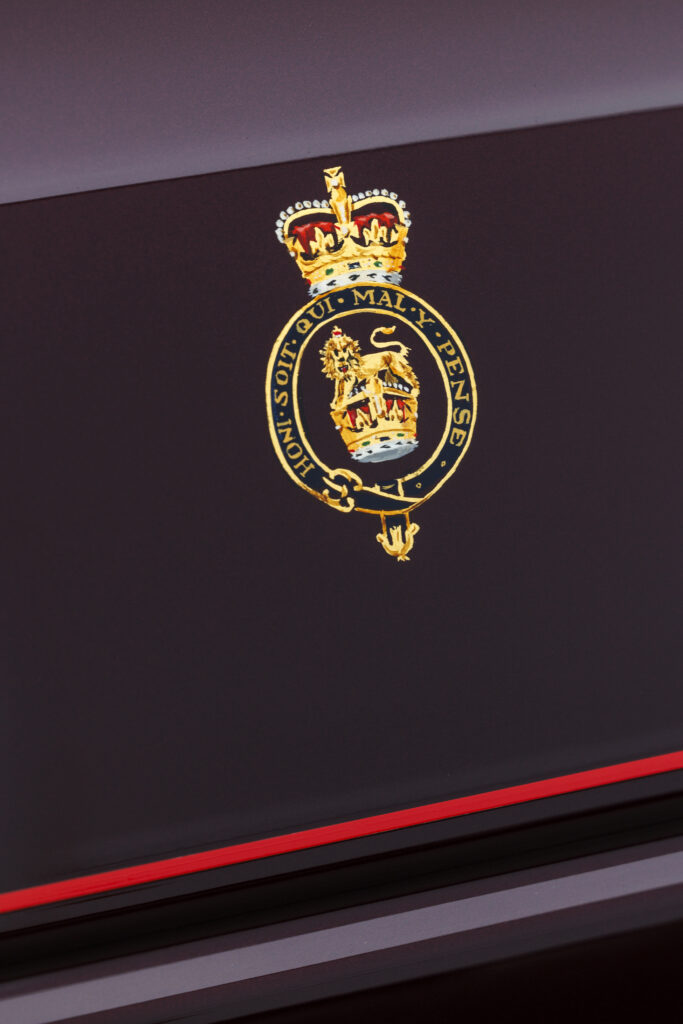
The 1990 Range Rover State Review vehicle reinforced the point. Finished in claret with royal crests, it became famous after being featured on the Queen’s 1994 Christmas card, depicting Her Majesty and Prince Philip attending the 50th Anniversary of the D-Day Landings. Later, the 1996 Range Rover P38 State Review vehicle continued the theme with hand-painted coats of arms, a royal claret finish, and a rear platform with four foldaway seats for more flexible ceremonial use. These are not just cars; they are rolling stages designed by some of the best car designer and coachbuilding minds in Britain.
Rivals simply do not have this level of embedded narrative. While german car brands and german car companies compete for sales in the premium segments, and while Ineos Automotive revives boxy off-road icons for a new generation, Land Rover sits in the unusual position of having literally carried a monarch through eight decades of public life. Chinese car exports may be rewriting the value equation for many buyers, but when it comes to royal visibility, no brand can buy the kind of unpaid “car ads” that come from decades of royal usage.
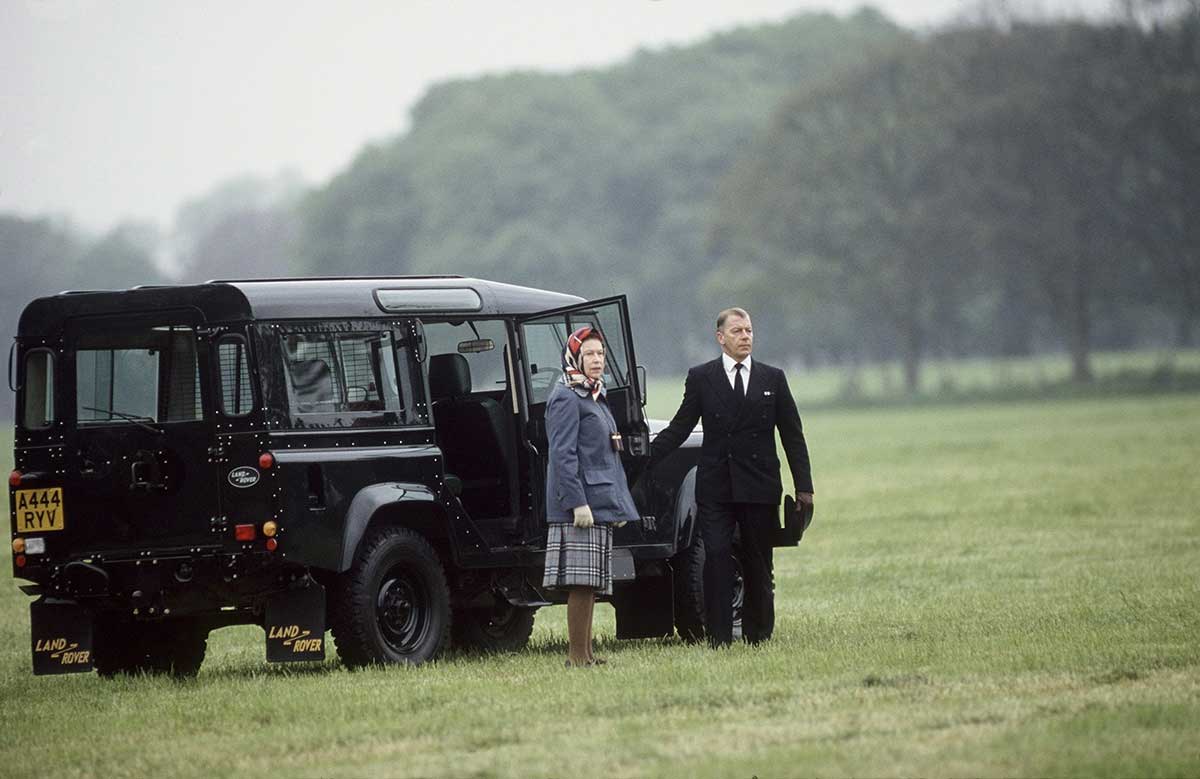
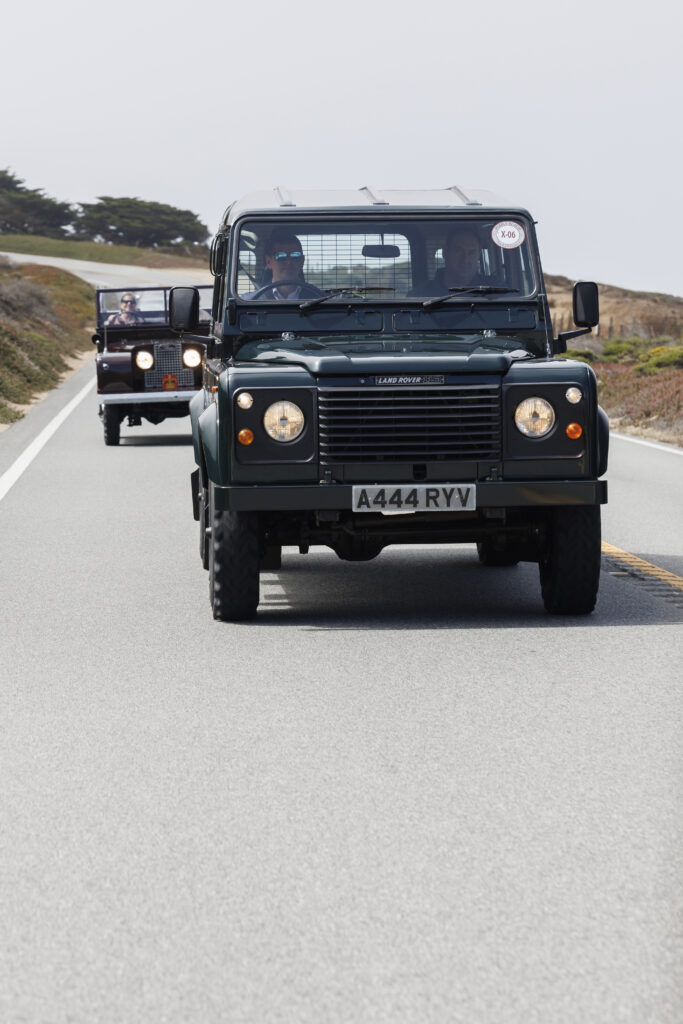
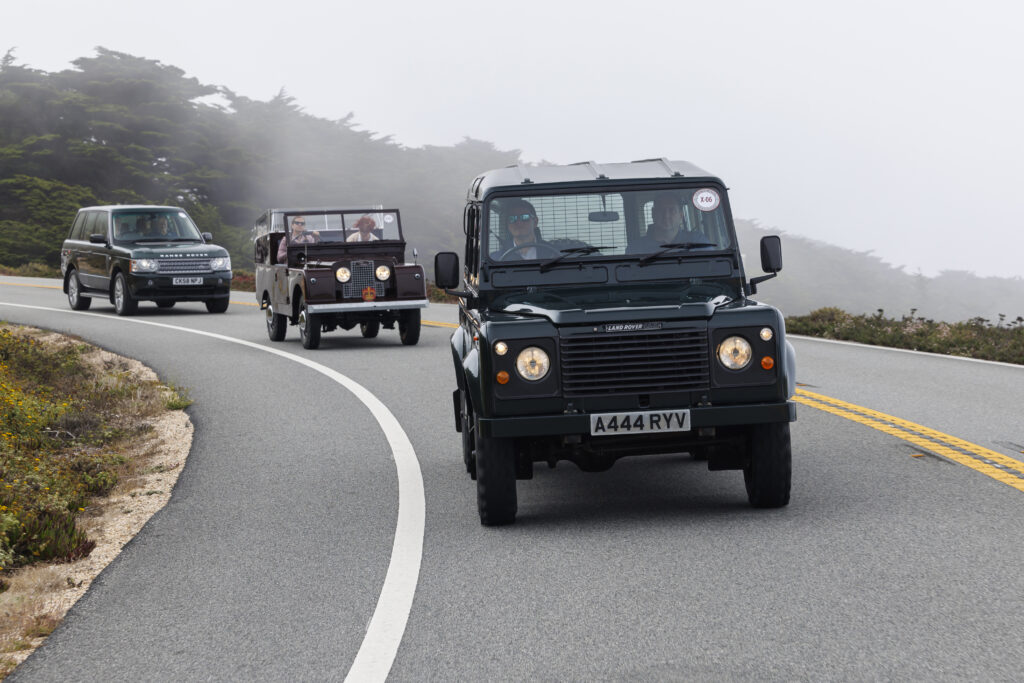
Even the more personal vehicles underline the point. The 1983 Defender 110 V8 (A444RYV) was tailored for the Crown estates, with grab handles, special equipment, and custom leather seats. It was the Queen’s ideal companion for hunting or fishing trips at Balmoral and Sandringham. Today’s off-road SUV shoppers might cross-shop this spirit of utility with plug-in hybrid crossovers or performance SUVs, but none of those has quite the same connection to muddy fields and corgis.
For a sense of how current brands are positioning modern family SUVs with a similar “capable luxury” pitch, look at TestMiles’ coverage of the latest three-row and adventure-focused models: 2027 Kia Telluride LA Auto Show preview, as well as the deep dive on Hyundai’s strategy in the U.S. market: Hyundai’s U.S. Momentum: Five Years Of Growth & A $26B Bet.
Who is this for and who should skip it?
On the face of it, the royal Land Rover story is for royal-watchers, Land Rover enthusiasts, and anyone with a soft spot for classic off-road metal. If you follow outlets like et auto, track every twist in the automotive industry, or obsess over which kn car brand or Stellantis cars are gaining market share, a curated exhibition of ten royal Land Rovers may feel like a pleasant distraction from quarterly results. Likewise, if you normally read up on auto repair, best used cars near me, or auto body shop searches, this is a rare chance to step out of the repair bay and into history.
In practice, though, these vehicles land squarely in the intersection of car culture and national heritage. The exhibition highlights at Rockefeller Center and Pebble Beach have been set up to be accessible even for visitors who could not care less about oem automotive suppliers, LS Automotive, or the details of the latest auto chip shortage. Product specialists explain each vehicle, from the 1954 Land Rover Series I through the 1958 Series II State Review vehicle, the 1966 Series IIa Station Wagon, and the 1974, 1990, 1996, and 2005 Range Rover state vehicles, right up to the 1983 Defender 110 and the 2009 CK58 NPJ Range Rover that the Queen loved to drive herself.
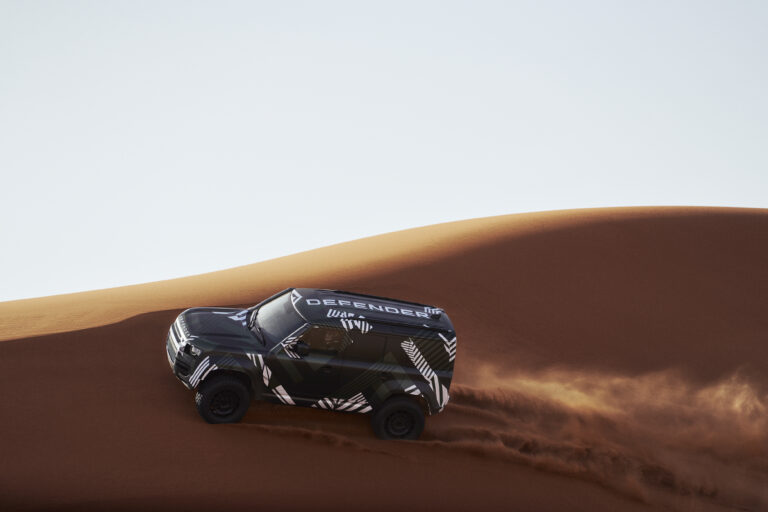
If you are only interested in modern horsepower wars, 0–60 times, or the latest performance SUVs from General Motors cars, Stellantis cars, or other automobile company rivals, a static display might not sound thrilling. You may be more drawn to stories about current Defender Octa Black special editions or other high-output V8 projects. However, for anyone who cares how we got to today’s mix of luxury SUV, off-road SUV, electric vehicles, and hybrid crossovers, seeing the Queen’s fleet in one place is a rare educational moment.
For a broader look at how the industry is evolving for everyday drivers, rather than just royals, TestMiles has been tracking everything from future mobility concepts to the shifting economics of ownership. Recent stories such as Toyota’s Future Mobility Shift: Walking Chair to New Corolla and Surprising car subscriptions you’ll pay for in your new vehicle help connect that royal heritage to what buyers experience in showrooms now.
What is the long-term significance?
The royal Land Rover and Range Rover fleet is more than a collection of old trucks and SUVs. It is a through-line that connects the earliest years of the post-war automotive industry to the current era of electrification, sustainability, and digital services. Land Rover Classic’s careful restoration work, including the 1954 Series I and other historic vehicles, shows how seriously JLR treats its heritage and how it intends to keep using that heritage even as it invests heavily in EV platforms and battery technology.
JLR’s own plans to electrify its brands underscore the point. The company has committed billions to upgrade EV factories and roll out new electric Jaguars and Land Rovers in the coming years, even while revising some of its initial production strategies in response to demand and cost pressures. The royal fleet provides continuity, a reminder that despite chip shortages, shifting regulations, and intense competition from chinese car and german car companies, the brand’s identity is rooted in real-world use and long-term relationships.
In that sense, the Queen’s fleet is also a quiet rebuke to the more disposable parts of car culture. It predates the car shortage 2021 headlines, the obsession with car ads optimized for every platform, and the kaleidoscope of niche segments and SUV sub-segments. These are vehicles that did a job for decades, in public, under scrutiny, with very little margin for error. They were maintained, updated, restored, and then put back into service or into carefully curated displays.
For New York visitors wandering through Rockefeller Center, seeing ten royal Land Rovers lined up on the plaza is a reminder that the story of automobiles is not just about technology, but about trust. For Land Rover and Range Rover, that trust was earned one muddy field, one Commonwealth tour, and one state occasion at a time.
If you want to understand why people still line up for Defenders and Range Rovers even in a market saturated with SUVs, crossovers, and sophisticated car designer creations, you can do worse than start with Her Majesty’s fleet.
For more information, follow @nikjmiles and @testmiles on all social media platforms.