The New S-Class Is Mercedes’ Answer to Tesla’s Hype

Mercedes rebuilt its flagship to be less of a luxury car and more of a rolling operating system, quietly redefining what “future-proof” means.
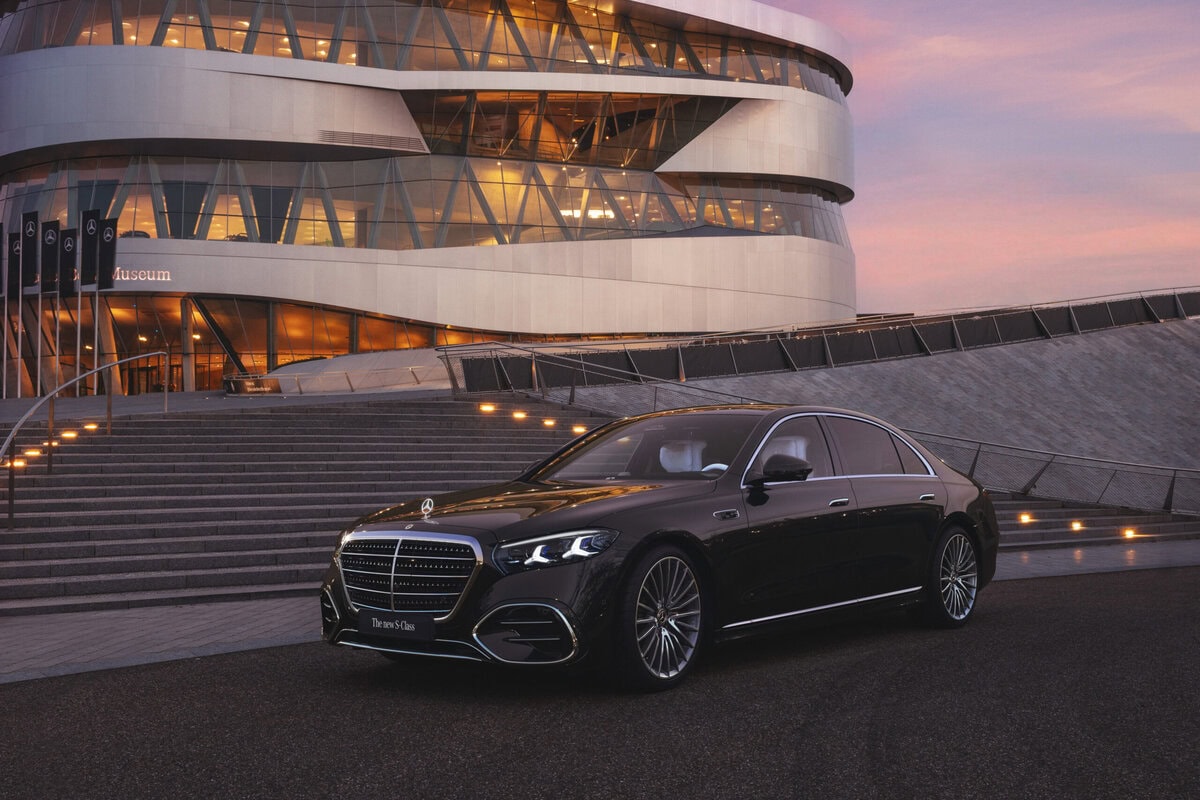
I’m in Stuttgart, Germany, standing next to the most important new car of the year so far: the Mercedes-Benz S-Class. Not because it’s flashy, but because this is where the future shows up first and then quietly trickles down into everything else wearing a star.
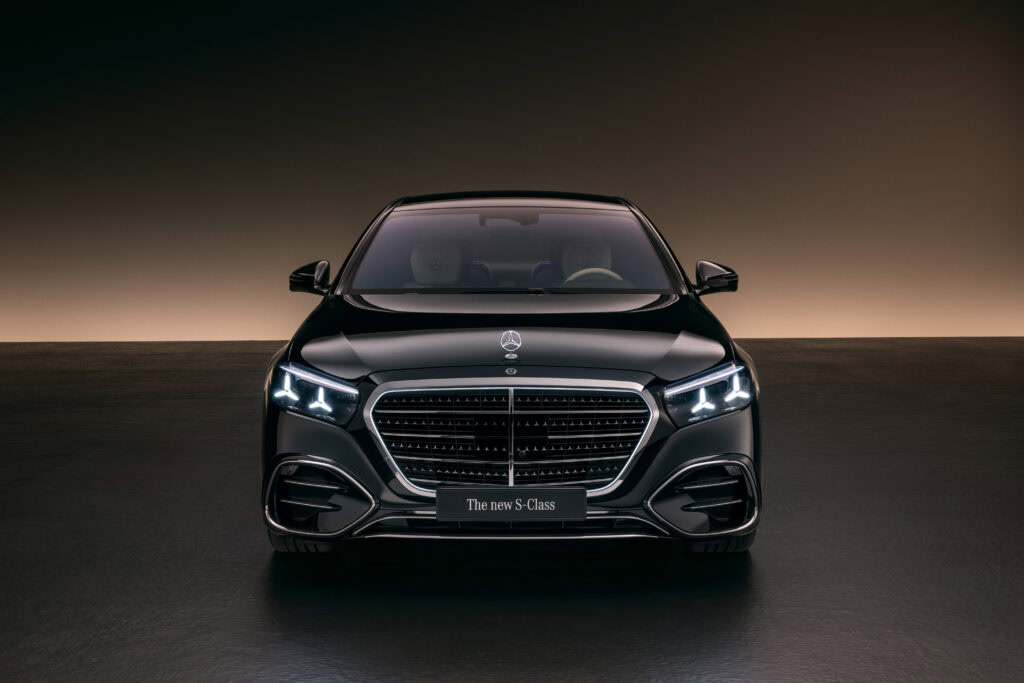
Mercedes says more than half of this car has been re-engineered around 2,700 components which is a ridiculous amount of effort for what most people would casually call a “refresh.” That tells you what Mercedes thinks this model is for: not a fashion change, but a technology platform. If you want a broader read on why this model has always mattered, this recent Test Miles piece is the right primer: Why the Mercedes-Benz S-Class Still Matters.
Why does this matter right now?
Because “luxury” has shifted from materials and badge prestige to workload reduction. The modern premium buyer isn’t hunting for drama; they’re hunting for calm. And the S-Class is built around the idea that the car should do more thinking so you can do less thinking.
The headline change is MB.OS, a vehicle-wide operating system that runs infotainment, suspension, lighting, and driver assistance as one coordinated system. Mercedes frames MB.OS as the foundation for software-defined vehicles across the lineup, and the concept is explained clearly on the Mercedes-Benz Group overview: Mercedes-Benz Operating System (MB.OS).
This is where the S-Class starts to feel like a different philosophy than the “giant screen runs the show” approach. Here, software doesn’t just change what you see and touch it changes how the car rides, steers, and reacts to the road itself.
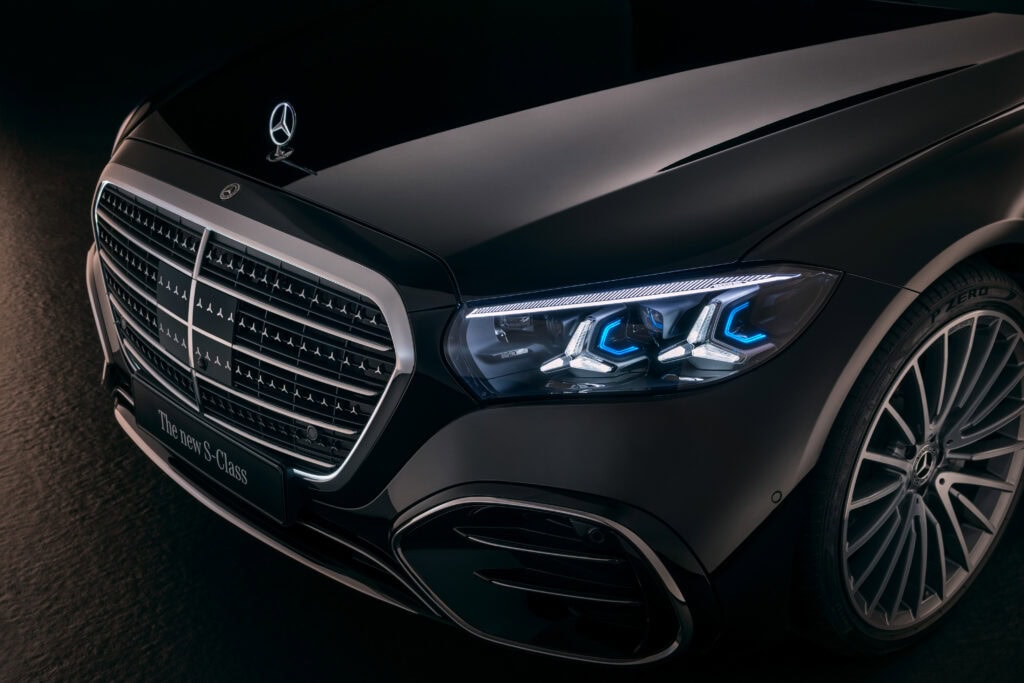
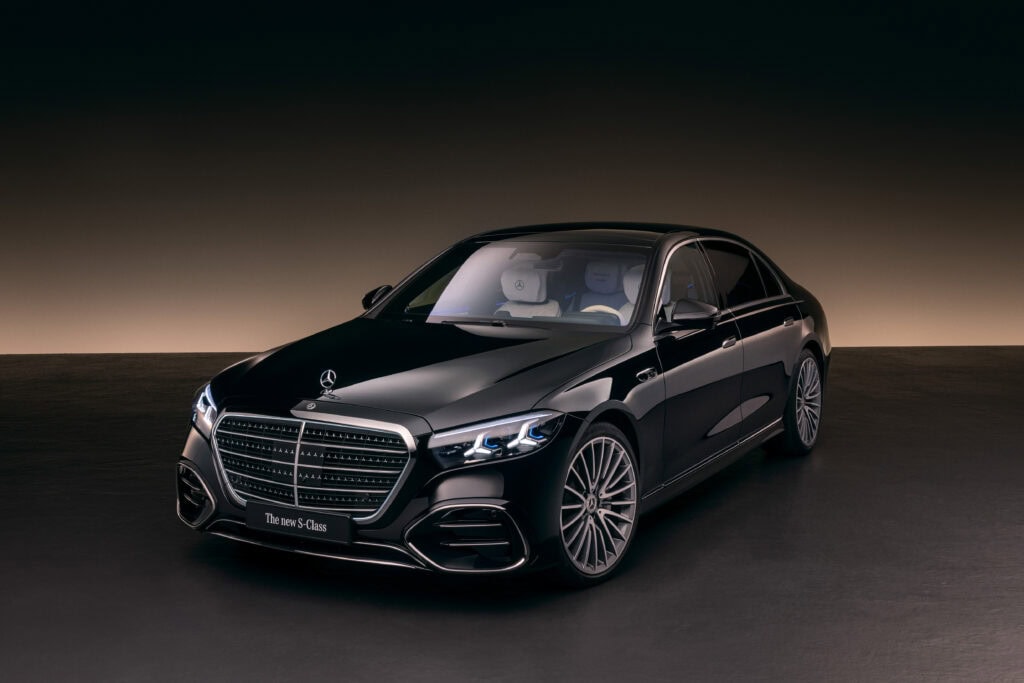
Lighting is a perfect example. These headlights can throw light nearly 2,000 feet down the road while cutting energy use by about 50%. DIGITAL LIGHT uses micro-LEDs to project guidance and warnings onto the pavement, communicating rather than merely illuminating. It’s the same logic behind Mercedes’ broader lighting push, which Test Miles covered recently here: Mercedes-Benz Opens World’s Most Advanced Light Center.
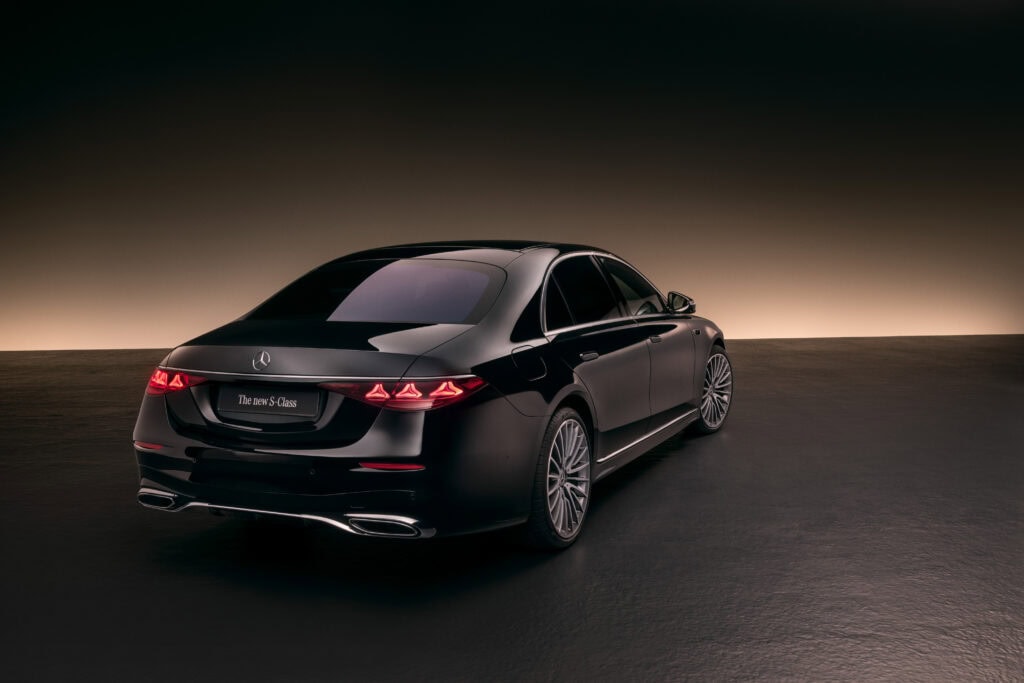
Then there’s rear-wheel steering: standard at 4.5 degrees or optional at 10 degrees, shrinking the turning circle to 35.4 feet. It physically rotates the car at low speeds and stabilizes it at high speeds, less “software magic,” more geometry doing the heavy lifting.
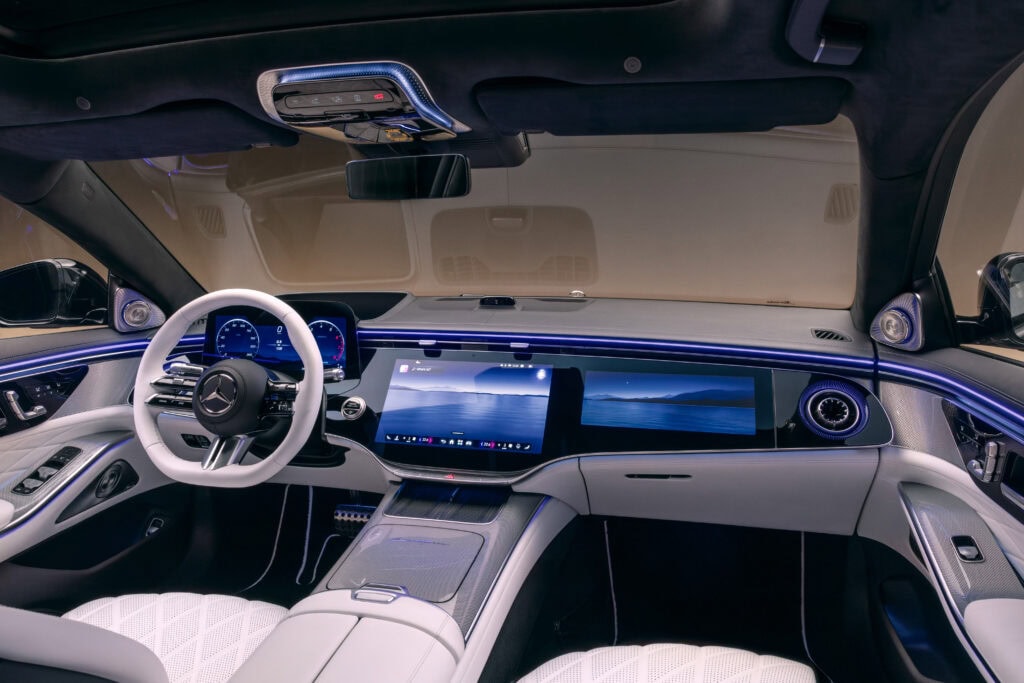
And the suspension behavior is quietly the most telling detail of all: it can read potholes before you hit them using cloud data shared by other cars, storing road information for up to fourteen days so rough patches trigger pre-emptive damping. Tesla reacts; this prepares.
How does it compare to rivals or alternatives?
If Tesla is the brilliant, fast-moving software company that happens to build cars, Mercedes is the systems engineer that decided software should run the entire vehicle—not just the UI. That distinction matters, because it changes what the car can coordinate in real time.
Powertrain choice is another philosophical split. Tesla’s pitch is purity. Mercedes offers choice: you can still buy a V8 with 530 horsepower and 553 lb-ft, hitting 60 in 3.9 seconds—quietly, like it’s slightly embarrassed to be quick. Mercedes also pairs combustion engines with 48-volt mild-hybrid systems to smooth delivery rather than chase headlines, and a plug-in hybrid variant makes 576 horsepower and can run silently when you want.
That “flexibility beats ideology” point is showing up everywhere in the market right now, and it’s worth pairing this S-Class story with what Test Miles just published on hybrids as the grown-up compromise: 2026 Honda Prelude Hybrid: Type R Parts, Real GT.
Inside, Mercedes treats every seat like it matters. Rear passengers get dual 13.1-inch screens and detachable remotes. Those screens support Zoom, Teams, and Webex. This is a mobile boardroom, not a rideshare. Rear seats recline to 43.5 degrees with massage, ventilation, and heating.
Air quality is integrated, too: the cabin refreshes every 90 seconds and filters particles down to PM2.5, tied into climate zones, seat comfort, and memory profiles. This isn’t “a feature,” it’s system thinking.
Safety is similarly comprehensive. Up to 15 airbags are available, including rear airbags and inflatable belt bags. PRE-SAFE Impulse Side can raise the car during a side impact to redirect crash forces, software, and physics working together. Mercedes describes PRE-SAFE Impulse Side behavior in its documentation here: MBUSA PRE-SAFE Impulse Side guide.
On the assistant side, the MBUX assistant is ChatGPT-based and remembers conversational context. Tesla executes commands; Mercedes is aiming for something closer to conversation and continuity. Mercedes’ broader ChatGPT integration is outlined here: Mercedes-Benz takes in-car voice control to a new level with ChatGPT.
Navigation uses Google Maps with real-time 3D traffic visualization, blended with sensors and augmented reality to reduce mental workload. If you want the cleanest reference to Google’s own traffic/layers behavior, it’s documented here: Google Maps layers and traffic.
Who is this for and who should skip it?
This S-Class is for the person who likes technology but doesn’t want to babysit it. It’s for people who rack up serious miles, who value fatigue reduction, and who want the cabin to feel like a calm, predictable space whether they’re driving or being driven.
It’s also for anyone slightly tired of “innovation” meaning “we removed buttons and added friction.” The S-Class is trying to be advanced without making you negotiate with it.
Skip it if you want the simplest possible relationship with a car, one interface, one philosophy, one way of doing things, and you enjoy living inside that ecosystem. Skip it if your main priority is novelty-per-dollar. This car is not built to feel like a gadget. It’s built to feel finished.
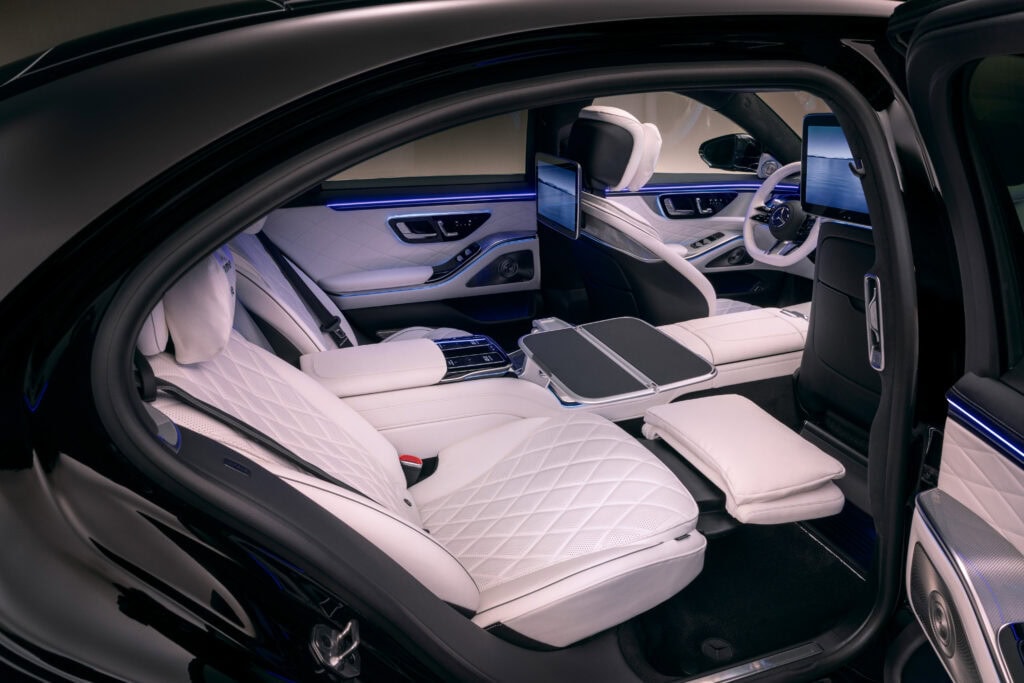
And if your daily life is mostly short hops and you rarely use the rear seats, you’ll be paying for engineering you won’t exploit. The S-Class makes the most sense when the car is doing a lot of life with you: commuting, traveling, working, carrying people, smoothing chaos. For a very different vehicle that argues the same “calm wins” thesis, Test Miles made the case recently here: 2026 Honda Pilot review: the calm family SUV.
What is the long-term significance?
The S-Class has always been Mercedes’ proof-of-concept machine. The long-term significance of this refresh is that it treats software as the foundation of the vehicle, not an add-on feature. MB.OS running across infotainment, chassis systems, lighting, and driver assistance is where the industry is heading.
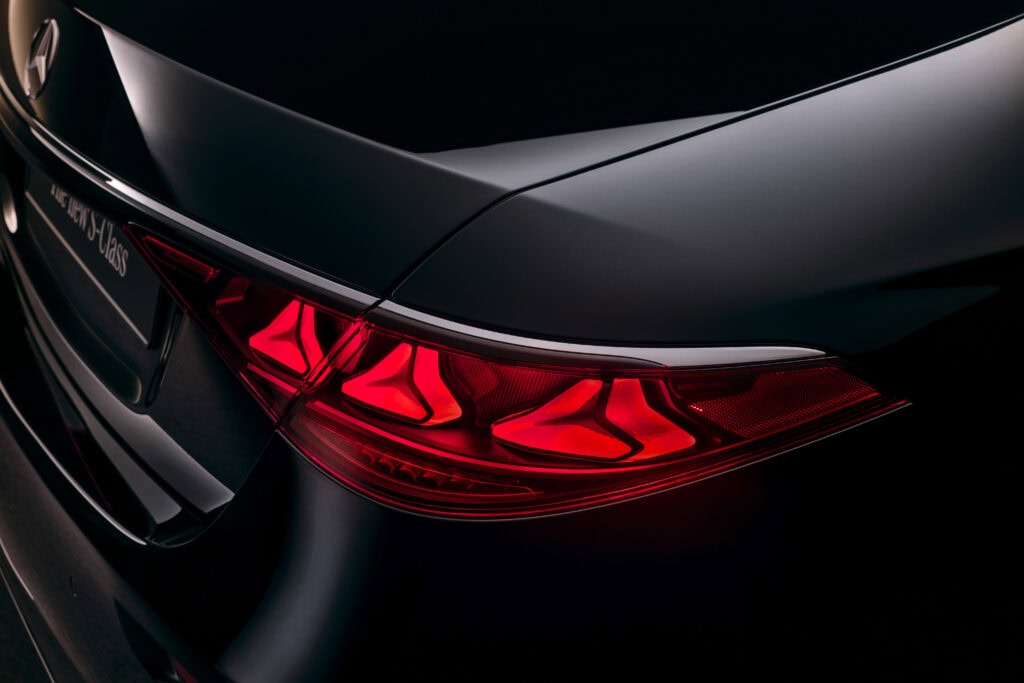
Lighting that communicates. Suspension that prepares rather than reacts. Rear steering that changes the character of a long car in a tight city. Cabin systems that integrate air quality, comfort, and memory profiles. A voice assistant that holds context instead of just executing commands. This is the blueprint.
And there’s a bigger point hiding inside all of this: the car industry is quietly turning into a software-and-systems business. If you want a recent Test Miles example of how dramatically that shift is changing what “car companies” even prioritize, this one is worth reading: Tesla Ditches Model S and X for Robots: Are Car Companies Becoming Robot Giants?.
Tesla can feel fast, clever, and young. The S-Class feels finished. And that’s why this flagship can make Tesla feel like a beta test with good Wi-Fi.