Trump State of the Union Gas Price Claim: What It Means for Car Buyers in 2026

President Trump spotlighted lower gasoline prices in his State of the Union address last night. He stated that most states are seeing prices below $2.30 a gallon, with some spots at $1.99 and even $1.85 during a recent trip to Iowa.
According to AAA data as of February 25, 2026, the national average for regular unleaded sits at $2.975. That’s down from $3.14 a year ago, though not quite as low as the speech suggested for widespread figures.
This drop offers timely relief for drivers facing spring plans, longer commutes, and family road trips. Cheaper fuel eases budget pressure and makes gas-powered vehicles feel more practical again.
You may also enjoy this: Supreme Court Kills Tariffs… So Why Aren’t Cars Cheaper?
Why does this matter right now?
Pump prices dropping, even a little, changes the cost of everyday driving. The national average of $2.975 means a typical 15-gallon fill-up is about $44.60. That’s roughly $2.25 less than a year ago when averages hovered near $3.14. For a family filling up weekly, those savings add up to around $9 to $12 a month. It might cover an extra coffee run or help stretch the grocery budget. It’s a small difference that adds up quickly.
Trump’s mention of sub-$2.30 prices in most states doesn’t match current statewide averages, but it’s true in a few places. Oklahoma dips near there, for example, but many states sit closer to $3 or even higher in coastal areas. Still, the downward trend from late 2025 holds true. Individual stations in the Midwest and South frequently post $2.50 or below, making longer drives less of a hit on your wallet.
Spring break and warmer weather are on the horizon, so more people are mapping out vacations. Knowing fuel won’t dominate their travel cost lets families pack the SUV confidently for a week away. Refineries will soon switch to summer-blend gasoline, which can push prices up temporarily, but the positive trend should hold. Inventories look healthy enough to keep things steady for the near term.
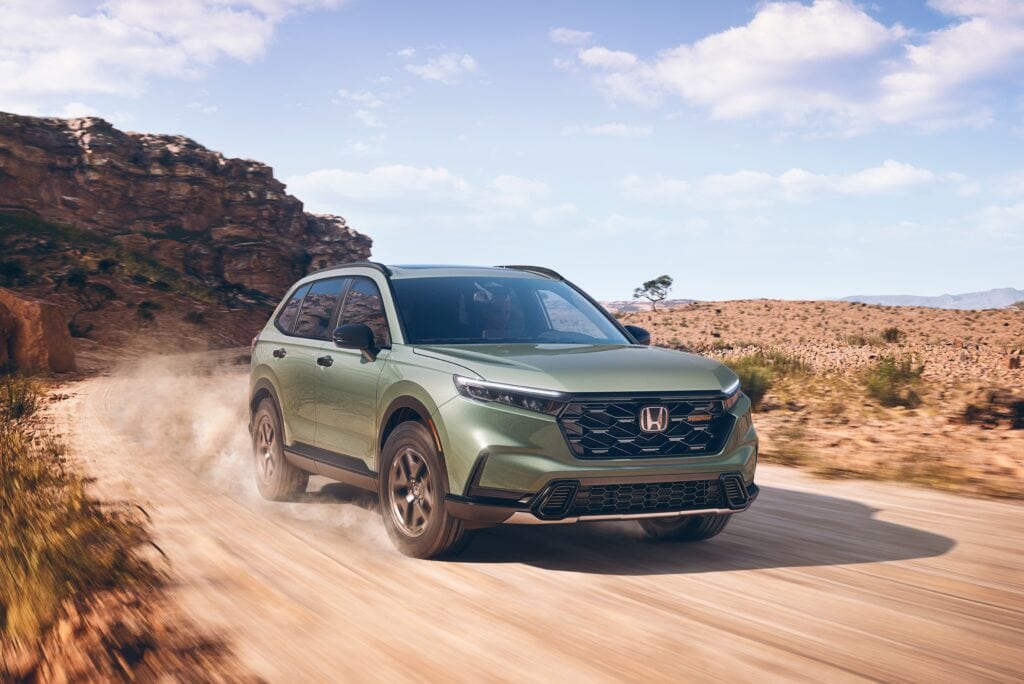
Drivers who put off upgrading their rides last year might now feel ready to shop. Lower gas prices open the door to considering vehicles with more room and more power without heavy fuel penalties.
You may also enjoy this: 2026 Mazda CX-50: Luxury Features for Family Car Money
How does it compare to rivals or alternatives?
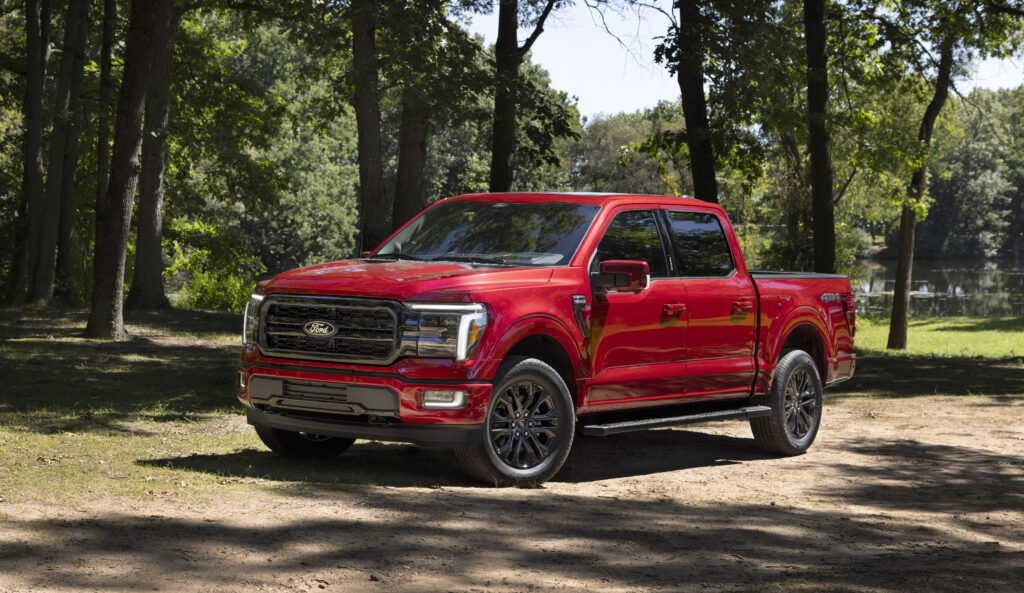
Lower gas prices narrow the gap between traditional gas vehicles and more efficient options. A full-size pickup like the Ford F-150 with a standard V6 often gets around 20 mpg combined in mixed driving. A hybrid version of the same truck pushes closer to 23 mpg. At $2.975 gas, the annual fuel cost difference for 15,000 miles drops to about $290 versus about $340 when prices topped $3.50.
If your drives lean toward open roads for work trips or family outings, the gas model often wins on upfront cost and resale strength right now. Full EVs remove fuel costs entirely, but they carry higher sticker prices and require planning for long trips around charging stops.
With cheaper gas, that 500-mile vacation drive is more affordable and easier than ever. No hunting for fast chargers or adding hours to charge means less hassle for parents juggling kids and schedules. Many shoppers lean toward gas or hybrids for that reason. It keeps things straightforward when road trips are a big part of family life.
You may also enjoy this: A. Toyota Finally Built an EV That Feels Normal (2026 C-HR Review)
Who is this for and who should skip it?
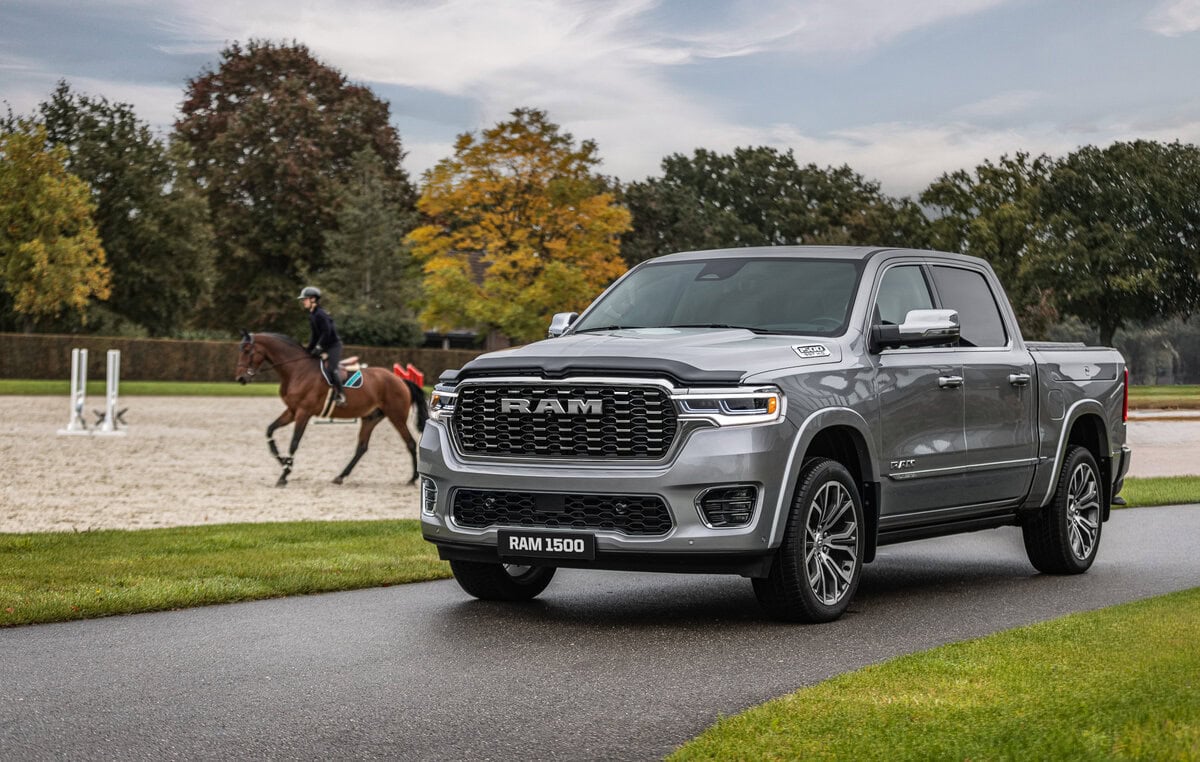
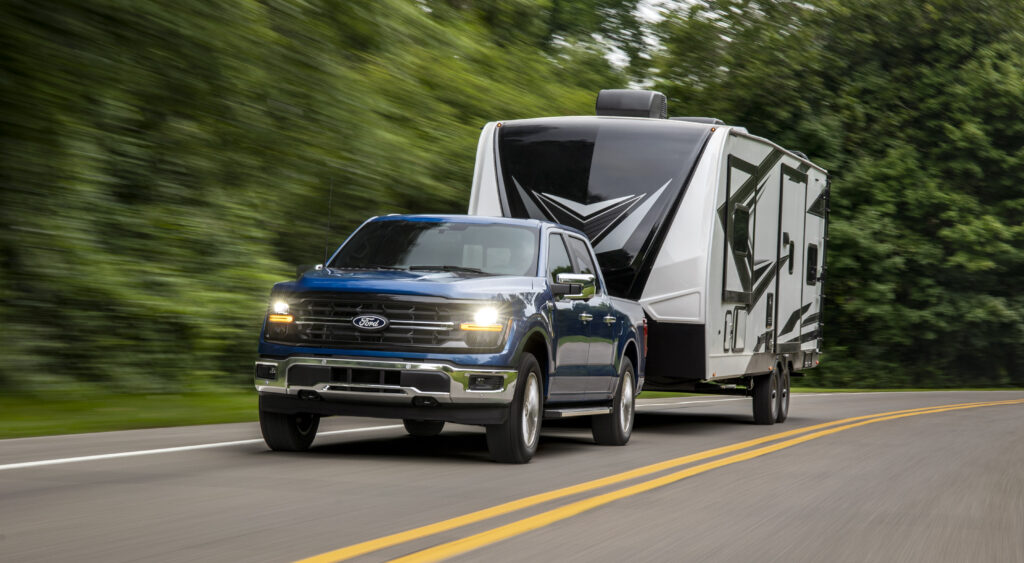
Lower fuel costs suit drivers who pile on highway miles regularly. Long-haul commuters, regional salespeople, or families hitting the road for vacations multiple times a year fit the bill. A truck like the Ram 1500 or Chevy Silverado becomes more appealing now. You can tow a trailer or load weekend gear without constant worry over gas prices.
It’s ideal for anyone wanting easy ownership without battery concerns or charger availability. Rural routes and areas with limited public charging also make gas vehicles the reliable pick. Skip the pure gas focus if your routine sticks to short urban trips under 20 miles round-trip most days. Hybrids or plug-ins excel in these situations.
City residents who rarely leave town might also see minimal change from cheaper gas. An EV’s quiet ride and instant torque often outweigh small savings at the pump for them. People with home solar or free workplace charging already keep costs near zero. Gas price drops matter less when electricity handles the bulk of their driving.
You may also enjoy this: 2026 Mazda CX-50: Luxury Features for Family Car Money
What is the long-term significance?
Cheaper gas could steer buyer preferences toward vehicles that deliver capability and comfort over maximum efficiency. Truck and large SUV demand is already strong. Low gas prices will only make it stronger.
This might temper the rush to full electrification among everyday drivers. Battery costs need to fall more or charging needs to become effortless before mainstream adoption accelerates. For shoppers, it keeps more options on the table longer. Gas models hold resale value better while fuel stays reasonable, giving flexibility based on real needs.
A family driving 18,000 miles yearly could pocket $600 to $800 in annual savings compared to higher-price periods. That’s enough for a weekend getaway or minor home fixes. However, if prices rise again with summer demand or global shifts, these benefits could fade. The market rewards practical decisions over chasing the lowest possible fuel bill. It lets people choose what fits family errands, weekend adventures, or daily routines without overthinking mpg figures.
You may also enjoy this: Polestar 4 Gets Rear Window and More Space in Big Update
Lower gas prices aren’t flipping the script completely, but they do strengthen the case for gas-powered choices in plenty of real driving situations. If you’re eyeing a new ride soon, plug in your typical miles and see how the math shakes out. It could nudge you toward the vehicle you enjoy rather than the one that just promises the best fuel economy on a window sticker.