Why the Mercedes-Benz S-Class Still Matters

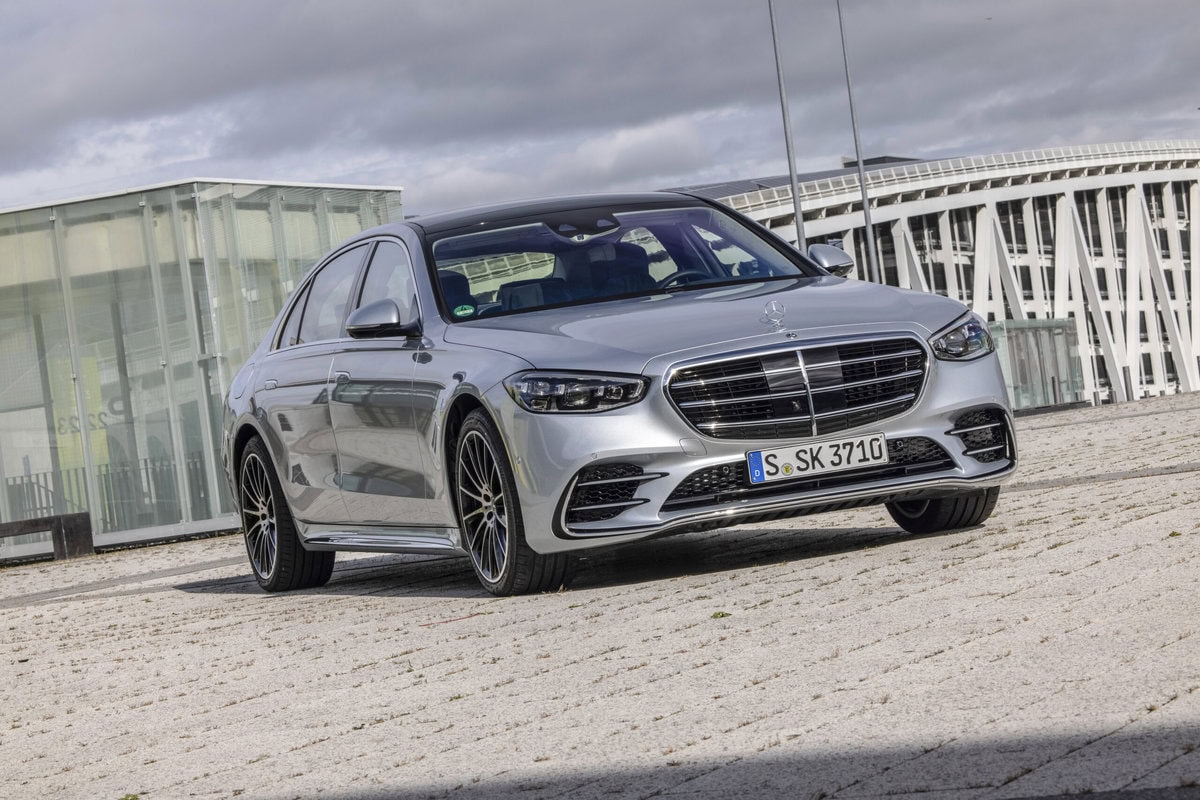
The Mercedes-Benz S-Class didn’t just evolve with the times. It often dragged the entire industry forward, turning engineering firsts into everyday expectations and becoming a car that signals you’ve truly arrived. From its post-war roots to its role shaping modern luxury, this sedan’s story explains why it endures when others fade.
In 2026, as SUVs and crossovers dominate sales, the S-Class stands as proof that thoughtful design and relentless innovation matter. This car has always been more than simple transportation. Since its emergence from post-war Germany, it’s been a symbol of excellence showcasing precision engineering.
The story starts in the fifties with models like the W180 Ponton, introduced in 1954, which brought self-supporting body structures for better rigidity and safety. Then came the W111 Fintail in 1959, where Mercedes fully implemented crumple zones that absorbed crash energy instead of letting it crush the passenger compartment. These early models weren’t just tough. They offered smooth rides and spacious interiors that appealed to families rebuilding after the war.
You may also enjoy this: Mattel Brick Shop Redefines Dream Car Ownership
Why does this matter right now?
The S-Class name made its debut when the W116 launched in 1972. The model later debuted anti-lock brakes in 1978, then, in 1981, seatbelt pretensioners and the first production driver airbag. The S-Class also introduced supplemental restraint systems, setting a new bar for occupant safety. Later generations brought ESP stability control, systems that braced the car before a crash by tightening belts and closing windows, and night vision that spotted hazards in the dark using infrared cameras.
These features weren’t gimmicks. They forced the entire industry to follow, with governments writing rules around what Mercedes pioneered, and competitors scrambling to catch-up. Think about how ABS and airbags are now standard safety features. The S-Class made that happen.
Beyond its tech, the S-Class also became synonymous with success. Presidents like John F. Kennedy rode in customized versions during key visits, such as his 1963 trip to West Berlin, symbolizing alliance and strength. Chancellors and popes trusted armored S-Guard models for protection. Rock stars like Elvis Presley owned them, and actors roll up in them to premieres. Films use them to signal power and success, from villains to heros.
The car’s quiet authority, massive rear space, and unflappable ride made it the go-to for anyone who wanted comfort without compromise. In a world where status often means flash, the S-Class proved subtlety could carry more weight. Its history reminds buyers today that true luxury endures because it solves real problems, from long highway slogs to family hauls, with grace and durability.
You may also enjoy this: Honda’s Next Move: Hybrids, EVs, and Supply
How does it compare to rivals or alternatives?
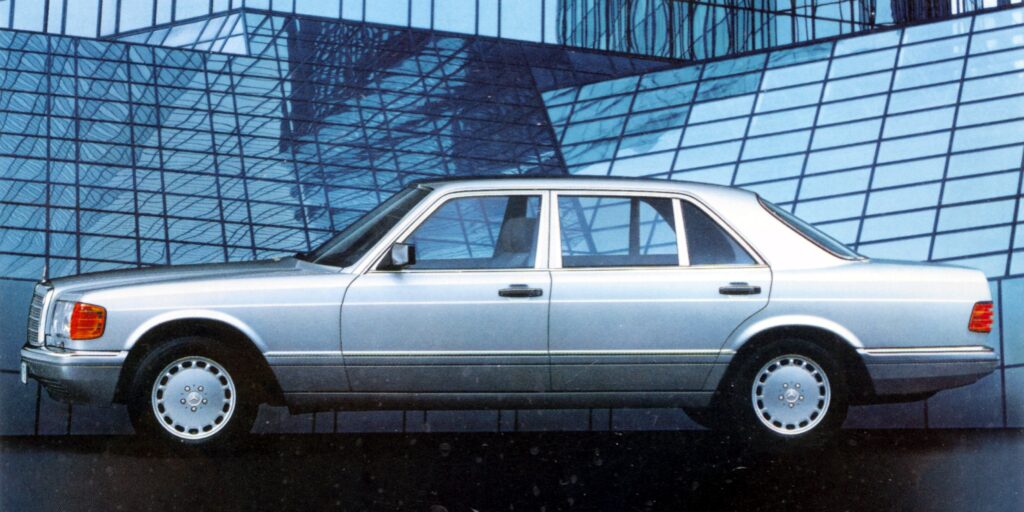
The S-Class has long been the yardstick others chase, dominating the overall experience. In the eighties, the BMW 7 Series offered sharper steering and a more driver-centric feel, while the Audi A8 pioneered lightweight aluminum construction. Yet Mercedes held the crown for its ride quality, with suspension systems that erased road imperfections and cabins so hushed they felt like libraries on wheels. The W126 generation, with its overbuilt solidity, is still a collector favorite because it aged better than most houses, thanks to corrosion-resistant materials and precise assembly that rivals couldn’t always replicate.
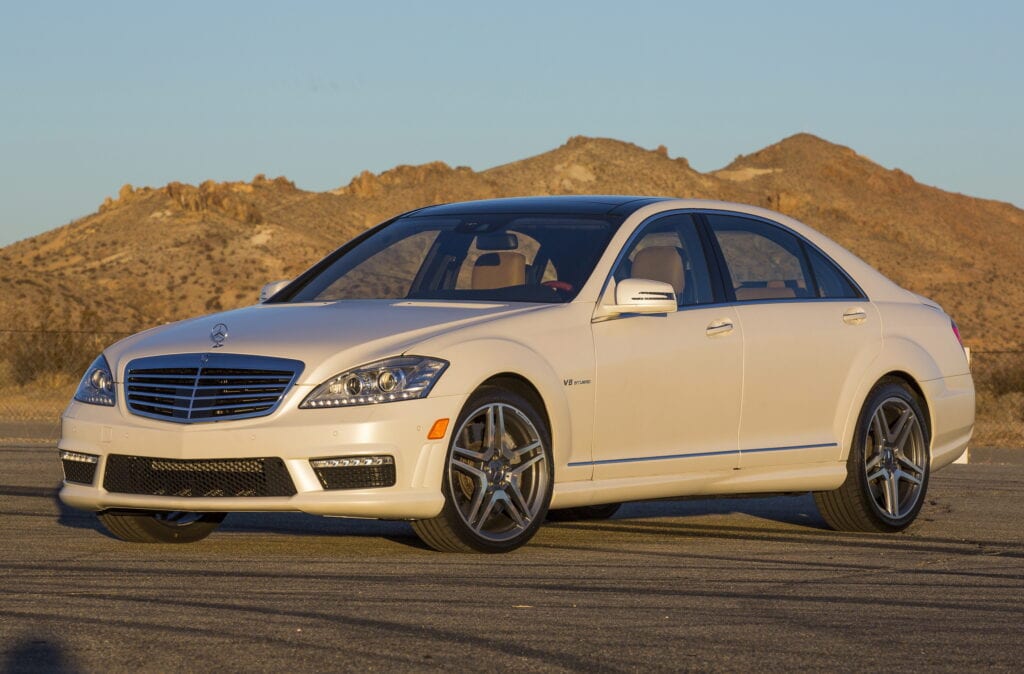
Those rivals pushed boundaries too. The 7 Series chased performance with powerful engines and agile handling, the A8 leaned into tech interfaces like early multifunction displays, and later electric sedans like the Lucid Air and BMW i7 delivered silent acceleration without a drop of gas. But few match the S-Class blend of serenity, rear-seat luxury, and materials that wear gracefully over high miles.
Its interiors use leather and wood that improve with time, seats that adjust in dozens of ways to kill fatigue, and climate systems that actually keep everyone comfortable, even in extreme weather. For instance, the W140’s double-pane windows reduced noise so effectively that conversations stayed clear at highway speeds, a feature rivals adopted years later.
Even when competitors matched individual features, like adaptive cruise or stability control, the S-Class often introduced them first and quickly refined them to make them better. That pattern built a reputation for thoughtful execution over headline-grabbing specs. Buyers who value composure on long drives, quiet confidence, and space find the S-Class hard to beat. It’s not about being the fastest or most expensive. It’s about arriving refreshed after a day on the road, something alternatives sometimes sacrifice for other priorities.
You may also enjoy this: Maserati Drives $200,000 Supercars on St. Moritz Ice to Prove a Point
Who is this for and who should skip it?
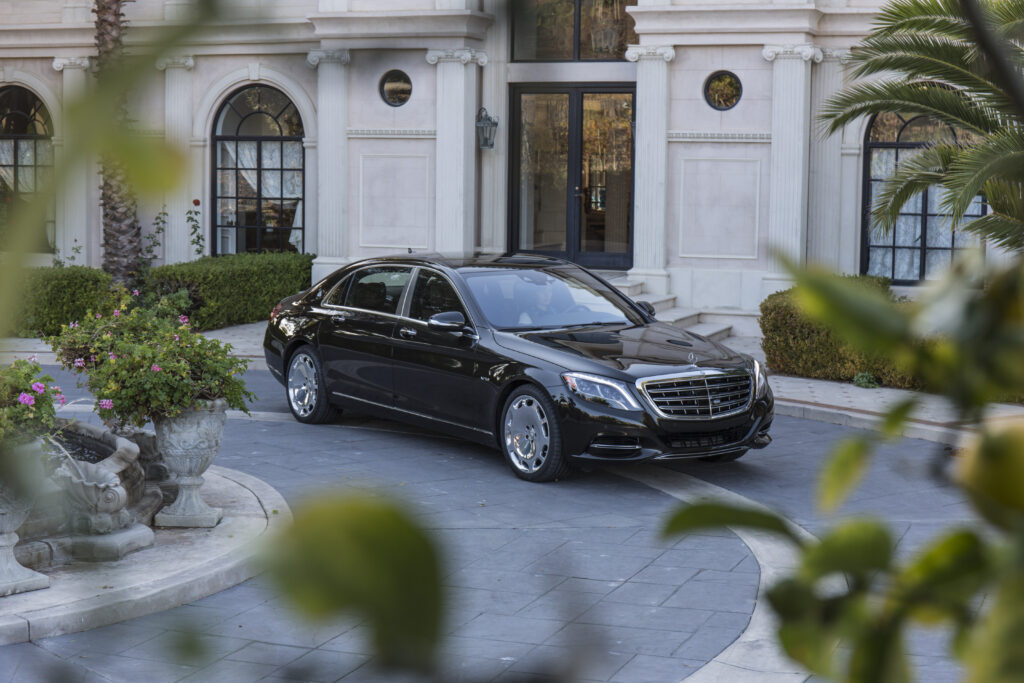
This car fits the person who prioritizes a sense of calm combined with precise engineering. If you rack up highway miles for work or family trips, if the back seat sees as much use as the front, or if you want a sedan that makes even long drives something to look forward to, then the S-Class delivers. Rear legroom accommodates tall passengers comfortably, seats pamper with heating, ventilation, and massage functions, and the trunk swallows luggage without complaint.
Executives and frequent travelers who value the fatigue-reducing comfort, the intuitive controls that don’t distract, and the sense of isolation that turns commutes into productive time will appreciate the S-Class. It’s for those who see luxury as a tool for better living, not just showing off.
Skip it if you need the elevated seating position of an SUV for easier entry or better visibility in traffic, or if you crave raw acceleration and sporty handling above all else. The S-Class isn’t for everyone. It excels at being the most refined, most reliable way to cover distance in comfort, but it doesn’t pretend to conquer off-road trails or scream performance.
You may also enjoy this: 2026 Rolex 24 at Daytona: How the Penske Porsche #7 Won
What is the long-term significance?
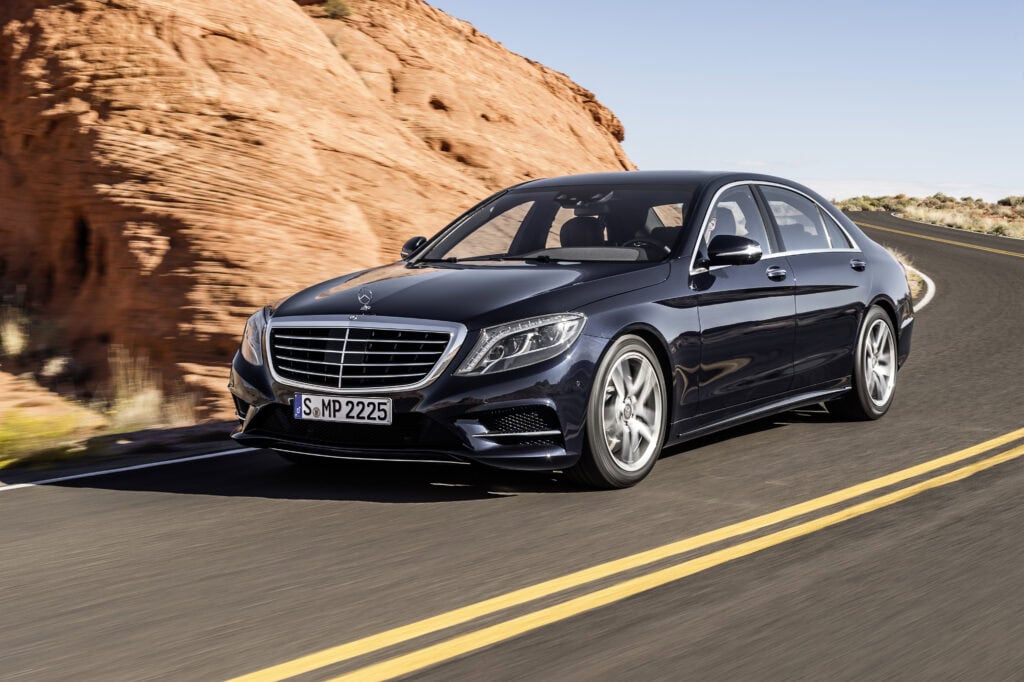
The S-Class has outlasted crises that sank lesser cars because it adapts with the times while staying true to its roots. The oil crisis in the seventies pushed efficient diesels, economic dips highlighted its value retention, and stricter emissions rules brought hybrids. Safety innovations like crumple zones and ABS didn’t just save lives in Mercedes vehicles, they forced the industry to raise its standards.
Culturally it is more than a car. Armored S-Guard versions protect world leaders while standard models are a sign of success from music videos where artists flaunt them to films. The S-Class influence shaped what luxury means, from quiet cabins to thoughtful tech that anticipates needs, inspiring brands across the board.
Its history still matters because it shows that enduring excellence comes from solving problems thoughtfully, not chasing trends. The S-Class proves sedans can remain desirable when they prioritize poise, safety, and refinement. That legacy keeps reminding buyers there’s value in a car built to last, to comfort, and to represent something real. It encourages smart choices, like opting for proven quality over fleeting hype.
The S-Class has always been about quiet confidence and proving quality through deeds instead of declarations. Its history isn’t just a list of firsts. It’s a reminder that some things get better with time, and that’s why it still carries real meaning today.
You may also enjoy this: BMW Hybrid Vehicles: History and What Comes Next