11.6 Million Vehicles Recalled in 2026 What You Must Know

More than 11.6 million vehicles were recalled in the first quarter of 2026. Here is exactly what that means for your daily drive, how to check your own car in minutes, and why a stop-sale can actually be a smart first step before a full fix rolls out.
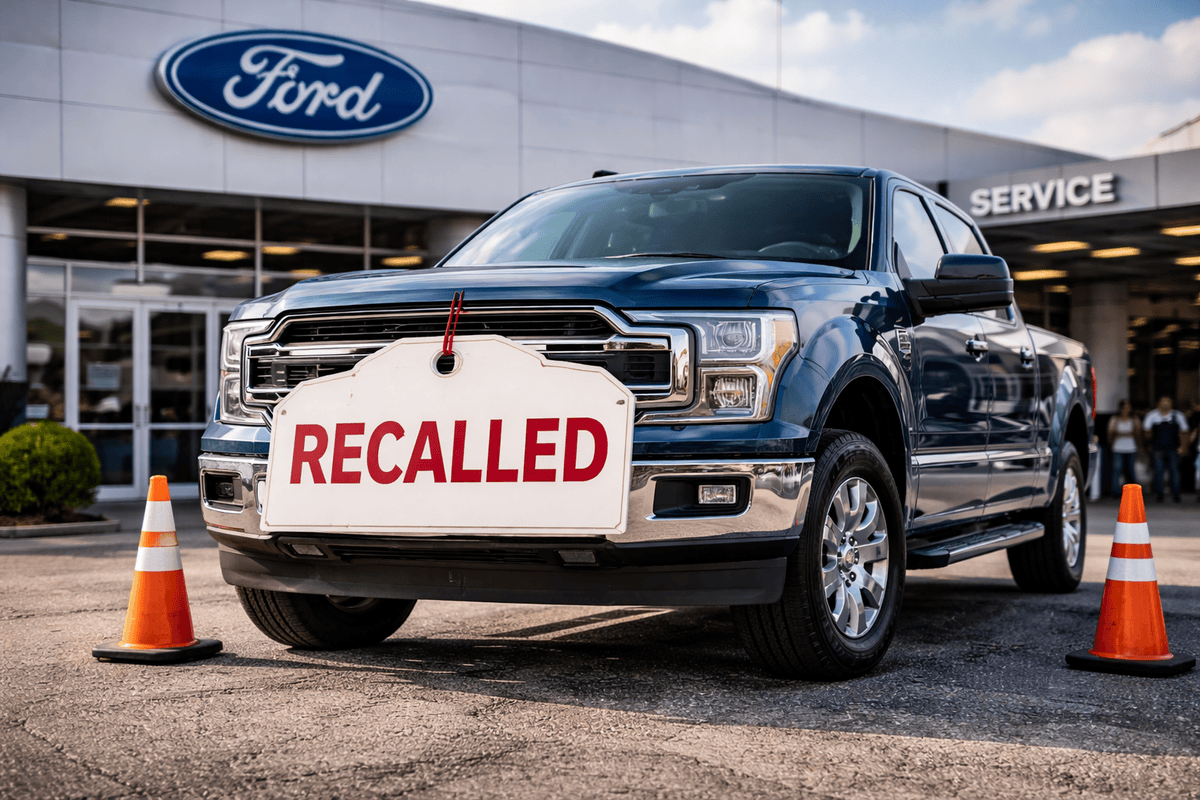
In the first three months of 2026 more than 11.6 million vehicles landed on recall lists in the United States. That marks one of the highest quarterly totals in recent years and it has many drivers wondering what it means for their own cars and daily routines.
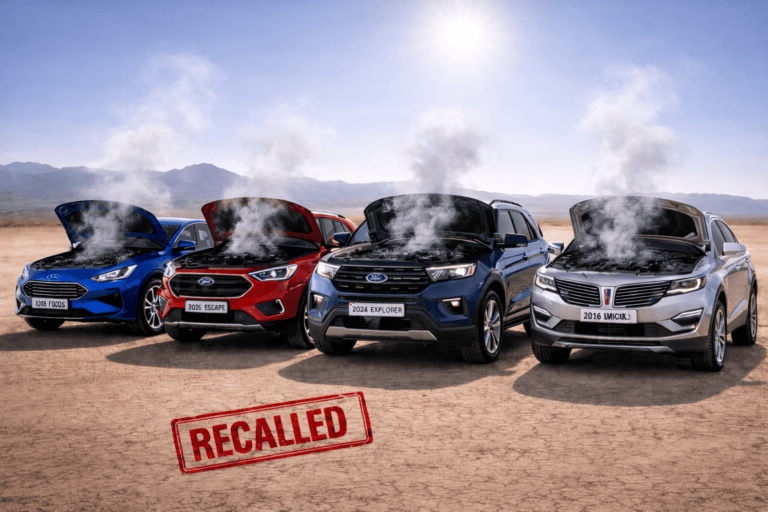
Ford led the pack with campaigns that accounted for roughly two-thirds of the total volume including one electrical system action that touched more than 4.3 million vehicles. Toyota followed with about one million vehicles affected across nine separate campaigns while Hyundai, Chrysler, and Nissan rounded out the top group. Yet the numbers tell only part of the story.
Recalls have become a regular part of modern vehicle ownership because cars now have far more electronics and safety systems than they did even a decade ago. It’s not that our cars aren’t as good as they once were, but that they’re more complicated and automakers are more vigilant about fixing issues in the name of safety.
You may also enjoy this: Inside BMW’s Factory and What It Could Mean for America

What’s a Stop Sale?
Stop sales sound bad, but they can be a good thing. Once an issue is found, especially if it impacts safety, stopping the sale of a vehicle ensures no one else buys a car with a known problem.
A recent case involved certain 2026 Hyundai Palisade Limited and Calligraphy trims equipped with power second- and third-row seats. Hyundai issued a stop sale on those models after reports of inadequate obstruction detection during seat movement and notified existing owners to use care operating the seats.
Hyundai quickly found a solution, which was a simple software update that improved how the seats respond to contact with occupants or objects. It also added safeguards such as requiring a press-and-hold action for folding. Sales resumed once the update was ready and many owners received it over the air if they had an active connected service subscription while cars on dealer lots were updated before they were purchased.

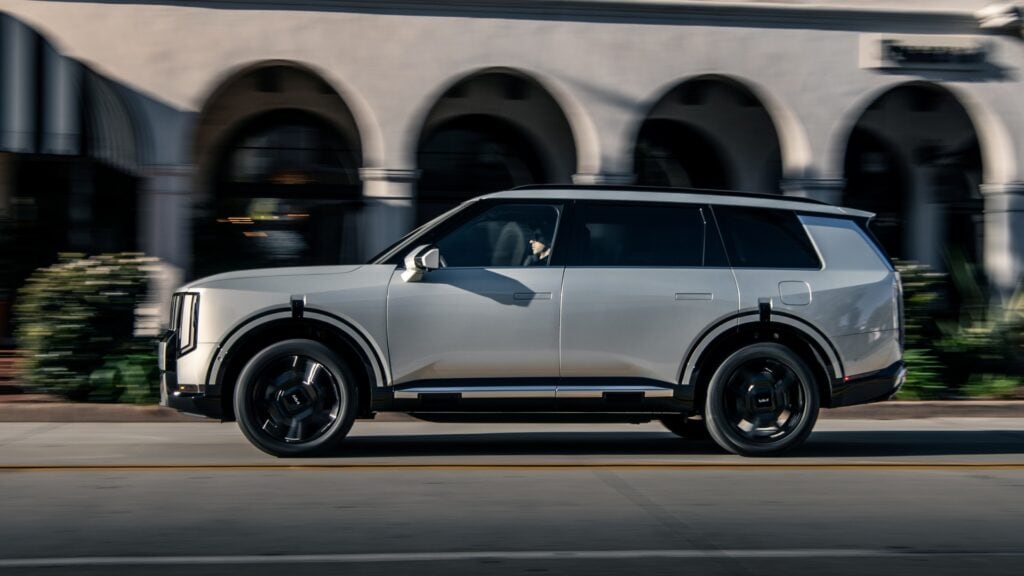
A much smaller number of 2027 Kia Telluride Hybrid top trims faced a similar situation. Kia Telluride Hybrid owners saw the same quick approach in action. A stop-sale sounds bad, but it gives an automaker time to research and fix the problem to ensure its vehicles are safe.
The spike in recall volume arrives at a moment when new-vehicle sales have softened slightly and many families rely on their cars for everything from school drop-offs to weekend errands. With complex features like power-folding seats, automatic emergency braking and advanced driver assistance systems now standard in most models the chance that something needs a tweak has grown. Yet the good news is that almost every recall comes with a free fix and manufacturers have improved how quickly they notify owners and complete repairs.
You may also enjoy this: New Mercedes-Benz GLS Review: S-Class Luxury SUV Refined
How to Check If Your Vehicle Has an Open Recall
Checking for a recall takes only a few minutes and it gives you peace of mind no matter the age, type, or cost of your vehicle. The easiest way is to head to the National Highway Traffic Safety Administration (NHTSA) site where you can enter your 17-character Vehicle Identification Number (VIN). You can find the VIN on the lower left corner of your windshield, on the driver-side door jamb, or on your registration and insurance papers.
The NHTSA lookup tool will show any outstanding recalls tied to your specific vehicle. You can also search by license plate in many states or by year, make, and model, but the best way to go is with the VIN.
Many manufacturers send notices by mail within 60 days of a recall decision and some push alerts through connected apps, but it’s always a good idea to double check. If nothing shows up, you know your car is clear for now. Make a habit of checking a couple of times a year.
You may also enjoy this: Lucid to Launch Two New Luxury Crossovers Under $50,000
How the Recall Repair Process Works
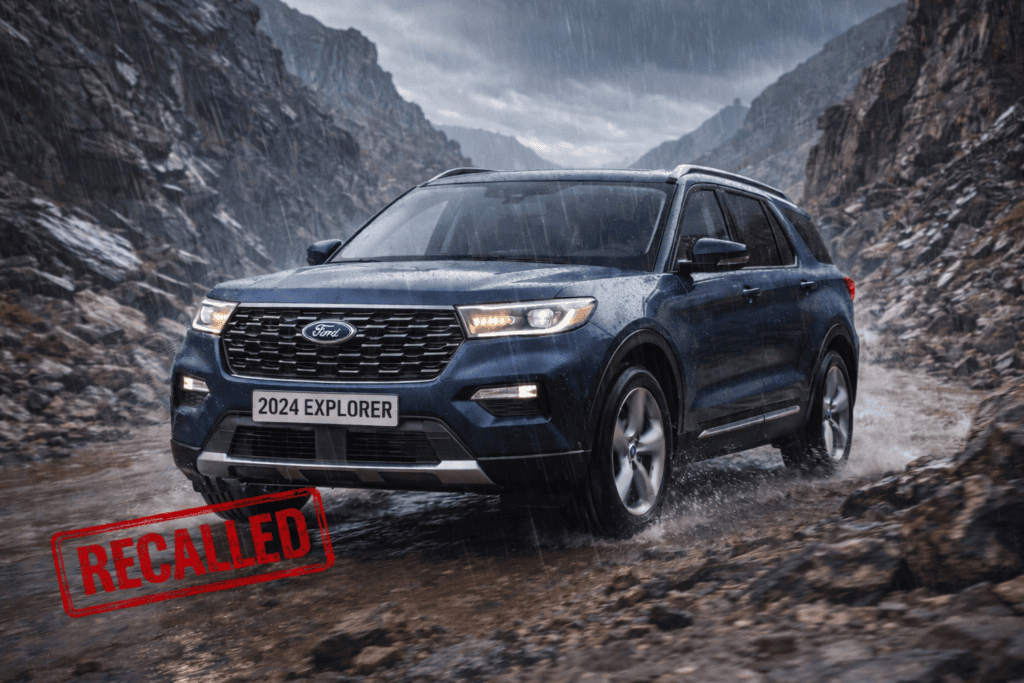
Manufacturers fix recalls at no cost to you regardless of the mileage or how long you have owned the vehicle. For software issues like the recent Palisade update or Ford’s large trailer module campaign the fix often arrives over the air if your vehicle supports connected services.
You simply accept the update through the infotainment screen or app and the car handles the rest. In cases that need parts or hands-on work, you need to schedule a dealer visit. Some recall repairs can be done quickly, but there are others that take longer to complete. Ask your dealer about a loaner vehicle if you’re going to be without your vehicle for a longer period of time.
You may also enjoy this: Nissan Rogue Dip Seat Proves Everyday Durability Just Got Smarter
Why Staying on Top of Recalls Matters for Everyone
It doesn’t matter what kind of car you own. There’s always the possibility of a recall. Whether it’s an affordable sedan or a pricey luxury SUV, recalls happen and need to be addressed as soon as possible.
Safety recalls stay open for the life of the vehicle, so even if you have an older or used car, if there’s a recall that hasn’t been repaired, it’ll show up in the NHTSA database. If you’re buying a used car, check its recall status first so you know if there are issues you’ll end up having to manage.
You may also enjoy this: Dodge Durango Sets Sales Records as Chrysler Pacifica Gets Major 2027 Upgrades
The Long-Term Outlook for Recalls and Vehicle Safety
Looking ahead, recalls will likely stay a normal part of ownership as vehicles add more technology. The encouraging part is that the system keeps improving. Over-the-air updates now handle many electronic glitches without a dealer visit and manufacturers face strong pressure to respond quickly.
Make checking your VIN a habit, maybe tied to changing the clocks for daylight saving time or as a step in your regular maintenance. It’s also important to keep your contact details current with the automaker so notices reach you rather than being sent to an old address.
Remember that most recall notices don’t mean you must stop driving immediately. They signal that a free improvement is available to make the vehicle even more reliable. The Palisade stop-sale and swift software fix demonstrate how efficiently the process can work to fix problems. Recalls may be seen as negative, but they reflect an industry committed to keeping everyone safe behind the wheel.