New York Auto Show at a Crossroads: The Best Cars Ever Meet an Industry in Flux

This Isn’t a Car Show Anymore. It’s a Reality Check
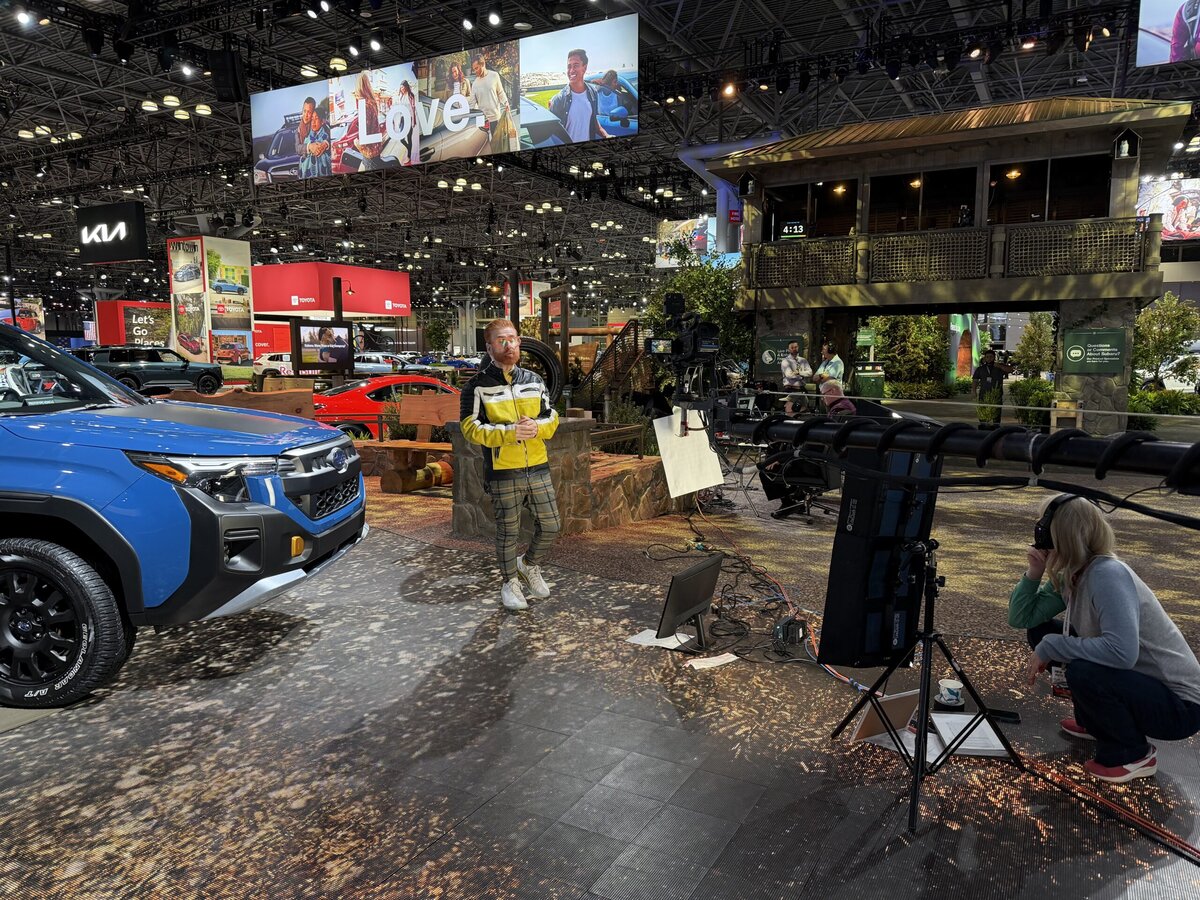
After 19 years of hosting live television from the New York International Auto Show for Nexstar stations across the country, one thing is clear. This is no longer just a showcase of sheet metal and bright lights. It has become a mirror reflecting an industry trying to steady itself while the ground shifts beneath it.
What once felt like a celebration of certainty now feels more like a progress report written in pencil. Automakers are still unveiling impressive new machinery, but the mood is different. Profit margins are thinner, the cost of doing business is harder to predict, and the path forward is no longer obvious. That is what makes this year’s New York show so revealing. It is not just about what is new. It is about what is unsettled.
The Best Cars Ever. At the Most Uncertain Time
The contradiction at the heart of the modern auto industry is almost absurd. These may well be the best vehicles manufacturers have ever built. They are safer, quicker, cleaner, more refined, and more technically sophisticated than the cars many of us grew up admiring. Yet the business behind them is under pressure from every direction.
Consumers are staring at monthly payments that can feel detached from reality. Automakers are trying to spread investment across gasoline, hybrid, plug-in hybrid, and electric platforms all at once. Regulations continue to evolve. Global competition is not getting gentler. Meanwhile, some of the most experienced people in automotive media are leaving, retiring, or crossing over to work directly for the companies they once covered. The cars are brilliant. The industry selling them is still looking for a stable center.
No One Knows What Comes Next
For a while, the narrative seemed simple. Gas was yesterday. Electric was tomorrow. That made for tidy headlines, but the market has proved rather less polite. Gasoline engines are still here because millions of people still want them. Battery-electric vehicles continue to improve, but not every buyer is ready to change routines, budgets, or expectations. Plug-in hybrids promise flexibility, while traditional hybrids are quietly becoming the grown-up answer in the room.
This is why the New York Auto Show matters. It shows the hesitation in public. Some launches are bold, others cautious, and some concepts arrive with carefully polished design language but suspiciously vague answers about what will power them. That is not necessarily dishonesty. It is a strategy. Manufacturers are keeping doors open because nobody wants to be magnificently wrong at scale.
Hybrids Aren’t the Backup Plan. They’re the Strategy
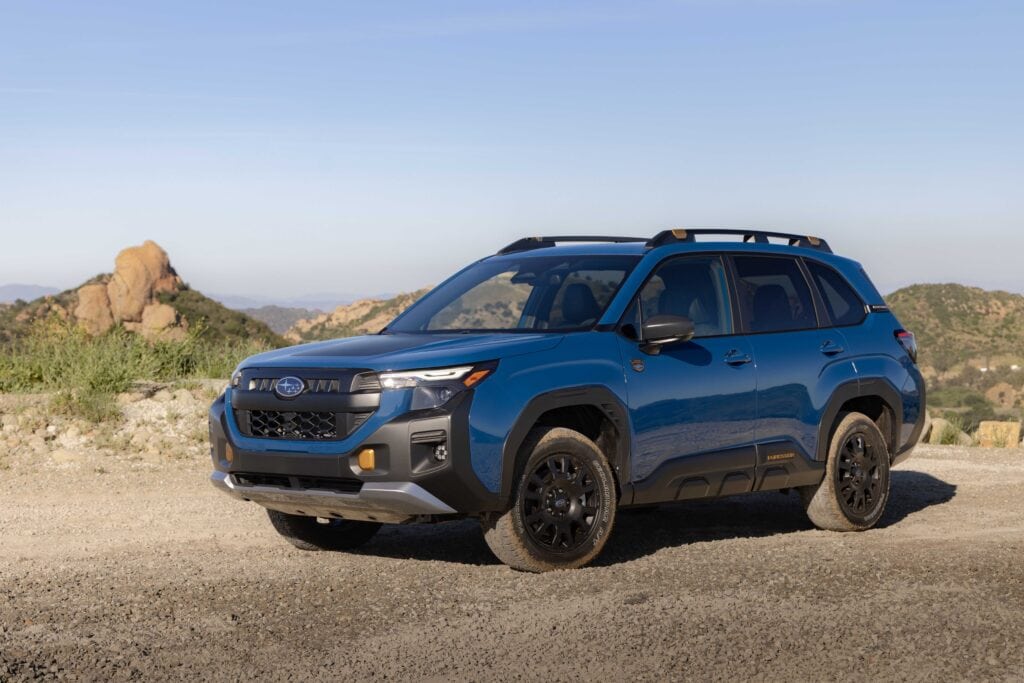
If there is one product at this show that sums up where the practical market is headed, it is the Subaru Forester Wilderness Hybrid. Subaru has done something refreshingly sensible here. Rather than treating electrification like a branding exercise, it has used hybrid technology to improve a vehicle people already understand. The result is an SUV with more efficiency, more capability, and very little ownership drama.
That matters because buyers I talk to are tired of being told they must choose a side in some powertrain culture war. Most of them simply want a vehicle that starts every morning, handles weather, carries family or dogs, in my case, or cargo, and does not produce a small cardiac event at the fuel pump. My Wrangler 392 cost me $75.00 to fill at the pump last week. A hybrid Wilderness model answers that with far more conviction than a manifesto ever could.
It also helps explain why hybrids are gaining traction with automakers again. They let companies improve consumption without demanding that customers rewire their lives overnight. Even federal and energy sector guidance tends to frame electrification in terms of practical use cases rather than ideology, which feels more in tune with what real buyers are doing now.
Electric Cars Are Brilliant. But Buyers Are Hesitating
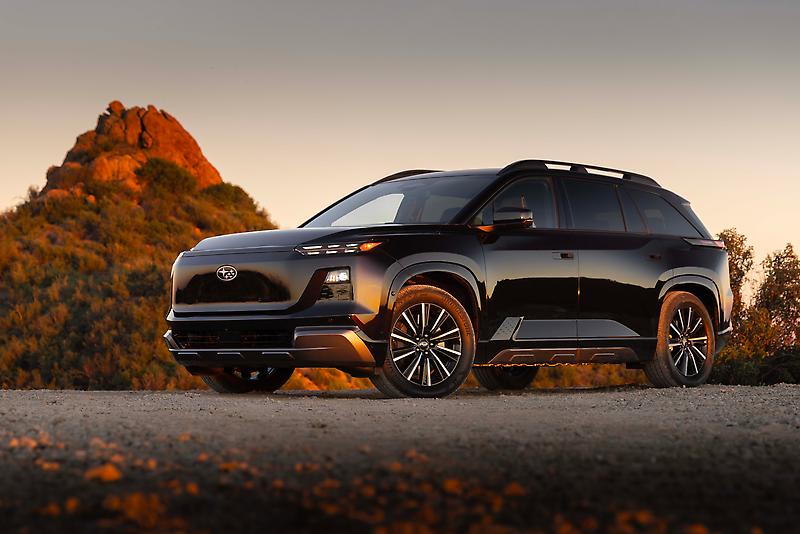
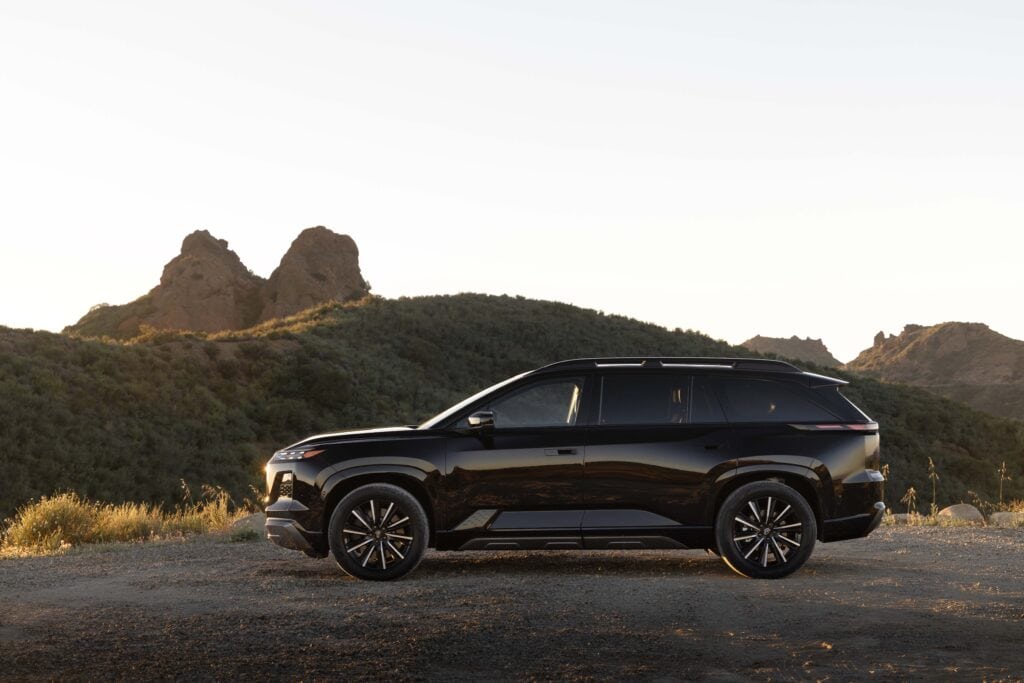
That does not mean EVs are failing. Far from it. The all-new Subaru Getaway shows how compelling an electric family vehicle can be when the engineering is done properly. A three-row Subaru with 420 horsepower and more than 300 miles of claimed range would have sounded like fiction not terribly long ago. Now it is standing on the show floor with a straight face.
The issue is not whether engineers can build convincing electric vehicles. They can. The issue is whether enough buyers are ready to make the jump at the pace once predicted. Concerns about home setup, public charging, trip planning, and long-term costs still shape the market. That is why practical public information on home charging and nationwide charging stations matters. The infrastructure story is no longer background noise. It is part of the sales pitch.
Subaru’s new EV is proof that the product side is improving quickly. The broader buying public, however, is moving at a different speed. That gap between engineering ambition and consumer comfort is one of the defining tensions of the 2026 show.
Concept Cars Are Telling You What Automakers Won’t Say
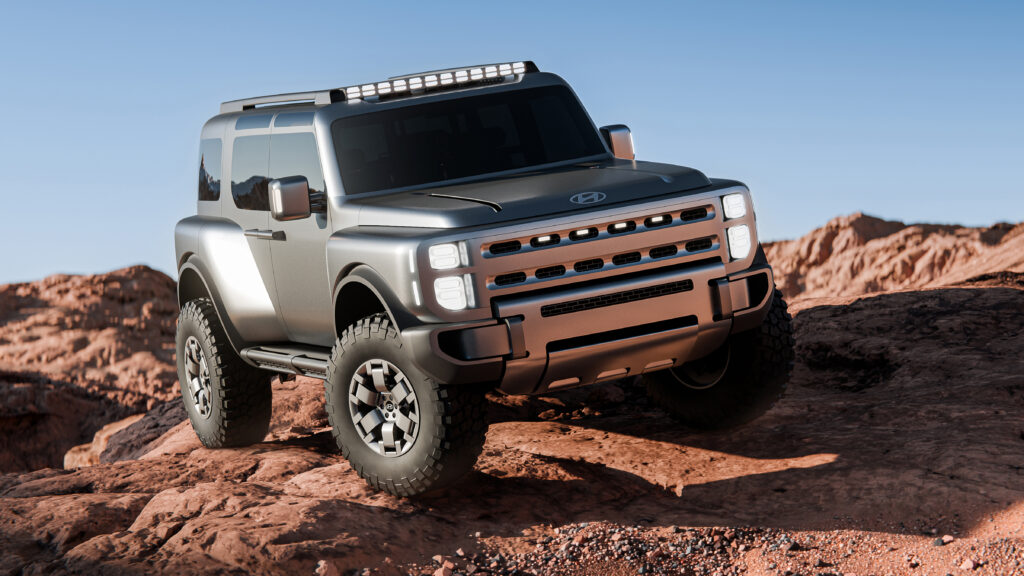
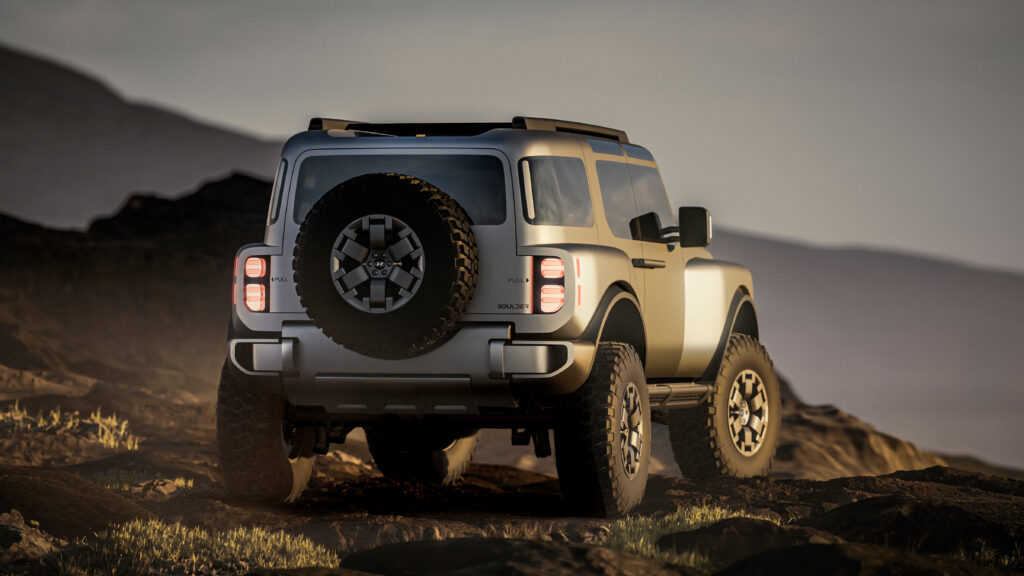
No vehicle here captures that uncertainty more neatly than the Hyundai Boulder Concept. Hyundai rolled it out with all the confidence you would want from a modern off-road statement piece. It looks rugged, upright, intentional, and deeply American in its proportions and purpose. It also previews Hyundai’s future body-on-frame ambitions, which is no small thing.
But the fascinating part is what remains unsaid. There is still no clear production powertrain narrative attached to it. That omission is not a mistake. It is a clue. In this market, flexibility is worth real money. Automakers want the freedom to respond to fuel prices, consumer demand, regulation, and margin pressure without boxing themselves into yesterday’s grand declaration.
Hyundai is not alone in that. Across the industry, concept vehicles increasingly function as strategic placeholders. They tell us what designers want to build and what executives hope to sell, but not always how they intend to square that ambition with cost, sourcing, and consumer appetite. In that sense, concept cars are now less prophecy and more negotiation.
The Real Innovation Isn’t Glamorous. But It Matters
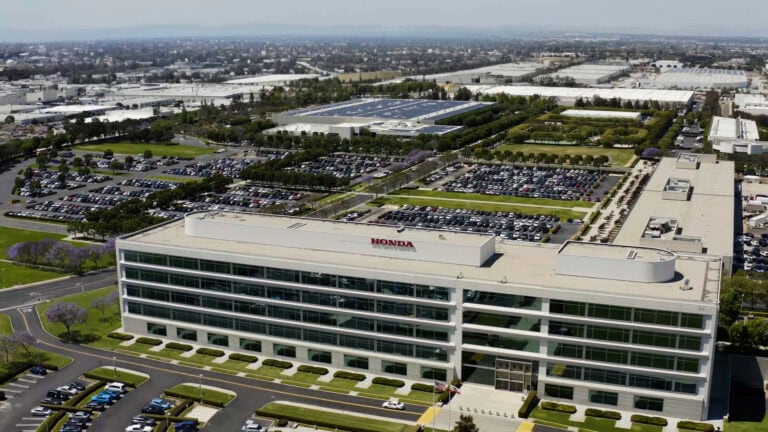
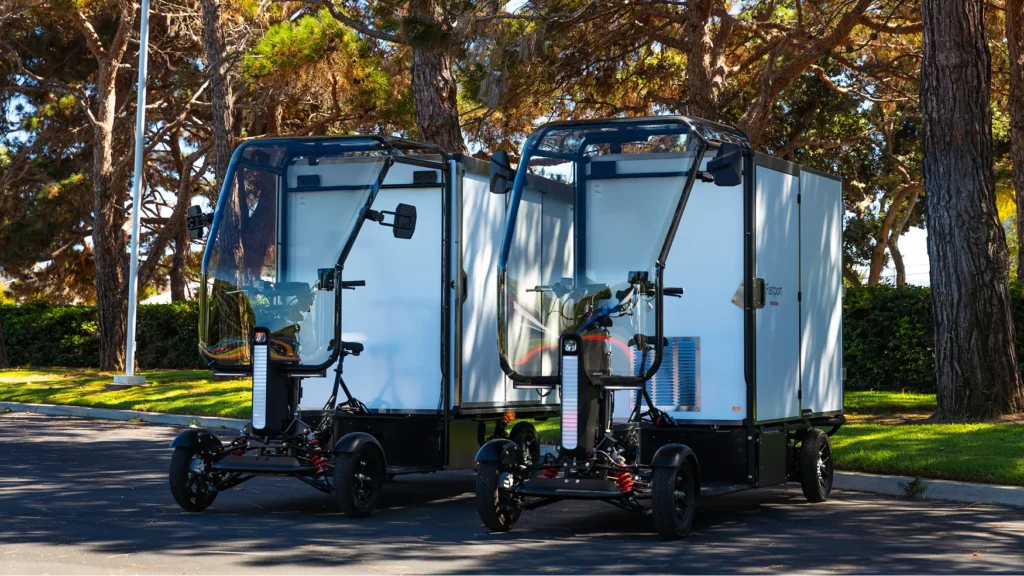
Not every meaningful debut in New York is a family SUV or halo concept. Some of the most consequential work is happening in commercial and urban mobility, where efficiency matters more than theatre. Honda’s Fastport eQuad is a perfect example. It sits in the space between a van and an e-bike, which sounds odd until you remember how modern cities actually function.
Congestion, curb space, delivery demand, and emissions rules are forcing companies to think differently about the last mile. A compact zero-emission delivery solution with swappable batteries and fleet telematics may not make schoolchildren put posters on bedroom walls, but it may solve expensive problems for operators in cities like New York. And that, in business terms, is far more useful. Let’s not forget it is also fun to drive. I piloted it around the basement at the Jacob Javits Center and had a blast.
Behind the Bright Lights, the Numbers Are Tight
There is no way to walk a modern auto show floor honestly without talking about the economics underneath it. Margins are under pressure. Some imported vehicles no longer make financial sense in the U.S. once the math is done. Manufacturers are watching costs, shipping, sourcing, and tariffs with an intensity usually reserved for hostage negotiations.
Add in the stubborn issue of recalls, and the pressure compounds quickly. Safety compliance is necessary, of course, but it also costs money, distracts engineering resources, and complicates already stressed brand narratives. When a company is trying to sell the future, the last thing it wants is a fresh reminder about the unfinished business of the present.
This is one reason the strongest messaging at the show comes from brands that look focused rather than frantic. Clarity has become a competitive advantage. If a company can explain what it stands for, what it is building, and why the buyer should care, it is already ahead of a surprising amount of the field.
Car Buyers Are Thinking Twice. And Waiting Longer
Consumers are not confused because they are foolish. They are cautious because the stakes are high. Vehicle prices remain elevated, and financing still bites hard enough to change behavior. For many families, the question is not what vehicle they want. It is what payment they can survive.
That is why broader consumer-credit research on high monthly payments and rising auto loan stress feels so relevant to this show. The average visitor may not quote Federal Reserve notes while staring at a shiny new SUV, but they absolutely feel those pressures when they sit in the finance office later.
Fuel prices shape that calculation, too. Buyers may not always track the finer points of crude supply, refining constraints, or regional distribution, but the economies of fuel still sit quietly in the background of every purchase decision. An uncertain household budget tends to produce a very conservative shopping list.
The Auto Show Itself Is Changing
The show floor reveals another uncomfortable truth. Not every brand believes in auto shows the way it once did. Some companies still treat New York as an important public stage. Others show up lightly, or not at all, preferring private launches, social-first campaigns, or tightly controlled digital reveals. The old model, where every major brand arrived with banners flying and executives grinning, is no longer guaranteed.
That does not mean the show is irrelevant. It means its role has changed. Auto shows are becoming less about raw volume and more about selective presence, targeted messaging, and making a strong impression with fewer shots. That rewards companies that know exactly what they want to say.
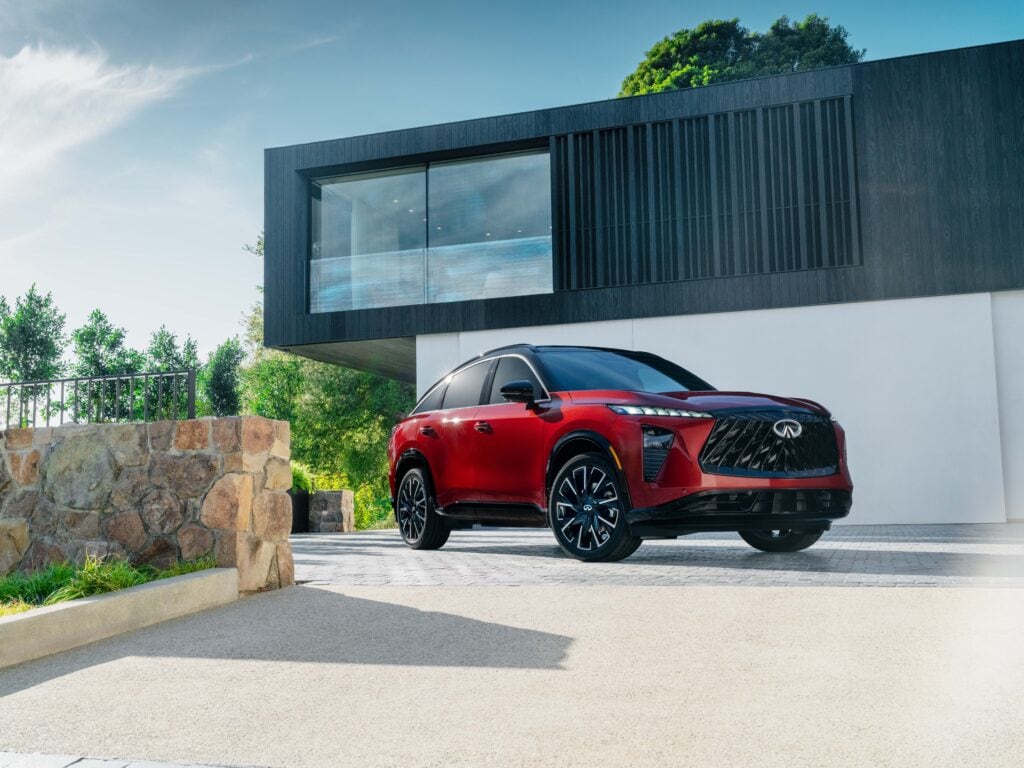
Even the Media Is Moving On
There is also a quieter story playing out around the edges of the industry. The automotive media business is changing almost as fast as the product cycle. Veterans are stepping away. Others are moving into manufacturer roles, PR, strategy, or consulting. Expertise is not disappearing, but it is being redistributed.
After 19 years of doing live television from this event, that change is visible. The personalities are shifting. The incentives are shifting. Even the way stories are chosen and framed is shifting. The people still here tend to be the ones who can do more than one thing well, report, present, analyze, and adapt, because the old lanes are not as clearly painted as they used to be.
These Really Are the Best Cars We’ve Ever Made
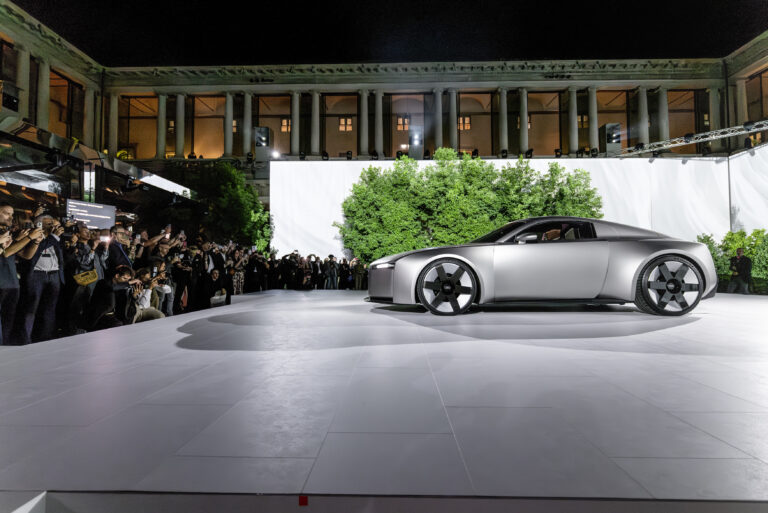
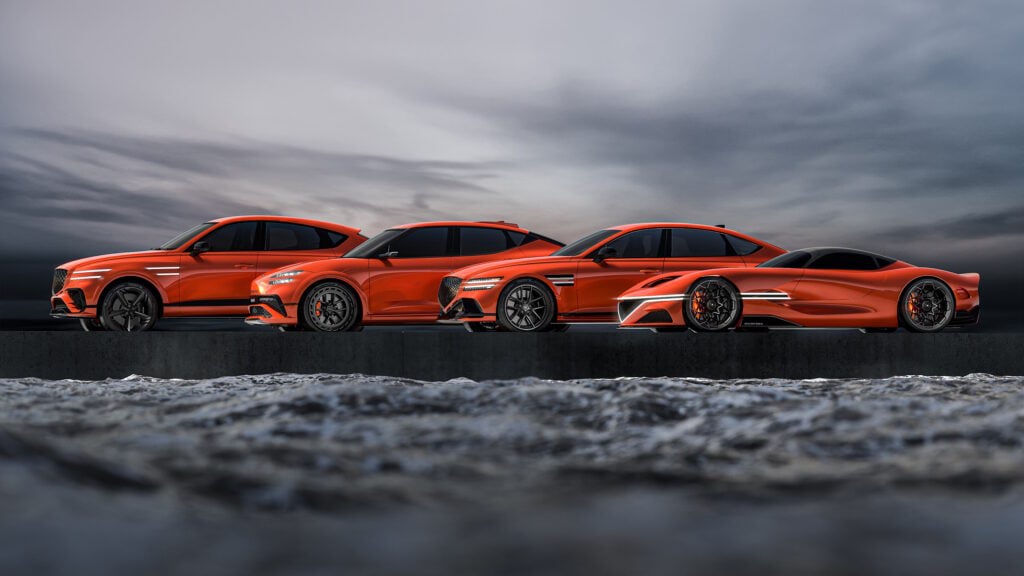
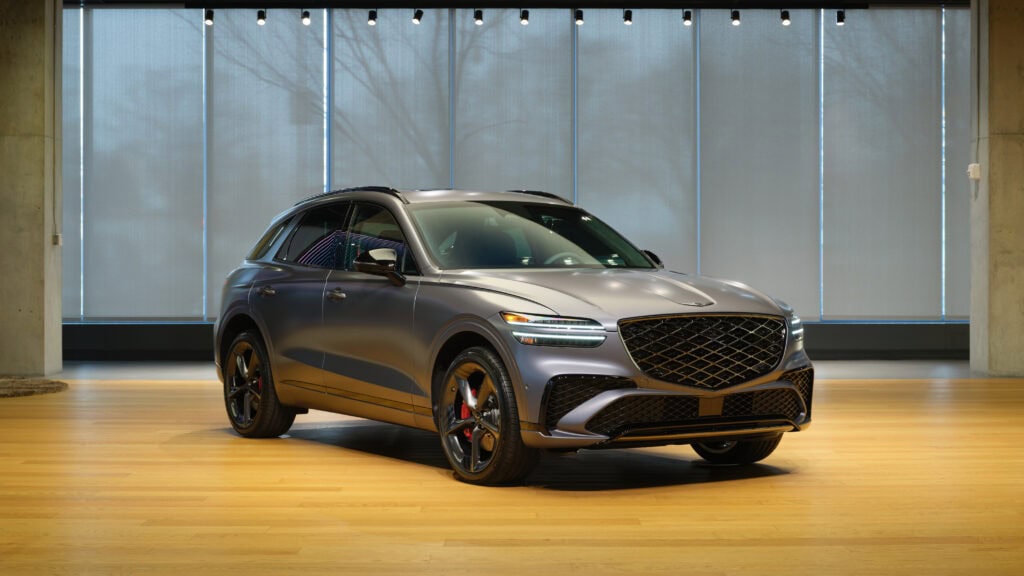
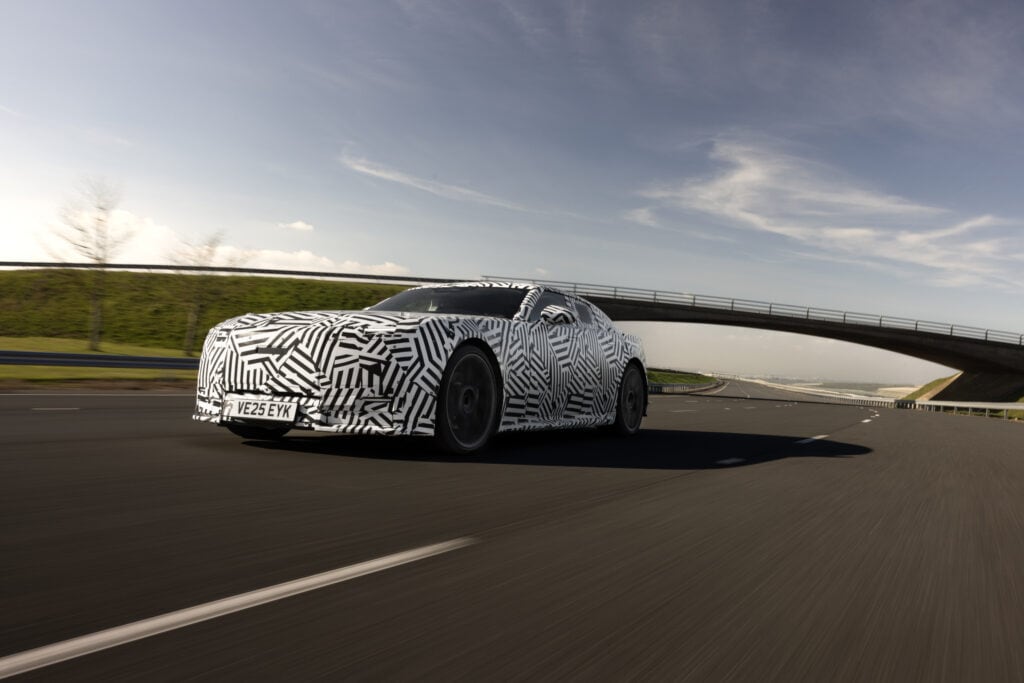
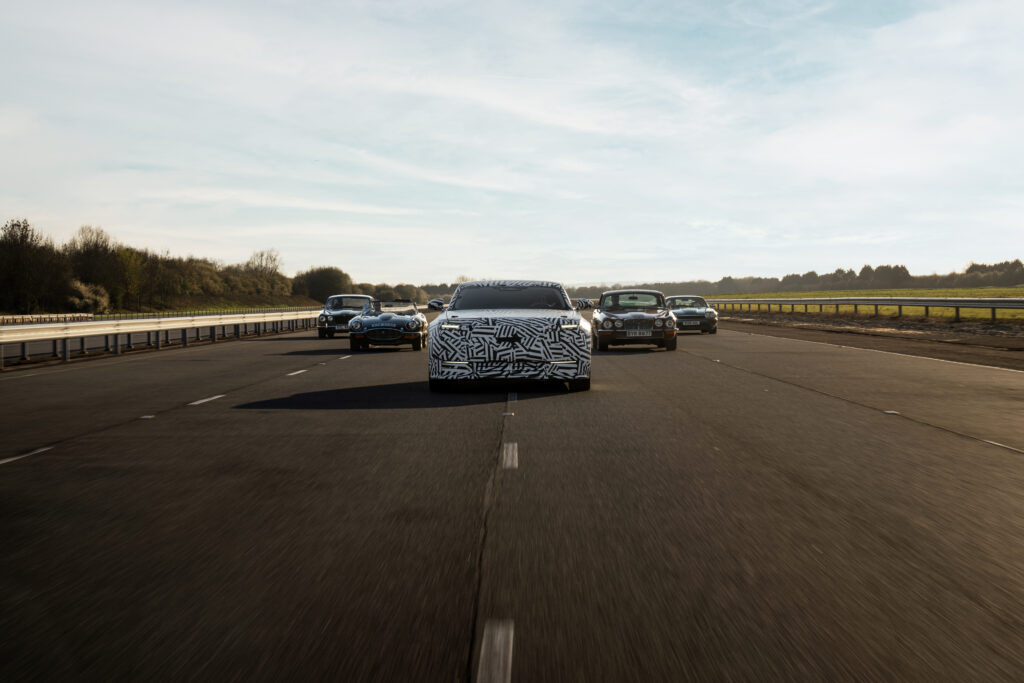
And yet, through all of this uncertainty, the core fact remains astonishingly positive. The vehicles themselves are excellent. The Jaguar Type 00 suggests that even brands going through reinvention can still produce something emotionally convincing. Genesis is sharpening its luxury-performance identity with the new Magma lineup. Subaru is covering both the pragmatic hybrid middle and the ambitious EV future. Hyundai is probing the rugged truck space with real intent.
These are not token updates. They are serious products, built by companies trying to find traction in a difficult decade. If anything, that makes them more impressive. It is easy to build something bold when times are easy. It is much harder when every investment has to defend itself.
The Winners Will Be the Ones Who Stay Clear and Focused
The companies most likely to prevail will not necessarily be the ones that shout loudest about one technology or another. They will be the ones that execute cleanly, explain themselves well, and give buyers a product that makes sense in the world as it actually exists. Not the world imagined in PowerPoint. The world of grocery runs, financing, fuel costs, school pickups, long commutes, and limited patience.
That is the real lesson from this year’s New York International Auto Show. The future is still being written. Some brands are writing with confidence. Others are still searching for the pen. Either way, this is one of the most revealing moments the industry has had in years, because it shows both its brilliance and its vulnerability at the same time.
After 19 years on this floor, that may be the biggest change of all. The story is no longer just about what car comes next. It is about which companies know who they are while the ground keeps moving underneath them.