2026 Rolex 24 at Daytona: How the Penske Porsche #7 Won

A long fog stoppage reshaped the race, then Daytona snapped back into a late, hard fight across every class—exactly as endurance racing should.
There are races people watch for speed, and races people watch for story. The Rolex 24 at Daytona sits in the rare overlap where you get both—because a 24-hour race doesn’t let anyone hide. You can have a fast car and still lose. You can have a perfect driver lineup and still get your night wrecked by traffic, timing, or weather.
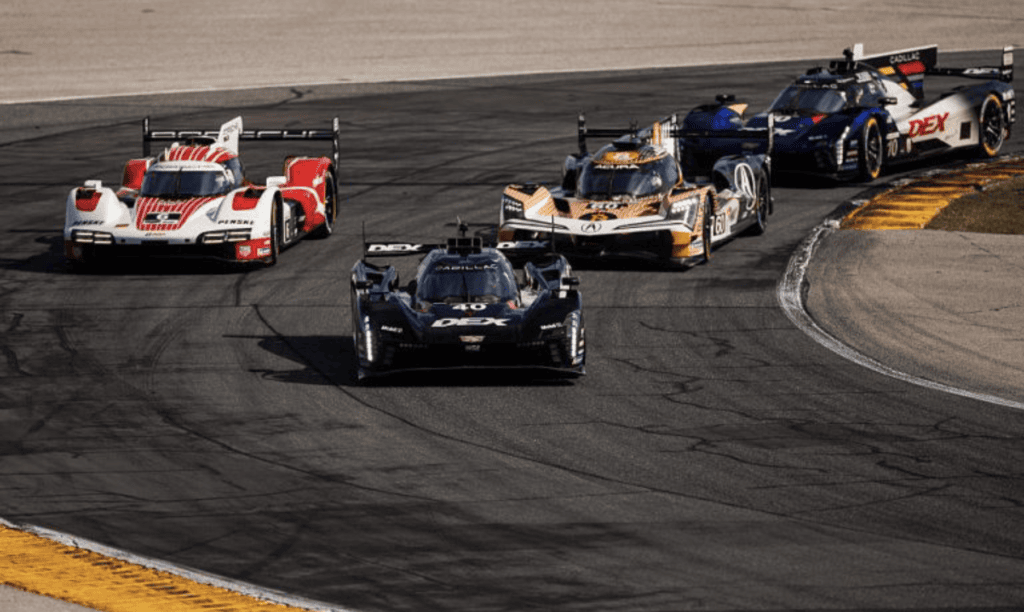
In 2026, the headline is clean: the No. 7 Porsche Penske Motorsport entry won overall in GTP, holding off the No. 31 Cadillac in a late battle, with the No. 24 BMW completing the overall podium in third. In LMP2, the No. 04 CrowdStrike Racing by APR took the class win. GTD Pro went to the No. 1 Paul Miller Racing BMW, and GTD was won by the No. 57 Winward Racing car. But that’s the scoreboard. The race itself was defined by interruptions, resets, and a long stretch of fog that forced everyone to adapt.
If you’re reading this as someone who’s curious but skeptical, here’s the useful promise: you don’t need to know every team, every driver, or every regulation to enjoy IMSA racing. You just need to understand what the race tests—reliability, judgement, and flexibility—and then watch how the best teams respond when the plan stops working.
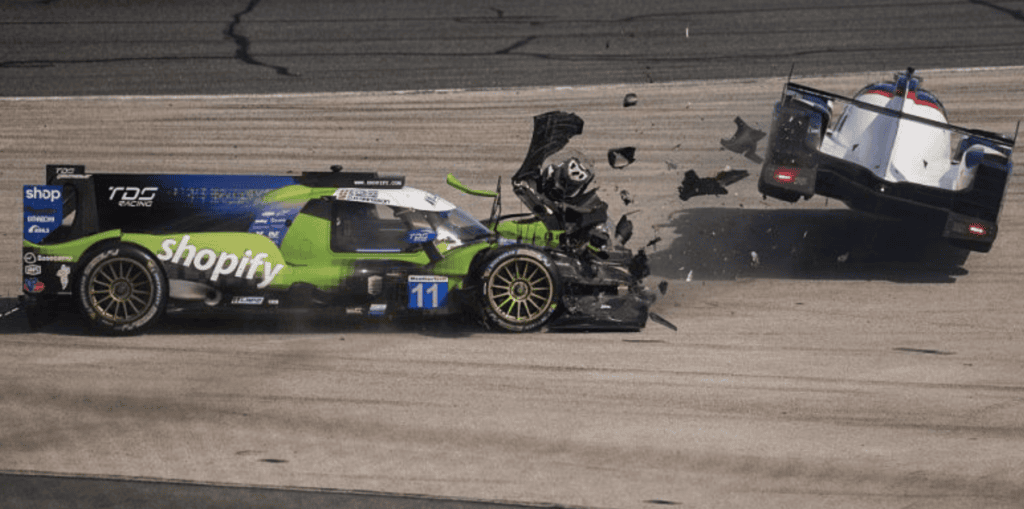
The history of the Rolex 24hr Daytona
Daytona is often introduced as “NASCAR’s house,” and that’s fair—this place is a cathedral for stock cars. But the Rolex 24 is its own identity: a 24-hour endurance race run on a road course that combines the infield with the famous banking. The result is a track that punishes mistakes in two different ways. The infield demands precision under braking and over curbs, while the banking asks for stability, efficiency, and confidence at high speed.
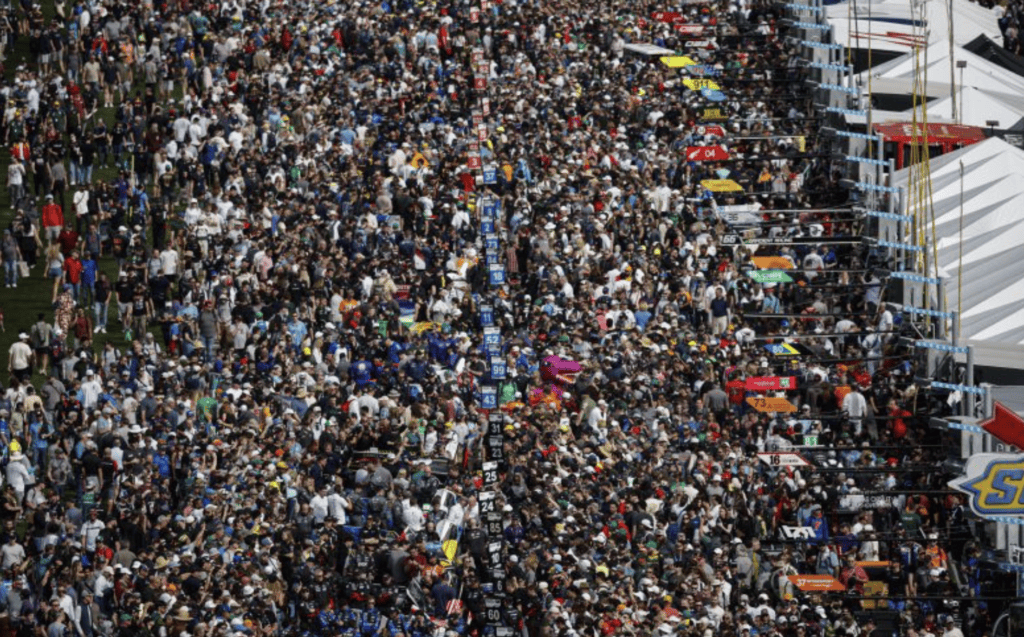
It’s also a race that turns time into an opponent. You can’t win it by being brilliant for an hour. You win it by being consistently infallible for a day—clean pit work, clean restarts, clean traffic management, and the ability to absorb bad luck without compounding it. That’s why the Rolex 24 has always been a magnet for serious teams and serious drivers, and why it remains a genuinely prestigious win in modern motorsport.
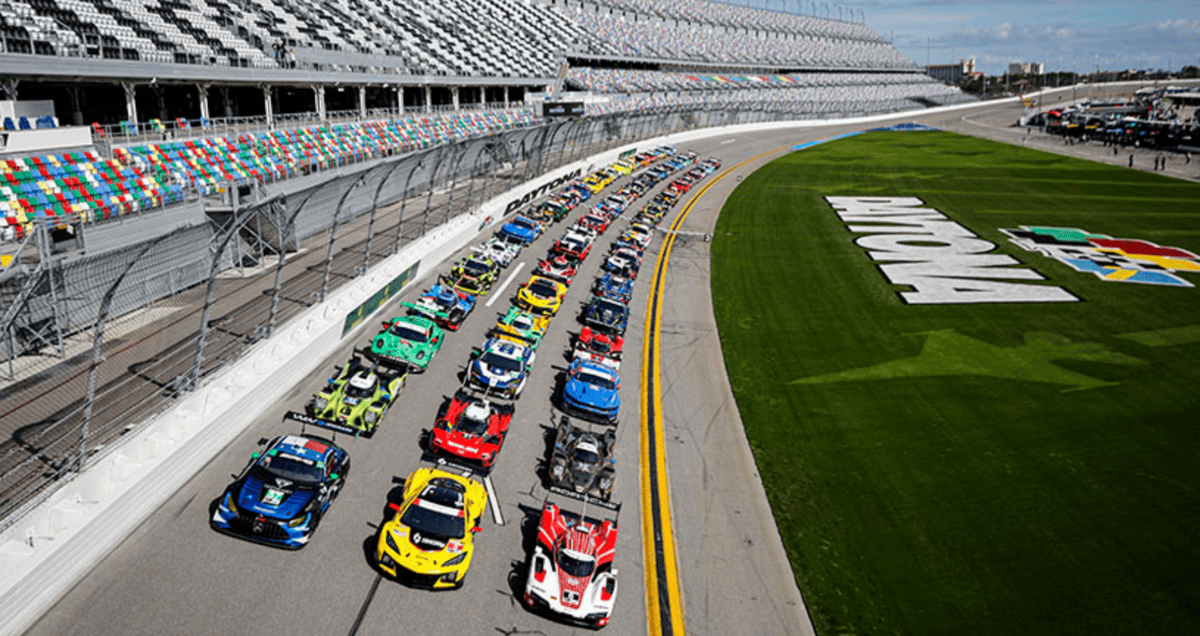
And if you want the pure “why Daytona is Daytona” context, it helps to remember the venue itself. The Daytona International Speedway layout creates unusual closing speeds between classes. Prototypes can arrive quickly, GT cars can be fighting their own race inches apart, and everybody has to coexist without turning the whole thing into a demolition derby.
How it compares to other racing series like F!, Indy Car, and Nascar
Formula 1 is a high-intensity sprint dressed in extraordinary technology. It’s astonishing, but it’s controlled: one class, predictable distance, relatively stable race structure. IndyCar is closer to endurance racing in spirit—especially with strategy swings and street-circuit chaos—but it’s still single-class and built around a consistent rhythm.
NASCAR at Daytona shares the venue and the emotional energy, but it’s a fundamentally different puzzle: drafting dynamics, pack behavior, and a format where the “big one” can rewrite the running order in one corner.
IMSA endurance racing is different because it stacks complexity. Your overall leader isn’t just racing the other overall leader—they’re racing traffic, timing, and risk. A GTP driver threading through GTD cars at night has to be aggressive without being reckless, because a small contact can become a long repair. A GT team can run flawlessly and still lose time simply because the caution cycles fall against them.
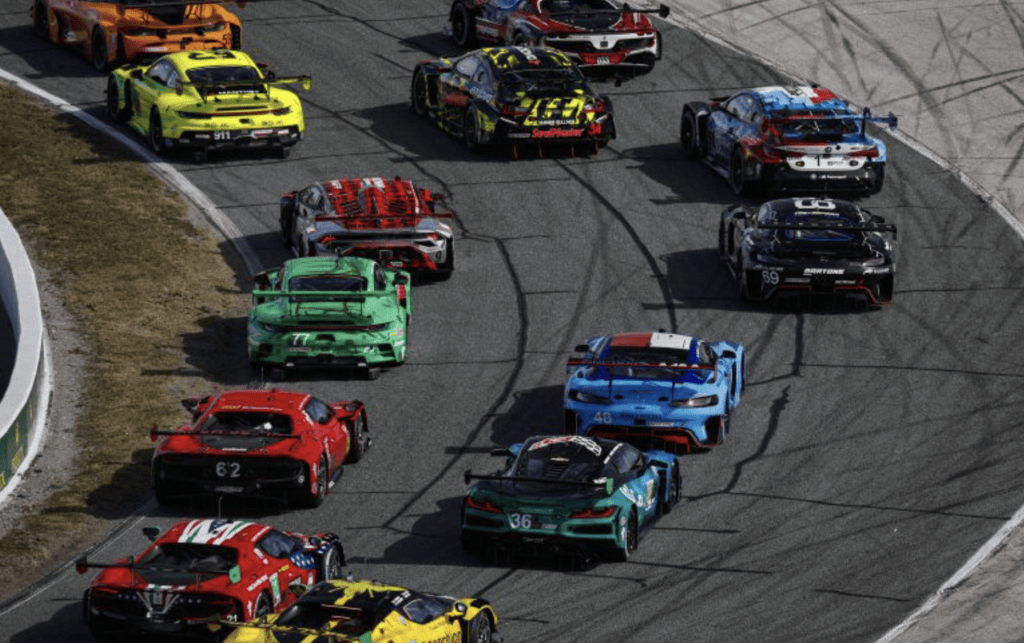
That’s why 2026 felt so familiar to endurance fans: the race wasn’t a straight line. A major multi-car accident at the Le Mans Chicane became one of the defining early caution moments, compressing the field and reminding everyone that Daytona punishes impatience. Then the weather stepped in and forced a more dramatic reset.
Overnight fog created an unusually long interruption in the race’s rhythm. Reports described a record-long full-course yellow stretching close to seven hours due to fog conditions, before the event finally returned to speed and built toward a tense finish. That kind of stoppage is more than “lost racing.” It changes strategy: stint sequencing, driver rest, brake and tire temperatures, and how risky the restarts become once the field is bunched again.
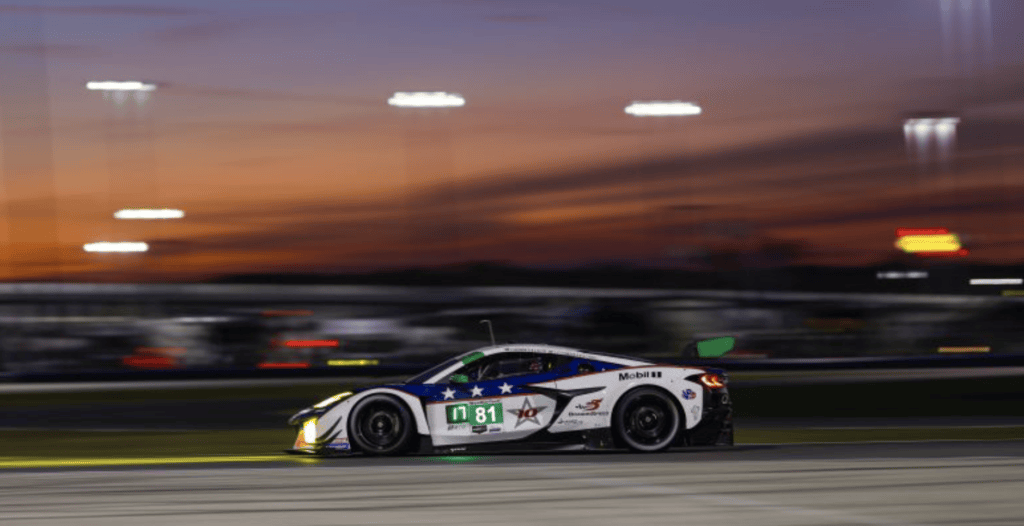
By the time the final hours arrived, the race had turned into what the Rolex 24 does best: a hard, compressed fight where every pit stop matters. The No. 7 Porsche Penske Motorsport car held on for the overall win after late pressure from the No. 31 Cadillac, with the No. 24 BMW on the overall podium in third. For the manufacturers, it was a neat snapshot of the current top class landscape: Porsche, Cadillac, and BMW all in the top three, which is exactly the sort of parity that makes a season worth following.
Daytona wasn’t just a one-off spectacle. It set the tone for the season by showing how close the modern fields are—and how quickly a weekend can swing on execution. The class winners tell that story clearly.
In LMP2, the No. 04 CrowdStrike Racing by APR entry took the win, ahead of the No. 43 and No. 343 Inter Europol cars. In GTD Pro, the No. 1 Paul Miller Racing BMW won the top GT class, ahead of the No. 75 Mercedes and the No. 48 Mercedes. In GTD, the No. 57 Winward Racing car won its class, ahead of the No. 44 Magnus Racing entry and the No. 27 Heart of Racing Team.
Why you should be watching IMSA racing this year
If you’re new to IMSA, here’s the simple reason to keep watching: multi-class racing stays interesting even when your favorite car isn’t leading. There’s always a battle worth watching, and the strategies diverge enough that you don’t get the same story repeated for three hours. That’s also why this type of racing attracts drivers from all over the motorsport map—GT specialists, prototype experts, veterans who’ve driven everything, and rising talent building credibility in the hardest environment possible.
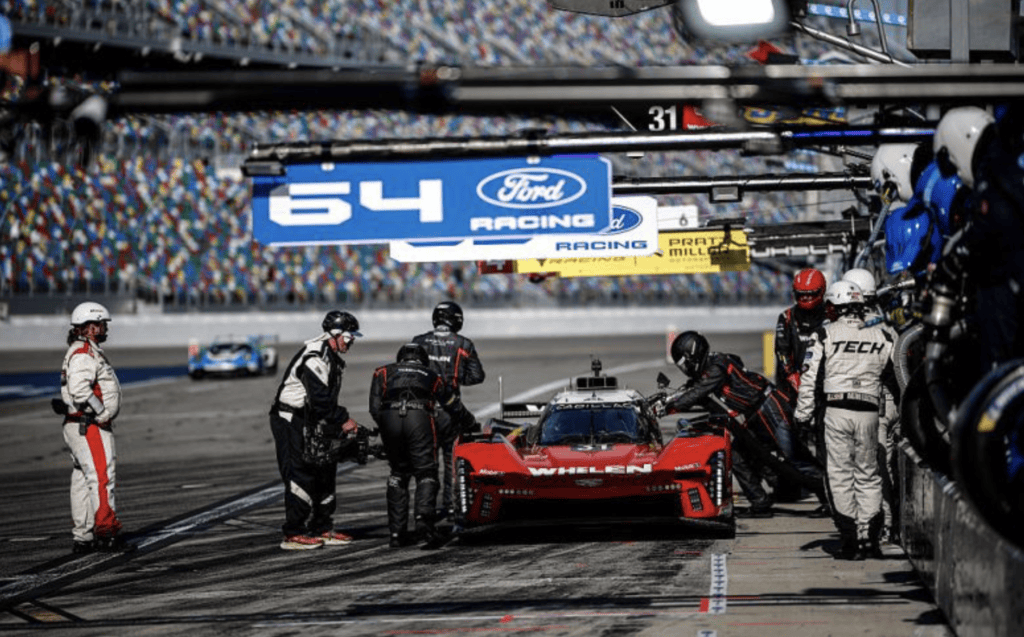
Rolex 24 at Daytona.
It’s also one of the clearest “race-to-road” pipelines in the sport. Not because your family car is going to get a prototype diffuser, but because endurance racing forces a discipline that shows up in road cars over time: durability thinking, cooling solutions, software integration, and efficiency under stress. The same engineering mindset that keeps a GTP car alive for 24 hours helps make modern road cars more robust, more predictable, and less likely to surprise you with a bad day.
If you want a Test Miles reading trail that fits this Daytona moment, I’d pair the race with a few recent pieces that live in the same real-world space: the practical reality of future mobility in Robotaxis in 2026: Are We Ready for Driverless Cities?, the human-factor side of cockpit tech in New AI Voice Assistants Actually Listen to Tired Parents, the buyer’s-eye view in Deals Didn’t Disappear. They Just Got Weird. Here’s the Fix., the value filter in Buying A New Car? Don’t Waste Your Money on These Features, and the direct pre-race context in Cadillac V-Series.R Fires Up Its 2026 IMSA Rolex 24 campaign.
One last note, because it’s easy to miss: IMSA looks like chaos, but it’s structured chaos. The rules and technical frameworks matter because they shape how close these fields can run. If you want the official backbone, the series documentation and governance lives with IMSA itself. And if you want to see how manufacturers frame the “why we’re here” part, it’s worth looking at the motorsport programs behind the machinery—like Porsche Motorsport and Cadillac Racing—because endurance racing is as much about institutional discipline as it is about lap time.
That’s the quiet lesson of the 2026 Rolex 24: the technology is impressive, but the winning move is almost always the boring one—staying flexible, staying clean, and being ready when the race finally asks for a sprint. The No. 7 did that overall. The class winners did it in their own lanes. And if that’s what this season is going to look like, IMSA will be worth your time.