5 Must-Know Car Seat Safety Tips Every Parent Needs Right Now
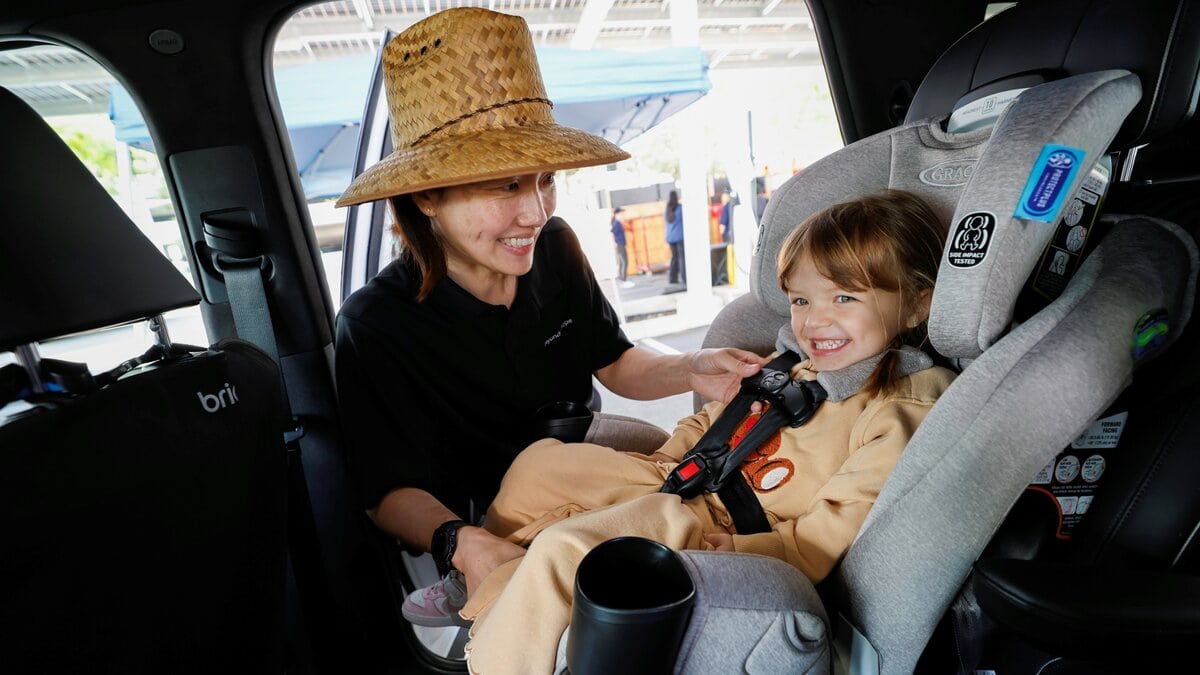
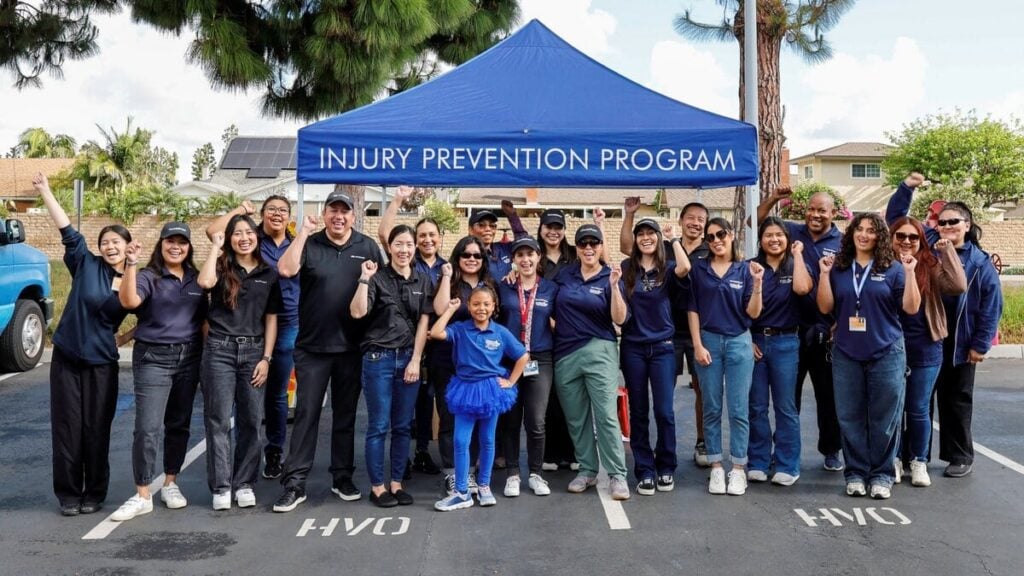
Car seat technology keeps advancing but many parents make mistakes that reduce protection for their children. Hyundai’s ongoing partnership with Children’s Hospital Los Angeles aims to educate parents and kids with events throughout Southern California and a donation this year of $100,000. At a recent car seat and pedestrian safety event at Hyundai headquarters, families received free inspections and even new car seats.
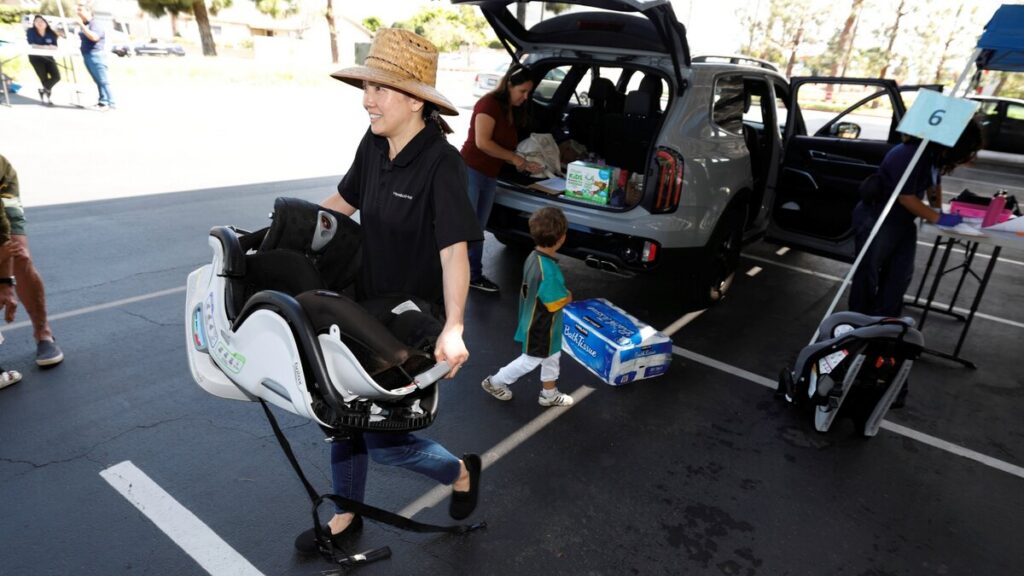
A team of experts was on hand as people drove up with their kids and their car seats. Whether it was an infant, a toddler, or an older child, the car seats were inspected and, when necessary, replaced on the spot. The reasons were varied from seats that had expired to seats that simply weren’t the right size for the child or the car. Kids also learned about pedestrian safety with a fun interactive walk-through complete with streetlights and cross walks.
We spoke to Helen Arbogast, Manager of Injury Prevention at Children’s Hospital Los Angeles Trauma Program, about the most important things every parent should know before buying or using a car seat. Her straightforward advice focuses on long-term value, vehicle fit, and avoiding dangerous counterfeits that look real but fail in a crash.
You may also like this: Genesis Just Got Sexy – Magma Performance Is Here
1. Choose a Car Seat That You Can Use for Longer
Parents often reach for an infant carrier because it clicks into a stroller and is easy to carry around. It’s a simple solution, but it’s also more temporary. A car seat that starts rear-facing and later switches to forward-facing can provide years of safe service instead.
“If financially you’re going to have to make a decision to last longer, then you may want a convertible car seat.” – Helen Arbogast
A convertible car seat provides years of service and reduces the overall number of car seats you’ll need to purchase as your child grows. Also consider your vehicle layout, other children riding with you, and whether the seat will stay installed most of the time or move frequently between cars.
Although it’s fun for the kids to have a car seat with their favorite animated character or trucks or butterflies, color and price should never be the main factors when shopping. Long-term fit for your family’s lifestyle matters far more and helps you avoid buying multiple seats as your child grows.
You may also like this: 2027 Genesis GV70 Receives Prestige Graphite Trim
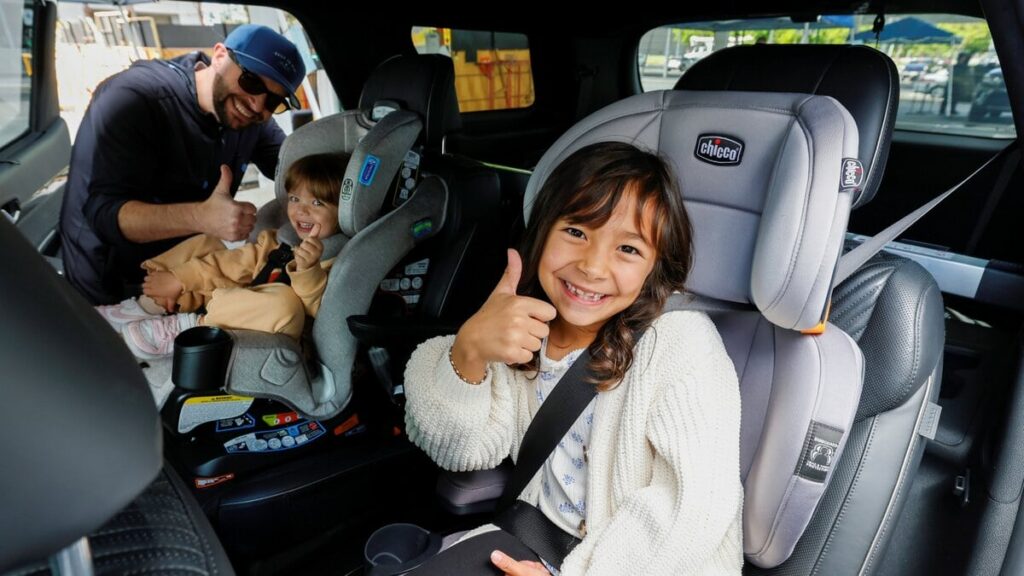
2. Make Sure the Car Seat Fits Your Specific Vehicle
As an adult, when you sit in different vehicles you feel the difference in cushion shape, contouring, bench style, and available headroom. Not every car is comfortable for every person. The same is true for a car seat.
“Not every seating position is good and not every car seat is compatible with every vehicle.” – Helen Arbogast
A wider car seat base may not sit flat in a heavily contoured seat, something common in sporty vehicles or luxury cars focused on providing maximum comfort for passengers. The middle position may be unusable on some vehicles if it’s too heavily curved, which makes a car seat unstable. And even for kids, headroom can be an issue, especially for older children who are still using a harnessed seat.
You may also like this: 2026 Genesis GV70: The SUV That Out-Germans the Germans
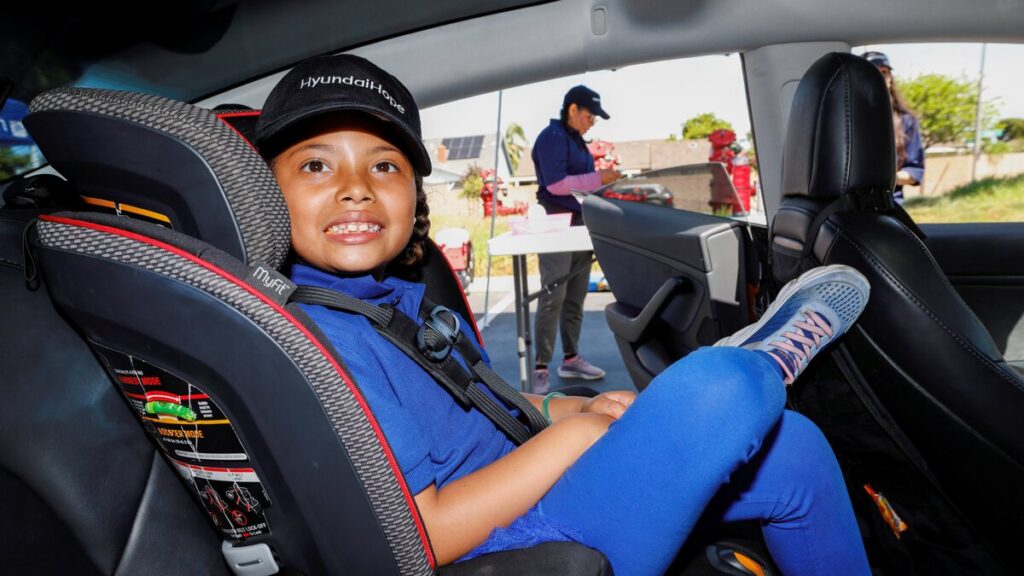
3. Avoid Buying Counterfeit or Third-Party Car Seats Online
Shopping online is convenient but third-party sellers create real risks. Stick with big-box retailers that you know and that stand behind what they sell and make returns easy. Platforms full of marketplace vendors often cannot guarantee the authenticity of a car seat.
“Counterfeit car seats are tricky. They really tug at your ability to buy a seat at a cheaper price point, but they fail in crashes and they are incredibly dangerous.” – Helen Arbogast
A suspiciously low price should raise immediate concern, especially for harnessed seats. Counterfeits may copy the outer look perfectly, right down to the brand stickers and labels, yet lack the internal engineering that protects children in a crash.
“It’s almost similar to putting your child in a baby doll car seat and putting them in the vehicle because it is mostly plastic.” – Helen Arbogast
“You know these things are going to fail in a crash and the parent has a sense of safety thinking they did the right thing,” said Arbogast. A counterfeit car seat gives the illusion of safety, and a parent may not even know their child is at risk. “They actually are putting their child in a really dangerous position to be in a unsafe device because it’s not a car seat.”
You may also like this: Is the 2025 Genesis GV80 Coupe the SUV We’ve Been Waiting For?
4. Always Follow the Manufacturer’s Guidelines
Just like our cars, car seats change constantly with new models released each year. That means changes not just in how they look, but in their guidelines for use. To be sure you’re using a car seat per the manufacturer’s guidelines, always go right to the source. Look for installation videos on the official company site rather than relying on random online sources. Read through any instructions included with your car seat and reach out directly to the company with any questions or concerns.
“Get information from reputable resources.” – Helen Arbogast
Relying on the manufacturer’s own site ensures you get accurate details on proper installation and helps you understand features you cannot see just by looking at the pretty cover on the outside. Even the best car seat won’t protect your child if it’s not used properly.
You may also like this: Hyundai Fuels STEM for Future Auto Careers
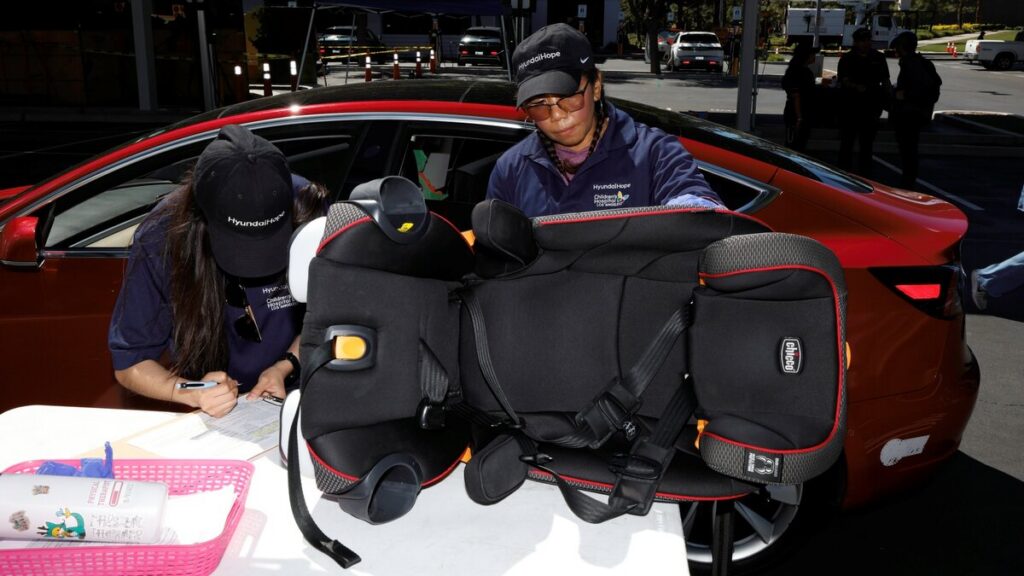
5. Get Help from a Certified Child Passenger Safety Technician
Yes, there really is a certification process. Certified technicians exist nationwide and can guide parents through selection and installation of a car seat. It’s not about picking a specific brand but rather getting the right seat to fit your car and your child.
A simple zip code search on safekids.org will show local options. These experts complete a full 40-hour course that ensures they’re ready to help parents pick the right car seat. Some law enforcement officers and firefighters are certified, but not all, so always verify that they’ve taken the course.
“There are people like me all over the country. There are certified child passenger safety technicians.” – Helen Arbogast
Certification is key because it means the person understands the types of seats available and how they fit in different cars. It also means they are familiar with a wide range of car seats which change all the time to the tune of 300 different models every year. A hands-on inspection by a certified technician can confirm that your seat fits the vehicle correctly and matches your child’s current height and weight.
These simple tips can help keep your children safer on every single ride. Events like the ones Hyundai Hope hosts nationwide make it easy for families to get hands-on help with car seat checks and even receive a new one if needed. Experts like Helen Arbogast are here to help parents make the best decision possible when it comes to protecting their most precious cargo out on the road.