Practical Car Features That Save You Time and Money

With gas prices now hovering near four dollars a gallon and new EV sales continuing to soften, many families are taking a closer look at what they really need in their next vehicle. Shoppers are moving away from flashy tech that sounds impressive on paper and toward features that cut costs and simplify daily life.
Tariffs are adding pressure to new vehicle costs, while the slowdown in full electric options has more people considering balanced choices that fit their budgets. In this environment, practical features stand out because they translate directly into lower ownership expenses and less hassle over time. Think fewer stops at the pump, easier loading for weekend trips, and safety systems that work reliably without constant fiddling.
You may also enjoy this: EV Sales Slow Down, Hybrids Surge: What that means for you

Why does this matter right now?
Rising fuel costs are hitting household budgets harder as spring travel picks up, and many drivers are feeling the pinch on everything from commutes to errands. The focus is on practical features that help families avoid overspending on technology they may rarely use while still gaining real benefits at the gas pump and in daily routines.
The broader market is recalibrating after a period of rapid change in powertrains. Consumers are responding by prioritizing features with clear payback. Whether you’re replacing an aging family hauler or simply upgrading, understanding which features deliver savings in time and money can make the difference between a smart purchase and one that feels like a mistake.
You may also enjoy this: Simple Driving Habits That Cut Your Gas Bill This Spring
Fuel Efficient Options Keep Money in Your Pocket
Hybrids are coming out as the big winner. They balance efficiency, cost, and convenience without forcing major lifestyle adjustments. They deliver better combined mileage than their gas-only counterparts, which means fewer fill-ups over the course of a year.
That adds up quickly when gas sits near four dollars a gallon, especially for households logging highway miles on vacations or daily drives. A vehicle with solid real-world efficiency lets you skip that extra stop at the pump and arrive with a few more dollars in your pocket.
Compared to traditional gas-only models that drink more fuel on the same trip, these balanced options keep monthly budgets steadier. They don’t even require a sacrifice in power with plenty of oomph for highway merging or towing light loads.
You may also enjoy this: 2026 Jeep Grand Wagoneer Brings Real Capability at a Friendlier Price

Smart Interior Layouts Save You Time
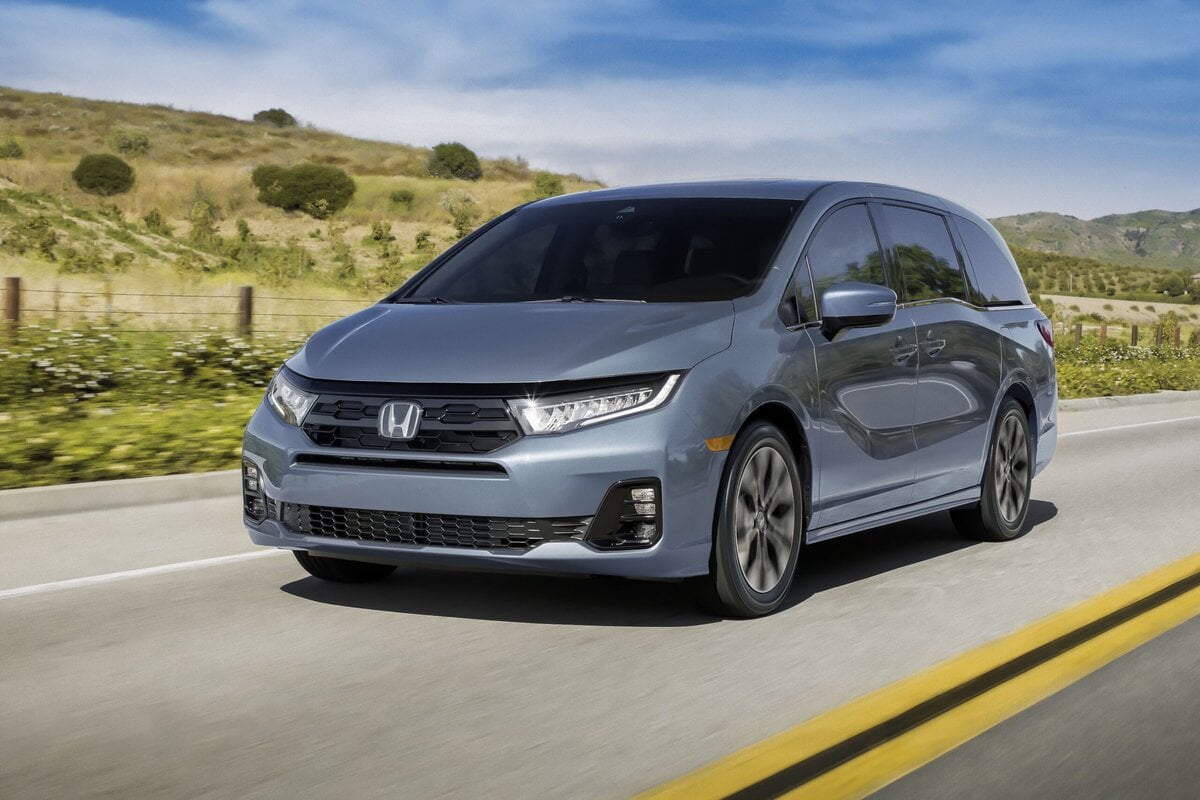
Cargo and seating versatility also separate the smart choices from the rest. Features like sliding second-row seats or flat load floors let families handle everything from soccer gear to grocery runs without extra trips or awkward rearranging.
Vehicles strong in these areas often rank higher for long-term value because they hold their appeal for busy parents who need the space to work as hard as the engine does. A fancy touchscreen is nice, but not having to play a game of Tetris every time you load up the car is better.
Instead of fighting with fixed seats or limited cargo room, you slide things into place quickly and head out. That saved time adds up across the week, whether you are dropping kids at practice or packing for a quick getaway, making the whole process feel less like a chore.
You may also enjoy this: Volvo EX30 Proves Small Cars Can Be Safer

Safety Technology That Works
Safety is always a priority, but intrusive tech is frustrating. Intuitive systems that offer automatic emergency braking or blind-spot monitoring without overly sensitive alerts enhance confidence without overwhelming the driver.
Overly complex systems do the reverse. Sure, they still provide protection, but they also cause a headache. If you don’t know why your car is beeping at you or it so touchy that it gives constant false positives, then it becomes a hindrance to your everyday life.
The practical winners strike a balance that keeps families safer while keeping ownership straightforward and affordable. These systems work in the background during your daily drive, giving you peace of mind on busy highways or in tight parking lots without constant beeps or screens demanding attention.
You may also enjoy this: The Halo Car Didn’t Disappear. It Got Taller and Tougher.

Key Features Worth Considering
Not every feature delivers real savings or makes daily driving easier, so it pays to focus on the ones that consistently pull their weight. These practical features stand out because they directly lower costs at the pump, reduce time spent fiddling or fixing things, and fit the way most families actually use their vehicles. Here is what buyers should look for during test drives and when comparing models.
- Strong real-world fuel economy, especially in hybrid powertrains, that cuts fill-up frequency and keeps monthly budgets steadier even when gas prices hover near four dollars a gallon
- Flexible cargo and seating setups, such as sliding second-row seats and flat load floors, that make loading groceries, sports gear, or vacation bags quick and frustration-free
- Intuitive safety systems like automatic emergency braking and blind-spot monitoring that work reliably in the background without constant alerts or complicated menus
- Reliable all-wheel drive or traction systems that provide confident handling in rain, snow, or light off-road conditions without hurting fuel economy
- Easy-to-access storage solutions, including multiple cupholders, charging ports, and under-floor compartments, that keep the cabin organized on everyday errands and longer trips
These features tend to pay off over time by lowering fuel and maintenance expenses while saving you precious minutes every week. They are the ones families consistently say make their vehicles feel more useful rather than just more expensive.
You may also enjoy this: Top 5 Three-Row Hybrid SUVs to Save on Gas

Practical Features Deliver Long-Term Value
Over the next few years, as tariff effects continue to influence pricing and the market settles into a more measured pace of electrification, the features that save money today are likely to remain relevant. Efficient power options and user-friendly interiors help insulate buyers from fluctuating fuel costs and rising ownership expenses. Families who choose based on these practical strengths position themselves for lower total costs and greater satisfaction over the life of the vehicle.
In everyday terms, that could mean an extra family vacation funded by fuel savings or simply less time spent worrying and more time enjoying the drive. Focusing on features that deliver tangible benefits rather than headline-grabbing technology.
The most rewarding purchases are often the ones that make life easier and lighter on the wallet. By zeroing in on practical features that have proven their worth in real family scenarios, you can drive away confident that your new car is working for you, not the other way around.