The Halo Car Didn’t Disappear. It Got Taller and Tougher.
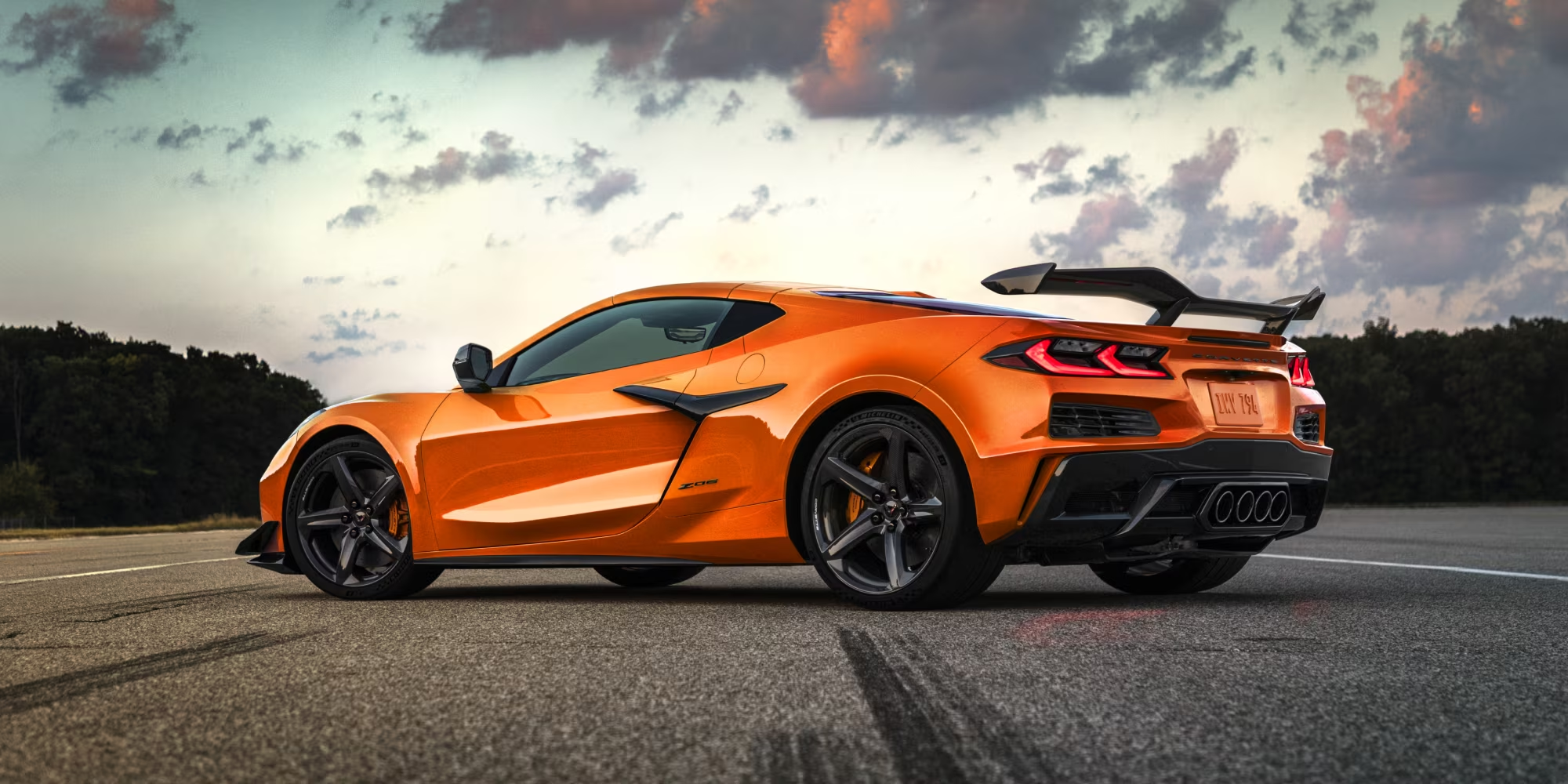
For decades, the halo car was easy to identify. Low, expensive, and impractical. It showed what a brand could do, even if very few people actually bought one. Think Viper, NSX, Corvette, and the long line of coupes that looked marvelous in the brochure and slightly ridiculous in a supermarket parking lot. That formula has changed.
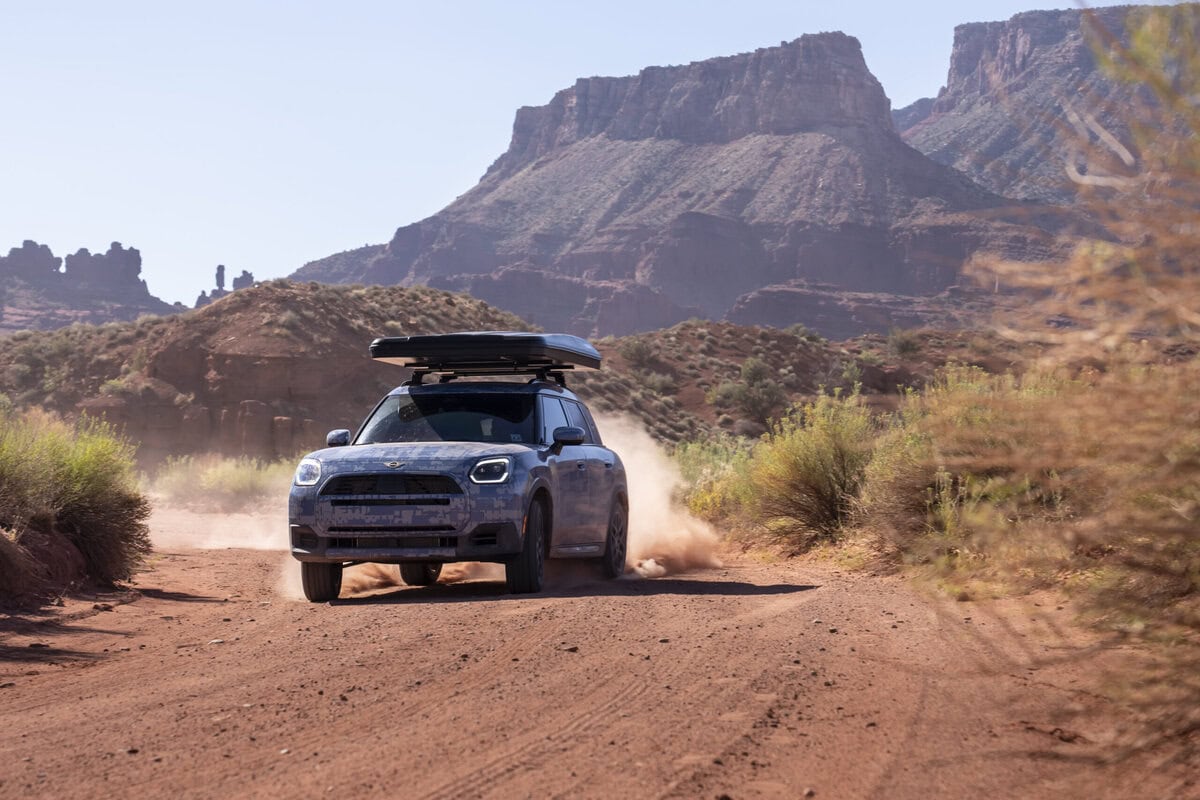
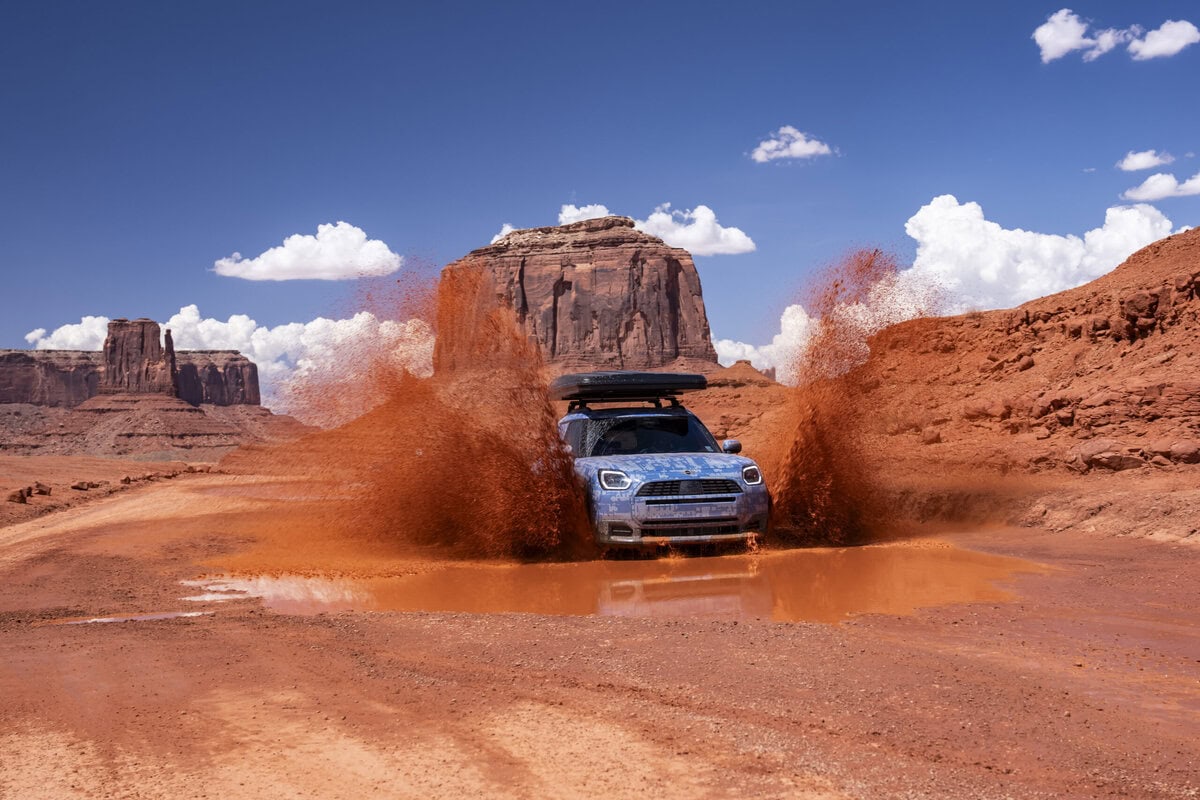
The modern halo car is no longer a two-seat performance special built to chase lap times and decorate bedroom walls. Today, the vehicles carrying brand identity are far more likely to be rugged SUVs and off-roaders. Bronco, Wrangler, Defender, Land Cruiser, and G-Class now do the emotional heavy lifting once reserved for sports cars. They are aspirational, yes, but they are also useful, durable, and realistic enough to fit into everyday life.
You may also enjoy this: Why Off-Road Trims Dominate SUVs in 2026
The Halo Shift Is Not Theoretical. It Is Happening in Plain Sight.
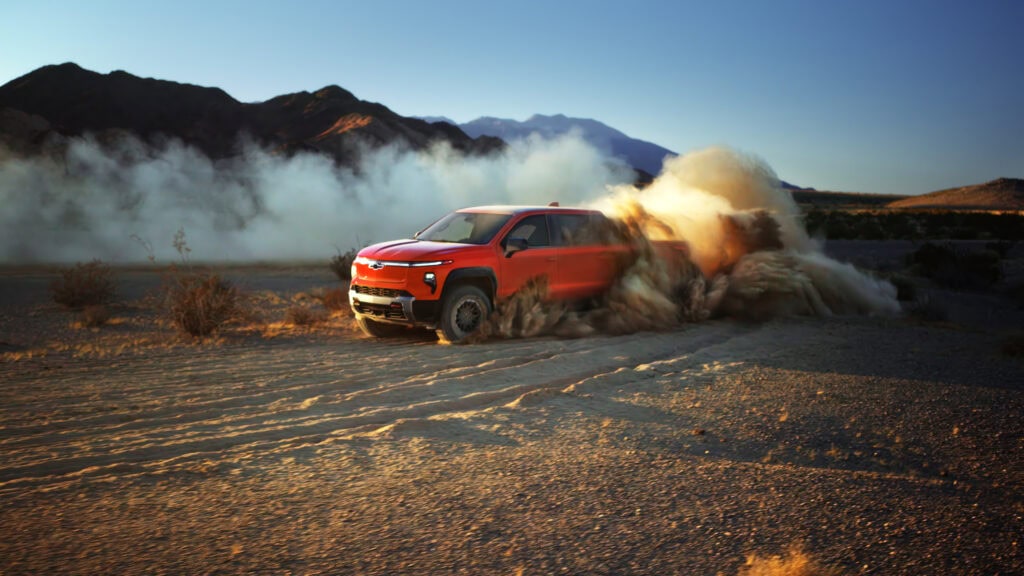
Ford sold 146,007 Broncos in the U.S. last year. Jeep moved 167,349 Wranglers in 2025. Toyota’s reintroduced Land Cruiser jumped nearly 51 percent to 43,946 sales. Land Rover Defender climbed from 9,100 U.S. sales in 2020 to 27,707 in 2024. Even the Mercedes-Benz G-Class still sells in meaningful numbers despite its price and unmistakable sense of square-jawed excess. That is not nostalgia on life support. That is a full market repositioning.
What buyers now respond to is not just performance. It is credibility. These vehicles project resilience. They suggest that if the weather turns foul, the road ends, or the week becomes mildly chaotic, they will simply get on with it. The modern halo is less about top speed and more about confidence. That broader appetite for capability is part of a much bigger industry shift.
The point is not that every buyer wants to tackle the Rubicon Trail. It is that capability, or even the believable appearance of capability, has become one of the most valuable things a brand can sell. That aligns with wider market behavior, too. Cox Automotive’s market analysis shows small and midsize SUVs and trucks continuing to gain shopper share, which helps explain why brands now place their image vehicles in taller, tougher segments instead of low-slung coupes.
You may also enjoy this: EV Sales Slow Down, Hybrids Surge: What that means for you
Most Owners Will Barely Use the Capability, and That Barely Matters
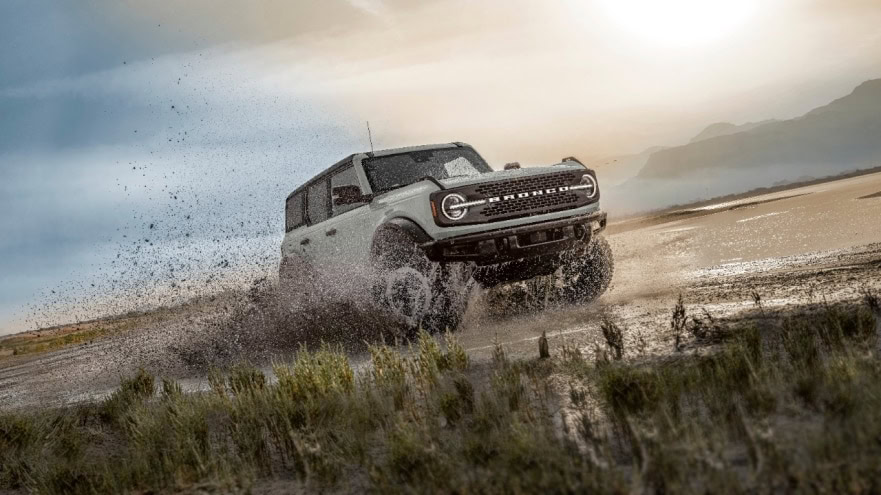
Here is the delicious irony. Most people who buy these vehicles will never do anything remotely heroic in them. They are not spending weekends winching friends out of ravines or wading through glacial rivers in Iceland. Many will never leave pavement. And yet the appeal remains enormous.
That is because buyers are not just purchasing a machine. They are buying reassurance. They want the feeling that their vehicle can handle snow, broken pavement, dirt roads, camping gear, dogs, kids, towing, and the general chaos of modern life. It is not always about what the vehicle will do. It is very often about what it could do if asked.
That same idea shows up in bad-weather driving as well. Buyers may never crawl over boulders, but they care deeply about whether a vehicle feels secure in the rain, composed in snow, and unbothered by a rough road on a dark winter morning. Toughness has become a daily-use luxury.
You may also enjoy this: Rivian R2 Robotaxis in 2028 – What It Means for EV Buyers
Sports Cars Did Not Vanish. They Were Outvoted.
Traditional sports cars now represent a tiny slice of the U.S. market, while SUVs and light trucks dominate. That is the commercial reality. Consumers want ride height, cargo room, visibility, flexibility, and enough refinement to survive a long commute without needing a chiropractor or a second espresso. Automakers noticed. Naturally.
Instead of asking mainstream buyers to admire some exotic machine from afar, brands moved their halo products into segments where actual customers already spend money. It is not a betrayal of performance heritage. It is an adaptation to where the audience lives.
Even the brands shaping the future of electrification are being forced to think this way. The most compelling modern vehicles are increasingly the ones that solve ordinary-life problems well, not the ones that simply post dramatic acceleration figures and hope nobody asks about range, charging, or whether the dog can climb in the back.
The Modern Halo Also Had to Learn Some Manners
Old halo cars were often brilliant and deeply inconvenient. That no longer works. Modern halo SUVs have to do more than just look imposing. They must be civilized. That means large screens, smart camera systems, adaptive dampers, over-the-air updates, full driver assistance suites, and cabins that do not feel like punishment for wanting an adventurous image.
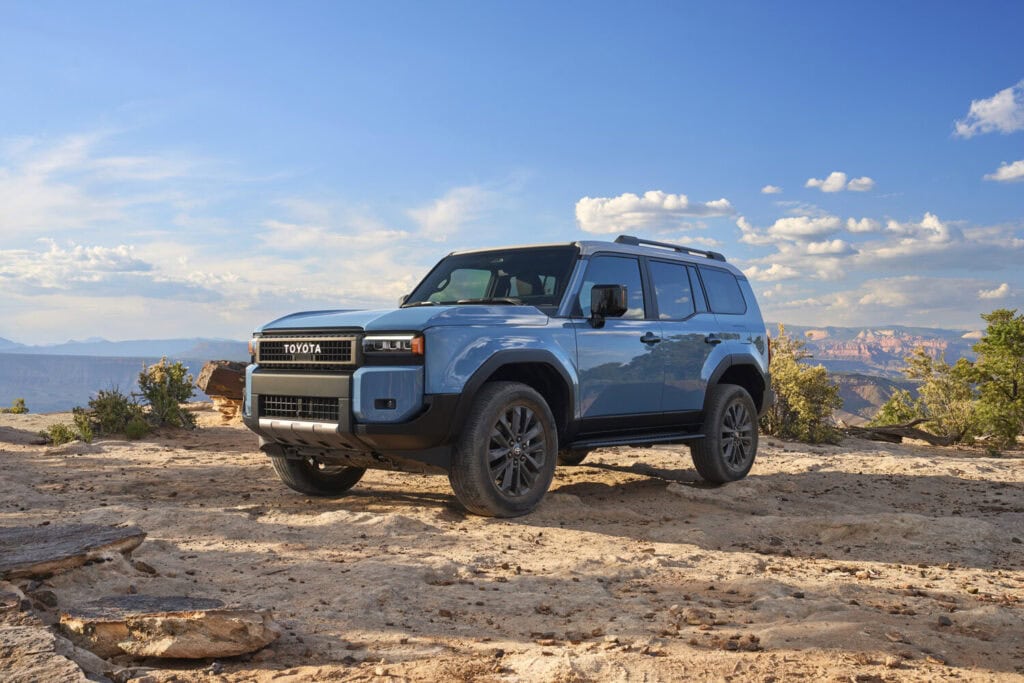
This is part of why vehicles like Bronco, Defender, and Land Cruiser resonate so strongly. The Ford balances lifestyle appeal with genuine four-wheel-drive capability, while the Defender emphasizes that it drives with real luxury-SUV refinement despite its off-road credibility. The same balancing act appears in the Land Cruiser, which is both plush on the road and authentically capable once the pavement ends.
In other words, these are not stripped-down trail rigs. They are polished, intelligent, all-weather status symbols. Tough outside, civilized inside. Which, frankly, is not a bad description of most buyers’ aspirations either.
You may also enjoy this: Fast Used Cars Under $50K That Beat Supercars
Electrification Did Not Kill the Halo. It Was Invited In.
One of the more interesting changes in this new era is that electrification has not replaced emotional vehicles. It has been layered into them. Jeep Wrangler 4xe proved buyers will happily accept a plug-in hybrid if it still feels like a Wrangler. Toyota’s hybrid Land Cruiser shows the same instinct. Even the electric G-Class suggests that heritage and new technology do not need to be sworn enemies.
The halo did not retreat from technology. It absorbed it. The emotional center of the market is shifting toward vehicles that combine modern tech with a sense of identity and usability. The winners are not the cars that feel like engineering exercises. They are the ones that feel like they belong in real life. That logic also fits the broader transition described by the EPA’s guide to electric and plug-in hybrid vehicles, where electrification is presented less as a novelty and more as a practical layer added to familiar vehicle types.
You may also enjoy this: BMW Finally Fixed the Electric Car, The New i3 Proves It
Why This Matters for Brand Identity
A halo vehicle used to function mostly as a poster. Today it functions as a business strategy. That is a far more powerful role.
Rugged halo SUVs can sell in volume. They can support premium trims, accessory catalogs, special editions, hybrid or electric variants, and entire lifestyle ecosystems. They become profit centers as well as symbols. A supercar can generate headlines, but a Bronco or Wrangler can build a whole commercial universe around itself.
That is why practicality has become the new prestige. The modern halo does not just signal taste. It signals preparedness. It says you chose something capable, useful, and desirable without drifting into caricature. Or at least not too much caricature.
The New Halo Also Reflects a Different Kind of Future
There is another layer to this change. These vehicles are increasingly shaped by software, efficiency, driver assistance, electrification, and broader ideas about how transportation fits into modern life. The halo is still emotional, but it is now emotional in a smarter, more disciplined way.
The future of the automobile will not be defined by horsepower alone. It will be defined by the engineers, software teams, battery experts, and systems thinkers designing vehicles that can be durable, efficient, safe, and desirable all at once. The halo vehicle, in that sense, has matured. It no longer needs to shout. It just needs to do many things well, and suggest that it could do even more if the situation demanded it.
You may also enjoy this: Hyundai Fuels STEM for Future Auto Careers
The Supercar Got Taller
So what replaced the old halo car? Not a direct substitute, exactly. More an evolution shaped by the market, by technology, and by how people actually live.
The modern halo car is the vehicle that can tow 7,000 pounds, carry the dogs, survive a snowstorm, handle a rutted forest road, and still look entirely at home outside a nice restaurant. It is aspirational without being absurd. Functional without being dull. Technically sophisticated without losing its mechanical soul.
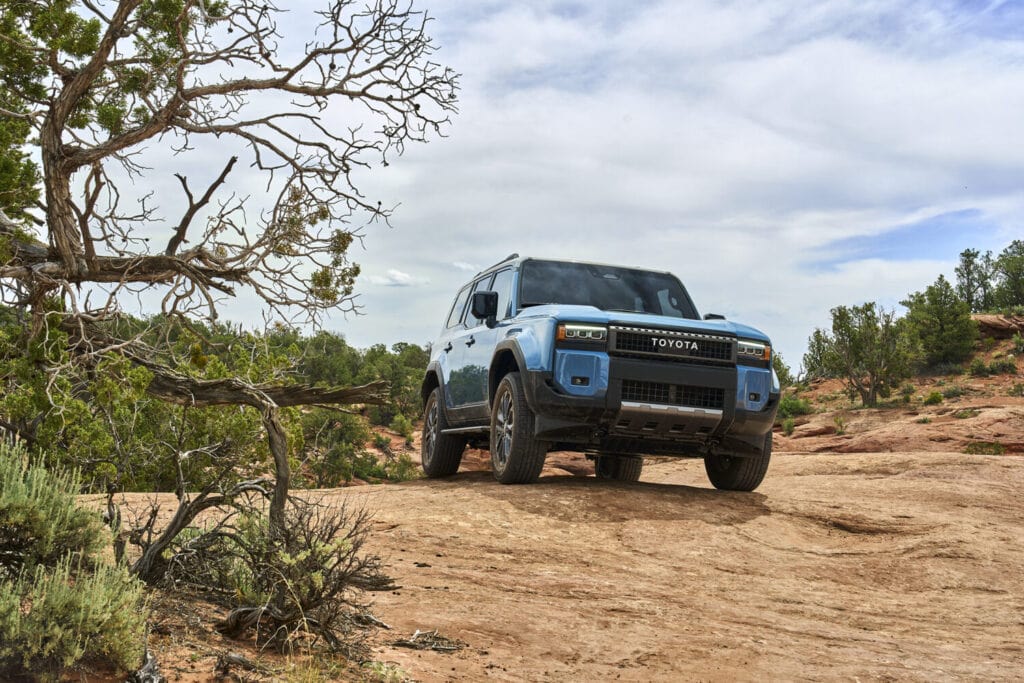
That is why the Land Cruiser makes such a strong case study. It embodies the shift perfectly. It is heritage made practical. Capability made accessible. Identity turned into something you can use on a Tuesday. The halo didn’t disappear. It just got taller, tougher, and far more useful.