Best Full-Size Trucks in America for 2026

On paper, this class looks simple enough: Ford F-150, Ram 1500, Chevrolet Silverado 1500, GMC Sierra 1500, and Toyota Tundra. But once you compare price, towing, payload, warranty, fuel economy, resale value, cabin comfort, and technology, the obvious answer stops being obvious.
This is where full-size truck shopping gets interesting. One model wins on value, another on warranty, another on towing, and another on long-term ownership logic. In other words, there is no single paper champion. There is only the truck that best fits your life, your work, and your budget.
Start with Price, Because Everyone Does
Let’s begin where most buyers begin: the number on the window. The Chevrolet Silverado 1500 opens at $36,900, making it the lowest-priced way into a full-size truck. The GMC Sierra 1500 starts at $38,300, the Ford F-150 at $39,330, the Toyota Tundra at $41,260, and the Ram 1500 at $42,025.
That gives Chevrolet the early win on affordability. GMC asks a little more for its more polished take on the same basic formula. Ford lands in the middle. Toyota starts higher than the Detroit bargain options, and Ram asks the most before you have added a single luxury or off-road indulgence.
You may also be interested in this: That New Car Is $6,400 More Expensive. Here’s Why
Warranty Is Where Ram Lands a Real Punch
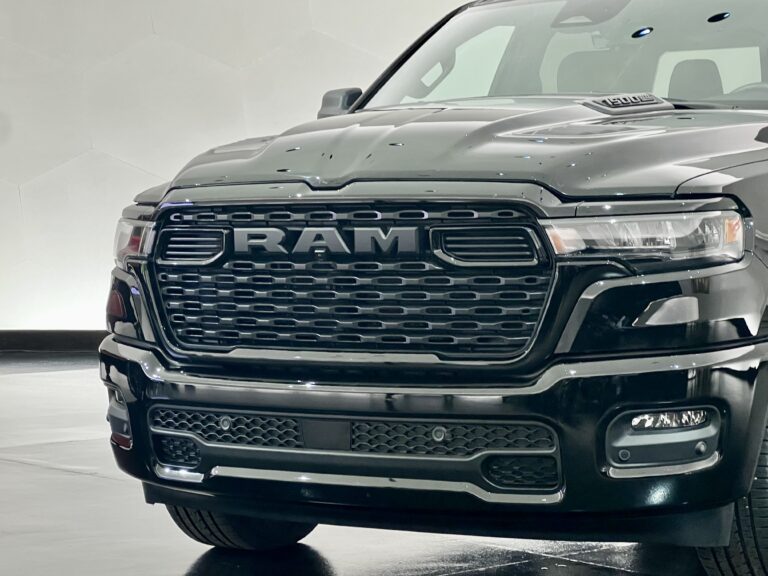
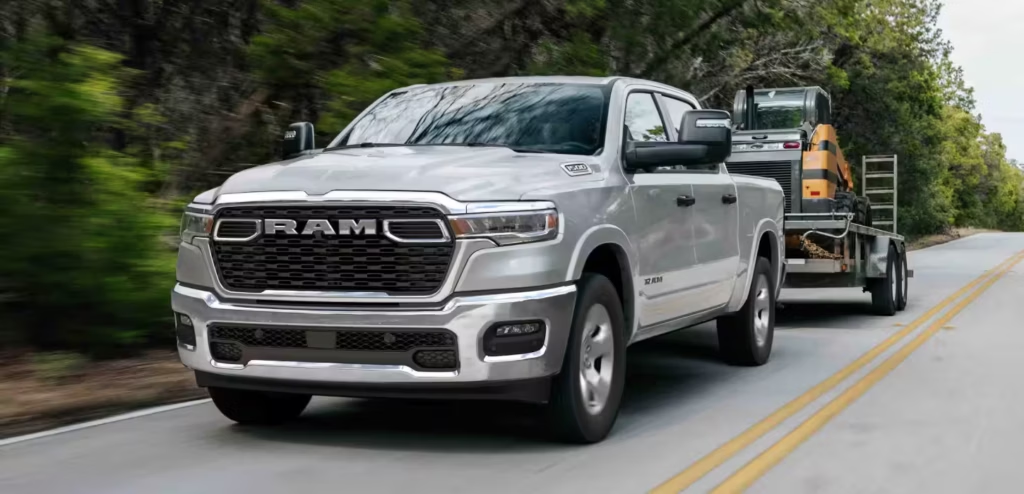
If you keep trucks a long time, warranty matters more than brochure theater. Ram brings the strongest paper advantage here with a 10-year or 100,000-mile powertrain warranty. In truck terms, that is not a footnote. It is a billboard.
Ford, Chevrolet, GMC, and Toyota stay with the more traditional pattern of 3 years or 36,000 miles of basic coverage and 5 years or 60,000 miles on the powertrain. Toyota adds complimentary maintenance and roadside help for a limited period, which is useful, but Ram still owns the headline.
You may also be interested in this: The $40K Truck Is Dead: Ram CEO Says What the Industry Won’t
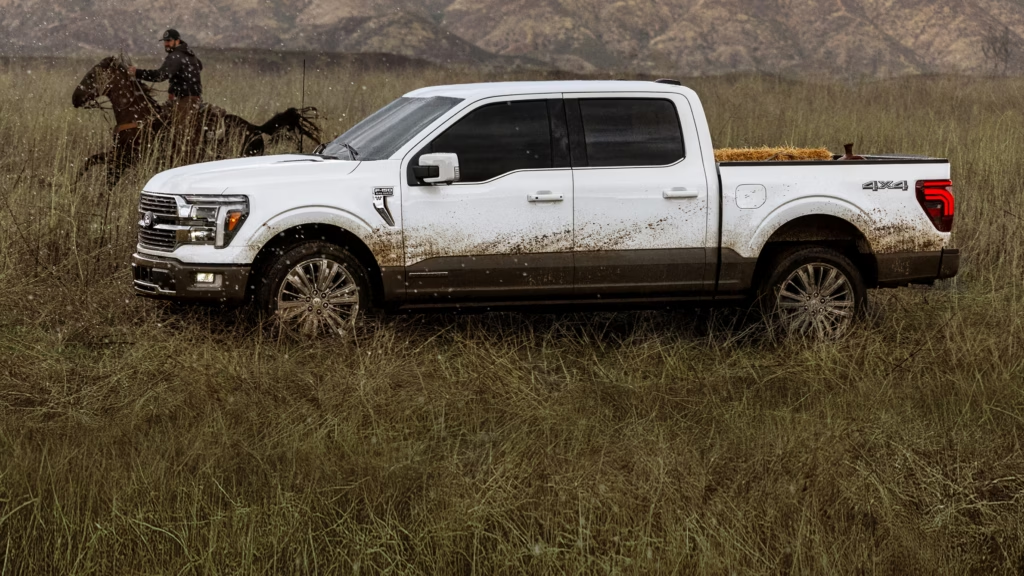
Capability Still Belongs to Ford
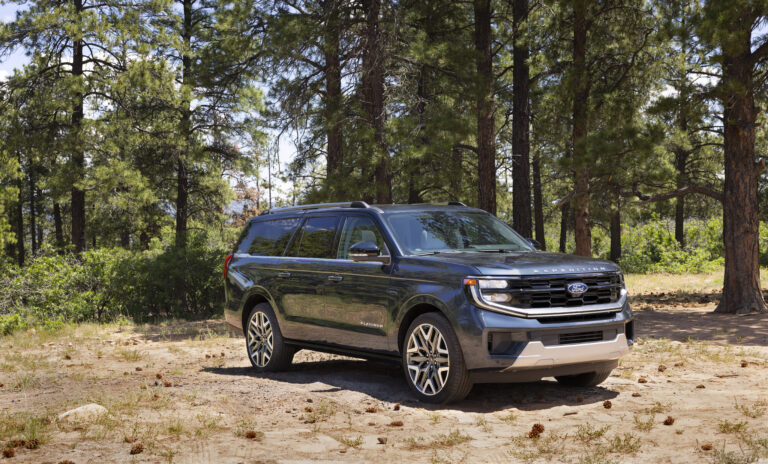
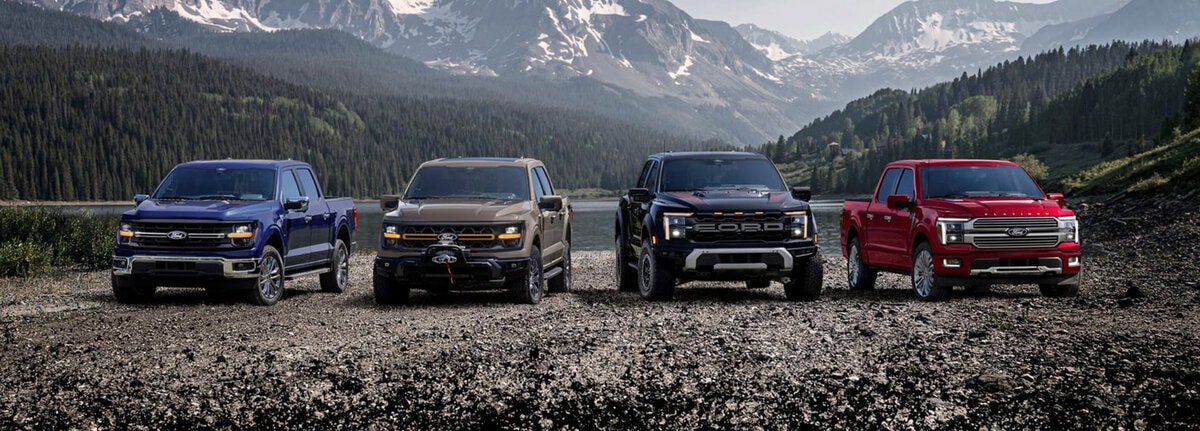
The 2026 Ford F-150 still posts the class-leading numbers that matter most to work-focused buyers. Its maximum towing capacity reaches 13,500 pounds, and its payload tops out at 2,440 pounds. That makes it the cleanest answer for buyers hauling serious trailers or loading the bed with real weight instead of lifestyle props.
The GM twins remain close behind. The Silverado 1500 reaches 13,300 pounds of towing and 2,260 pounds of payload. The Sierra 1500 follows at 13,200 pounds max tow. Ram posts 11,610 pounds max towing and a stout 2,360-pound payload, while Toyota’s Tundra reaches 12,000 pounds of towing and 1,850 pounds of payload.
You may also be interested in this: 2026 Chevrolet Silverado EV Trail Boss: The Off-Road Electric Truck with physics defying range
Fuel Economy Has a Contrarian Winner
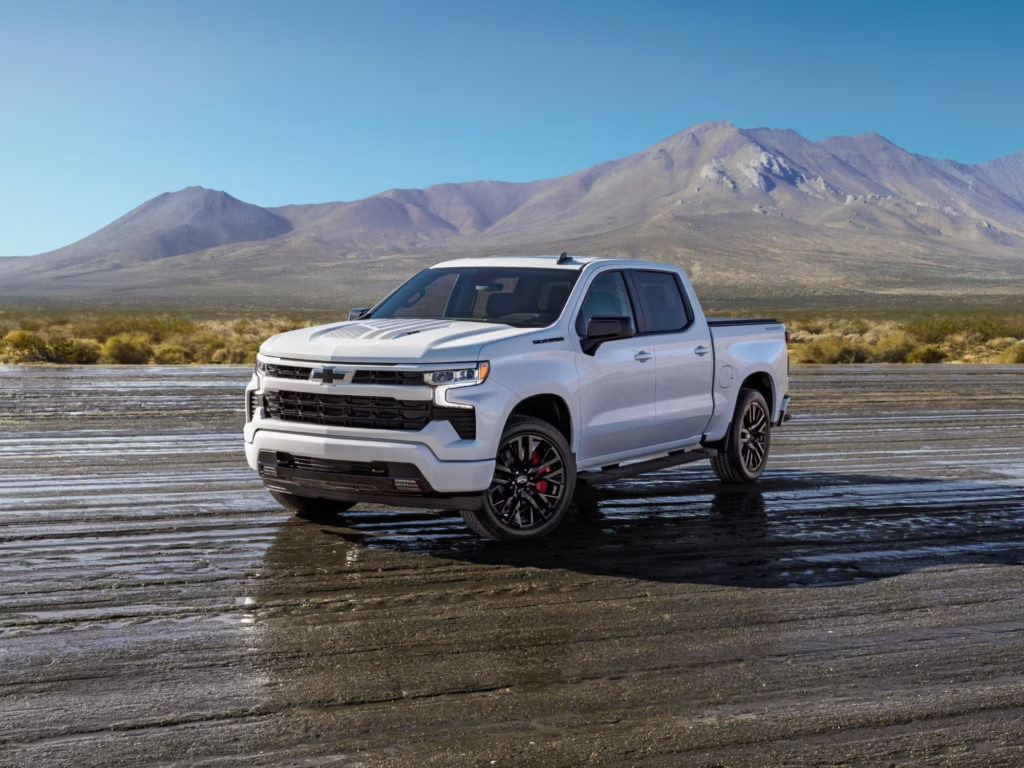
Here is the part that upsets the predictable dinner-party take. The most efficient trucks in this group are not the ones with the hybrid halo. The diesel-powered GM trucks still lead the official economy conversation. The GMC Sierra 1500 diesel is rated as high as 23 city, 29 highway, and 26 combined. The Chevrolet Silverado 1500 diesel goes as high as 23 city, 28 highway, and 25 combined.
Toyota’s hybrid Tundra does not beat those figures, and Ford’s PowerBoost hybrid remains strong without taking the crown on official numbers. If your real life involves large highway miles, the GM diesels make a serious practical argument.
You may also be interested in this: GMC Sierra EV Proves Utility Beats Hype
Resale and Reliability Favor the Long Game
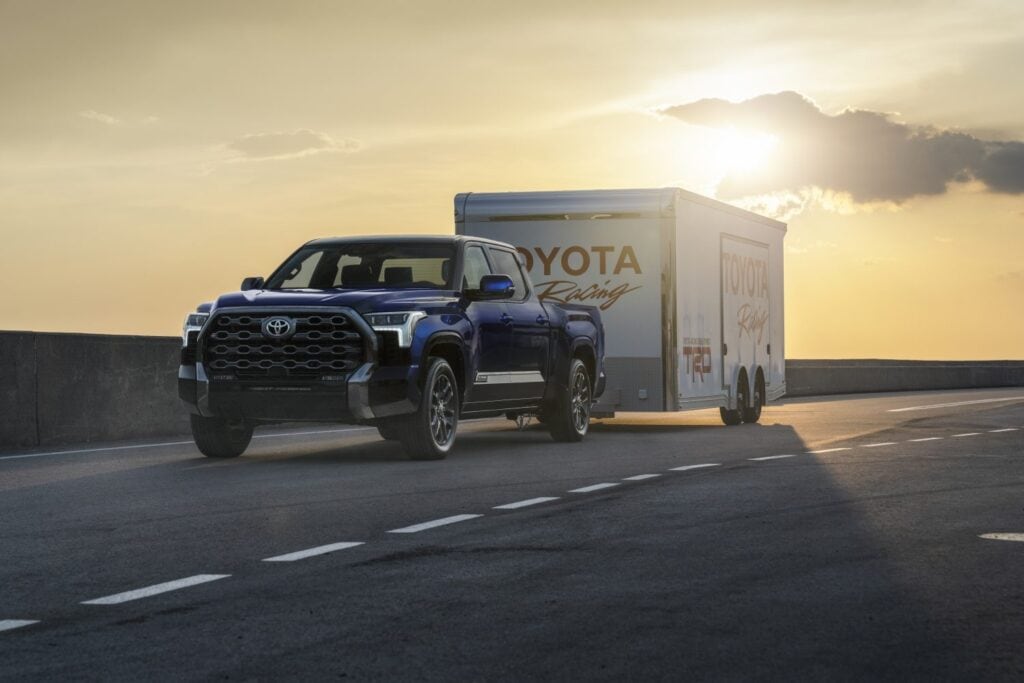
Toyota still owns the long-game ownership argument. The Tundra leads this group on retained value, with Kelley Blue Book estimating roughly 59.9 percent value retention after five years. That may not feel glamorous at the dealership, but depreciation has a nasty way of becoming very glamorous when you try to sell or trade the truck later.
Reliability is slightly messier because different studies reward different things. Some put the Tundra at the top, others give the Silverado a strong dependability case, and Ram points to favorable quality results of its own. The useful takeaway is that none of these trucks look foolish in the ownership conversation. They are all credible.
You may also be interested in this: The Winners and Losers of 2025: What Americans Really Bought
Cabin Space Depends on Which Row Matters Most
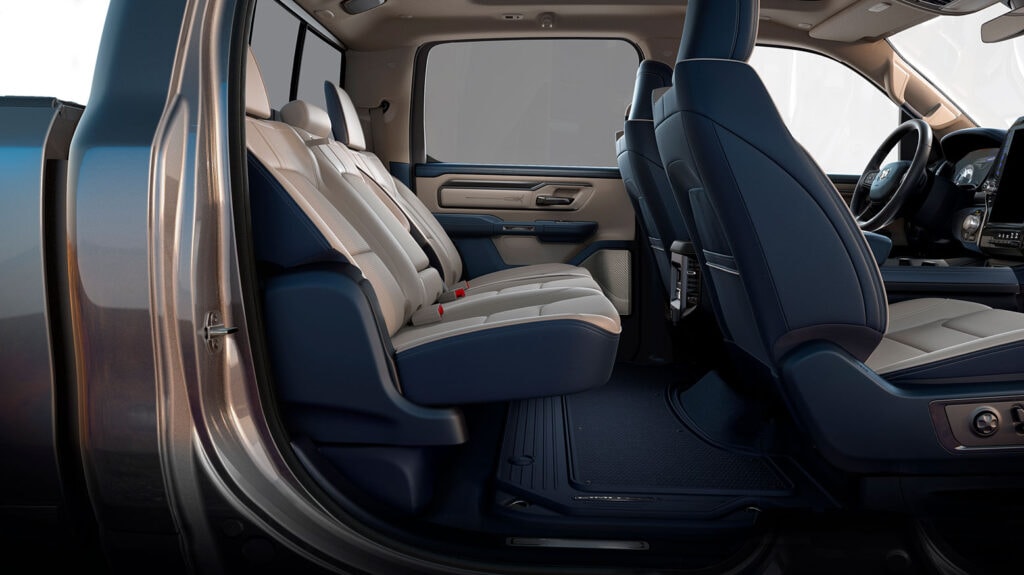
This is where one answer becomes three. Ram says it has best-in-class available Crew Cab rear-seat legroom at 44.8 inches. If your truck doubles as family transport, dog carrier, or camera-gear shuttle, that matters. Ram’s back seat is the closest thing in this group to a lounge.
GMC makes a different case, focusing on front-seat comfort and premium materials. The Sierra feels more polished and more upscale, especially for buyers who spend most of their lives in the driver’s seat. Toyota’s CrewMax remains comfortable and practical, but it is less interested in theater and more interested in getting on with the job.
Tech Is Not One Thing Anymore
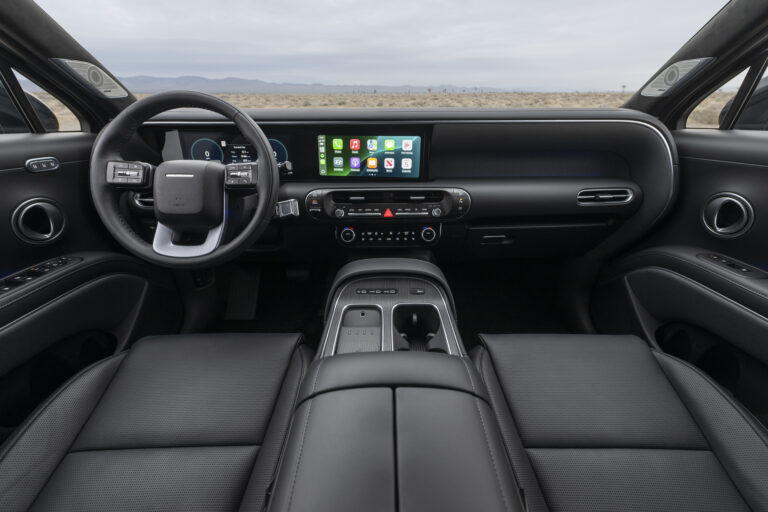
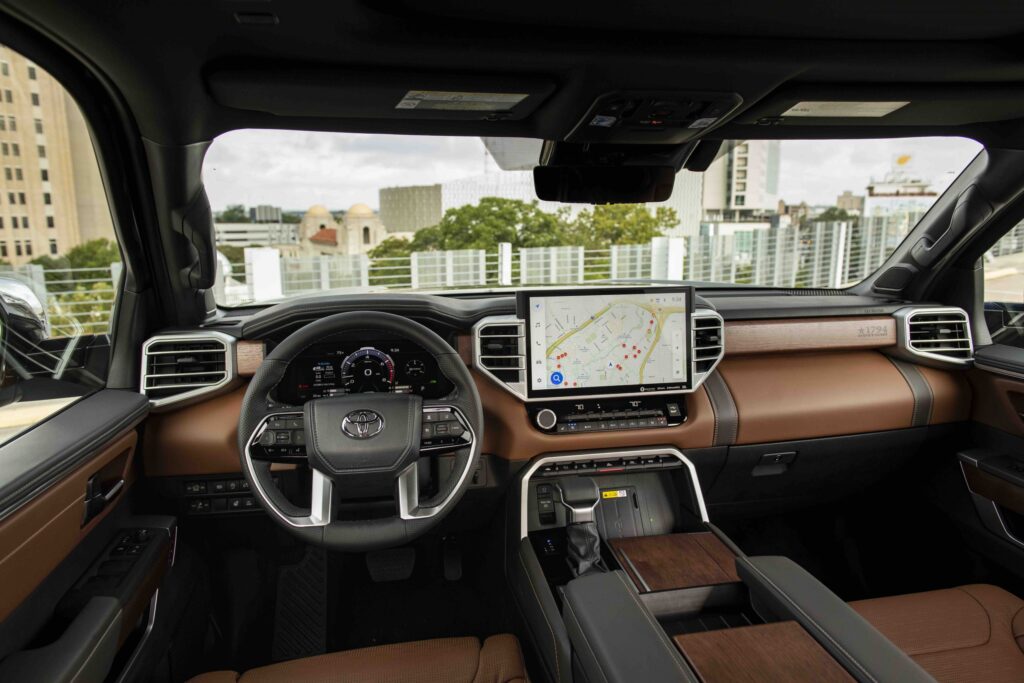
Ford has the smartest work tech. Ram has the most dramatic screen experience. GMC offers the premium-hardware flex. Toyota keeps things sensible with features most owners will actually use every day.
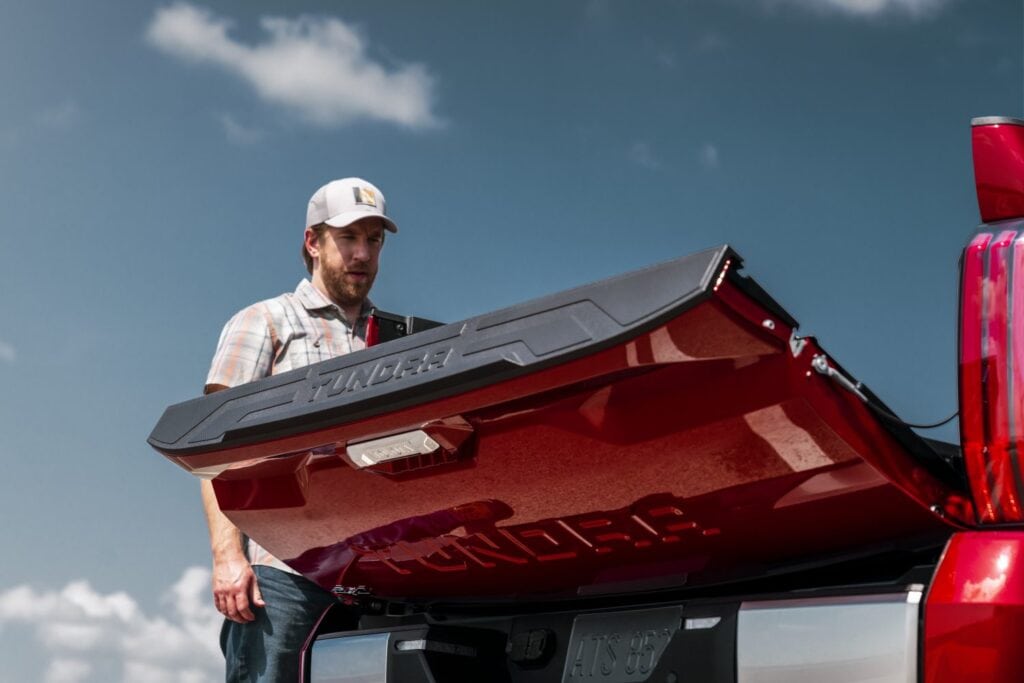
Ford’s Pro Access Tailgate gets you physically closer to the bed, and Pro Power Onboard can supply up to 7.2 kW for tools, appliances, or campsite duties. Ram counters with a cabin dominated by available digital real estate, including a massive center touchscreen and available passenger display. GMC blends big-screen luxury with familiar usability. Toyota, as ever, chooses discipline over drama and makes standard safety equipment central to the pitch.
You may also be interested in this: Ram 1500 REV: The 500-Mile Electric Truck That Roars.
Ford Owns the Volume Story
Sales figures are not perfect because automakers do not all report them the same way, but the broad picture is still clear. Ford remains the volume leader. In Q1 2026, Ford reported 159,901 F-Series sales. GM reported 128,818 Silverado sales and 75,607 Sierra sales. Ram 1500 came in at 59,828, and Toyota Tundra totaled 34,616.
The caveat is that Ford reports F-Series rather than a pure F-150-only number, so the category deserves a little caution. Still, the broader point holds. Ford sells the most. Toyota sells the least in this group. Volume does not prove a truck is perfect, but it does suggest market trust.
So Which Truck Is Best?
The honest answer is that the job wins first, and the truck wins second. If you want the cheapest way into a full-size truck, start with Chevrolet. If you want the strongest warranty and one of the plushest interiors, start with Ram. If you want the hardest-working spec sheet, start with Ford. If you want premium GM polish, start with Sierra. And if you care most about long-term resale and ownership logic, start with Toyota.
That is why the best full-size trucks in America for 2026 do not produce one universal winner. They produce several category winners. And that is exactly how this segment should work.