2026 Toyota EV Lineup Finally Fits Real Life

Toyota has spent years listening to critics say it was late to the battery electric game. That line is harder to defend now. After sitting down with Owen Peacock from Toyota, the bigger story was not that Toyota finally has more EVs. It was that Toyota now has four electric vehicles aimed at four different kinds of American buyers, which is a far more useful thing.
That shift matters because the EV conversation has changed. A few years ago, the debate was mostly about whether electric cars were coming at all. Now the question is much more personal. Which one works for my commute, my house, my family, my dog, my road trip, and my patience level on a Wednesday night when the battery is low and dinner is getting cold.
Peacock framed Toyota’s position clearly in our interview when he said, “Electrification isn’t one-size-fits-all. For some customers, it’s perfect. For others, hybrids or other solutions make more sense right now.” That is the key to understanding what Toyota is doing here. This is not a company declaring that every driveway in America must go fully electric tomorrow. It is a company adding more EV choices to a broader strategy it still believes should match the buyer to the job.
You may also enjoy this: 2026 Toyota Lineup Preview: The Year the Camry Got a Sibling with a Socket
What Actually Changed
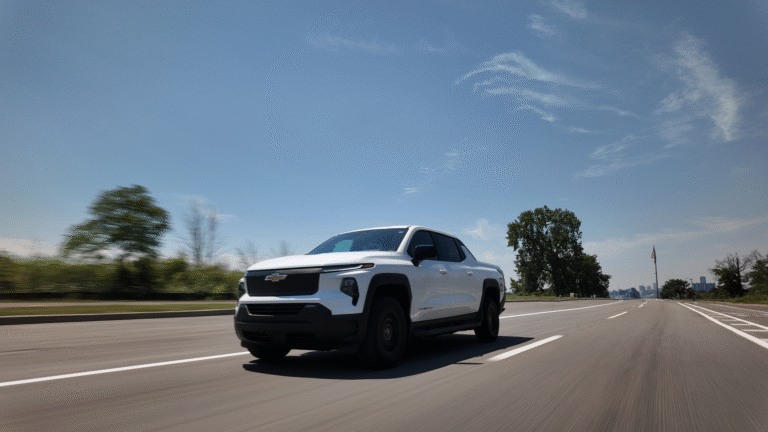
For years, Toyota’s electric presence in America felt narrow. It had an EV, but not really an EV lineup. That distinction matters. One model can make a statement. A lineup can start serving actual households. Toyota now has the mainstream bZ, the more adventurous bZ Woodland, the sporty C-HR EV, and the upcoming Highlander EV for buyers who need family-sized practicality. That is the first time Toyota’s electric story in the U.S. feels broad enough to cover normal use cases instead of just checking a regulatory box.
Peacock made another point that explains why this moment feels different. “We’re no longer talking about the future in abstract terms. Five or ten years ago, it was all concept cars and white papers. Now it’s execution. Products are on the road, customers are using them, and expectations have changed dramatically.” He is right. Buyers do not want to hear theory anymore. They want to know whether a car charges reliably, drives properly, and fits into their routine without turning every journey into a planning exercise.
That is also why Toyota’s four-vehicle spread matters more than a flashy launch headline. The 2026 bZ offers up to 314 miles of EPA-estimated range in the right trim. The bZ Woodland adds 375 horsepower, standard all-wheel drive, and up to 281 miles of EPA-estimated range.
The 2026 C-HR EV pushes the fun side with 338 horsepower, standard all-wheel drive, and a claimed 0 to 60 time of 4.9 seconds, while the new Highlander EV brings three-row space and a quoted range of up to 320 miles in some versions. Those are not abstract promises. They are concrete attempts to cover commuting, family duty, weekend hauling, and a bit of genuine enjoyment. Toyota has moved from offering an EV to offering EV choices.
You may also enjoy this: The 2026 Toyota bZ: More Range, More Power, Less Nonsense
The Everyday Case
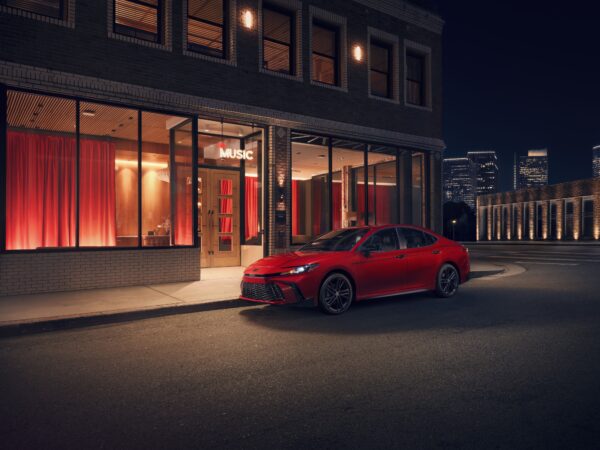
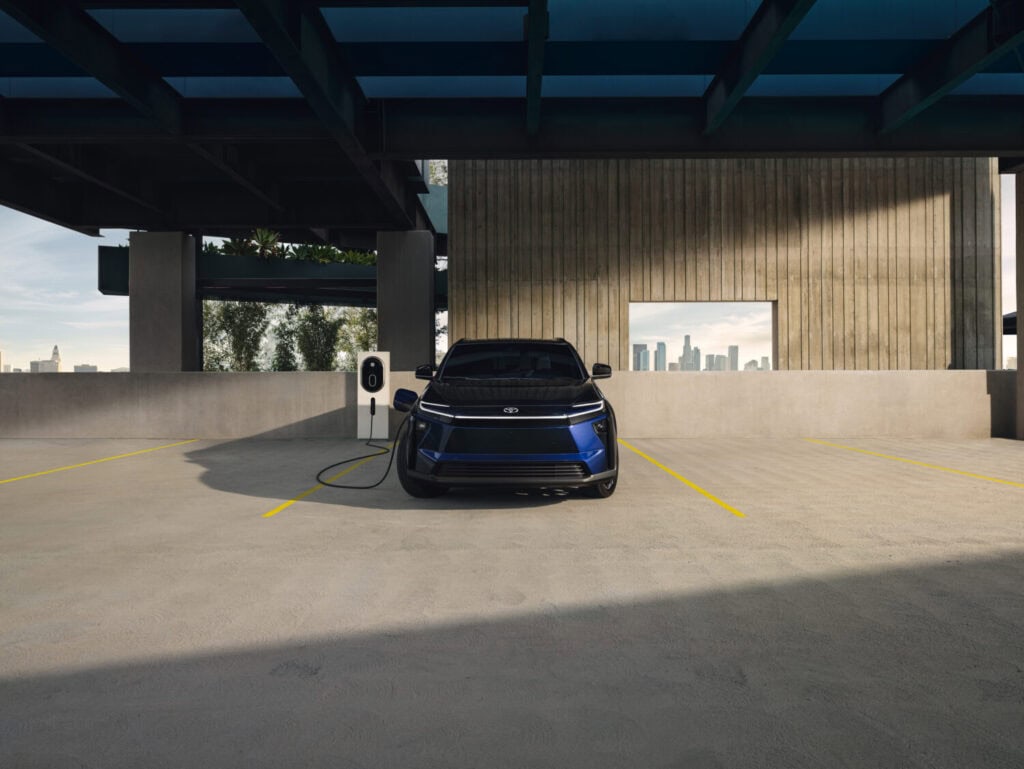
The easiest Toyota EV for mainstream America to understand is the bZ. It is the least dramatic of the bunch, which is exactly the point. This is the one for errands, commuting, school runs, grocery duty, and that quiet hope that your car will simply behave itself. Toyota says the updated 2026 model adds a larger 14-inch screen, battery preconditioning for better charging preparation, and a North American Charging System (NACS) port that opens the door to a much wider public fast charging network. Those upgrades are not glamorous, but they are the sort of details that reduce ownership friction.
Battery preconditioning in particular is one of those features that sounds technical until you understand what it changes. Charging speed depends heavily on battery temperature, which is one reason why the number on the charger and the number in real life are often not the same thing. Range and charging outcomes vary with cold weather, speed, climate control use, and driving style.
Peacock also said, “Customers are less forgiving. They expect technology to work the way their phone works. If it doesn’t, they don’t blame themselves, they blame the brand.” That may be one of the most important lines in the entire interview. It captures why Toyota’s EV expansion is not really about headlines or ideology. It is about reducing reasons for a buyer to feel annoyed, stranded, or talked down to.
You may also enjoy this: Toyota C-HR 2026 EV: 287 Miles, 338 HP, Real Cargo
The Fun Option
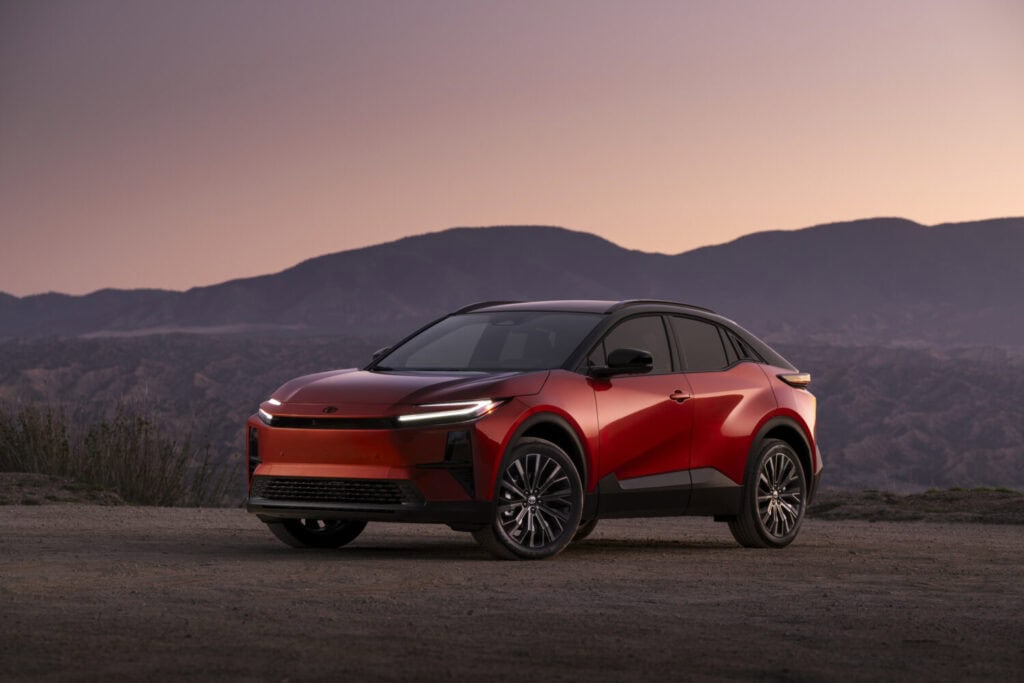
If the bZ is the practical grown-up, the C-HR EV is the one with a bit of a pulse. Toyota says it makes 338 horsepower, sends power to all four wheels, and can reach 60 miles per hour in 4.9 seconds. For a sensible electric crossover, that is properly brisk. More importantly, it changes the tone of Toyota’s lineup. This is not an apology car. It is not some joyless electric box built to tick a policy square. It looks sharper, feels more youthful, and finally gives Toyota something in this space that buyers may actually want as well as need.
That matters because many shoppers still assume EVs are either expensive luxury objects or dreary appliances. The C-HR EV argues for a third category. It is usable every day, has enough range for normal life at up to 287 miles in the SE grade, and still offers enough performance to stop the whole experience feeling like a chore. In plain English, this is the Toyota EV for someone who wants a car first and a powertrain second.
Peacock put the issue in broader terms when he told me, “Engineers solve problems. Ideology creates sides. Customers just want something that works for their lives.” That is a neat summary of why the C-HR EV matters. It is not trying to win an internet argument. It is trying to be a useful, appealing thing people might actually buy.
You may also enjoy this: 2026 Toyota bZ Woodland: For People Who Don’t Want an EV
The Utility Play
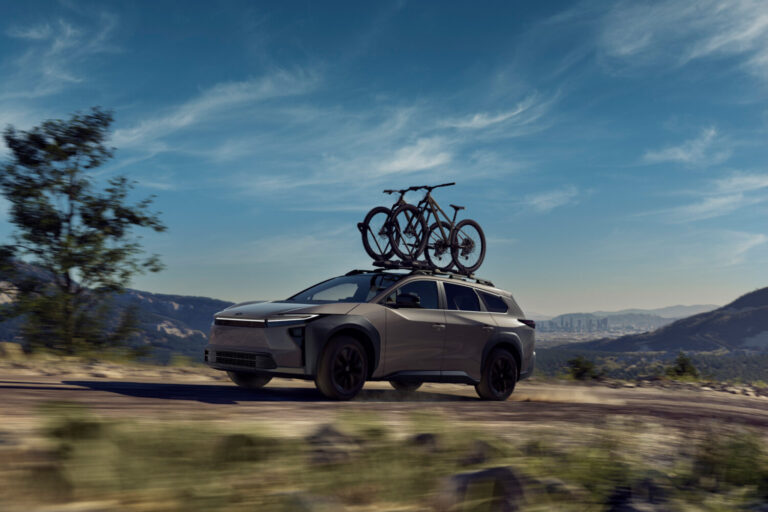
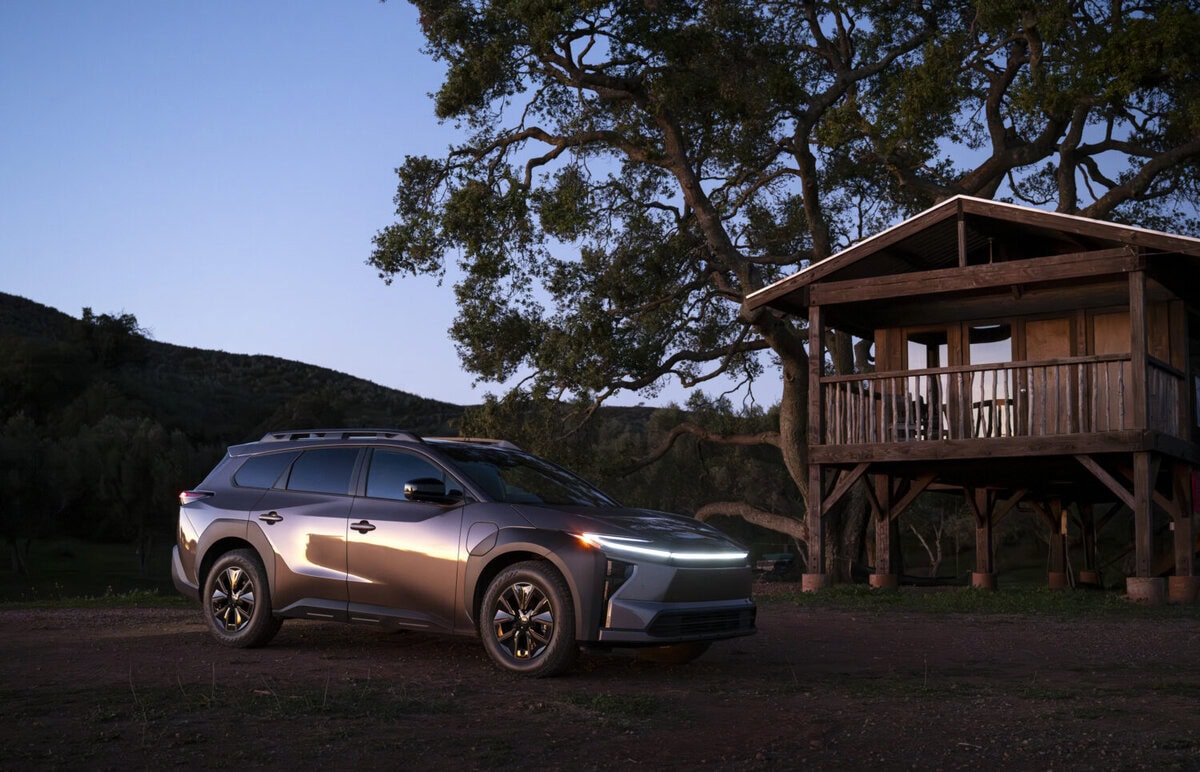
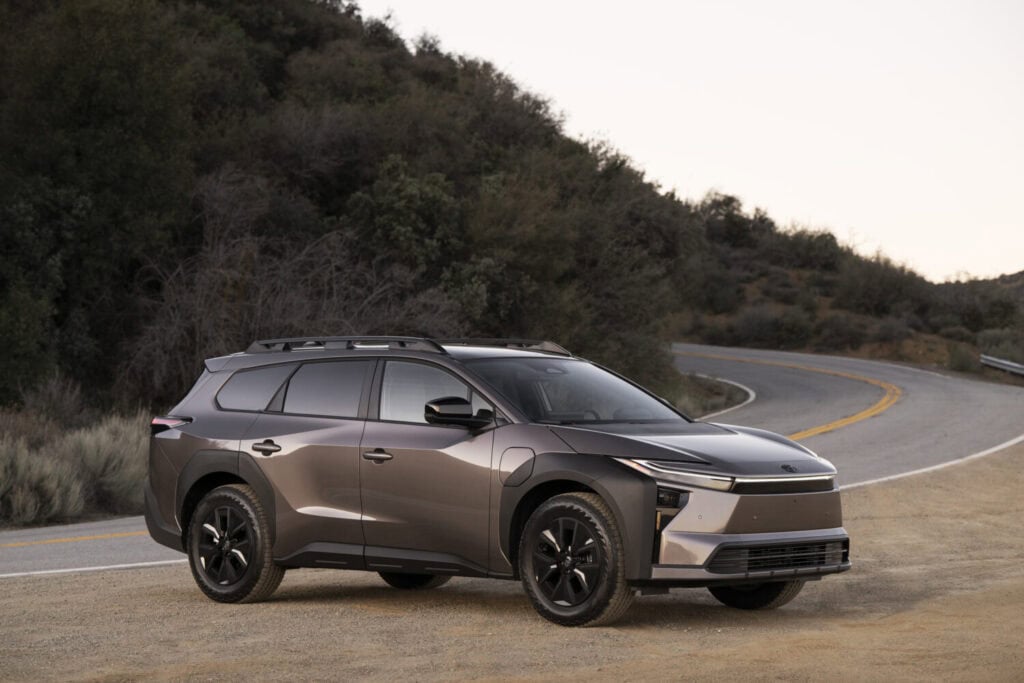
The bZ Woodland is where Toyota stops pretending all EV buyers live in tidy suburbs and drive only between coffee shops. This version adds more ground clearance, standard all-wheel drive, and 3,500 pounds of towing capability. Toyota quotes 8.4 inches of ground clearance, 375 horsepower, and up to 281 miles of EPA-estimated range. That makes it the one for camping gear, dogs, muddy boots, bike racks, and family overpacking on a heroic scale.
There is also a useful honesty in the way Toyota discusses the Woodland. Range falls when all-terrain tires are fitted, which is exactly the sort of detail buyers need because accessories and tire choices do affect the numbers. Peacock’s broader point about complexity also applies here. “The winners will be the companies that simplify the experience for the customer, even if it’s very complex behind the scenes.” That is true of all EVs, but especially true of the ones marketed as lifestyle machines.
Another term buyers hear often is regenerative braking. This uses the electric motor to help slow the vehicle while capturing energy that would otherwise be lost as heat. That sort of feature does not just help efficiency on paper. It shapes how the vehicle feels to drive in traffic and on long descents, which matters if this is meant to be the active-lifestyle version of Toyota’s EV family.
You may also enjoy this: 2027 Toyota Highlander Goes Electric as a Three-Row EV
The Family Test
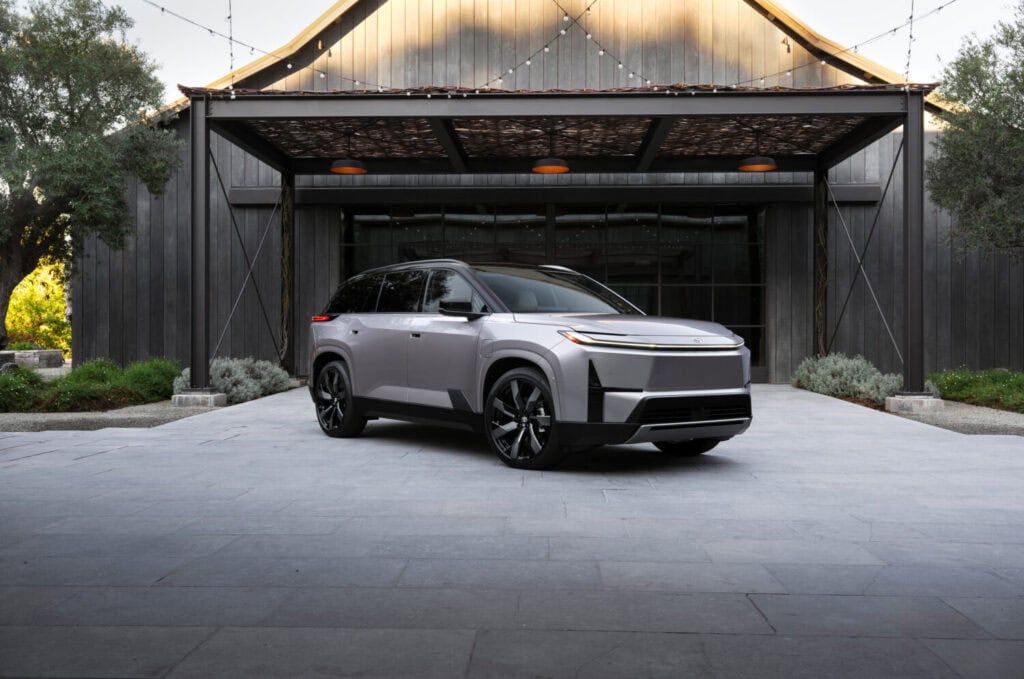
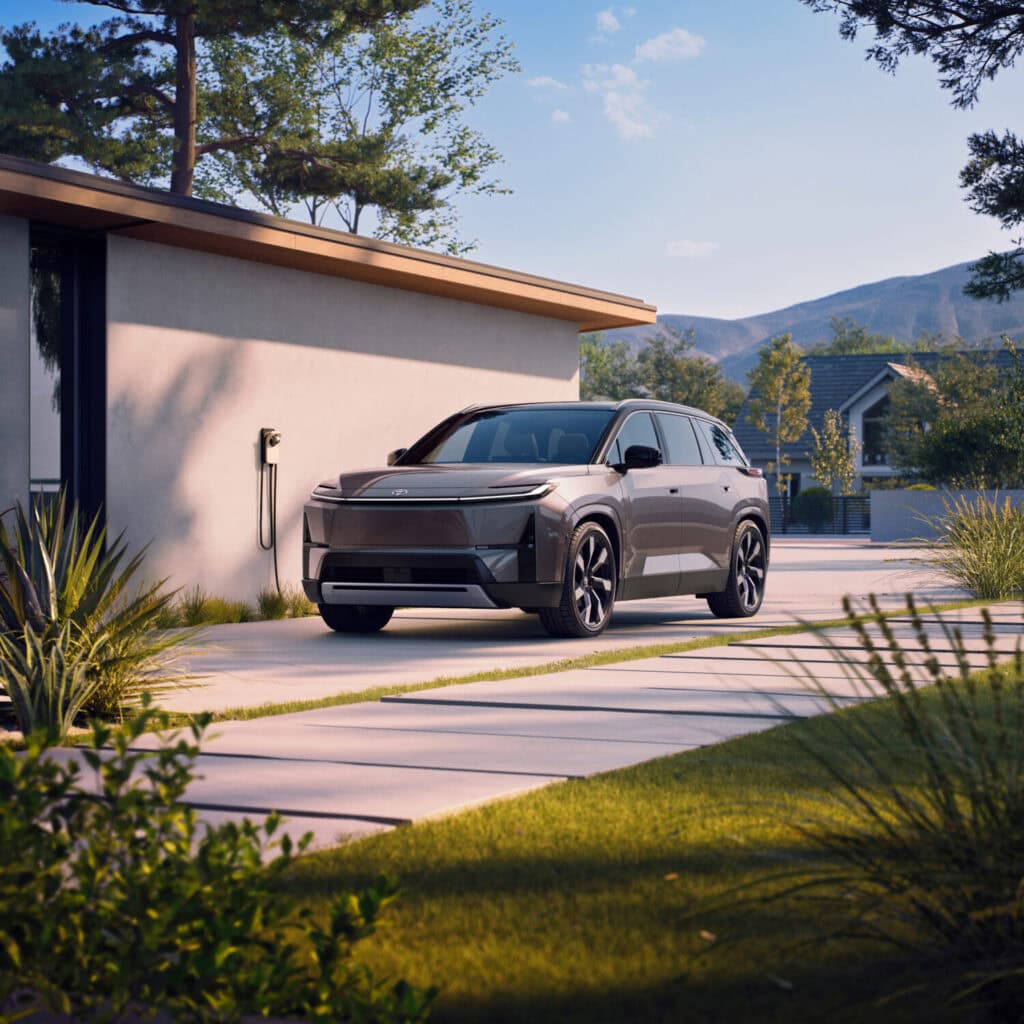
The vehicle that makes Toyota’s electric strategy feel complete is the Highlander EV. This is when the story moves beyond early adopters and toward ordinary family life. Toyota says it will offer up to seven seats and up to 320 miles in certain versions. Just as importantly, it will be Toyota’s first battery electric vehicle assembled in the United States, built in Georgetown, Kentucky, with batteries sourced in North Carolina. That gives Toyota a practical manufacturing story to go with the product story.
Highlander also matters because Americans already understand the Highlander. It is school runs, airport runs, sports kits, Costco trips, grandparents, and road trips where nobody packs lightly. Using that familiar name helps take some of the strangeness out of going electric. Peacock captured the broader idea well when he said, “The normalization of all this. When electrification, advanced driver assistance, and connected services stop being headlines and just become expected. That’s when the industry has truly succeeded.”
He also said something that should sit above every product planning meeting in the car industry. “Listen more than you talk. Customers will tell you what they need if you’re willing to hear it.” That may be the clearest explanation of Toyota’s current EV push. The company has not abandoned its multi-pathway approach. It has reinforced it by finally giving buyers four electric choices instead of one lonely outlier. The result is not revolutionary theatre. It is something better. It is an EV lineup that might actually fit real life.
The final takeaway is straightforward. Toyota now has four different EVs suited to your home charging setup, your daily mileage, and your tolerance for planning, but there are still offers hybrids and other powertrains. That is not fence-sitting. It is product discipline.