The Most Googled EVs in America, And What That Really Means
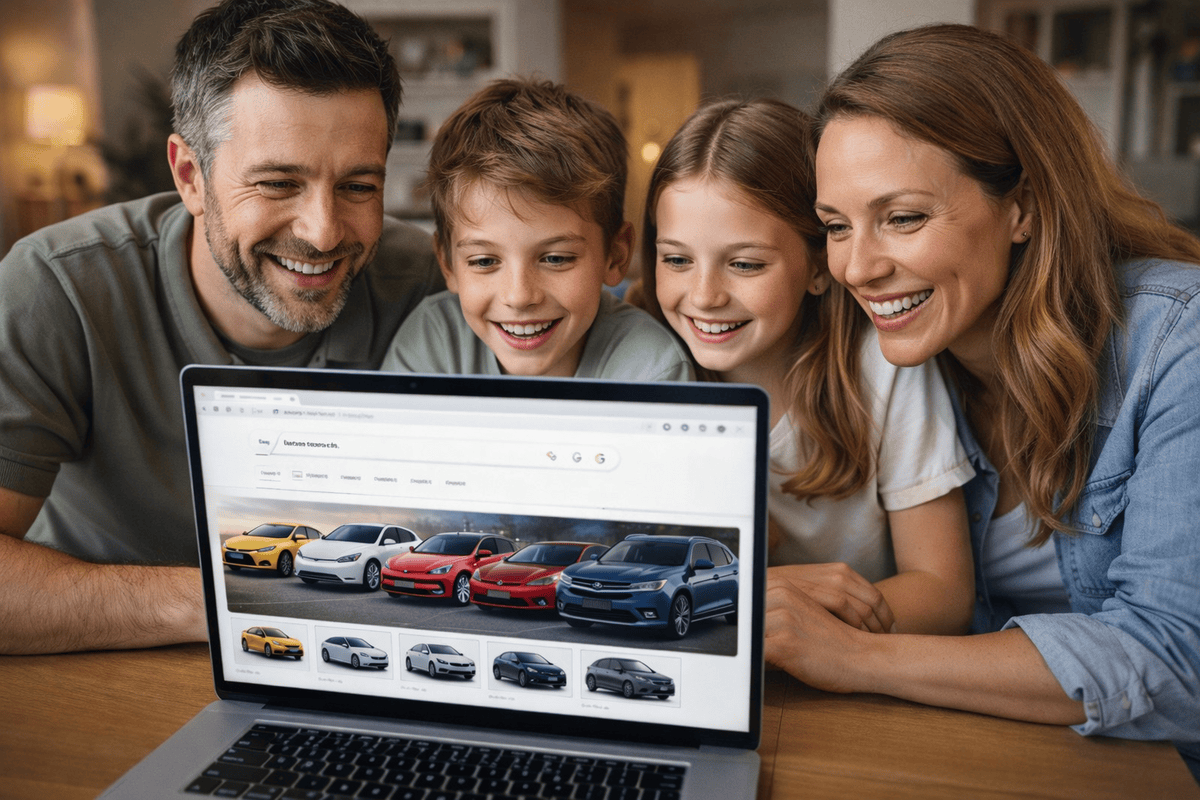
Americans are searching for electric vehicles in record numbers. The most Googled EVs are not always the most sold.
I’ve been watching something interesting lately. Americans are Googling electric cars like mad. You can see it in the search data. Curiosity is clearly there. Questions about range, price, charging, tax credits, reliability, winter performance. It’s all being typed into search bars every day.
But searching and buying are not the same thing.
Search data tells us what people are thinking about. Sales data tells us what they are willing to commit to. And in the EV market, those two stories do not always line up. According to Google Trends, search interest for electric vehicles has remained consistently elevated over the past several years, even during periods of sales fluctuation.
Why does this matter right now?
Because the EV conversation has matured.
A few years ago, electric vehicles were early-adopter purchases. Today, mainstream buyers are doing the research. According to the U.S. Energy Information Administration, EV market share in the United States continues to rise year over year, but growth has not always matched the level of public curiosity reflected in search behavior.
When you compare Google search rankings with U.S. registration data published by Experian Automotive, a pattern becomes clear: the most Googled EVs are not always the ones dominating the market.
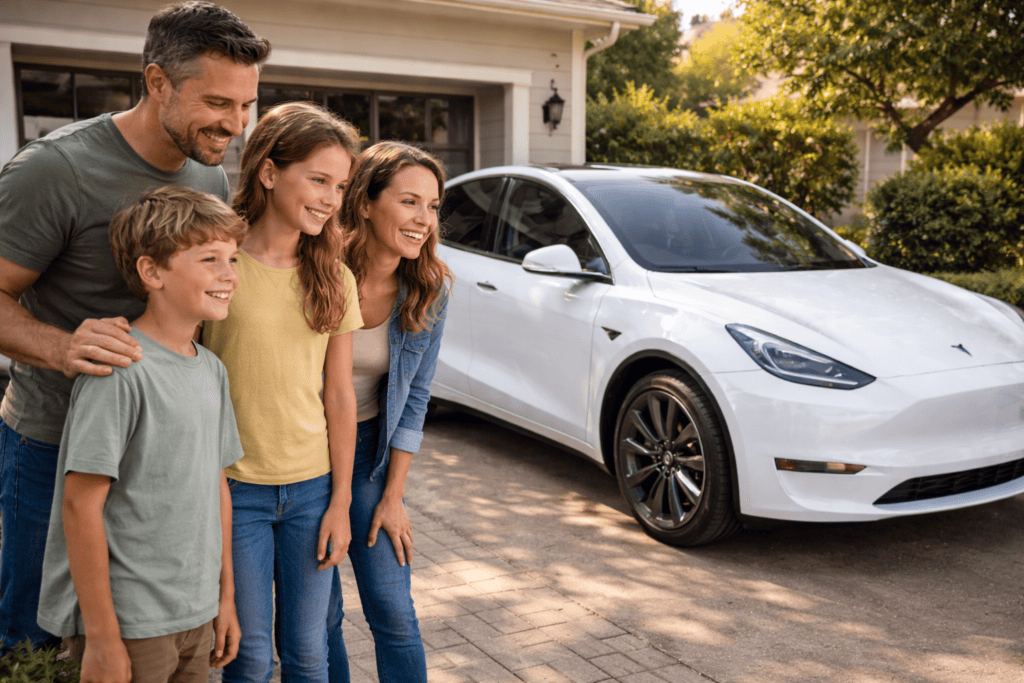
The Tesla Model Y is both the most Googled EV and the best-selling EV in America. In this case, curiosity aligns with commitment. The Model Y appears to many buyers as the safest EV decision. Familiar crossover shape. Competitive range. Access to Tesla’s Supercharger network. Simplified trim structure. It reduces anxiety, and anxiety suppresses sales.
As explored in our recent review of the 2025 Audi A6 Sportback e-tron, range confidence and charging infrastructure remain central to buyer psychology across brands.
The Tesla Model 3 follows a similar pattern. It ranks high in search interest and remains one of the top-selling electric sedans in the U.S., though volumes trail the Model Y. Buyers searching here often want a lower entry price into Tesla ownership.
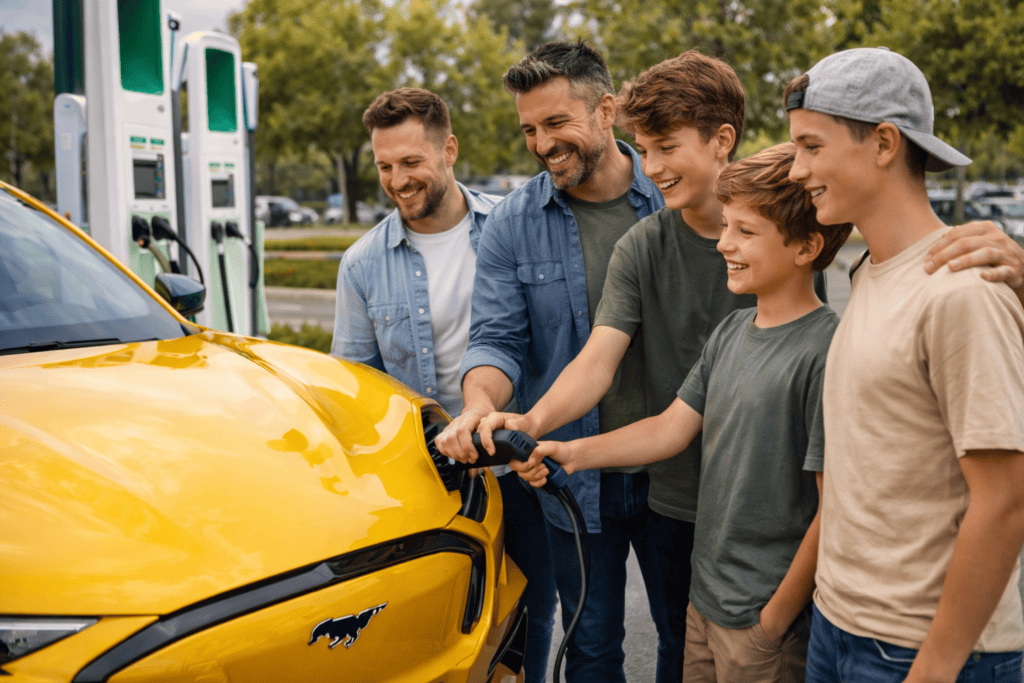
The story shifts with the Ford Mustang Mach-E. It ranks high in search popularity but sits well behind Tesla in sales dominance. Public recall data available through the National Highway Traffic Safety Administration shows multiple campaigns tied to high-voltage systems and electronic components over the past several years. Even when corrected, recalls introduce hesitation in a category built on trust.
People are curious about the Mach-E. They like its styling and driving dynamics. But confidence matters more than curiosity in the EV space.
The Chevrolet Equinox EV offers another example. It generates significant search volume as Americans hunt for an affordable electric SUV. Yet sales remain more modest. As we recently covered in our analysis of the Silverado EV Work Truck’s range record, affordability and real-world availability are key variables influencing EV adoption.
How does it compare to rivals or alternatives?
Tesla’s continued dominance reflects friction reduction. Clear trims. Integrated charging. Predictable ownership. Competitors often generate more search curiosity with bold design or aggressive pricing but face challenges around dealer consistency or supply constraints.
Hyundai’s Ioniq 5, for instance, ranks high in search popularity thanks to rapid charging capability and standout design. According to FuelEconomy.gov, charging speed and efficiency remain top search topics for first-time EV buyers. Yet sales still trail Tesla’s volume significantly.
As Test Miles recently covered in our deep dive into Hyundai’s hybrid strategy, consumer hesitation often revolves around infrastructure reliability and long-term cost stability rather than product appeal alone.
Search behavior reflects questions. Sales reflect answers.
Who is this for and who should skip it?
If you are EV-curious but cautious, this matters. The gap between search popularity and sales performance may mirror your own internal debate. You may be drawn to the vehicle that looks most exciting or trends heavily online. But when it comes time to commit, predictability tends to win.
For manufacturers, high search interest without corresponding sales is not a victory. It is a diagnostic tool. It signals attention without trust.
As we explored in our review of the Lexus GX 550 Overtrail, buyers across segments increasingly prioritize reliability and resale confidence over novelty.

What is the long-term significance?
The long-term implication is simple: Americans are not rejecting EVs. They are evaluating them carefully.
Search data shows high engagement. Sales data shows selective commitment. According to the International Energy Agency, global EV adoption continues to expand, but market maturity varies by region and infrastructure readiness.
As charging networks expand, battery durability data accumulates, and ownership stories become routine rather than experimental, the gap between curiosity and confidence should narrow.
Most Googled does not mean most sold. It means buyers are still asking questions.
What Americans Google tells us what they want to understand. What they buy tells us what they trust.
And right now, trust is still the most valuable currency in the electric vehicle market.