Daytona 500 2026: Reddick Wins as NASCAR Changes

Tyler Reddick’s victory at Daytona delivered drama on track. Off track, it revealed how American motorsport is shifting in real time.
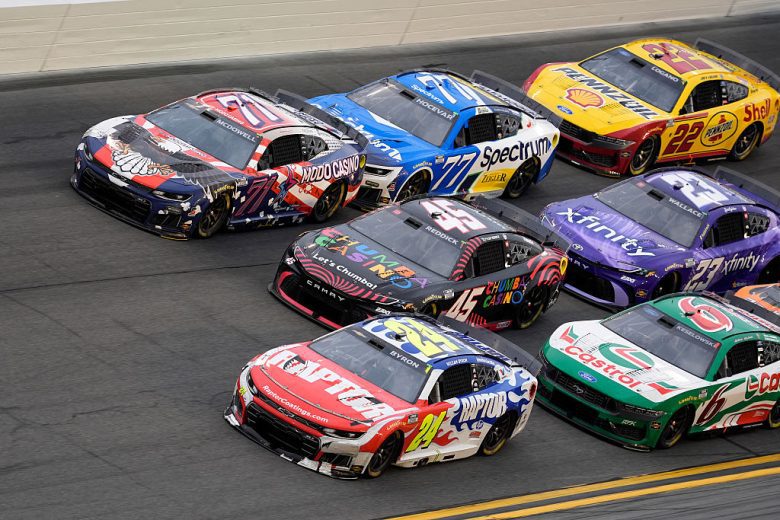
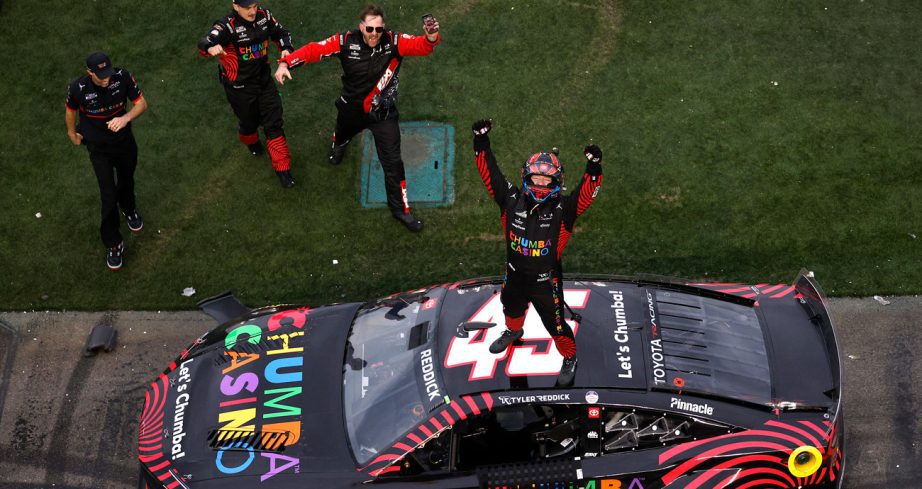
The 2026 Daytona 500 delivered exactly what it always promises: speed, tension, and unpredictability. Tyler Reddick’s win was hard-fought and tactically sharp, the kind of performance that reminds you why Daytona remains one of motorsport’s defining events.
But the race also revealed something larger. NASCAR’s biggest day unfolded in a motorsport landscape that looks very different from the one that built its dominance.
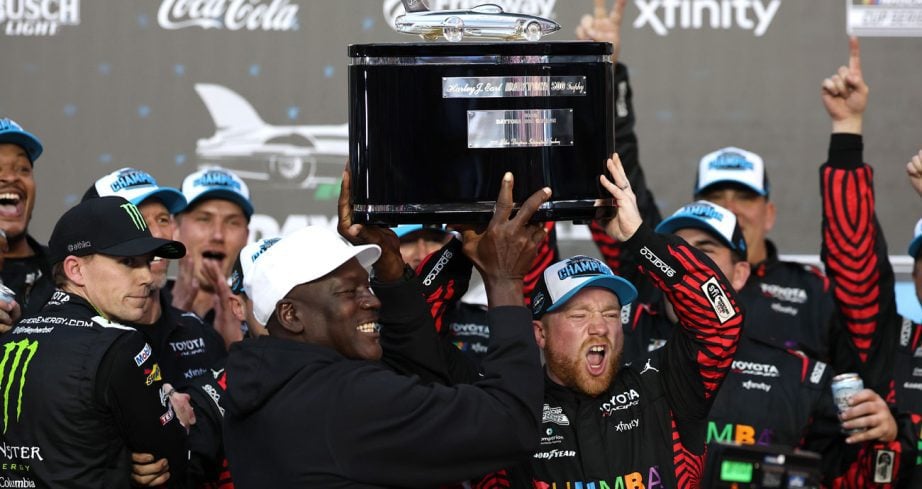
Stock car racing still commands loyalty. It still produces thrilling competition. Yet it now shares American attention with rapidly growing global racing formats. That shift changes how we understand what Daytona means — and what comes next.
Why does this matter right now?
The Daytona 500 remains NASCAR’s cultural anchor. It is the race that defines the season and symbolizes the sport’s identity. Tyler Reddick’s win fits neatly into the modern era — a driver shaped by diverse racing experience, capable of adapting to constantly shifting conditions.
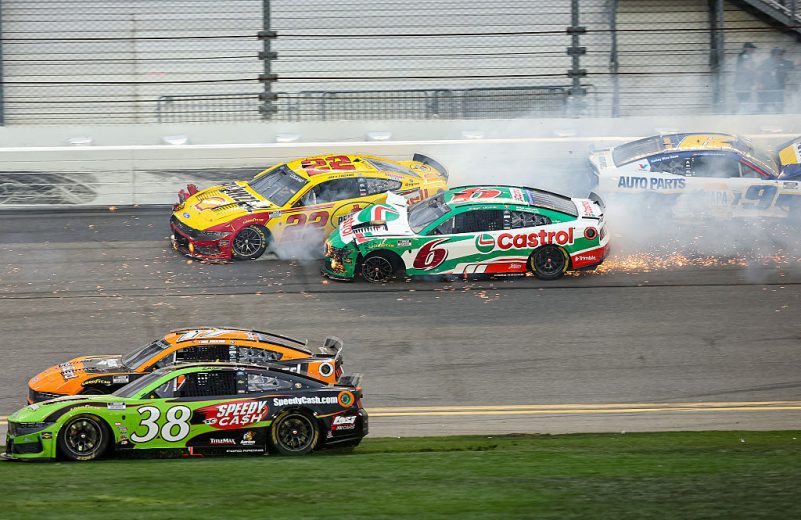
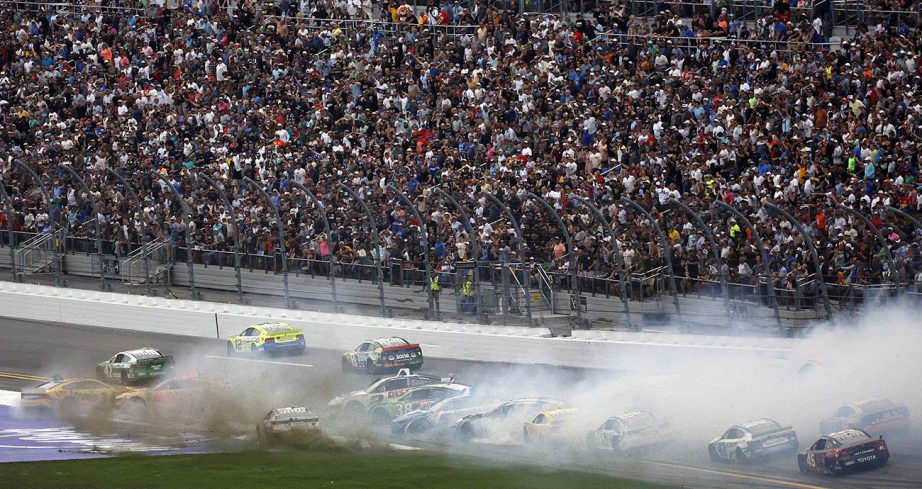
From a competition standpoint, Daytona still works. Pack racing compresses strategy, risk, and survival into a single high-intensity environment. The aerodynamic dependency of drafting makes positioning critical. One small mistake can trigger consequences for half the field.
Yet the broader context surrounding the event has changed.
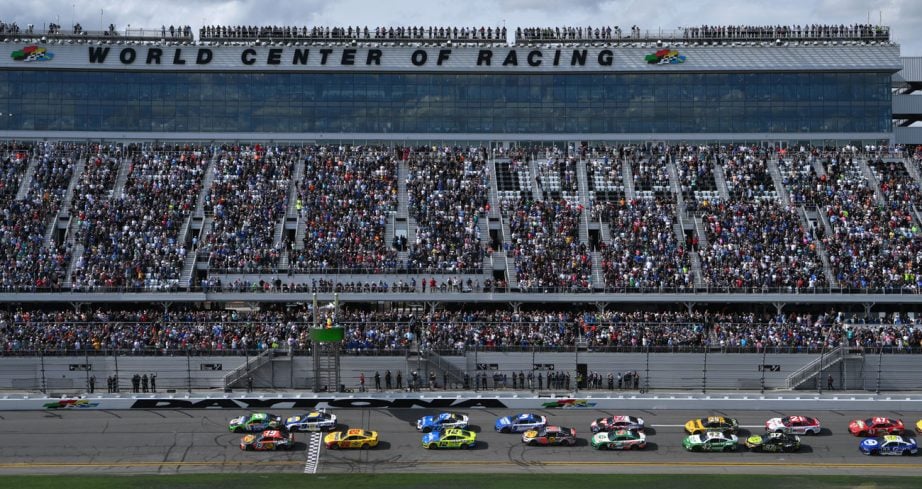
NASCAR’s television audiences are smaller than they were during the sport’s peak decades. Industry data from organizations like Nielsen shows long-term fragmentation across nearly all televised sports, but NASCAR’s decline from early-2000s highs has been particularly visible.
At the same time, international motorsport is expanding rapidly in the United States. Formula One now hosts multiple American races and has invested heavily in storytelling, global branding, and digital distribution. Its growth reflects how motorsport consumption has shifted toward entertainment ecosystems rather than single-series loyalty.
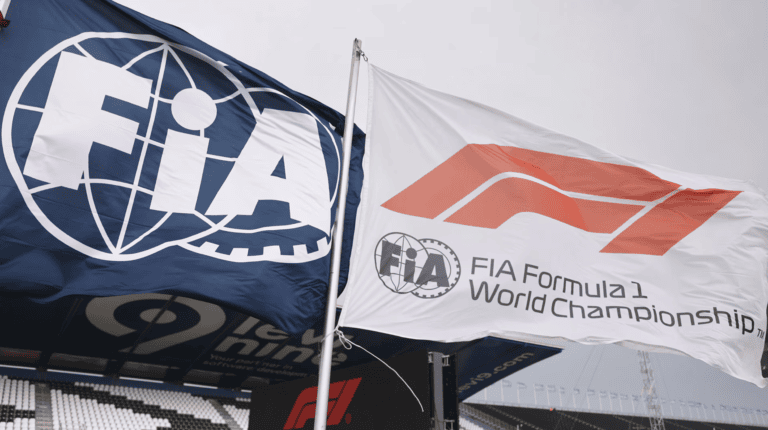
Another development sits just ahead. The Fédération Internationale de l’Automobile, which governs global motorsport, has supported efforts to bring top-tier rally competition back to American soil. If the World Rally Championship returns in 2027, it would introduce yet another racing identity into the U.S. market.
All of that means American racing fans are no longer choosing whether to watch motorsport. They are choosing which kind.
We explored similar shifts in fan engagement recently when examining how global racing series are reshaping U.S. motorsport culture. Daytona 2026 sits directly inside that transformation.
How does it compare to rivals or alternatives?
NASCAR’s competitive structure remains distinct. Daytona’s drafting dynamics produce sustained multi-car battles that few other series replicate. The physical intensity and constant proximity demand extraordinary driver awareness.
But competing racing formats emphasize different strengths.
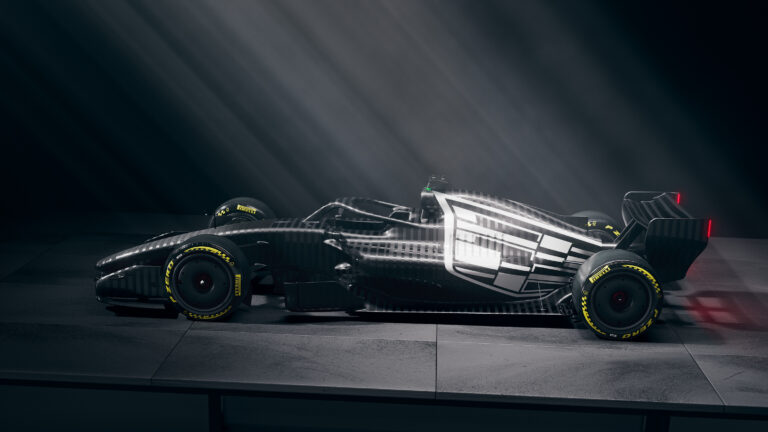
Formula 1 presents itself as technological leadership. Hybrid powertrains, aerodynamic experimentation, and strategic complexity define its identity. The series frames racing as an engineering contest as much as a driving one. That perspective aligns with broader conversations about vehicle technology, sustainability, and performance innovation.
We looked closely at this technical emphasis in our analysis of how Formula 1 technology influences modern road cars, which helps explain why many new fans connect with the series.
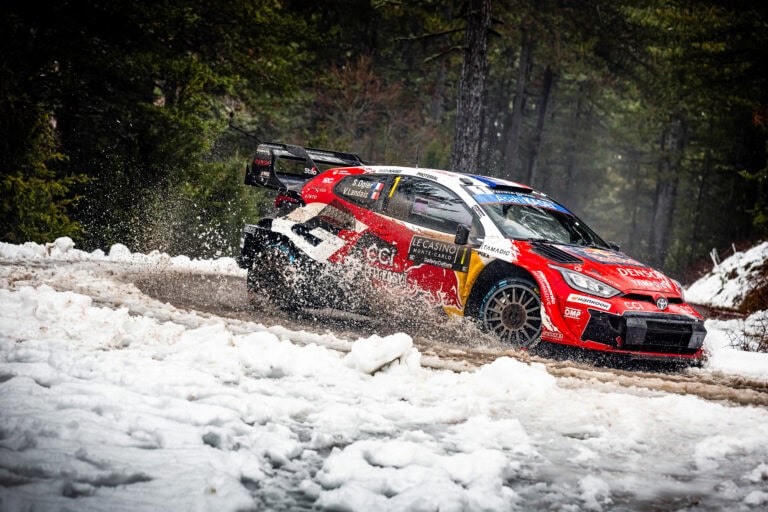
Rally competition offers something entirely different. Instead of controlled circuits, events unfold across changing terrain — gravel, snow, asphalt, forest tracks, and mountain roads. Driver-navigator communication becomes essential, and environmental conditions shape performance constantly.
Compared with those disciplines, NASCAR is rooted in tradition. Its vehicles resemble production cars visually. Its race formats emphasize consistency across repeated laps. Its culture remains strongly American.
That traditional identity is powerful. But newer fans often seek motorsport experiences that feel global, technical, or environmentally variable. NASCAR’s challenge is not competition on track — it is competition for attention.
This tension was evident in our recent review of how modern NASCAR strategy has evolved under changing rules. The sport continues to adapt, even as its core identity remains intact.
Who is this for and who should skip it?
If you value intense, close-quarters racing where outcomes remain uncertain until the final laps, Daytona remains unmatched. Few motorsport experiences replicate the pressure of pack racing at sustained high speed.
Fans who grew up with NASCAR will recognize the emotional structure instantly — long strategic stretches interrupted by bursts of chaos and opportunity.
But the 2026 race also illustrates how motorsport fandom has diversified.
If you are drawn to engineering innovation, data-driven strategy, and global competition, Formula 1 may feel more aligned with your interests.
If you prefer racing shaped by natural environments and constantly changing conditions, rally competition offers that experience.
Increasingly, many fans follow multiple disciplines simultaneously. We discussed this shift in our feature on why American fans now follow several racing series instead of just one.
NASCAR still delivers spectacle and intensity. It simply no longer represents the entire motorsport conversation.
What is the long-term significance?
Tyler Reddick’s Daytona 500 victory will stand as a defining achievement in his career. Winning NASCAR’s most visible race always carries historical weight.
But the 2026 event may ultimately be remembered for something broader — the moment when American motorsport fully entered an era of shared attention.
NASCAR remains a major sporting institution. According to NASCAR’s official organization, its events still draw large in-person audiences and maintain substantial broadcast reach. The sport is not disappearing.
What has changed is exclusivity. Other racing formats are growing simultaneously in the U.S., creating a more complex motorsport ecosystem.
Competition for fan engagement can produce pressure, but it can also drive clarity. Sports often strengthen when they must define what makes them unique. NASCAR’s identity — accessible, intensely competitive, and culturally rooted — remains powerful.
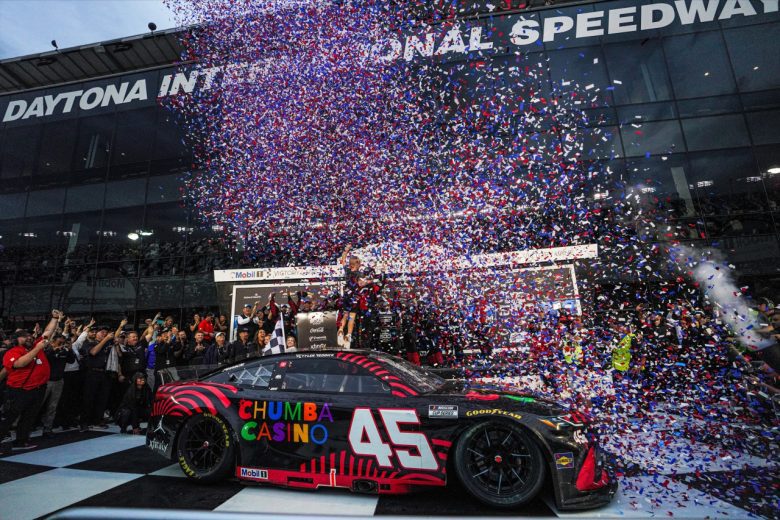
The 2026 Daytona 500 demonstrated that the racing itself still delivers. Reddick’s performance confirmed that the competitive core remains strong.
The long-term question is how that core evolves within a world where fans have more motorsport options than ever before.
Daytona has always marked the beginning of a season. In 2026, it also marked a moment of transition — a reminder that racing in America is expanding, diversifying, and redefining what competition means.
And that may ultimately be the most important result of all.