How Mazda Uses Real World Crash Data To Make Every New Vehicle Safer

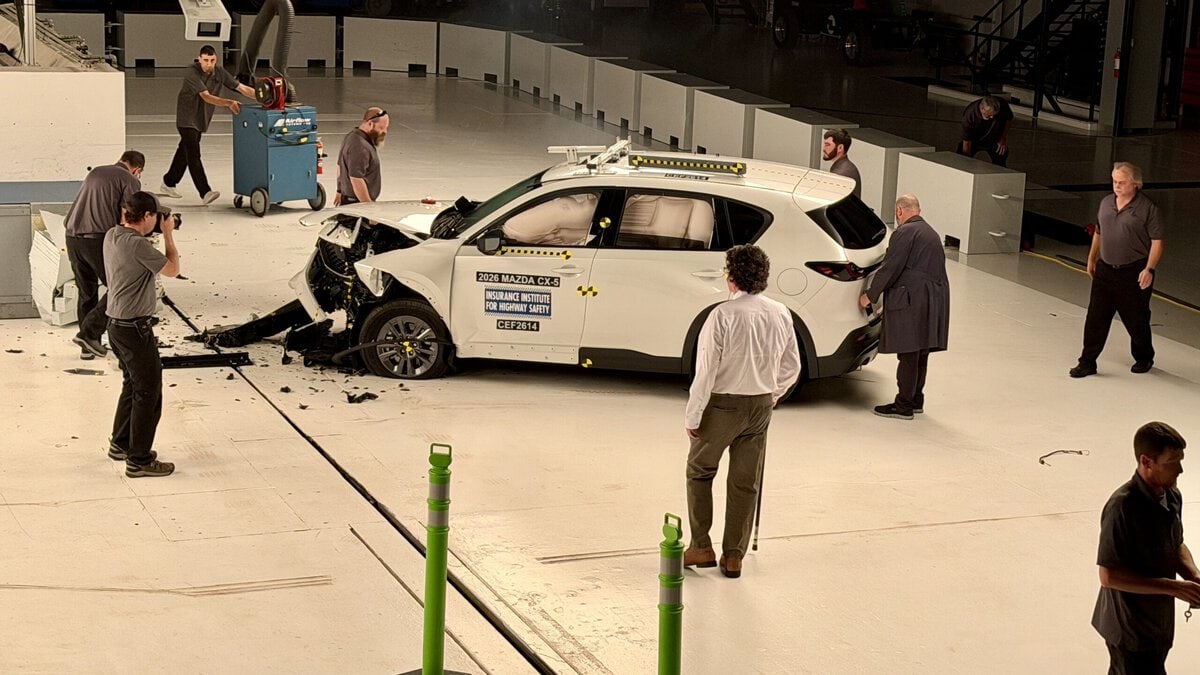
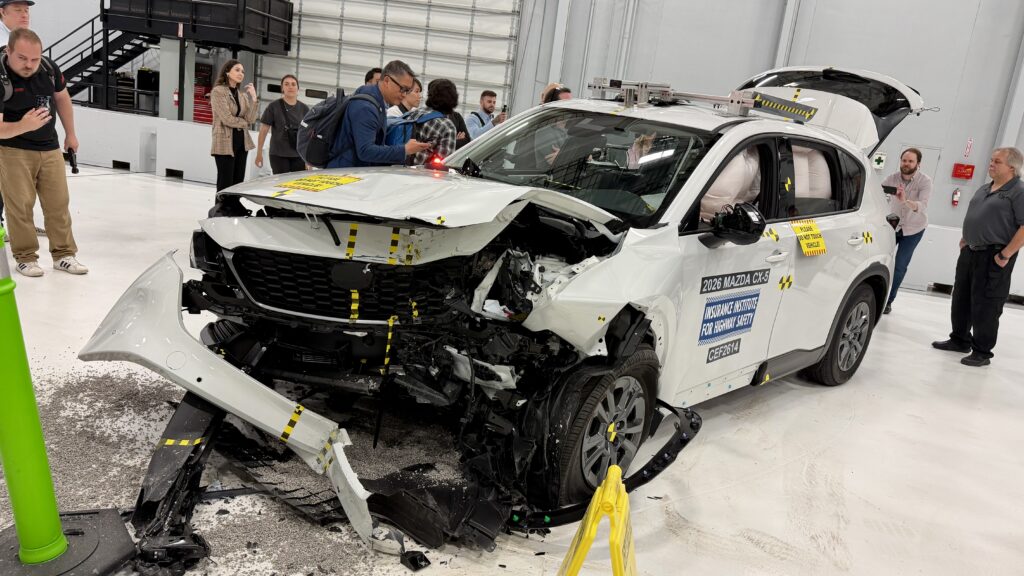
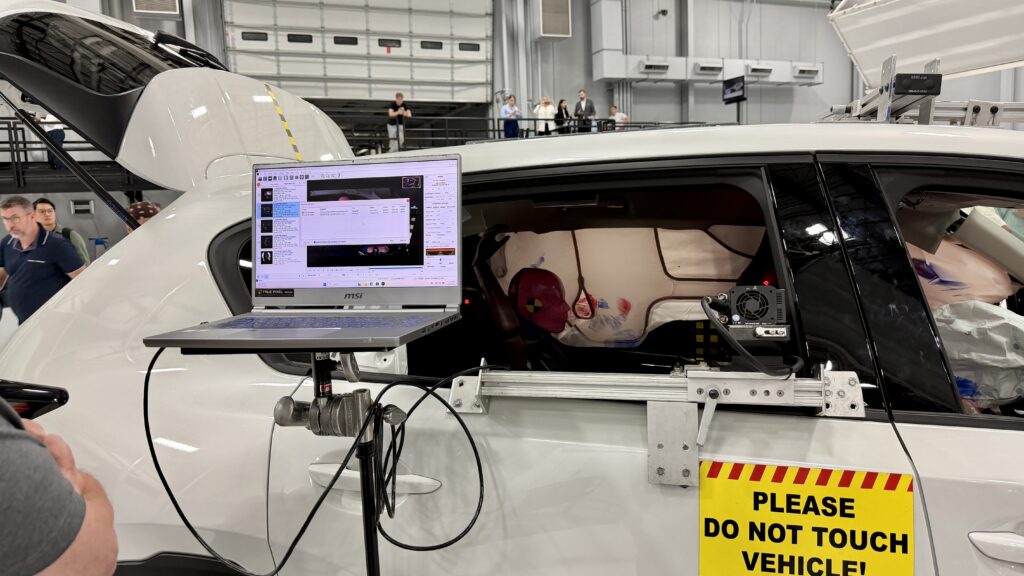
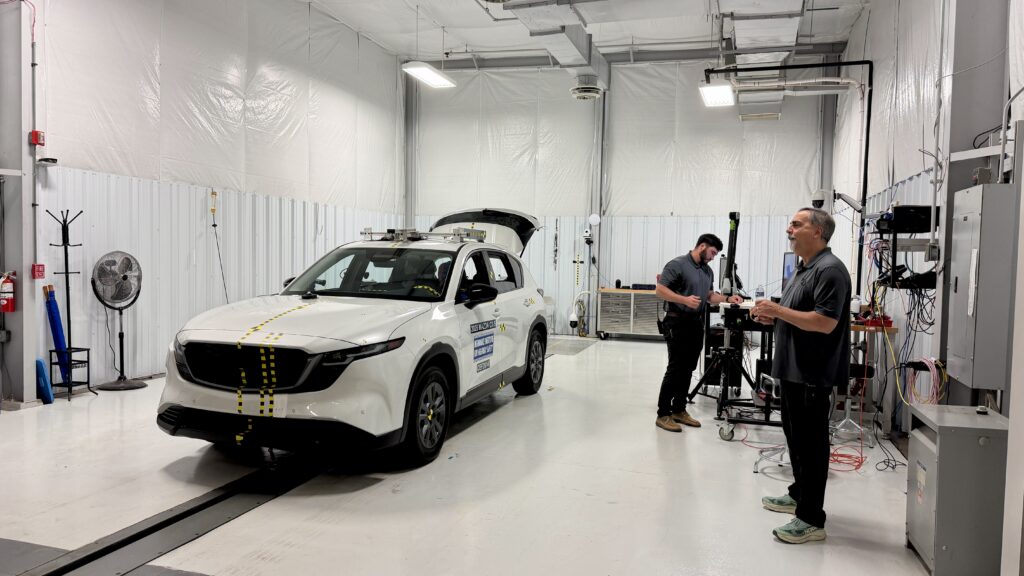
Crash tests grab attention, but Mazda’s safety strategy starts long before a vehicle hits a barrier and continues long after the test is over. Standing just a few feet away from a Mazda CX-5 as it slammed into a barrier at the Insurance Institute for Highway Safety was an unforgettable experience. The sound was startling and the impact was powerful enough that you could feel it in your chest. It was a dramatic reminder of why automakers spend years engineering vehicles to protect people when the unexpected happens.
That crash test served as the backdrop for a conversation with Jennifer Morrison, Director of Vehicle Safety Strategy at Mazda. While the CX-5 demonstration provided an up close look at modern vehicle testing, Morrison’s focus was much broader. She talked about how Mazda approaches safety, how it works alongside organizations like IIHS, and why even disappointing test results can ultimately help create better vehicles.
For Morrison, inviting journalists, content creators, and influencers to witness a crash test wasn’t simply a marketing exercise. It was the culmination of an idea she had been working toward for years. After joining Mazda eight years ago, she found herself attending more crash tests and safety demonstrations and realized there was a gap between the work being done by engineers and what consumers actually understood about vehicle safety.
You may also like: Watching the Mazda CX-5 IIHS Crash Test Changed My View on Safety
Why Mazda Wanted People To Witness A Crash Test
For Morrison, inviting journalists, content creators, and influencers to witness a crash test wasn’t simply a marketing exercise. It was the culmination of an idea she had been working toward for years. After joining Mazda eight years ago, she found herself attending more crash tests and safety demonstrations and realized there was a gap between the work being done by engineers and what consumers actually understood about vehicle safety.
Her previous experience with NHTSA and NTSB gave her a unique perspective. She had seen firsthand how safety testing worked behind the scenes, but she also knew most people only encountered crash testing through short videos or a safety rating on a window sticker. She wanted to make the process more tangible and help people understand what goes into earning those ratings.
“This is science and engineering at its best. I have to bring this to the masses. I have to be part of that.” – Jennifer Morrison, Director of Vehicle Safety Strategy, Mazda
Mazda has earned a long list of Top Safety Pick and Top Safety Pick+ awards over the years, but Morrison felt those accomplishments often didn’t receive the attention they deserved. By bringing nearly 40 members of the media to IIHS, she hoped to show the scale of the testing process and the level of commitment required to continually improve vehicle safety. The group included traditional automotive journalists, podcasters, lifestyle media, and social media creators. Morrison believed that seeing a crash test in person creates a much stronger appreciation for the engineering involved than watching one online. It also highlights the broader work being done across the industry to reduce injuries and save lives.
You may also like: Best Safe Cars for Teens 2026 Mazda Dominates IIHS
The Data Behind Modern Vehicle Safety
Crash tests may be the most visible part of vehicle safety, but Morrison said the real work starts with data. Organizations like IIHS analyze insurance claims from across the country, allowing them to identify common crash types and injury patterns. Automakers contribute their own research and increasingly have access to telematics information that helps them understand how vehicles are being used in the real world. Those two perspectives complement each other. IIHS often has a clearer picture of injuries while automakers can better understand the circumstances surrounding crashes. Together, that information helps shape future safety priorities and guides the development of new testing procedures.
“They have the injury data, we have more of the facts of the crash and this is allowing us all to be smarter and study things and oftentimes walk a very parallel path.” – Jennifer Morrison, Director of Vehicle Safety Strategy, Mazda
That collaborative approach is one reason vehicles continue to become safer even as crash tests become more demanding. Rather than simply reacting to new requirements, automakers and safety organizations are often studying the same issues at the same time. In many cases, both sides arrive at similar conclusions about where improvements are needed. Rear seat safety is a good example. Data showed passengers in the back seat were still experiencing significant injuries in certain crashes. That led to greater focus on rear airbags, improved seat belt technology, pretensioners, and occupant positioning. While consumers may only see the resulting safety rating, years of research and analysis often sit behind every improvement.
You may also like: Mazda Leads in Safety with Eight IIHS Top Safety Pick+ Awards
Building Vehicles For Tomorrow’s Tests
One of the more interesting insights Morrison shared was how frequently Mazda and IIHS identify the same concerns independently. Engineers are constantly reviewing crash trends and injury data, which means they are often working on solutions before new testing standards are officially introduced. The tougher side impact evaluation serves as an example of that process. When IIHS launched the updated test, the CX-5 earned a good rating immediately. Mazda did not need to redesign the vehicle because its engineers had already been focusing on many of the same injury concerns that prompted the new evaluation.
“We were seeing injuries in side impacts that we thought we could mitigate by having a stronger structure.” – Jennifer Morrison, Director of Vehicle Safety Strategy, Mazda
Addressing those concerns involved much more than adding a single safety feature. Morrison explained that vehicle safety is a complete system that includes structural design, materials, manufacturing techniques, airbags, and seat belts. Every component plays a role in managing crash energy and protecting occupants. That systems based approach helps explain why some vehicles are better prepared when new tests arrive. The goal isn’t simply to pass an evaluation. The goal is to identify potential problems before they become widespread and design solutions that address them long before a new requirement appears.
You may also like: The 2026 Mazda CX-50 Delivers Luxury for Family Money
Why Safety Setbacks Matter
Not every safety story ends with a top rating, and Morrison was refreshingly candid about that reality. She discussed upcoming rear impact and whiplash testing and acknowledged that Mazda has encountered situations where a revised testing methodology produced results that were not what the company wanted to see. When the CX-50 was evaluated using an updated IIHS approach, it received a poor rating. While that wasn’t the outcome Mazda hoped for, Morrison said the initial disappointment quickly gives way to a more productive response. Engineers immediately begin examining why the result occurred and what changes could improve performance.
“I don’t like seeing that red. I don’t like seeing the red rating. I want all green.” – Jennifer Morrison, Director of Vehicle Safety Strategy, Mazda
The reason those ratings matter is because they are based on real world concerns. Rear impact crashes may not receive the same attention as high speed frontal collisions, but they can lead to painful neck and back injuries that affect people for years. If new testing reveals opportunities to reduce those injuries, Morrison believes it is worth making the necessary changes. Her approach reflects a broader philosophy that runs through the entire safety development process. Rather than viewing a poor result as a failure, she sees it as valuable information that points engineers toward the next improvement.
“I think all problems are fixable. So I just see it as a problem I can fix.” – Jennifer Morrison, Director of Vehicle Safety Strategy, Mazda
That mindset may be the clearest insight into Mazda’s approach to safety. The dramatic crash tests that capture public attention are only one small part of the story. Behind every rating is an ongoing process of collecting data, identifying risks, improving designs, and constantly searching for ways to make future vehicles safer than the ones on the road today.