New AI Voice Assistants Actually Listen to Tired Parents

CES 2026 cockpit tech moves from stiff commands to AI assistants that anticipate needs and cut distractions, making chaotic family drives a little less exhausting.
|
|
Picture yourself on the road after a long, busy day. The kids are in the back arguing over which playlist is the best, and the dog is barking in his crate, not at all happy with his earlier vet visit. The last thing you need is a voice system that forces you to repeat commands or poke at a touchscreen. CES 2026 demonstrated how new assistants will better handle this chaos. Conversational, predictive, and low-drama, technology is about to make your day better.
You may also enjoy this: Audi F1 2026 fire-up: the milestone that matters
Why Does This Matter Right Now?
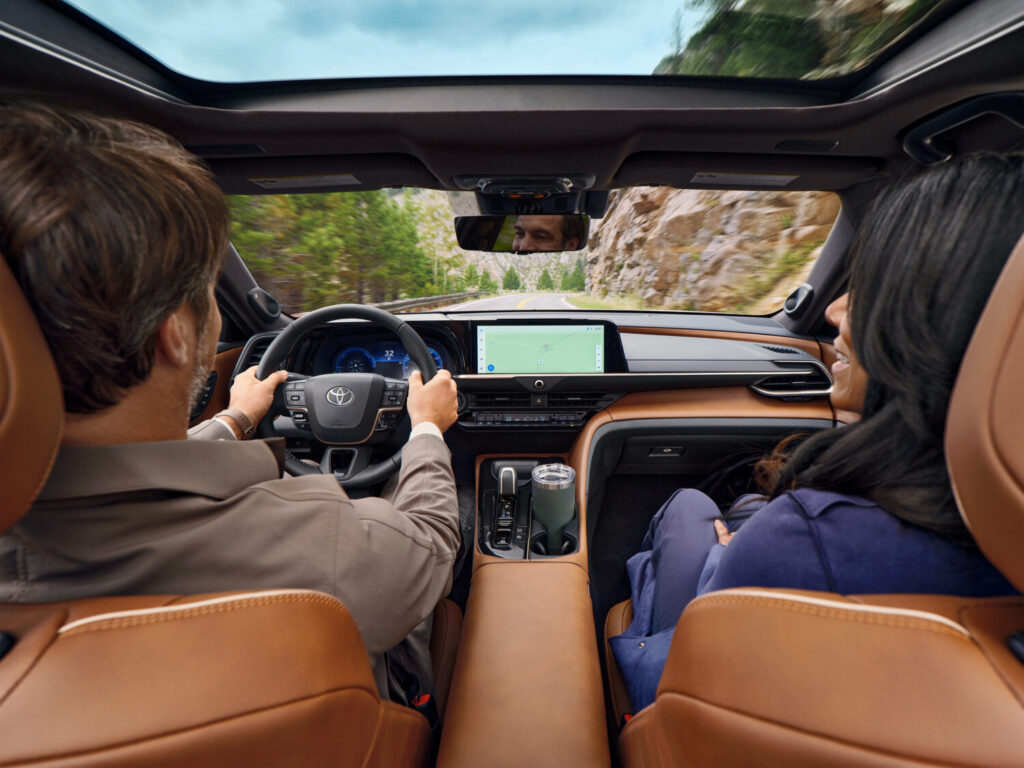
New cockpit tech is ready for everyday use, not just some vision of the far future. Suppliers like Bosch, Garmin, Cerence, and Qualcomm demonstrated voice systems that can naturally manage multi-step requests. No more precise commands to memorize or struggles to say things in a way that the system understands. Just say, “Find a dog-friendly park with a playground nearby and reroute us there.” It couldn’t be easier. These systems anticipate your needs, like adjusting the cabin temperature or managing seat functions.
At the same time, a focus on safety is improving in-cabin monitoring. AI now watches for tiredness or distractions before they turn into trouble. It can even warn you if a child has somehow squirmed out of his seatbelt. It’s a move from rigid, frustrating, and often misunderstood commands, to proactive help that makes family life less stressful.
You may also enjoy this: Cadillac Vistiq: The Electric Three-Row That Actually Works

How does it compare to rivals or alternatives?
Older voice assistants like Siri or Google are stiff and frustrating. They struggle with noisy cabins full of kids or barking dogs. CES demonstrations showed agentic AI that reasons across multiple inputs at once from what you say to where you look. This lets it understand intent more naturally, like noticing you glance at a roadside sign while asking about it. Bosch added Microsoft 365 “smarts” with NVIDIA power while keeping safety first, like pausing calls. Garmin delivered multi-lingual multi-intent assistants for hands-free navigation and entertainment. Qualcomm’s Snapdragon Cockpit Elite runs on-device models for quick personalization without cloud delays. Everyone is in on the action.
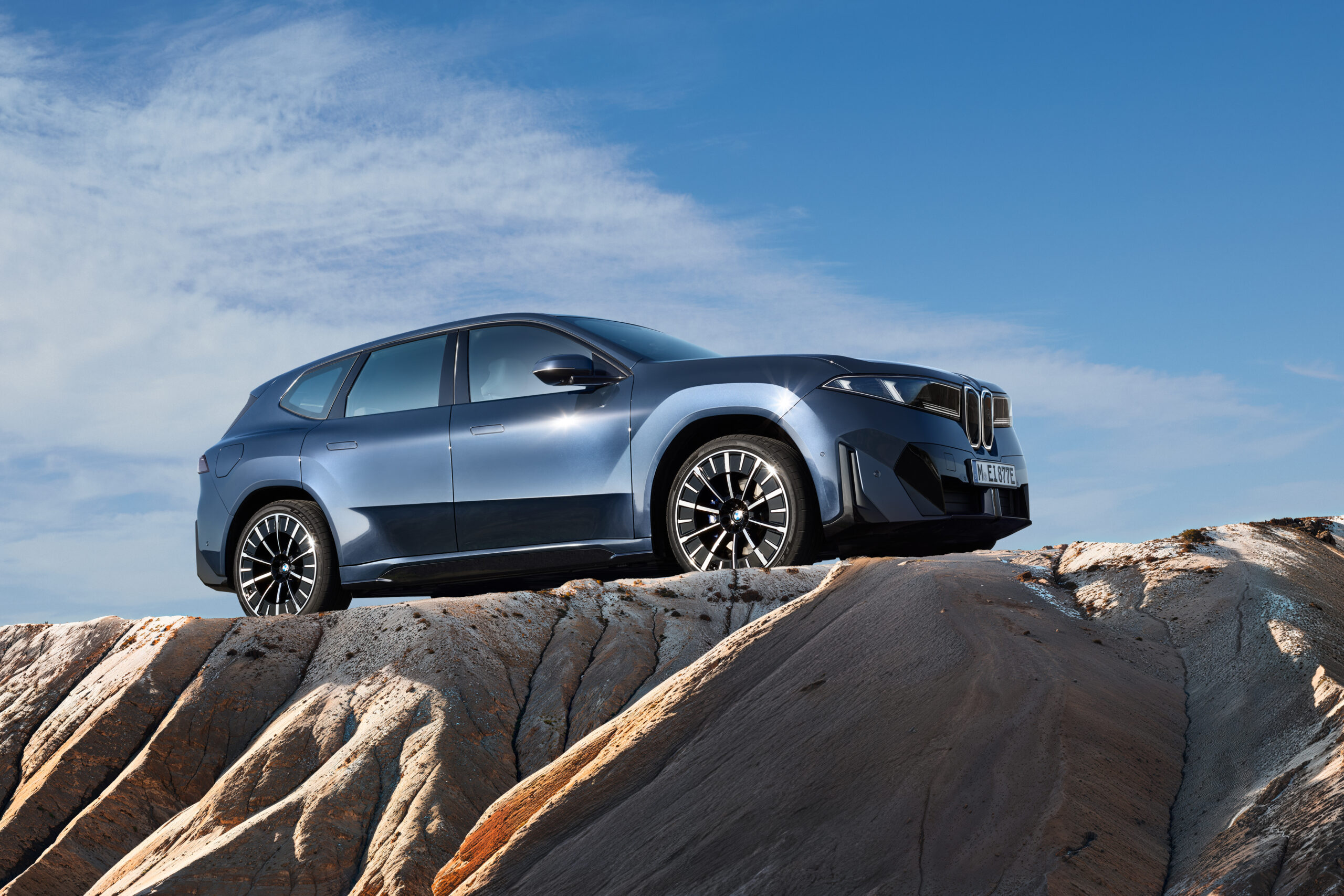
Automakers are no exception. BMW is rolling out its own take on this evolution, which brings advanced cockpit tech across dozens of upcoming models. Nick Gerstner, product manager for the iX3, told me at CES “Neue Klasse, which means new class, isn’t just one vehicle rather this is a strategy that we’ll take across 40 new models over the next two years.”
He went on to highlight key parts of this strategy. “It’s an integration of the iDrive system and the BMW Panoramic Vision.” That captures the bigger leap – systems that evolve to handle complex family commands without repetition, unlike clunky predecessors. Compared to reliable physical buttons, these reduce mental effort. Instead of the full self-driving promises, these new AI-centric systems offer real help today.
You may also enjoy this: Robotaxis in 2026: Are We Ready for Driverless Cities?
Who is this for and who should skip it?
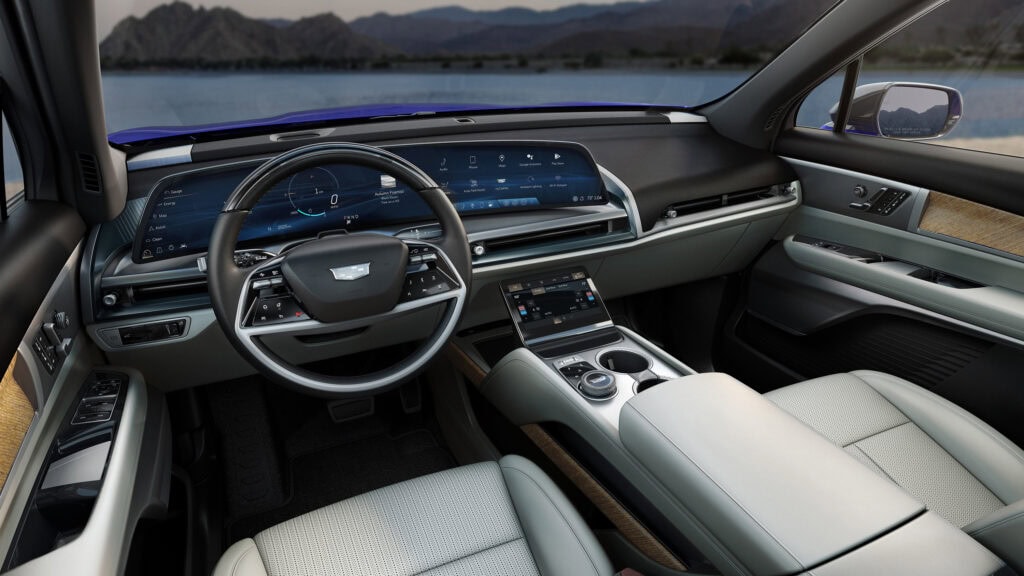
If you find yourself repeating to be heard over the kids, or are tired of a messy touchscreen, this suits busy parents who are looking for a smoother interaction on a family drive. Anyone who wants a more seamless connection to their vehicle could benefit from this. Whether it’s a crossover for school pickup, a three-row for the weekend sports games, or an SUV with space for the dog and gear, new models from brands like BMW provide a solution.
Skip it if you love the physical touch of knobs and buttons, or you’re shopping for budget models where premium tech tends to take some time to appear. If you have privacy concerns about in-cabin cameras or being listened to, then technophobians stay clear.
You may also enjoy this: That New Car Is $6,400 More Expensive. Here’s Why.
What is the long-term significance?
Cockpits are heading toward systems that learn your routines, anticipate needs, and add safety to convenience. This year’s CES was a showcase for how AI can make your drive time less stressful, more relaxing, and safer. Family life is unpredictable and at times chaotic. Having a vehicle that makes getting from school to practice to home and everywhere in between easier is now possible with a little help from AI.
Nick Gerstner summed up the shift when describing BMW’s approach “This represents the first of a completely new generation for BMW; it represents the future of BMW.” The industry is moving toward smarter, more intuitive tools, useful for daily ownership. It is not about one feature, but a system as a whole. These features are now feeling more grounded and less gimmiky. If shopping for a new vehicle soon, keep an eye out for these systems. They might make your next family road trip a little less exhausting.
You may also enjoy this: Cadillac Barcelona F1 Shakedown Livery Explained