
Supreme Court Strikes Down Tariffs: Will Your Next Car Cost Less?

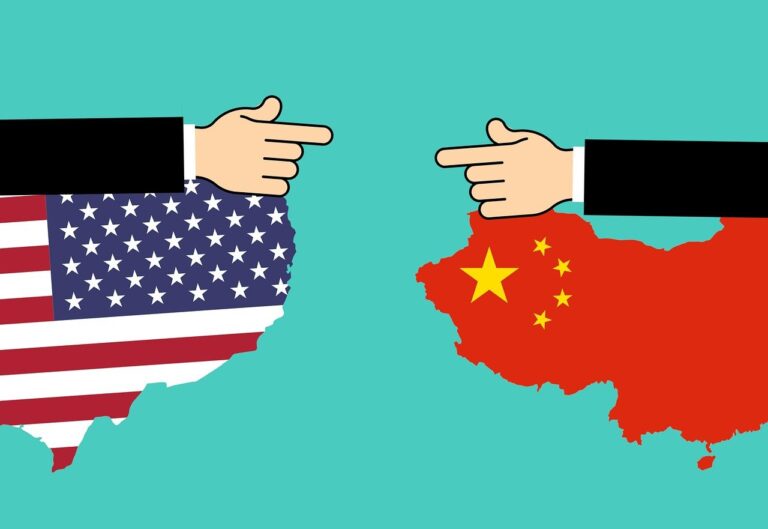
The Supreme Court just handed a major defeat to the Trump administration by striking down the sweeping reciprocal tariffs that have defined the car market for the last year. While this legal victory feels like a win for your wallet, the reality of what you will actually pay at the dealership is far more complicated than a simple price drop.
Most people shopping for a new vehicle lately have noticed that sticker prices are higher than ever, often with a specific line item for import duties or market adjustments. The court ruled that the president overstepped his authority by using emergency powers to bypass Congress, which technically removes the legal basis for those extra costs. If you are looking at a $45,000 SUV that was recently hit with a 25 percent tax, you might expect the price to tumble overnight, but the industry rarely moves that fast.
Automakers have already spent billions of dollars paying these taxes, and they are not exactly known for passing savings back to consumers the second a law changes. Most of the cars currently sitting on dealer lots were imported or built while those high taxes were still in effect, meaning the sunk cost is already baked into the price. You should not expect a massive discount on Monday morning, but there are several ways this ruling will eventually show up in your monthly payment.
You may also enjoy this: 2026 Mazda CX-5 Makes Infotainment as Easy as Your Smartphone
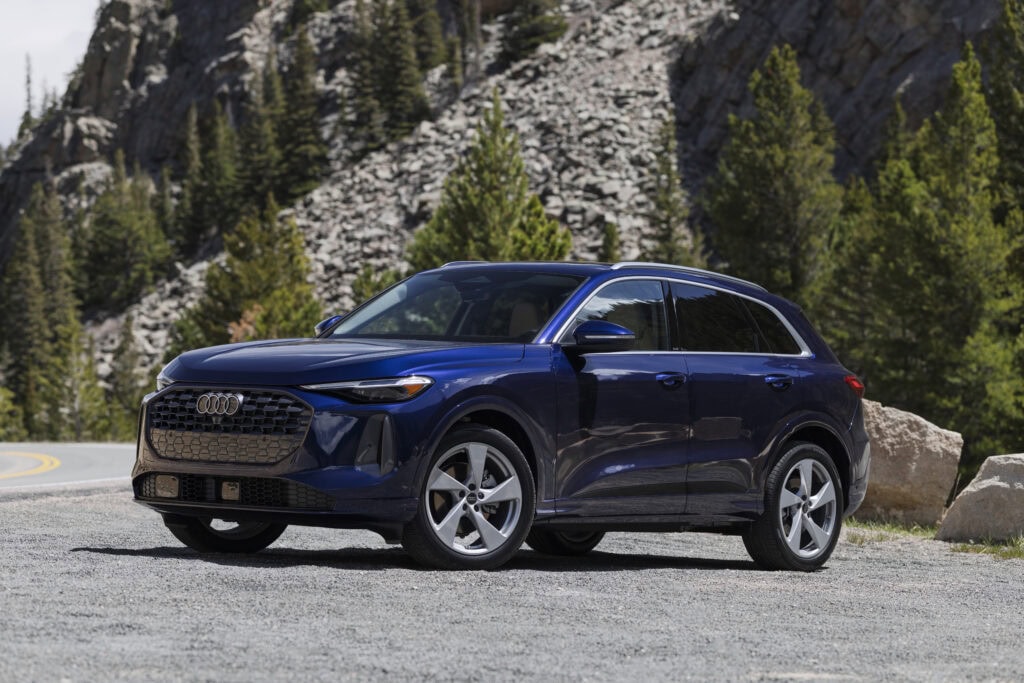
Why does this matter right now?
Now that car companies are no longer staring down a 25 percent tax on every vehicle they bring into the country, they have much more room to offer 0 percent financing or thousands of dollars in cash back to move inventory. This is especially true for brands that rely heavily on global supply chains, which might see more aggressive deals as the tax burden lifts. It’s important to note that not every tariff is suddenly gone. Steel and aluminum tariffs remain, which will continue to impact new car prices.
The ruling specifically targeted the use of emergency powers to tax global imports, but the relief might be short lived. Almost immediately after the decision, the White House announced it will implement a new 10 percent global baseline tariff using different legal authorities. For the moment, however, there is a legal vacuum that allows manufacturers to breathe, and that breathing room usually translates into more flexible pricing at the local level.
If you have been holding off on a purchase because you couldn’t justify the extra $5,000 in trade fees or tariff adjustments, that math is starting to shift. Dealers are acutely aware that buyers have been sitting on the sidelines, and they are likely to use this news as a reason to reach out with better offers. It is a transition period where the buyer finally has a bit of leverage back in their corner after years of take it or leave it pricing.
You may also enjoy this: The New California Road-to-Track Rally Anyone Can Drive
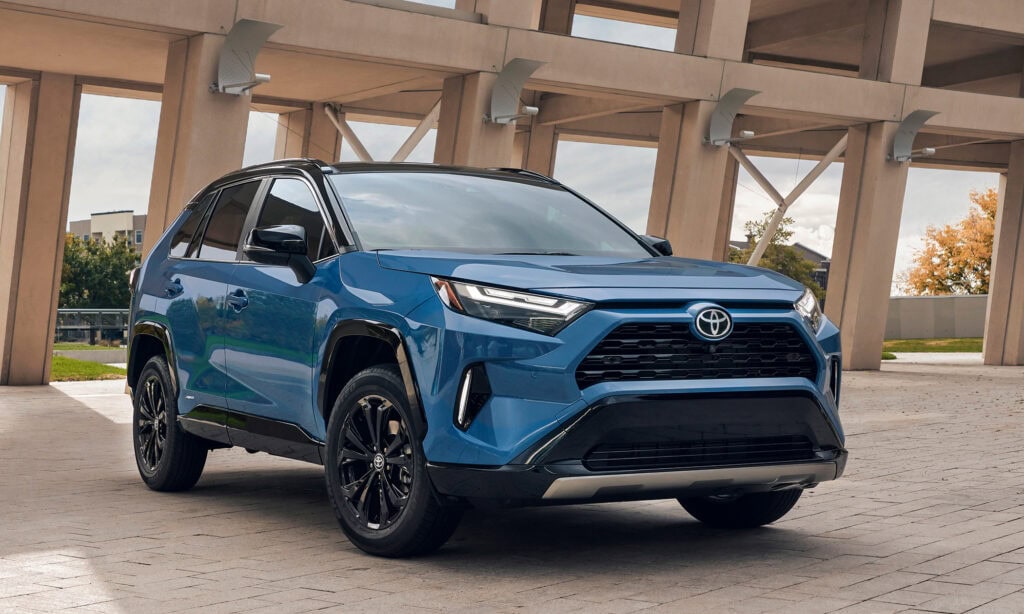
How does it compare to rivals or alternatives?
While the ruling is broad, it doesn’t apply to every single tax on the books, creating a weird disparity where some cars see price relief while others do not. For example, long standing taxes on imported light trucks were not part of this ruling, so your favorite heavy duty pickup or certain cargo vans are still going to carry those heavy duties. This is a great time to look at different body styles, as electric and domestic options navigate the new trade rules differently.
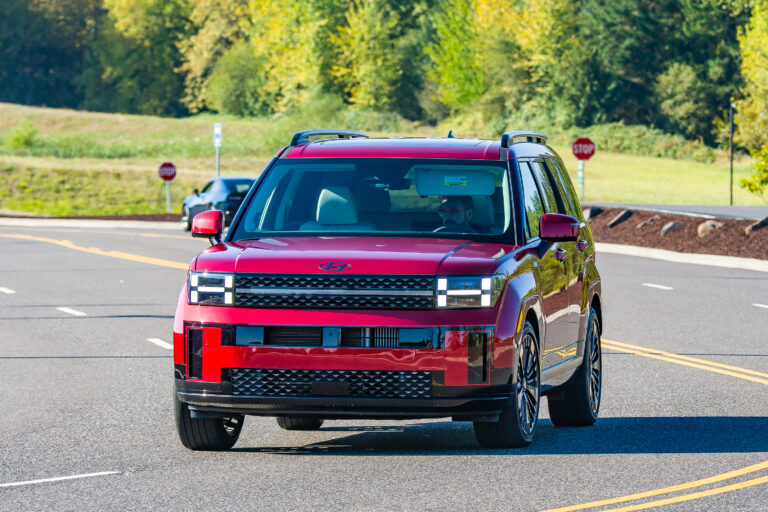
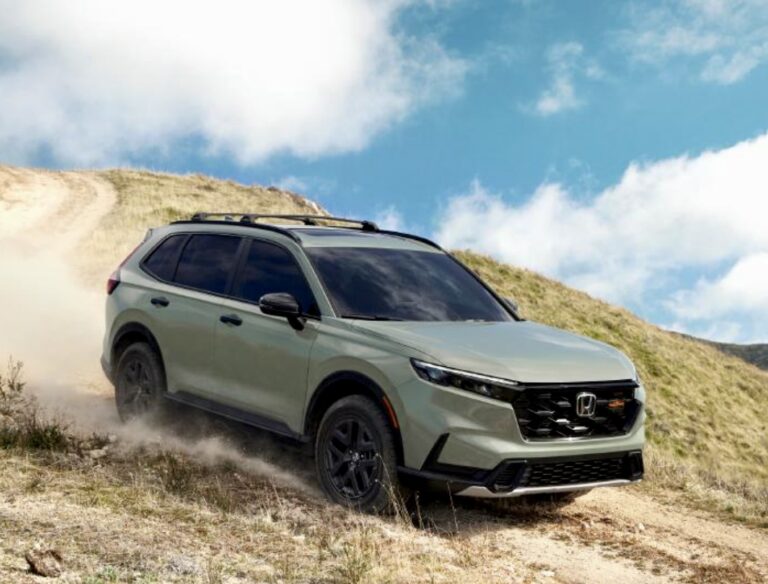
On the other hand, smaller sedans and crossovers that come from places like South Korea or Japan just got a massive competitive advantage. Brands like Honda and Hyundai, which have been juggling complex global supply chains, are now in a position where their cost to get a car to your driveway has dropped significantly compared to last week. You might find that a high tech hybrid that was previously out of reach is suddenly more affordable than a basic domestic truck.
Domestic manufacturers like Ford and GM are also in a bit of a spot as they watch their import rivals get a “free” price cut from the courts. This competition is great for you because it forces everyone to lower their prices to stay relevant in a crowded market. When a high quality import can be sold without an extra emergency tax, every other brand has to find a way to match that value or lose the sale.
You may also enjoy this: Rivian R2 Spring Production Looms – Reserve Now or Wait?

Who is this for and who should skip it?
This news is a huge deal for anyone who prefers imported brands or vehicles with complex global electronics. If you have been waiting for the price of a specific Japanese or European model to come back down to earth, your patience is about to pay off. The reduction in tariffs on the sensors and chips used in modern safety systems also means that the cost of high trim levels shouldn’t continue its upward climb quite so aggressively.
However, if you are strictly a domestic truck buyer, you should probably skip the celebrations because those specific duties remain. Your pricing on midsize pickups is likely staying right where it is despite the tariff being cut. It’s also worth skipping the wait if you need a car immediately. The price drops for cars already on the lot will be minimal until the newer, non taxed inventory starts arriving.
Budget conscious shoppers should be particularly excited because the market is finally moving in their direction. Many affordable models use components that were heavily taxed under the now invalidated tariff rules, and as those costs fall, these options become much more viable for the average family budget. If you are looking for a deal, this is the segment where the price competition is going to get the most intense over the next few months.
You may also enjoy this: Ram Dakota Revival: The Midsize Pickup You’ve Been Waiting For
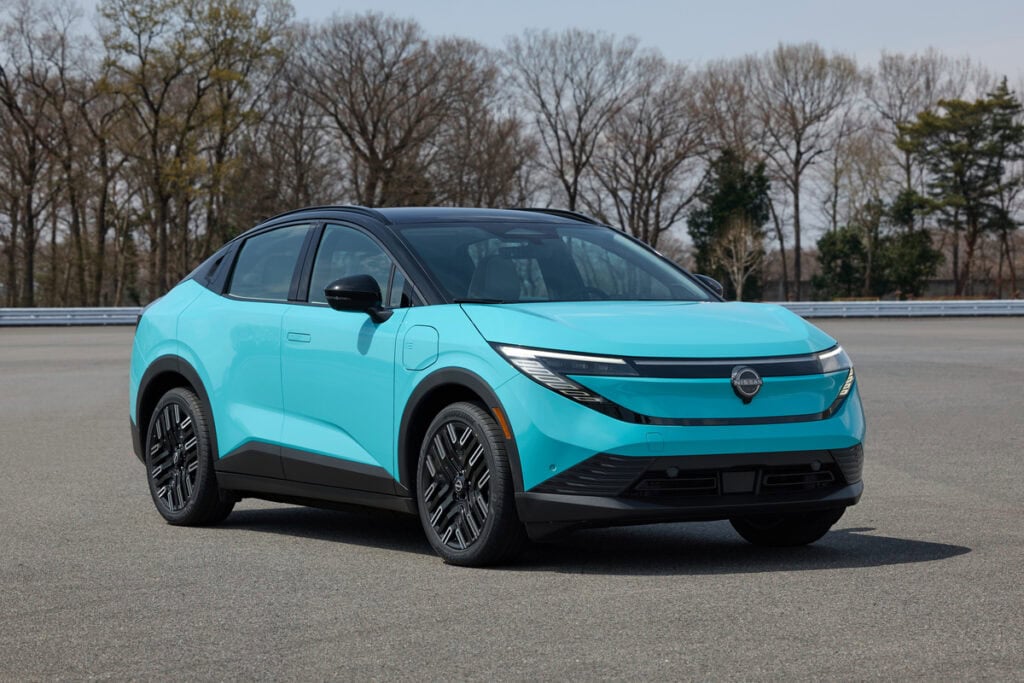
What is the long-term significance?
Long term, this tariff ruling ensures that car prices won’t be subject to the sudden whims of the executive branch without a vote from Congress. It provides the stability that automakers need to plan their future lineups without fearing a 25 percent tax hike every time there is a shift in trade policy. The court has made it much harder for car prices to be used as a political bargaining chip.
There is also the matter of billions of dollars in potential refunds for companies that have been suing to recover tariff payments. If these companies actually get their tariff money back, that cash could be reinvested into developing new models or used to subsidize the high cost of new technology. For the consumer, this means more choices and potentially better tech in the years to come as the industry stabilizes.
Finally, this creates a precedent that protects the used car market as well. When new car prices spike because of taxes, used car prices follow suit because people get priced out of the new showrooms. By keeping new car prices in check, the court has indirectly helped stabilize the value of every vehicle on the road, keeping the entire ecosystem a little more grounded in reality rather than political maneuvering.
You may also enjoy this: Cadillac’s Formula 1 Moment: What This Entry Really Means