BMW Hydrogen Vehicles: History and What Comes Next

BMW has tested hydrogen longer than most people realize. The real story is what it learned—and why a production model around 2028 isn’t as random as it sounds.
I’ll tell you why I think this is worth your time right now: hydrogen keeps reappearing in the mobility conversation at the exact moment EV ownership is getting more practical—and also more honest. The honest part is logistics. Charging works brilliantly when it fits your life. It’s frustrating when it doesn’t. Hydrogen fuel cell vehicles exist to attack one specific pain point: time spent refueling.
BMW’s hydrogen work matters because it isn’t a late-to-the-party experiment. BMW has been building and driving hydrogen prototypes since the late 1970s, first with hydrogen combustion engines and, more recently, with fuel cells. If you want the official backbone of the story, BMW lays out the milestones clearly in its own hydrogen history timeline, including the earliest 5 Series test car, the 7 Series prototypes, and the later headline projects like the Hydrogen 7 and H2R record car. BMW Group’s hydrogen history overview is a useful starting point.
Let’s walk through the vehicles you asked about—what each one was, what BMW was testing, and what it says about where hydrogen fits (or doesn’t) for normal drivers.
Why does this matter right now?
Because the industry is moving from ideology to logistics. The “one drivetrain will rule them all” era is fading. Buyers are asking practical questions instead: Where do I refuel or recharge? How predictable is it? What happens on cold mornings, long road trips, or towing weekends? Those questions are why BMW keeps hydrogen in the mix as a second zero-emission pathway rather than a replacement for battery EVs.
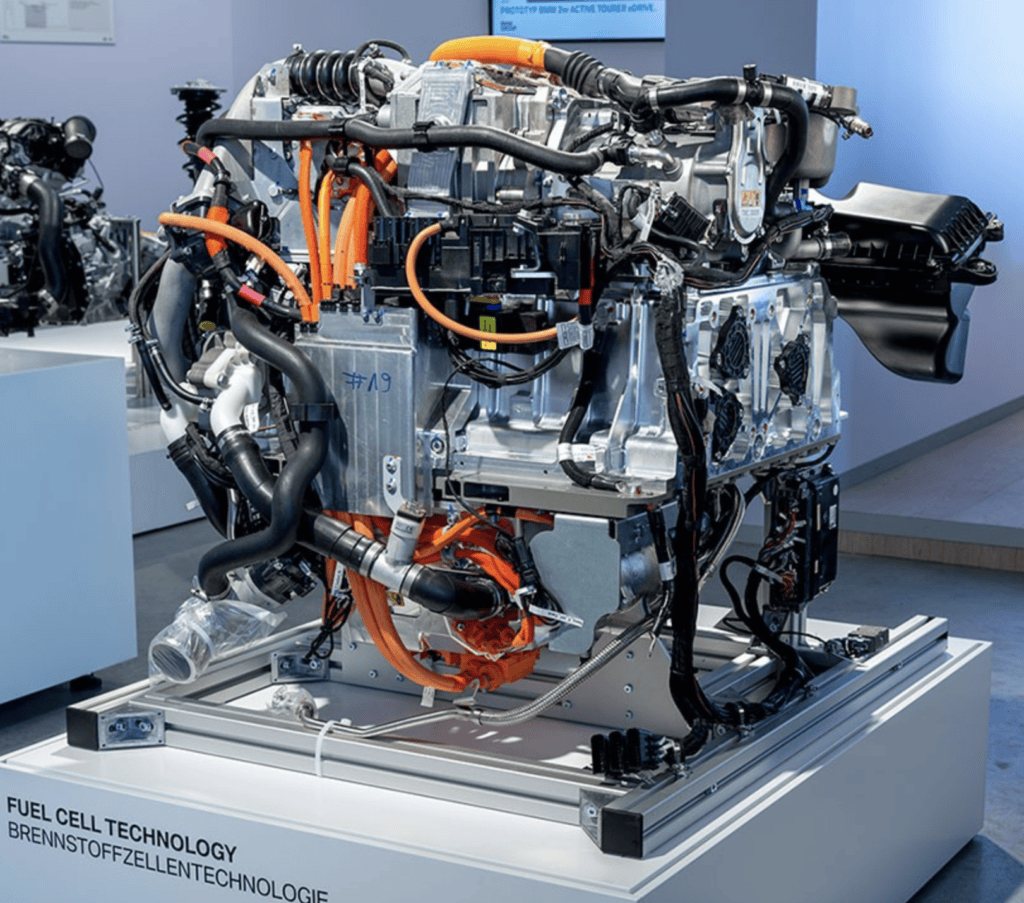
BMW’s timeline also shows something that gets lost in the usual debates: hydrogen isn’t one technology. BMW’s early work focused on hydrogen burned in modified combustion engines. The recent work focuses on fuel cells that generate electricity for an electric motor—meaning the driving experience is EV-like, with the “fueling” experience closer to gasoline.
That shift is visible in the vehicle list:
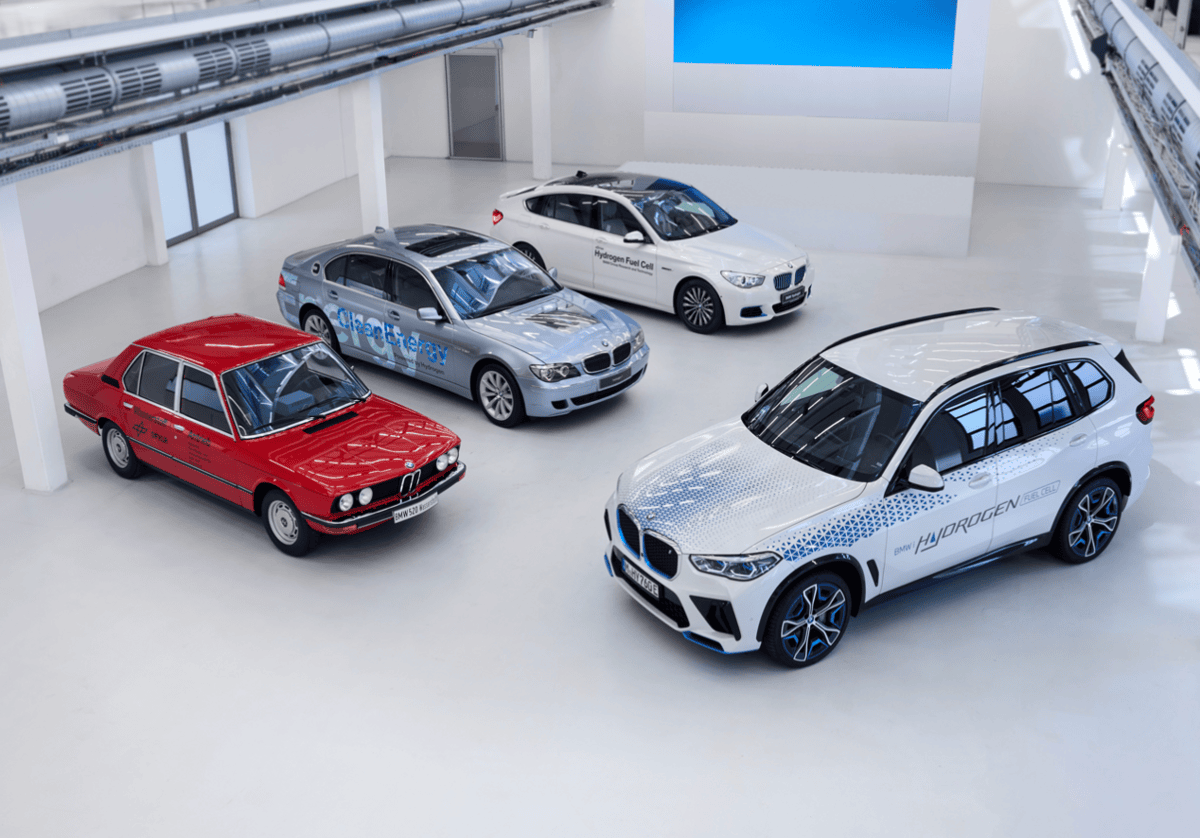
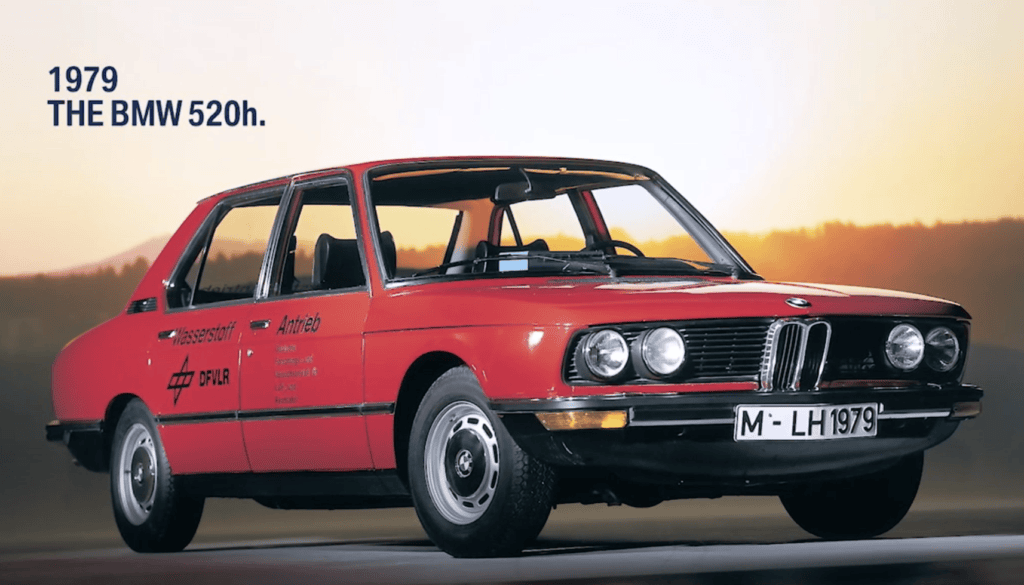
- 1979 BMW 520h (E12) hydrogen prototype: A converted 5 Series used to prove hydrogen could power a combustion engine in a real car.
- 1980 early 7 Series hydrogen prototype (E23-based): BMW explores liquid hydrogen storage in a flagship sedan package and learns what cryogenic storage demands.
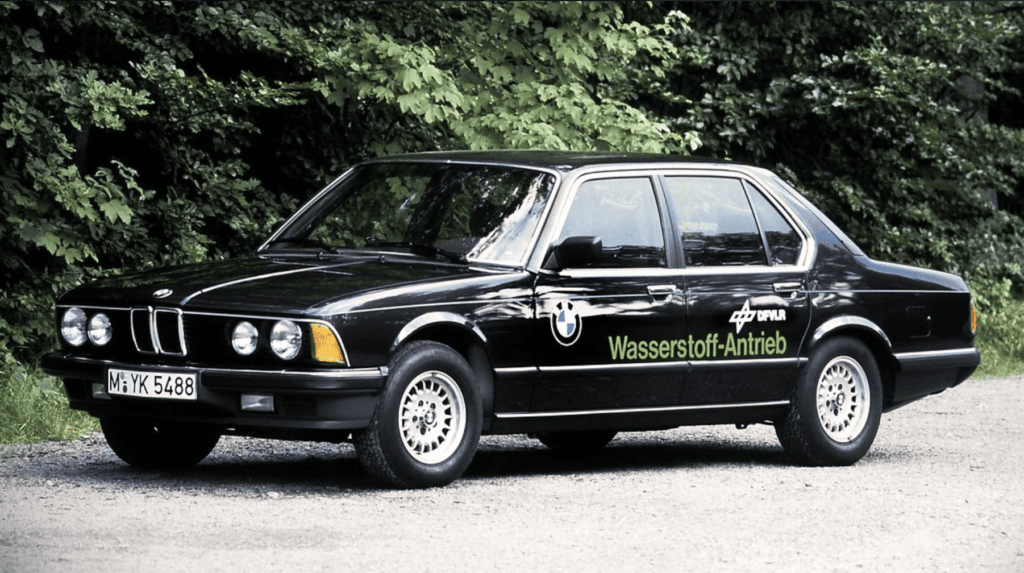
- 1988 7 Series hydrogen prototype (E32-based; often referenced as 750iL Hydrogen): BMW develops a dual-fuel approach (gasoline and liquid hydrogen) to study real-world usability and transition logic.
- 2000 BMW 750hL (E38 CleanEnergy): A hydrogen V12 demonstration fleet that pushed range and refueling targets into “normal luxury car” territory.
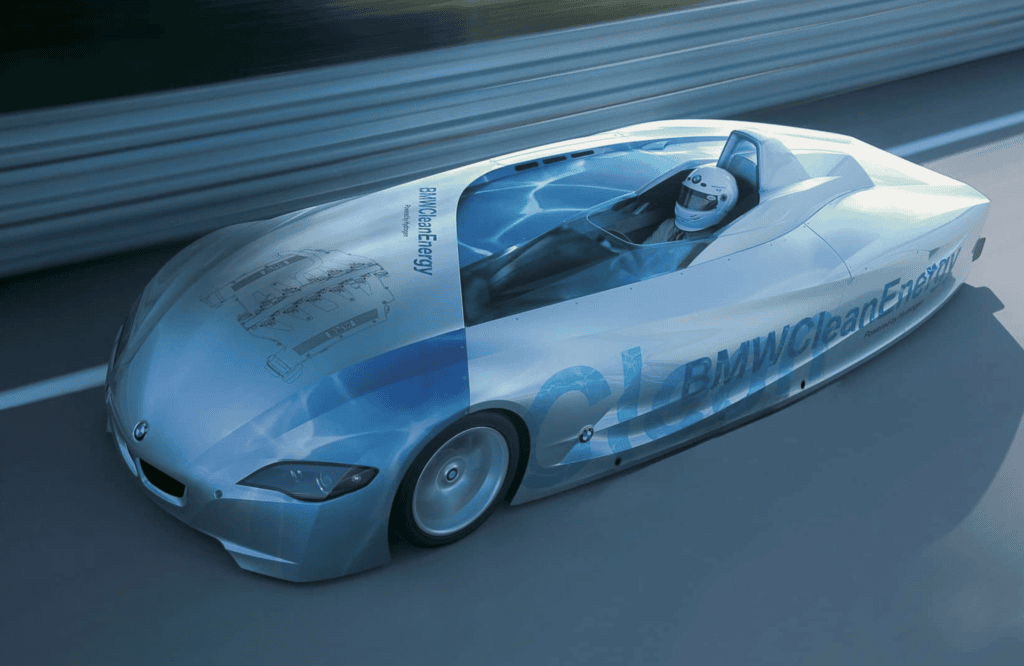
- 2004 BMW H2R (Hydrogen Record Car): A performance statement that used a hydrogen V12 to set speed records and remove the “but it must be slow” assumption.
- 2006–2007 BMW Hydrogen 7 (E68): A near-production luxury sedan that represented the peak of BMW’s hydrogen-combustion era.
- 2014 BMW 535iA Fuel Cell: A turning point toward fuel-cell electric drivetrains, developed with Toyota’s first-generation system.
- 2017 BMW 5 Series GT Fuel Cell demo: A packaging and integration test bed, shown publicly to demonstrate real vehicle architecture integration.
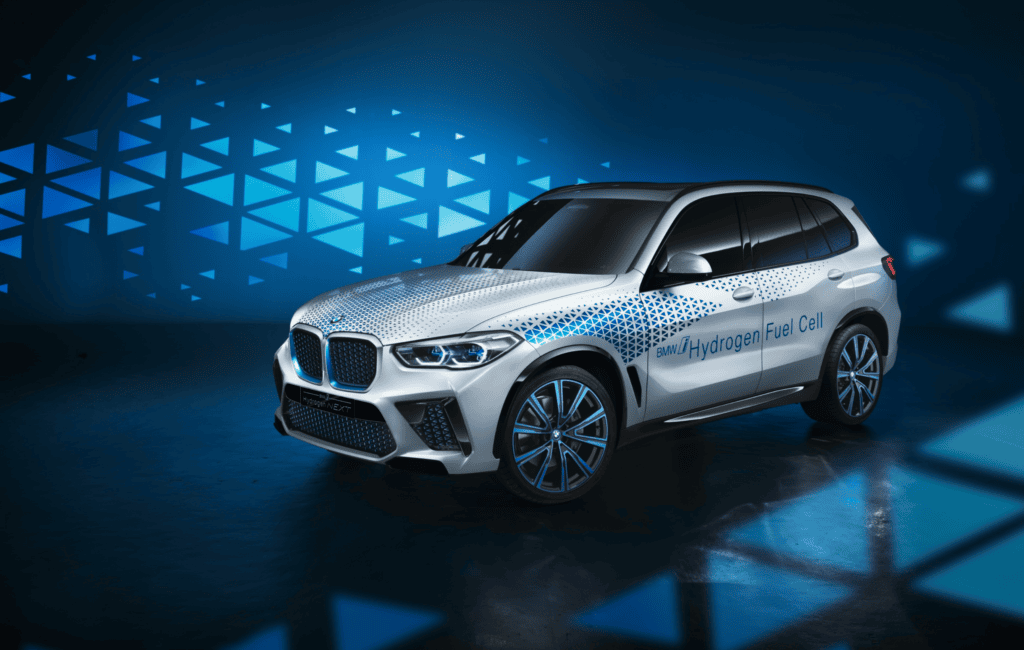
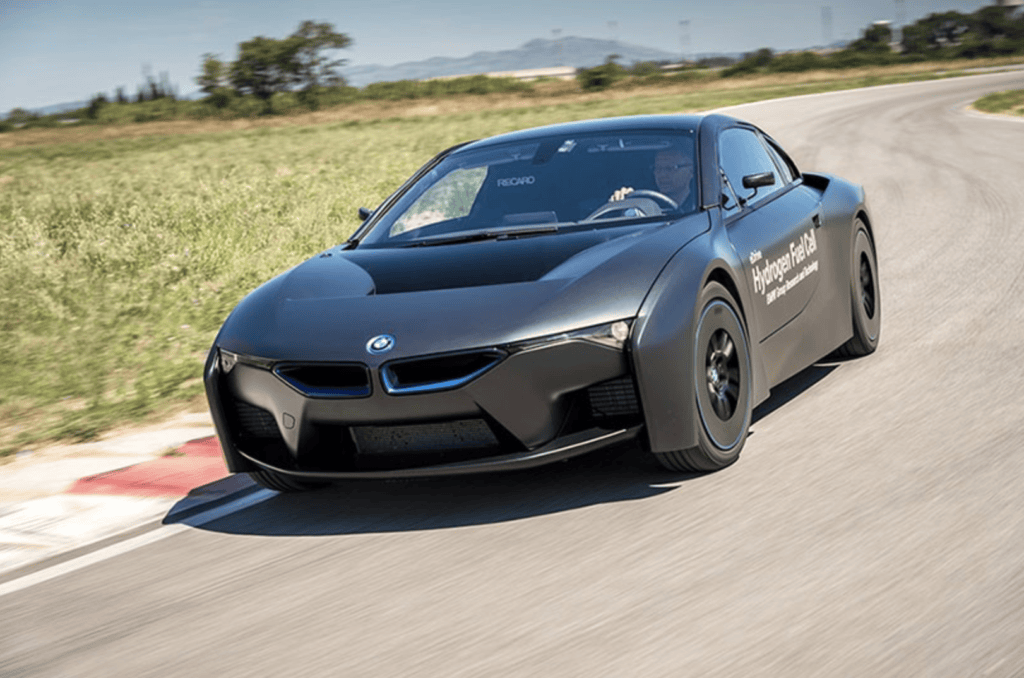
- 2019 BMW i Hydrogen NEXT (G05 concept): A modern X5-platform concept that previews BMW’s fuel cell direction.
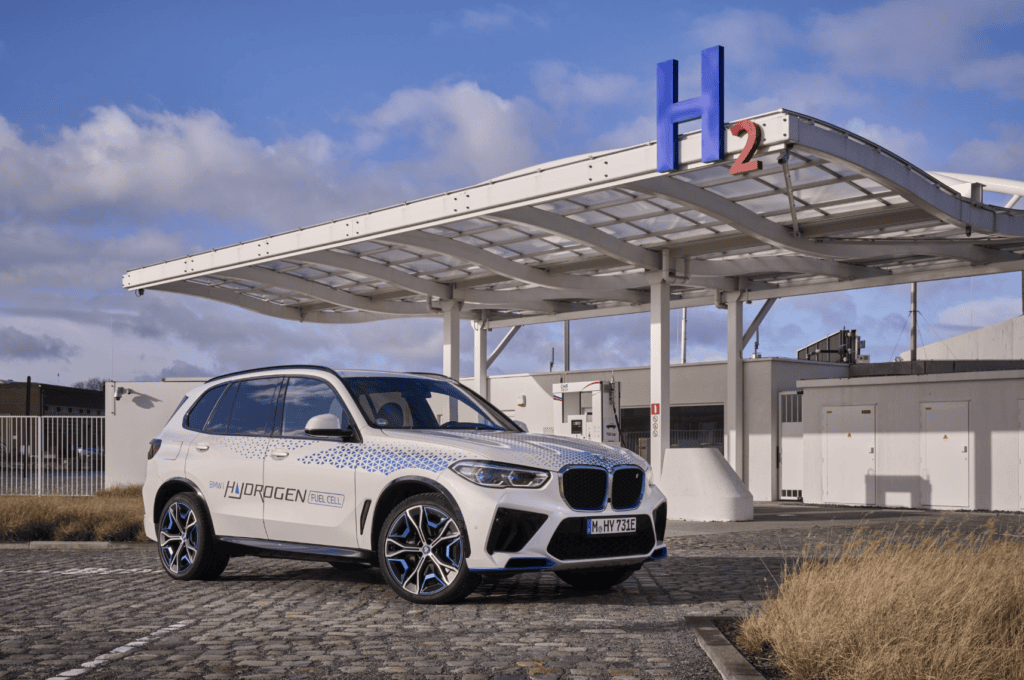
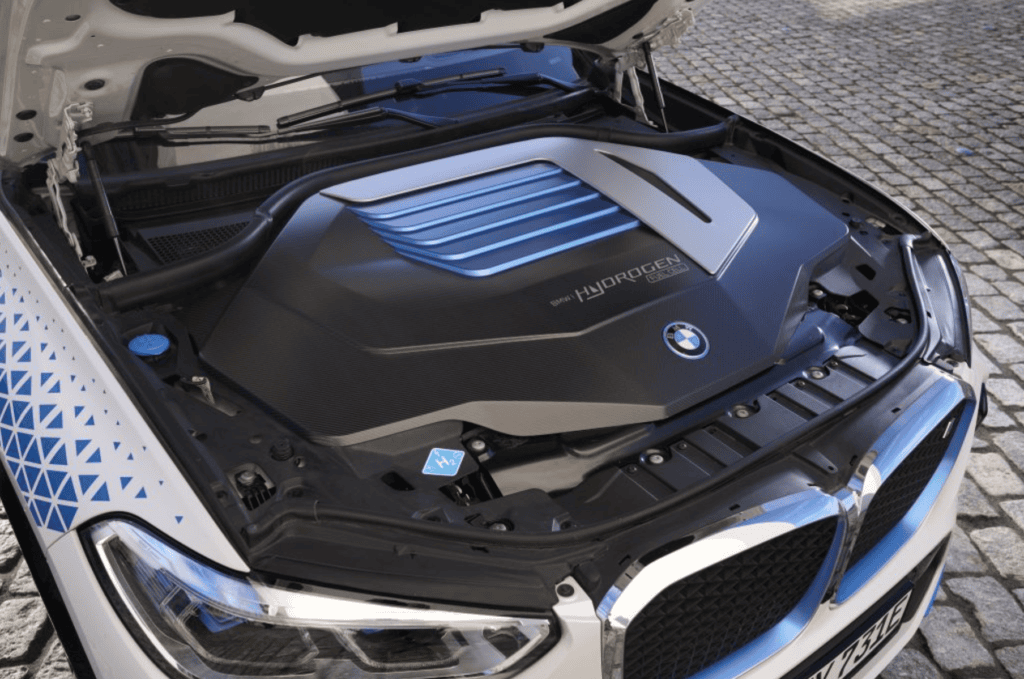
- 2023–2025 BMW iX5 Hydrogen pilot fleet: A real-world trial fleet (under 100 vehicles) used for demonstrations and practical learnings.
- 2028 BMW iX5 Hydrogen series model (planned): BMW has said a production fuel cell model is targeted around 2028, based on an existing vehicle.
Of all of these, the iX5 pilot fleet is the most relevant “right now” moment because it’s a real deployment, not a museum piece. BMW’s own iX5 Hydrogen pilot-fleet announcement is unusually detailed about what it’s trying to learn and what the vehicle can do. BMW iX5 Hydrogen pilot fleet press release is the cleanest primary source on the fleet’s goals, scale, and technical framing.
And here’s the part buyers should care about: BMW positions fuel cells as an addition to battery EVs, not a competitor meant to replace them. That framing is consistent with what we’ve been watching across the industry—lots of “either/or” talk, followed by “it depends” reality. If you’ve been tracking how automakers hedge technology bets, you’ll recognize the same tone in broader market stories—like how Volkswagen cost-cutting plans: what that means for buyers explains the internal discipline brands use when the future is uncertain.
How does it compare to rivals or alternatives?
The fairest comparison is to battery EVs, because that’s what most people mean when they say “zero-emission.” If you can charge at home and your driving fits the current fast-charging network, a battery EV is usually simpler. You don’t need high-pressure hydrogen tanks, you don’t need hydrogen supply and station uptime to cooperate, and you don’t need an entirely separate fueling ecosystem to mature.
Hydrogen’s advantage is narrow but meaningful: fast refueling and long-distance flexibility, with an electric motor driving the wheels. That’s why hydrogen keeps getting discussed for frequent highway use, heavier vehicles, and fleet-like duty cycles where downtime is expensive.
BMW’s approach also differs from rivals in a subtle way. The company’s hydrogen story starts with hydrogen combustion—proof that hydrogen can be used in familiar ICE frameworks—and then moves to fuel cells once “real-world, zero tailpipe emissions” becomes the priority. The 2017 5 Series GT Fuel Cell demonstrator is a clear marker of that evolution, and BMW itself ties it directly to the Toyota fuel-cell partnership. BMW Hannover Messe 2017 fuel cell demo overview documents that public-facing stage of the program.
For practical buyers, the biggest “alternative” question is not horsepower or branding. It’s fueling access. A hydrogen car with no reliable stations is a very expensive, very quiet conversation starter. If you want to sanity-check station availability in the U.S., the most credible public tool is the U.S. Department of Energy’s Alternative Fuels Data Center locator. DOE Alternative Fuels Data Center hydrogen station locator gives you the reality check that marketing can’t.
That infrastructure dependency is why many buyers who want fewer headaches end up in hybrids or plug-in hybrids today. We’ve seen similar “what actually makes life easier?” thinking play out in other tech areas, too—like the way New AI Voice Assistants Actually Listen to Tired Parents focuses less on buzzwords and more on whether the technology reduces friction in real daily use. Hydrogen’s job, if it’s going to win anyone over, is to reduce friction—not add it.
Who is this for and who should skip it?
This is for you if:
- You drive long highway distances and don’t want to plan your day around charging dwell time.
- You like the idea of an EV-like driving experience but want “fuel in minutes” convenience.
- You live in (or frequently travel through) regions with dependable hydrogen refueling access.
- You’re comfortable being an early adopter as long as the program is backed by real-world trials, not just concepts.
You should probably skip it if:
- You don’t have reliable hydrogen stations near you (or station uptime is inconsistent).
- You can charge at home and your daily driving is predictable and moderate.
- You want the simplest ownership ecosystem today. Battery EVs and hybrids are currently easier to support almost everywhere.
- You’re shopping primarily on cost. Early hydrogen passenger vehicles are unlikely to be the cheapest pathway while infrastructure is limited.
There’s also a practical buyer psychology angle here. People don’t mind new technology when it feels like a clear upgrade. They resent it when it feels like a new obligation. You can see that same tension in pricing and availability stories—like Deals Didn’t Disappear. They Just Got Weird. Here’s the Fix. Hydrogen will only feel “ready” when it stops feeling like homework.
What is the long-term significance?
BMW’s hydrogen history tells you the industry is settling into a multi-path future. Battery EVs will dominate many use cases because the grid is already there and home charging is powerful. Hybrids remain the pragmatic bridge—and for many households, the long-term sweet spot. Hydrogen fuel cells may become a third lane for certain drivers, regions, and duty cycles where fast refueling and long-distance use are central.
The long arc matters because BMW has already tested hydrogen through multiple eras of thinking:
Era one: prove hydrogen can work in an engine. The 1979 E12-based 520h and the early 7 Series prototypes were about feasibility—especially liquid hydrogen storage and real-world packaging compromises.
Era two: make it feel like a premium car. The E38-based 750hL program and the Hydrogen 7 aimed at something closer to a production ownership experience—range, refueling cadence, and a luxury wrapper that didn’t feel like a science experiment.
Era three: move to fuel cells for true zero tailpipe emissions. The 2014 535iA Fuel Cell and 2017 5 Series GT demonstrator are the bridge into the iX5 pilot fleet, where BMW treats hydrogen as an electric drivetrain with a different fueling method.
Now we’re in the next step: BMW has said it intends to bring a fuel cell production model to market around 2028, developed with Toyota on a new generation of fuel cell technology and based on an existing vehicle architecture. The important detail is that BMW positions this as an additional drivetrain option, not an all-in replacement strategy. That matters because it’s exactly how automakers behave when they believe the “winning” solution will vary by region, infrastructure, and customer pattern.
If you want the simplest way to think about BMW’s plan, it’s this: BMW is trying to make hydrogen ownership boring by the time it goes to series production. Boring fueling. Boring reliability. Boring packaging. That’s how new drivetrains actually succeed.
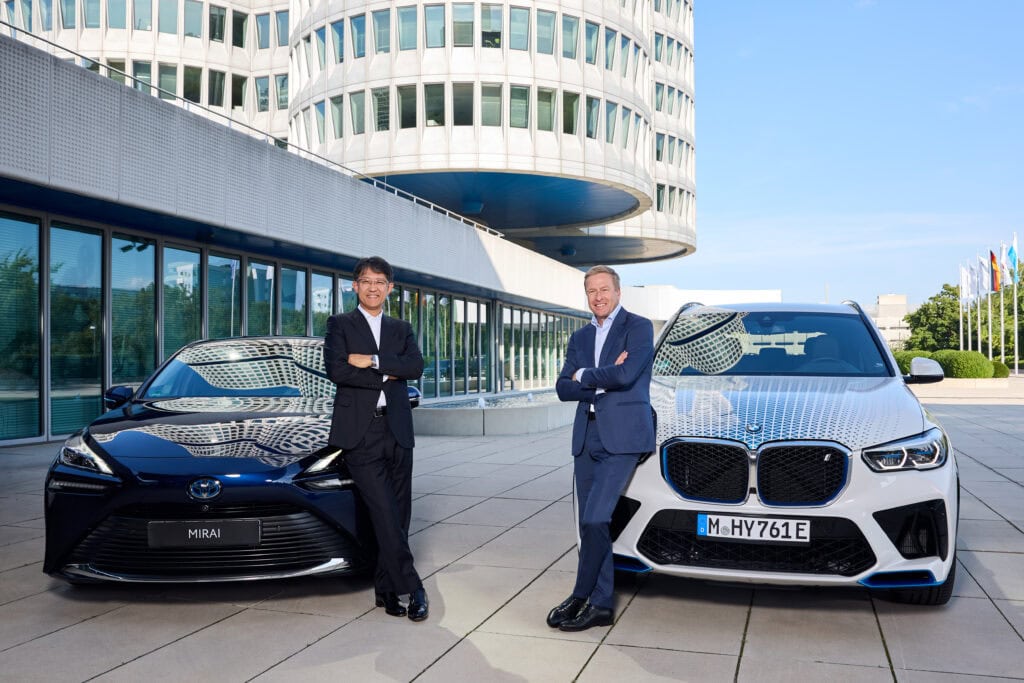
And if you’re following the broader ecosystem, the Toyota-BMW partnership is also a signal: expensive, complex technology tends to consolidate into shared development, then differentiate at the vehicle level. Toyota’s own announcement about strengthening collaboration toward next-generation fuel cell systems makes that intent explicit. Toyota’s BMW fuel cell collaboration announcement is a rare “read it in the source” confirmation also worth your time.
One final, grounding thought: if BMW launches a hydrogen model around 2028, the car itself won’t be the full story. The full story will be whether the hydrogen ecosystem becomes dependable enough that you can live your life without strategizing every fill-up. Until that happens, hydrogen stays niche. If it does happen, BMW’s decades of patient testing start to look less like a curiosity and more like a very deliberate long game.
For a reminder that “the future” only matters when it improves real ownership, it’s worth keeping an eye on how automakers handle day-to-day customer realities—whether that’s new technology or basic safety accountability. Even a straightforward item like Ford recalls 119,000 vehicles over Engine block heater fire risk is, in its own way, about the same thing: can an owner trust the system around the car to work when it matters?
If hydrogen is going to earn a place in your driveway, it will be because it offers the convenience people associate with gasoline, the driving feel of an EV, and the predictability buyers quietly demand. BMW’s hydrogen history suggests they understand that. Now we’ll see if the world around the car catches up.