Volkswagen cost-cutting plans: what that means for buyers

Volkswagen is tightening costs again—restructuring leadership, squeezing factories, and chasing margins. Here’s what that signals for everyday buyers.
If you drive a Volkswagen—or you’re shopping for one—cost-cutting headlines can feel like corporate noise you’re not meant to worry about. But this one is worth your attention, because it’s not a vague “we’ll be more efficient” promise. It’s a set of concrete moves that reveal how Volkswagen thinks it survives (and stays relevant) in the next few years.
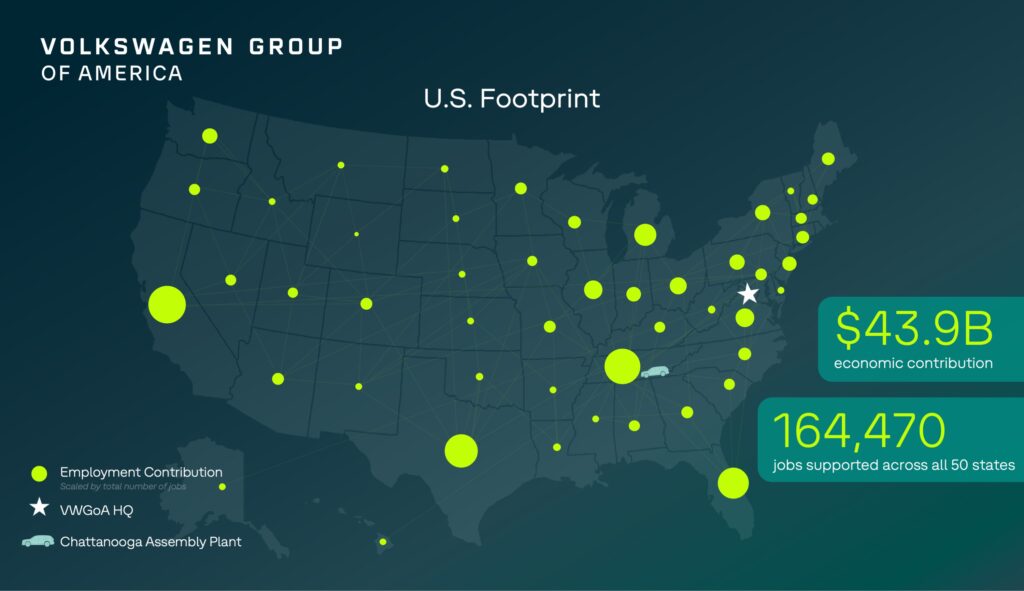
Recent reporting has described Volkswagen leadership pushing continued cost discipline into 2026, alongside fresh signals of structural streamlining in its core brand group. At the same time, Volkswagen has framed parts of the effort as a “performance program,” with official communications pointing to leaner processes and governance changes across production footprints. That combination—external pressure plus internal restructuring—tends to matter to buyers more than people assume.
If you want the company’s own framing, Volkswagen has described ongoing efficiency and governance initiatives in its newsroom communications, including updates tied to its broader performance program and production governance model on the Volkswagen Newsroom.
Why does this matter right now?
Because the pressure on mainstream carmakers has become very specific, and Volkswagen is responding with specific levers.
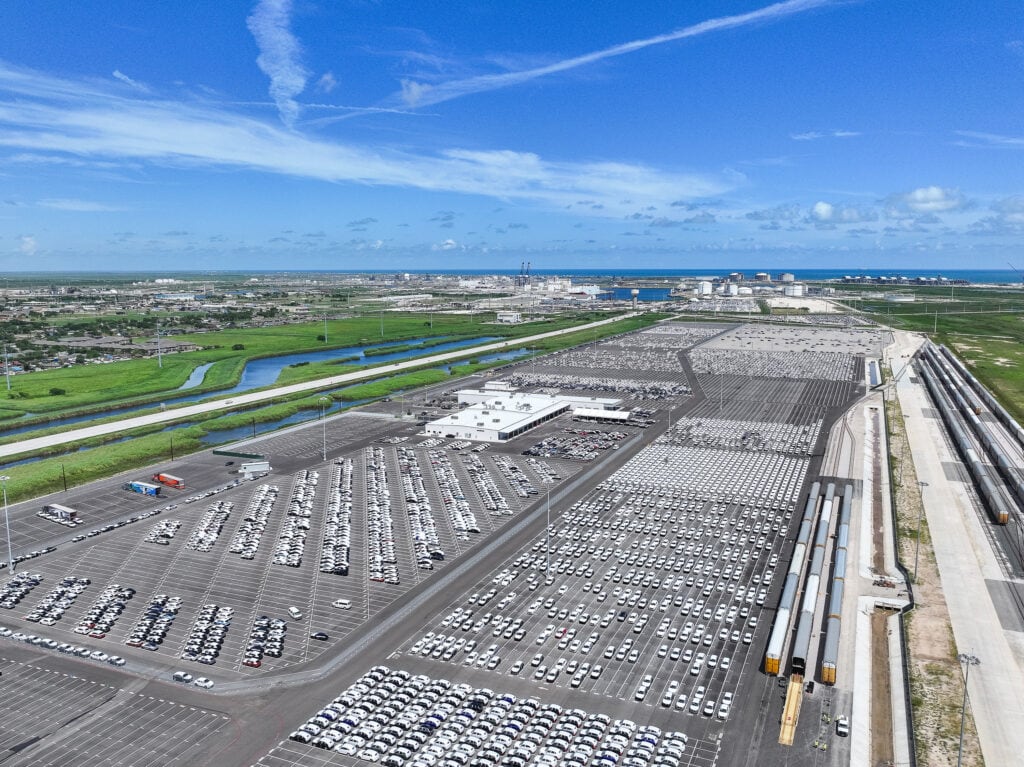
First: structure. Recent reports, picked up by major business reporting, describe Volkswagen’s core brand group planning to cut management layers—reducing board roles and centralizing responsibilities like development, procurement, and production at Wolfsburg. Whether every detail lands exactly as reported, the direction is clear: fewer layers, fewer duplicated decisions, and a lower overhead burden. It’s the kind of move you make when you believe the organization has become too complex to compete on speed and cost.
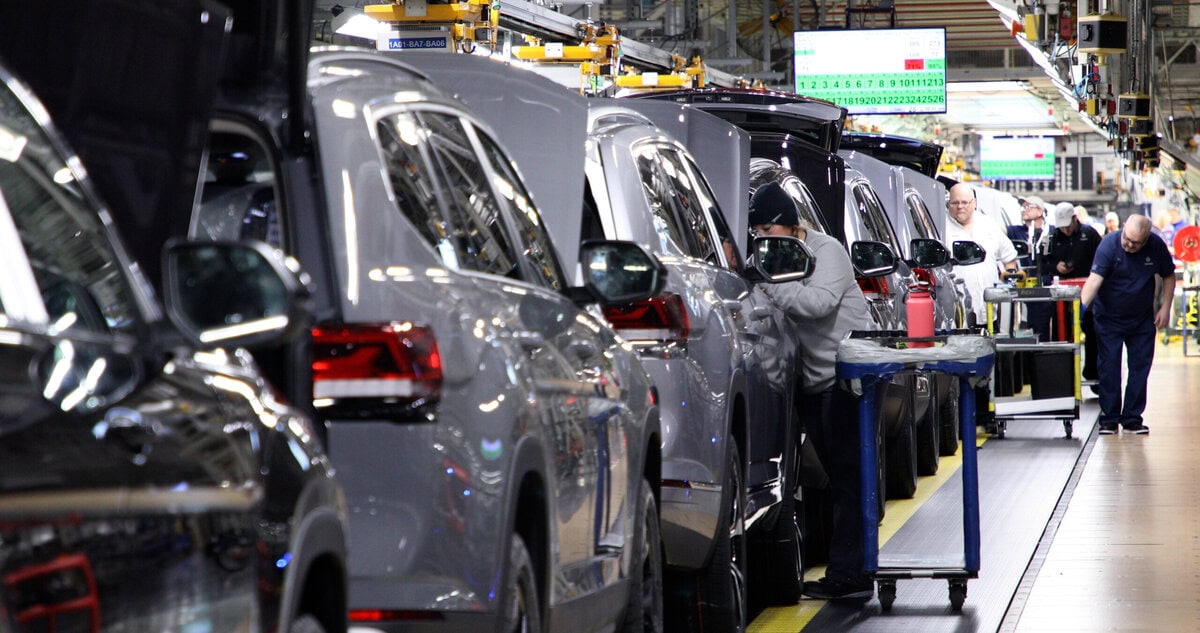
Second: labor and fixed cost. Volkswagen has been executing a Germany-focused restructuring path aimed at reducing headcount over time and pulling down factory and overhead costs. Recent coverage has highlighted participation in exit programs and measurable factory cost reductions at major sites. The implication for buyers isn’t immediate, but it’s real: the company is trying to reduce the “standing still” costs that make it harder to price vehicles competitively—especially as the market turns less forgiving.
Third: EV margin discipline. Executives have stressed that Volkswagen needs higher profitability in its electric vehicles and lower fixed costs, and that the company must deliver more revenue with fewer resources. This matters because EV pricing pressure is intense, and because margins dictate how confident a company can be in product cadence and software improvement.
If you’ve been tracking how fast cockpit technology expectations are moving—especially around AI assistants and driver distraction—this is a helpful companion read: New AI Voice Assistants Actually Listen to Tired Parents. Cost discipline and software ambition now live in the same sentence for most automakers.
How does it compare to rivals or alternatives?
Volkswagen isn’t unique in chasing costs. Most global automakers are running some version of the same playbook: simplify vehicle architectures, reduce build complexity, standardize parts, cut management layers, and focus spending on the areas that matter most (software, batteries, core platforms). But Volkswagen’s approach stands out for its emphasis on Germany-based restructuring and factory efficiency, and for how directly it has tied the effort to competitiveness in the face of shifting global demand and intensifying EV competition.
There are other models that sometimes do parts of this job better. Some companies are structurally leaner because they built later or operate with fewer brands. Some have been more ruthless about trimming model lineups and reducing manufacturing variation. EV-first brands often start with simpler lineups and centralized software architectures, which can reduce costs by design rather than retrofit. Still, lean structure doesn’t guarantee better quality or service; it just changes the tradeoffs.
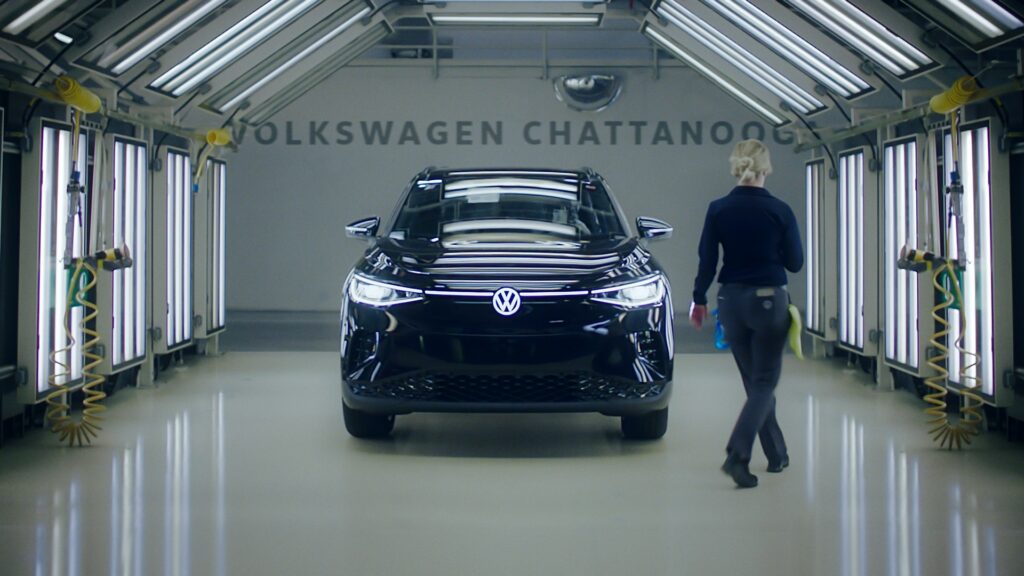
Volkswagen is effectively trying to keep the benefits of scale while removing the costs of scale. That’s hard. It’s also why you should treat “cost-cutting” as more than a scary headline. Done well, it funds investment and improves competitiveness. Done badly, it can erode quality or delay product plans.
Two real-world pressures sit behind this: price competition in EVs and the regulatory cost of emissions compliance. In Europe, CO2 standards for cars and vans shape powertrain planning and the economics of small cars. For the regulatory baseline, see the European Commission’s overview of CO2 emission standards for cars and vans.
For a broader sense of how “mobility” competition is changing the map beyond traditional ownership, you might also like Robotaxis in 2026: Are We Ready for Driverless Cities?. It’s not the same story, but it explains why automakers feel squeezed from more directions than just rivals with similar products.
Who is this for and who should skip it?
This is for you if you own a Volkswagen (or you’re shopping for one) and you pay attention to long-term quality, service experience, and product cadence. It’s also for readers who want to understand whether a brand is in “investment mode,” “retreat mode,” or “rebuild mode.” Cost-cutting programs are often the clearest public signal that a company is resetting how it operates.
You can probably skip it if you only care about a single purchase this week and you’re not interested in how the company behind the car is being reshaped. These programs matter most over 12–36 months, not 12–36 days.
If you’ve been watching how buyers behave when prices rise and budgets tighten, this internal piece provides a useful lens on what the market rewarded in 2025: The Winners and Losers of 2025: What Americans Really Bought.
What is the long-term significance?
Zoom out and this looks like a reshaping of what a traditional automaker has to be.
For decades, the classic advantage of a large automaker was scale: more models, more factories, more markets, more supplier leverage. The downside of scale is complexity: more management layers, more duplicated work, and slower adaptation. Volkswagen’s cost-cutting push is essentially an admission that the old balance has tipped. Scale alone doesn’t guarantee competitiveness anymore—especially in a world where EVs are getting cheaper and software expectations are rising.
In that environment, profitability is not just about shareholder comfort. It’s what allows investment in the next generation of vehicles, batteries, and software. That’s why Volkswagen leadership has emphasized financial discipline and simplification, and why coverage has focused on workforce restructuring targets and factory-cost improvements. Reporting has also tied urgency to shifting demand dynamics and external costs, including tariff exposure and intensifying competition. For recent, detailed reporting, see coverage from Reuters and analysis from the Financial Times.
The human factor matters too. The biggest risk in large cost programs is not the spreadsheet; it’s morale, retention, and execution quality while the organization is changing. The best plans preserve the people who build great products and remove the friction that stops them from doing their work. The worst plans cut too deep and end up paying the price in delayed launches or quality issues.
From what’s been reported so far, Volkswagen appears to be aiming for structural slimming: fewer management layers, centralized functions where duplication is costly, and factory-cost reductions intended to improve competitiveness. That doesn’t guarantee success, but it’s a coherent strategy for an industry that is being forced to move faster.
If you’re a consumer, the long-term significance is simple: Volkswagen is trying to remain a credible mass-market option in a world where mass-market cars are getting more expensive to build and harder to differentiate. If the plan works, you tend to see the benefits quietly—clearer trim walks, sharper pricing discipline, and a product cadence that feels less hesitant.
If you’re curious how product credibility is built (and signaled) in the wider automotive world, this recent Test Miles read is a good companion on the “execution vs. announcements” theme: Cadillac Barcelona F1 Shakedown Livery Explained. Different topic, same lesson: plans are easy, execution is the point.
The calm conclusion is this: cost-cutting isn’t automatically bad news for buyers, but it’s always meaningful news. It tells you where the company believes it has been wasteful, where it can’t afford to be slow, and what it’s willing to change to stay competitive. Volkswagen is making it clear that the next phase of its story is about discipline—because it believes discipline is the price of staying in the fight.