
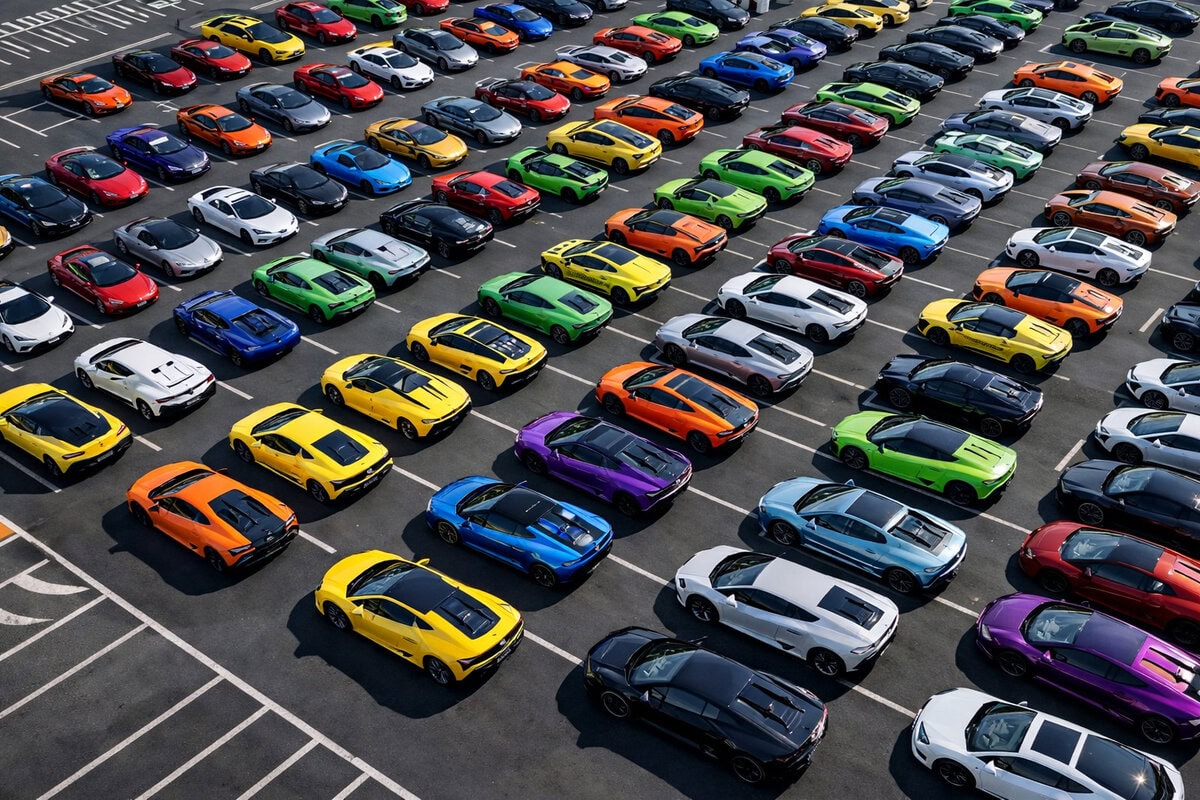
Lamborghini 2025 Deliveries Hit Record 10,747

Lamborghini’s latest delivery record isn’t just a brag. It’s a clear sign that hybrid performance can still feel exclusive—and still sell.
There’s a type of automotive headline that’s easy to skim and forget: “Brand X sets a sales record.” Most of the time it reads like a victory lap, and unless you’re tracking quarterly charts for a living, it doesn’t change your day.
This one is worth a slower read. On January 20, 2026, Lamborghini published its official summary of 2025 results: Lamborghini sets 2025 delivery record with 10,747 cars. The number is the headline, but the strategy underneath it is the real story.
Lamborghini says it delivered 10,747 vehicles worldwide in 2025, its best-ever annual result, and another year above the ten-thousand mark. It also points directly to its hybridisation strategy as a major reason the brand is still growing, even in a year it describes as marked by geopolitical and macroeconomic turbulence.
If you care about where cars are heading—how brands handle electrification, how luxury buyers behave when markets wobble, and how “performance” gets redefined—this is a useful data point. It’s also a reminder that the automotive world isn’t moving in one clean direction. It’s moving in several, at once.
For a broader snapshot of how quickly technology expectations are changing in everyday vehicles, you may also enjoy New AI Voice Assistants Actually Listen to Tired Parents, which looks at how modern cockpit systems are shifting from rigid commands to genuinely helpful, low-distraction tools.

Why does this matter right now?
Because the performance-car world is in its awkward middle chapter, electrification is no longer a far-off promise, but it’s also not a settled, universally loved reality. Some brands are accelerating into EVs. Some are slowing down. Many are using hybrids as the bridge that keeps the emotional parts of driving intact while adapting to a changing regulatory and customer landscape.
Lamborghini’s 2025 record matters because it suggests that customers are not automatically rejecting electrified powertrains—at least not when the product still feels like it belongs in the Lamborghini universe. That’s a subtle but important distinction. People don’t buy these cars because they’re rational. They buy them because they’re identity objects. If a hybrid architecture can be integrated without breaking the identity, it becomes an advantage instead of a compromise.
The regional breakdown makes the point more clearly. Lamborghini reports 4,650 deliveries in EMEA, 3,347 in the Americas, and 2,750 in Asia Pacific. That’s not a story of one region carrying the brand. It’s a broad demand across very different economic climates—exactly the scenario where weaker strategies tend to get exposed.
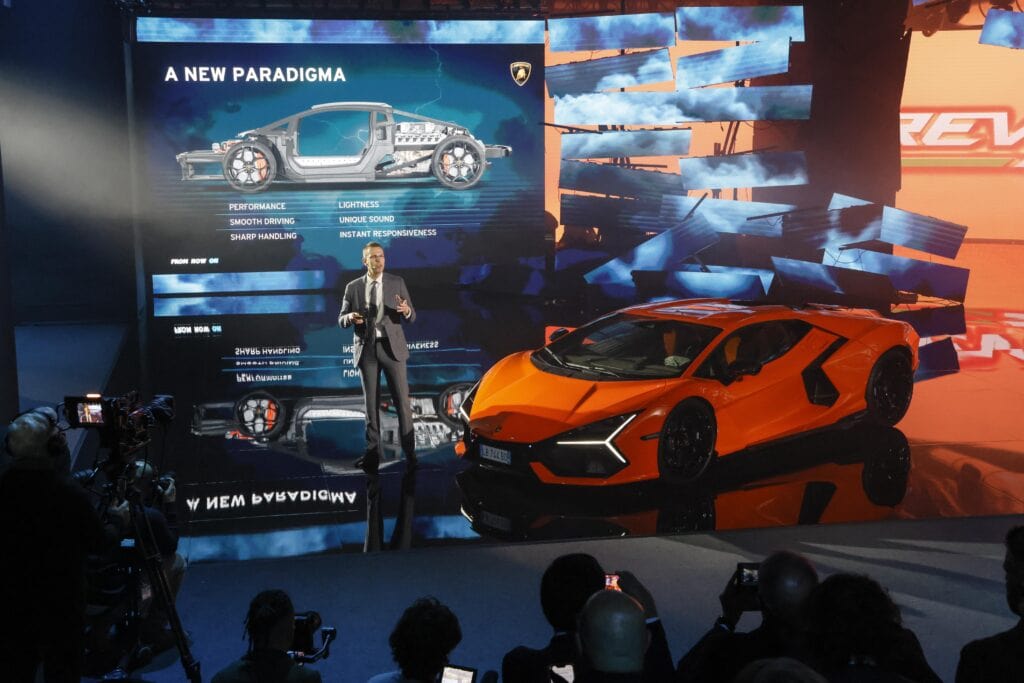
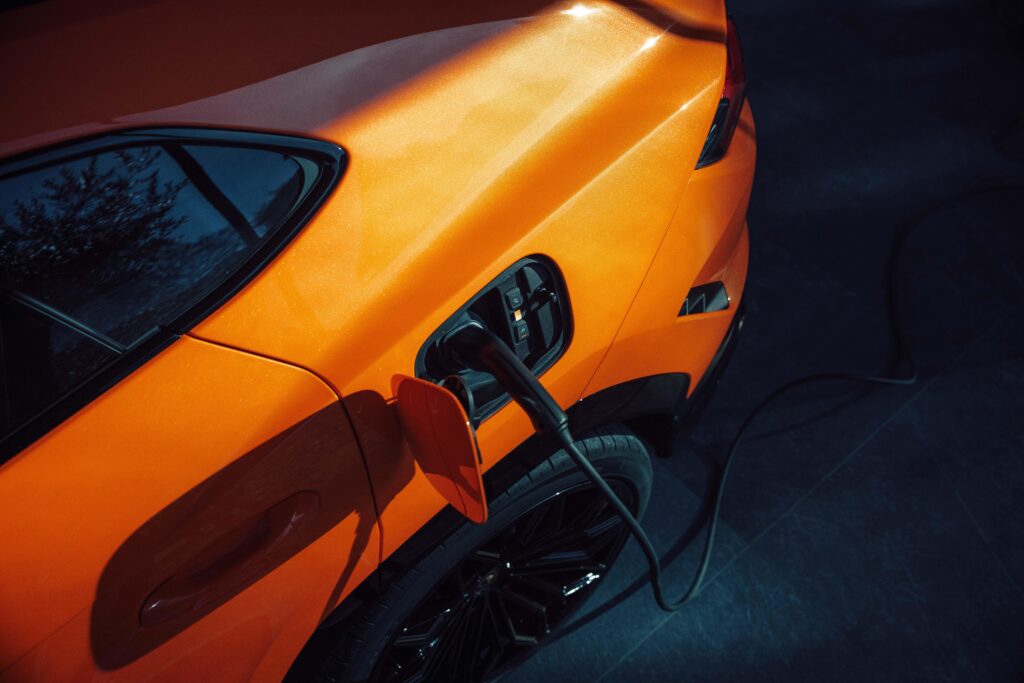
Then there’s the product pairing Lamborghini highlights as the foundation of its electrification phase: Revuelto and Urus SE. Those are not random choices. One is the brand’s myth-making flagship. The other is the revenue and usability anchor. When you can electrify both ends of your identity spectrum and still grow, you’re doing more than surviving—you’re shaping what customers think the future should feel like.
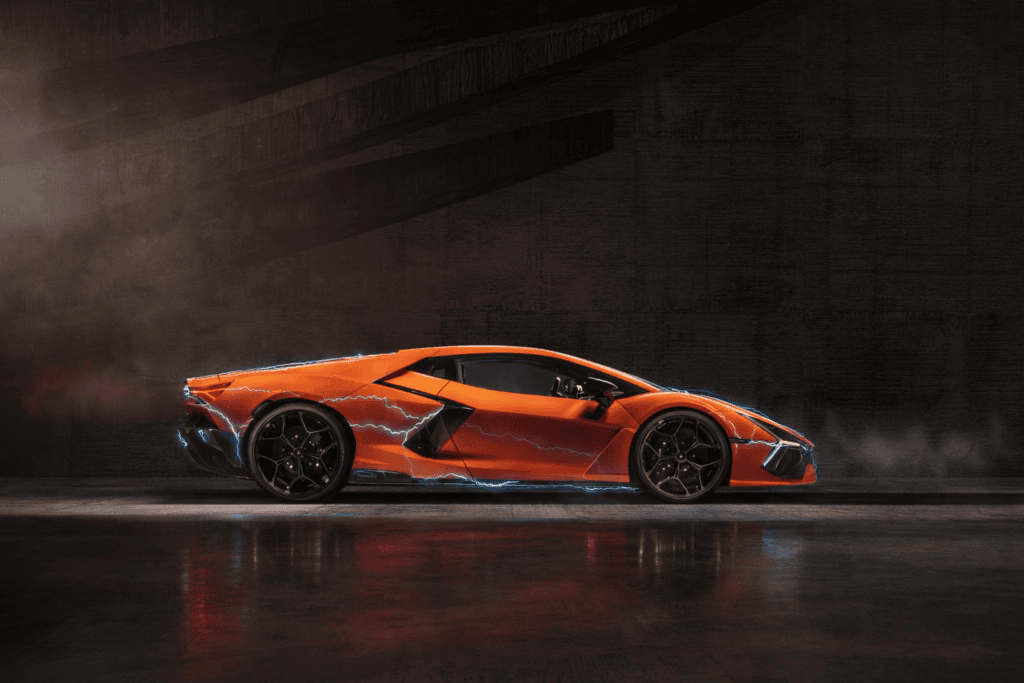
If you want a simple reference point for what Lamborghini means by a “hybrid super sports car,” the brand frames Revuelto as the first V12 HPEV hybrid in its lineup. Here’s the official model overview: Lamborghini Revuelto.
This is also happening in an industry where the cost of complexity is showing up everywhere. If you want the consumer-side view of how policy and market forces can hit buyers in the wallet, That New Car Is $6,400 More Expensive. Here’s Why. is a helpful companion read.
How does it compare to rivals or alternatives?
The most honest comparison here is not “who sold more,” but “who is transitioning cleanly.” Many performance brands are managing mixed identities: icons powered by internal combustion on one side, electrified experiments on the other, and a customer base that is split between excitement and skepticism.
Lamborghini’s message is unusually direct. It says the brand has reached a milestone of offering an entirely hybridised range, positioning itself as the only luxury super sports car manufacturer to do so. Whether you treat that as a strict category claim or a strategic narrative, the intent is clear: Lamborghini wants to own the idea that hybrid performance can still be unmistakably Lamborghini.
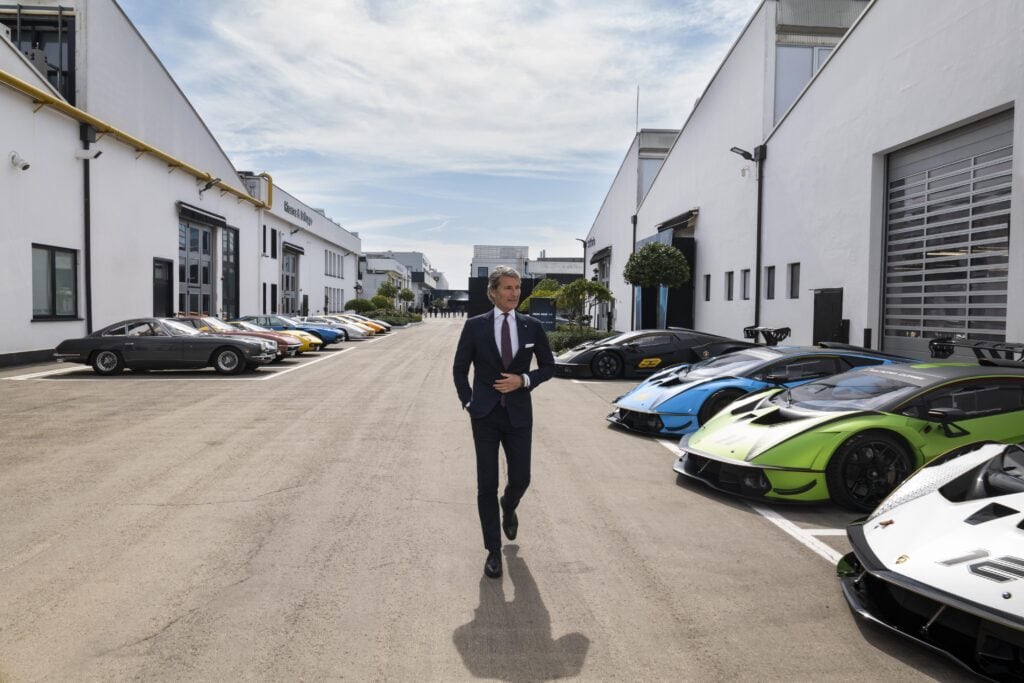
It also emphasizes restraint. CEO Stephan Winkelmann says the strategy does not aim for peaks in volume, but instead consolidates the results achieved following recent growth. That matters because luxury brands can “win” themselves into trouble. Too many cars, too quickly, and the badge loses its edge. Lamborghini is signaling discipline on supply and distribution, not just a celebration of demand.
There’s another comparison worth making: what buyers might choose instead. The alternative to a Lamborghini isn’t always another supercar. Sometimes it’s a different kind of high-end performance experience altogether—quiet, fast electric luxury, or a grand tourer that prioritizes comfort and effortless speed. Hybrids sit in the middle. They preserve a familiar emotional soundtrack while adding new layers of power delivery and system complexity.
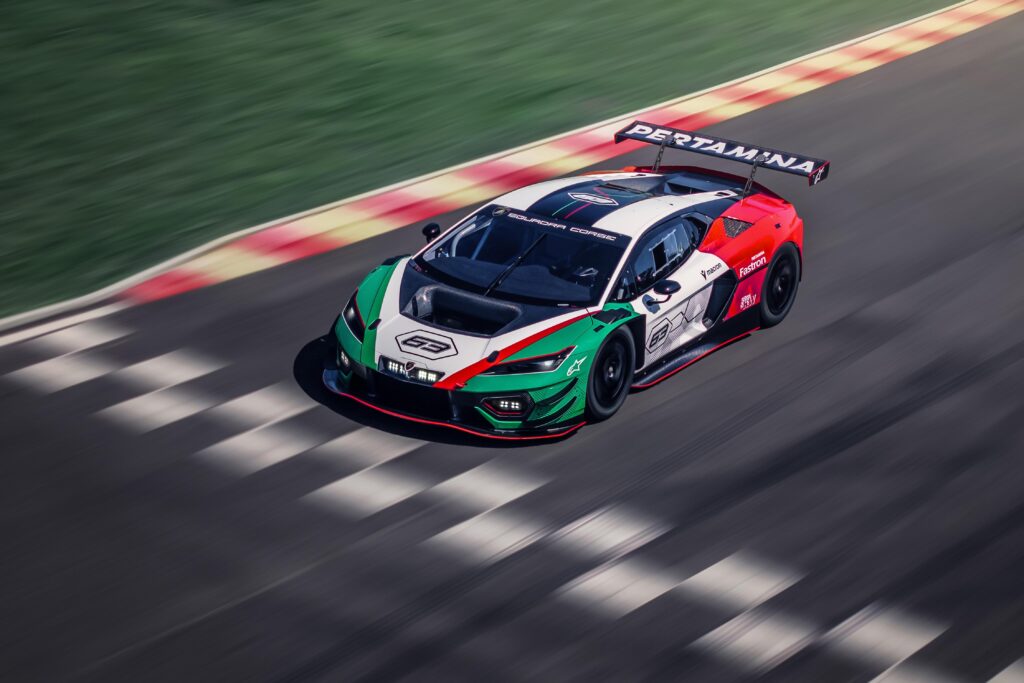
On the brand-reinforcement side, Lamborghini points to motorsport derivatives and customer racing programs. The press release highlights the Temerario GT3 revealed at Goodwood, described as the first racing derivative of the Temerario project and the first race car entirely conceived, developed, and built by Lamborghini Squadra Corse. For context on the event itself, the Goodwood Festival of Speed is the cleanest reference point: Goodwood Festival of Speed.
If you’ve been following how racing programs influence road-car thinking and brand strategy, you may also enjoy Audi F1 2026 fire-up: the milestone that matters, which looks at how “integration” milestones signal seriousness long before the scoreboard arrives.
And if you want an independent, non-brand view confirming the core delivery number and regional split, Reuters reported the same record figure and breakdown on January 20, 2026: Lamborghini flags record deliveries at 10,747 cars in 2025 worldwide.
Who is this for and who should skip it?
This story is for the reader who likes real signals more than big promises. You don’t need to be shopping for a Lamborghini to care about what this says. A record year in the ultra-luxury performance space is a clue about how high-income buyers feel right now—and what kinds of powertrain changes they will tolerate, or even welcome, when the product is executed well.
It’s also for anyone trying to make sense of electrification without the culture-war noise. Lamborghini’s strategy is not “everything electric tomorrow.” It’s “hybridize the range while keeping the identity intact.” Whether you personally like that approach or not, it’s a useful case study in how brands are adapting under pressure.
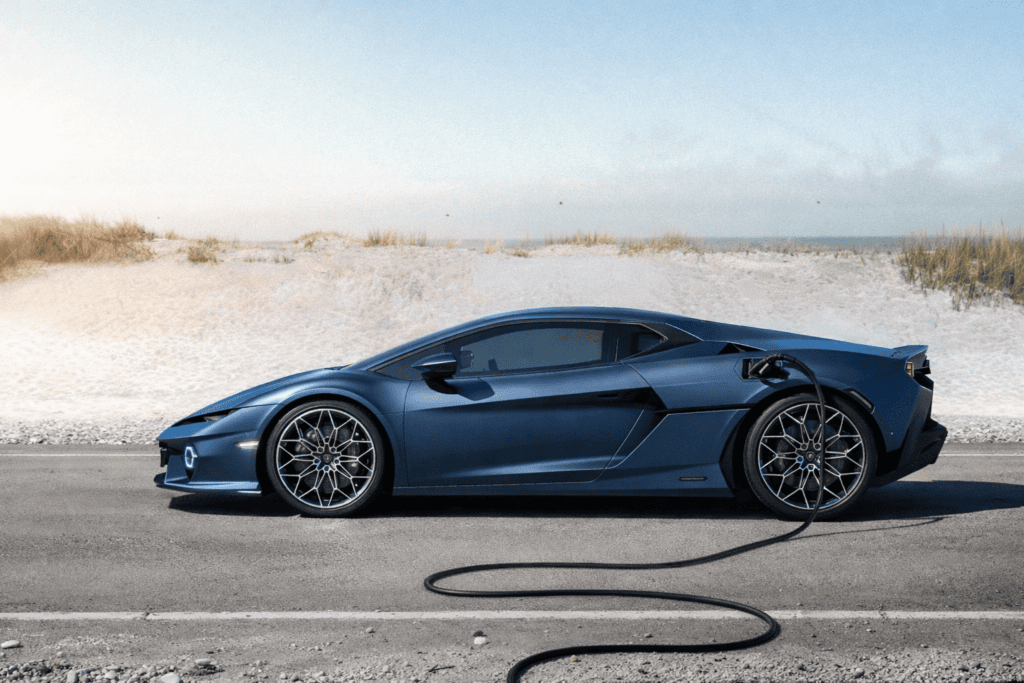
And it’s for the enthusiast who worries that electrification automatically means the end of character. Lamborghini is arguing the opposite: that hybrid architecture can be built into the most extreme version of its performance identity, not just the practical end of the lineup.
You should skip this if you only want predictions about the wider economy or precise financial conclusions. Lamborghini provides delivery numbers and strategy framing here, but it does not provide the full detail you would need to responsibly estimate revenue, profit, or future pricing trends.
You can also skip it if you prefer cars purely as tools. None of this is necessary for daily life. But it can still be informative, because the technologies and strategies proven in high-margin segments often trickle down over time.
For a broader look at how mobility is becoming more “systems + software” across the industry, Robotaxis in 2026: Are We Ready for Driverless Cities? captures the bigger shift: modern transportation is increasingly about integration, reliability, and trust—whether the vehicle is autonomous or simply smarter than it used to be.
What is the long-term significance?
Zoom out far enough and Lamborghini’s delivery record becomes more than a brag. It becomes a signpost for how performance brands are trying to survive the next decade without becoming generic.
First, it reinforces that electrification is a transformation process, not a single decision. Lamborghini is presenting hybridisation as an evolution of performance rather than a retreat. That framing matters because it shapes what customers expect from future products and what they will accept emotionally.
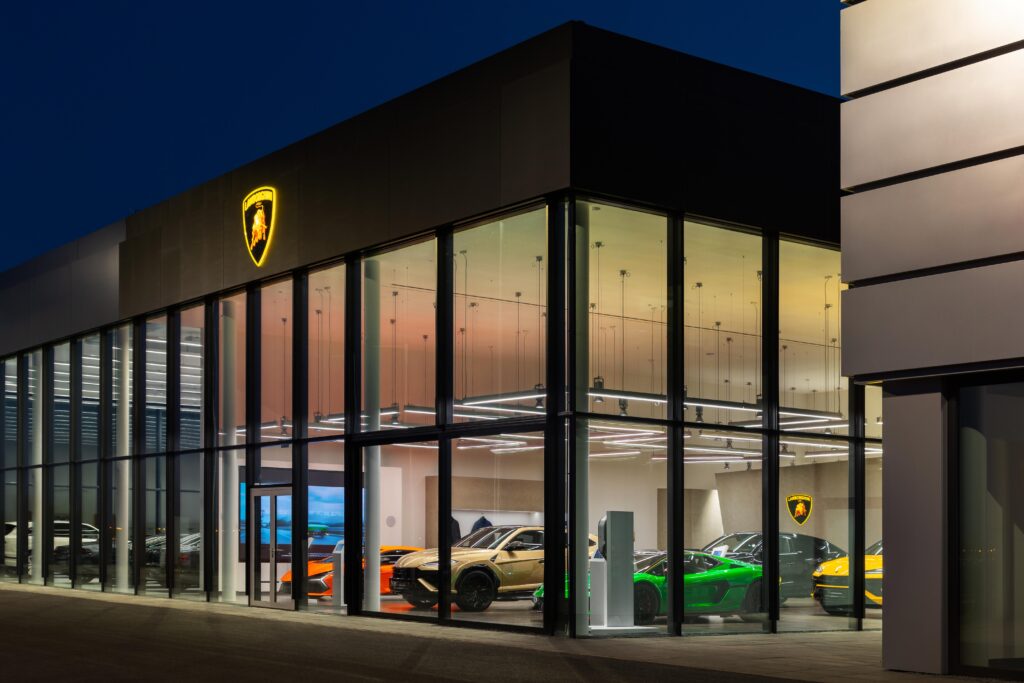
Second, it highlights the role of disciplined exclusivity. Lamborghini’s leadership emphasizes that it is not chasing peaks in volume, but consolidating gains. That’s an important long-term posture in luxury. If the brand keeps supply in check while delivering products that feel meaningfully different, it preserves the value of the badge.
Third, the cadence of product introductions becomes a demand-management tool. Lamborghini says the Temerario joins the range in 2026 with customer deliveries beginning from January and an order book already covering approximately twelve months. Waitlists can build desirability, but they also create pressure. If the wait is too long, buyers may drift. If production expands too aggressively, exclusivity softens. Managing that tension is one of the core skills luxury brands need in the electrified era.
Finally, limited-series cars continue to function as rolling brand statements. Lamborghini notes that it revealed Fenomeno during Monterey Car Week, limited to 29 examples, and describes it as featuring the most powerful V12 Lamborghini has developed, integrated into a hybrid architecture delivering a total output of 1,080 CV. Even if most people will never see one, the existence of cars like this shapes perception: it keeps the brand’s edges sharp, and it reminds customers that Lamborghini still values extremes.
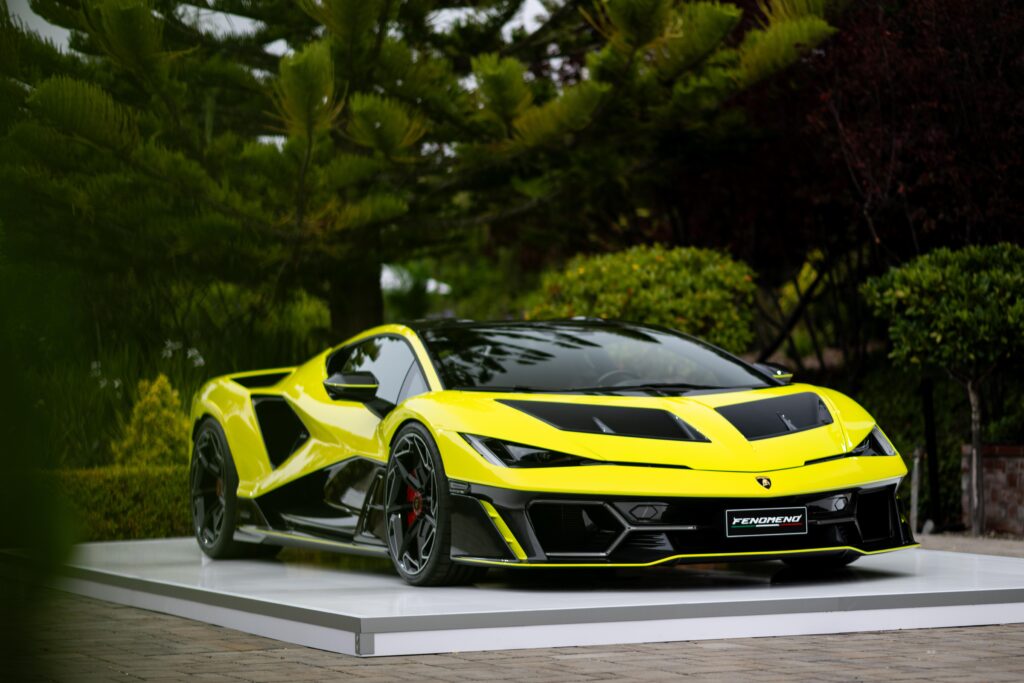
For context on the stage where those limited-series announcements land in the real world, Monterey Car Week’s official event hub is a useful reference point: Monterey Car Week.
The calm conclusion is this: Lamborghini’s record 10,747 deliveries in 2025 is a strategy confirmation, not a mass-market victory story. It suggests the brand can hybridize its lineup, keep customers enthusiastic, and grow carefully without chasing volume for its own sake. In an industry full of awkward transitions and mixed signals, that kind of clarity is rare—and worth noticing.
