
Buying A New Car? Don’t Waste Your Money on These Features

Buyers spend hours, sometimes days, building their ideal vehicle online convinced that fancy features will transform their daily drives. Months later many of those carefully selected features sit untouched and owners wonder why they paid for them in the first place.
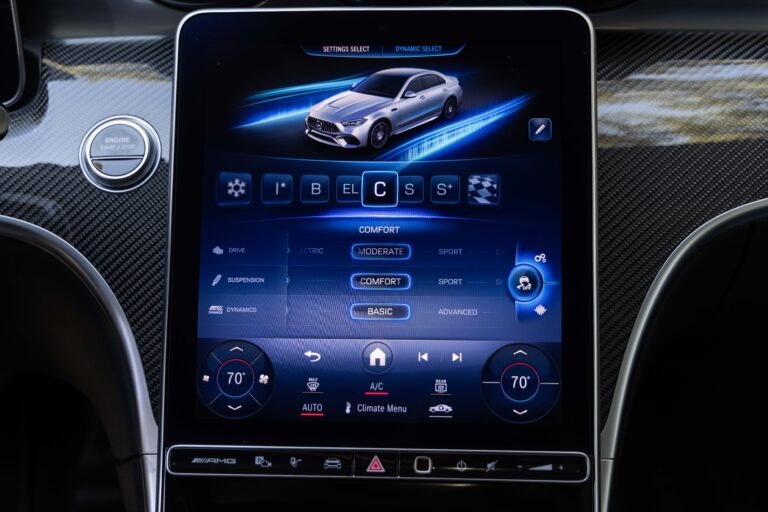
J.D. Power’s 2025 U.S. Tech Experience Index Study and related reports reveal this pattern clearly with recognition technologies like biometric authentication, touchless or hidden controls, and direct driver monitoring posting the highest problem rates. Infotainment complexity remains a top issue as features as simple as air vent controls migrate to touchscreens making simple tasks frustrating. In early 2026, with new car prices still averaging nearly $50,000, every extra dollar spent on underused features is a recipe for regret.
You may also enjoy this: New AI Voice Assistants Actually Listen to Tired Parents
Why does this matter right now?
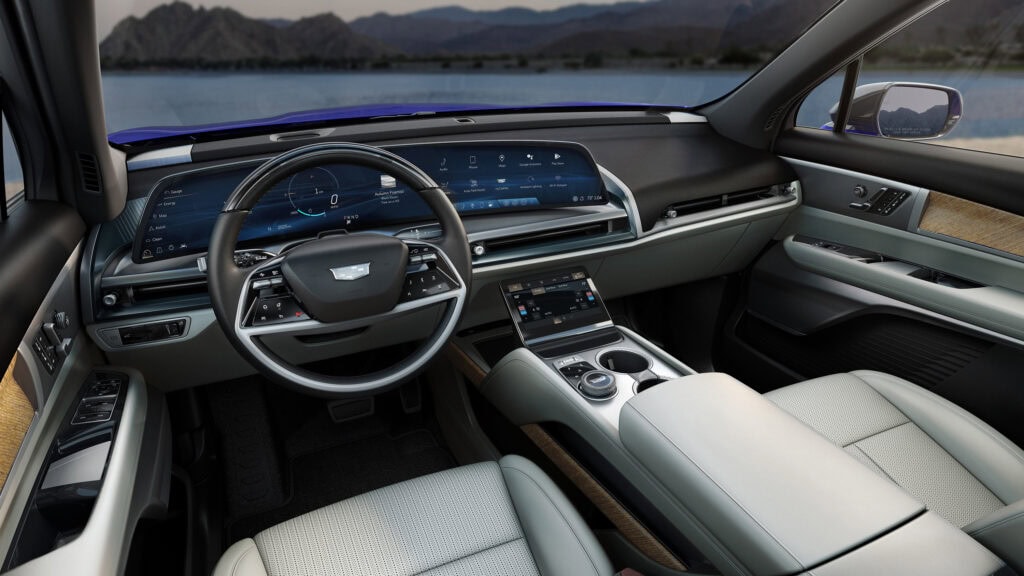
The math is brutal. Average transaction prices have barely budged since mid-2025, hovering in the $48,000 to $52,000 range even as inventory stabilizes. Recent data shows the average topped $50,000 in December, marking a record high. Add in potential tariff ripple effects and the fact that federal EV incentives evaporated at the end of last year and suddenly the perfect trim that looked reasonable on paper is out of reach.
J.D. Power’s 2025 Tech Experience Index shows owners are no longer griping about broken door handles. They’re complaining about features they paid extra for that ended up being frustrating. Gesture controls that misread a hand wave as a volume command, fingerprint readers that refuse to unlock when your fingers are cold, car wash modes that require a tutorial to activate, each one chips away at satisfaction. For families in snowy regions, the last thing you want is a tailgate that won’t open because the sensor is crusted with road salt. Yet buyers keep checking those boxes because the configurator makes them feel essential.
Meanwhile, hybrids like the Toyota Grand Highlander or Hyundai Tucson Plug-In are proving that good seats, good visibility, and good fuel economy matter more than massaging seats and cooled cupholders. Some things, like smart climate controls that automatically adjust heating, ventilation, and air conditioning, are getting better and are something that consumers do use, so it’s a matter of not getting lured in by things that sound good but prove impractical over time.
You may also enjoy this: King of the Carpool Lane: Why the Honda Pilot Just Works

How does it compare to rivals or alternatives?
Mainstream brands like Toyota, Honda, Subaru and Hyundai consistently score higher in J.D. Power’s satisfaction metrics because they prioritize intuitive physical controls over everything on a screen designs. Take the 2026 Subaru Forester. Its base trim includes a simple power liftgate with a button you can actually press with a gloved hand and knobs for select controls so you don’t have to swipe at a touchscreen while you drive.
Compare that to other vehicles where the liftgate sensor fails if you’re wearing boots with reflective strips or the climate controls are in a menu your passengers will never be able to find. Premium brands pushing heavy touchscreen integration or gesture inputs see more complaints about distraction and complexity. Smart technologies like automatic climate control and physical knobs and buttons reduce cognitive workload. They make life easier rather than trying to solve problems that owners didn’t know needed solving.
You may also enjoy this: That New Car Is $6,400 More Expensive. Here’s Why.
Who is this for and who should skip it?
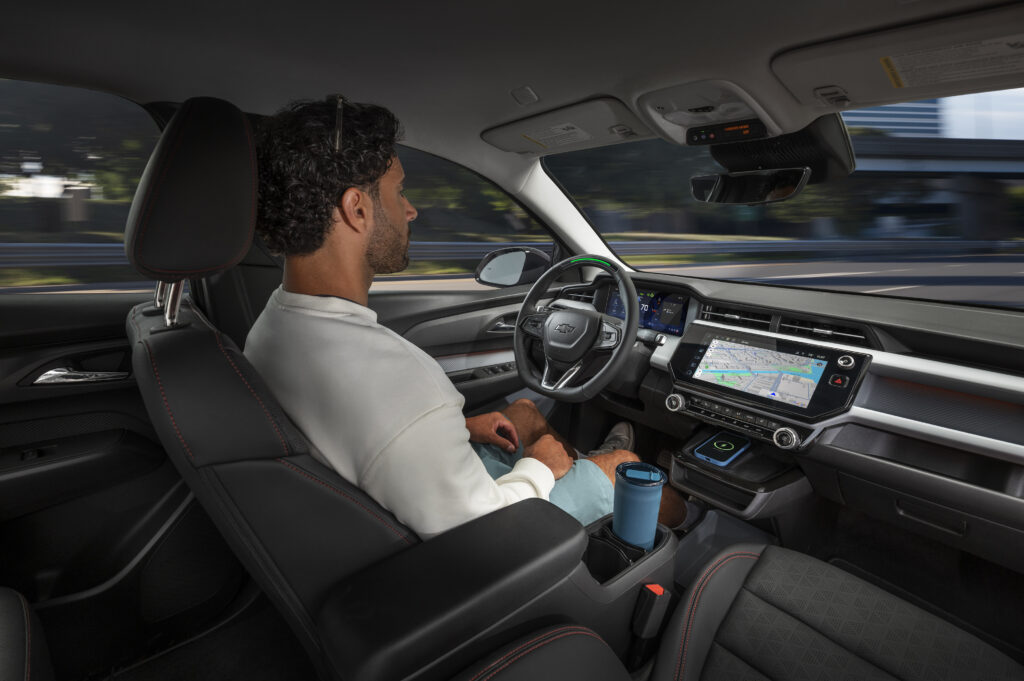
This mindset is tailor made for the busy parent who already juggles car seats, hockey bags and a golden retriever shedding everywhere. If your mornings involve scraping ice off windows while the dog circles impatiently you don’t need a massage function. A feature you do need is heated seats that actually warm up, a cargo area with a low load floor, and a liftgate that opens reliably. Skip things like gesture controls, biometric start, or in-cabin scent diffusers and go for physical buttons instead of touchscreen everything. This is also for the skeptic who reads reviews, crunches numbers and knows that $1,200 for enhanced luxury seating isn’t worth the price.
On the flip side, if you’re a tech enthusiast who wants the latest and greatest and doesn’t mind a bit of a learning curve, maybe the novelty sticks longer for you. You will feel in the know and maybe even impress your friend but make sure your budget can handle the added cost. Even then, J.D. Power data suggests most owners abandon the extras within weeks. If you already dread software updates or get annoyed when your smart home devices act up don’t compound the problem with a car that requires a tutorial for basic functions. For detailed owner satisfaction benchmarks check the full 2025 J.D. Power Tech Experience Index.
You may also enjoy this: Cadillac Vistiq: The Electric Three-Row That Actually Works

What is the long term significance?
Over five years the difference between a thoughtfully trimmed vehicle and an over-optioned one isn’t just about the upfront cost. It’s about the hassle and the long-term value. Cars with fewer problematic tech features hold value better and generate fewer service visits. A hybrid SUV with standard adaptive cruise, reliable heated seats and a physical volume knob will feel fresh longer than one whose gesture controls start lagging and automakers are already noticing.
Toyota’s recent redesigns emphasize physical buttons for climate and audio while Genesis is adding back haptic dials after touchscreen backlash. For buyers, the takeaway is simple. Configure your car with features you will actually use not those that just sound good on paper. Invest in features that endure, strong crash test ratings, efficient powertrains, easy clean upholstery, and cargo space.
In a market where average prices continue to be high, focusing on features that enhance the everyday positions owners for better long-term experiences. The smart move remains building around what improves life on Tuesday morning not what dazzles during a test drive on Saturday. For broader context on vehicle technology trends see the EPA’s Green Vehicle Guide and IIHS vehicle safety ratings.
You may also enjoy this: Robotaxis in 2026: Are We Ready for Driverless Cities?