Cadillac Barcelona F1 Shakedown Livery Explained

Cadillac Formula 1 testing livery debuts for Barcelona shakedown, blending Detroit design heritage with purposeful camouflage ahead of the Feb. 8 reveal.
Cadillac’s special-edition testing livery is designed to be seen, remembered, and slightly mistrusted, because in Formula 1, “showing” often means “hiding.”
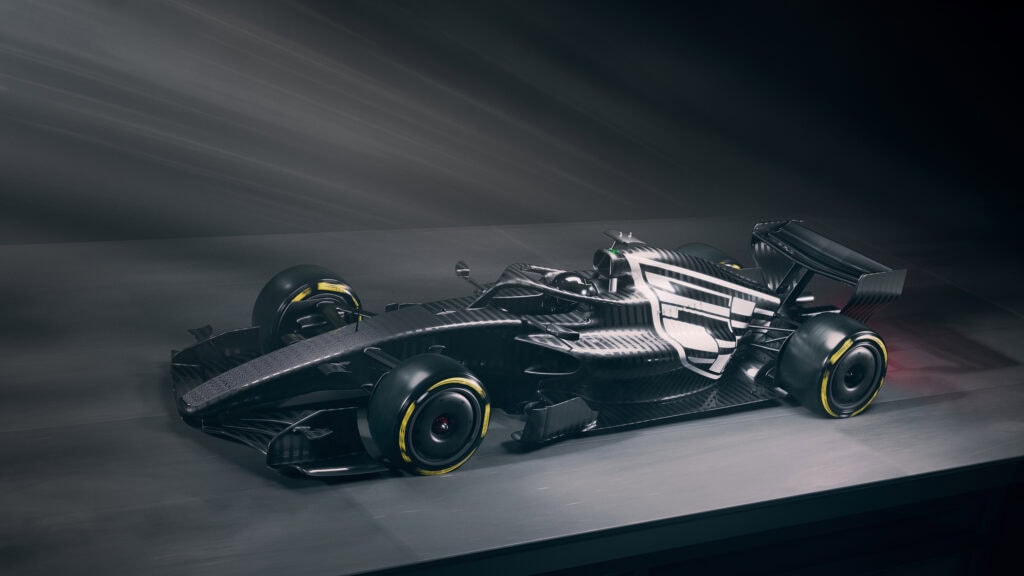
There are few things more Formula 1 than unveiling something you want everyone to look at, while quietly ensuring they can’t learn anything useful from it. That, in a nutshell, is what a testing livery is for. And Cadillac, preparing for its debut as the Cadillac Formula 1 Team, has just offered the world a carefully controlled glimpse: a special-edition livery built for the Barcelona shakedown window (January 26–30), ahead of the official race-livery reveal on February 8.
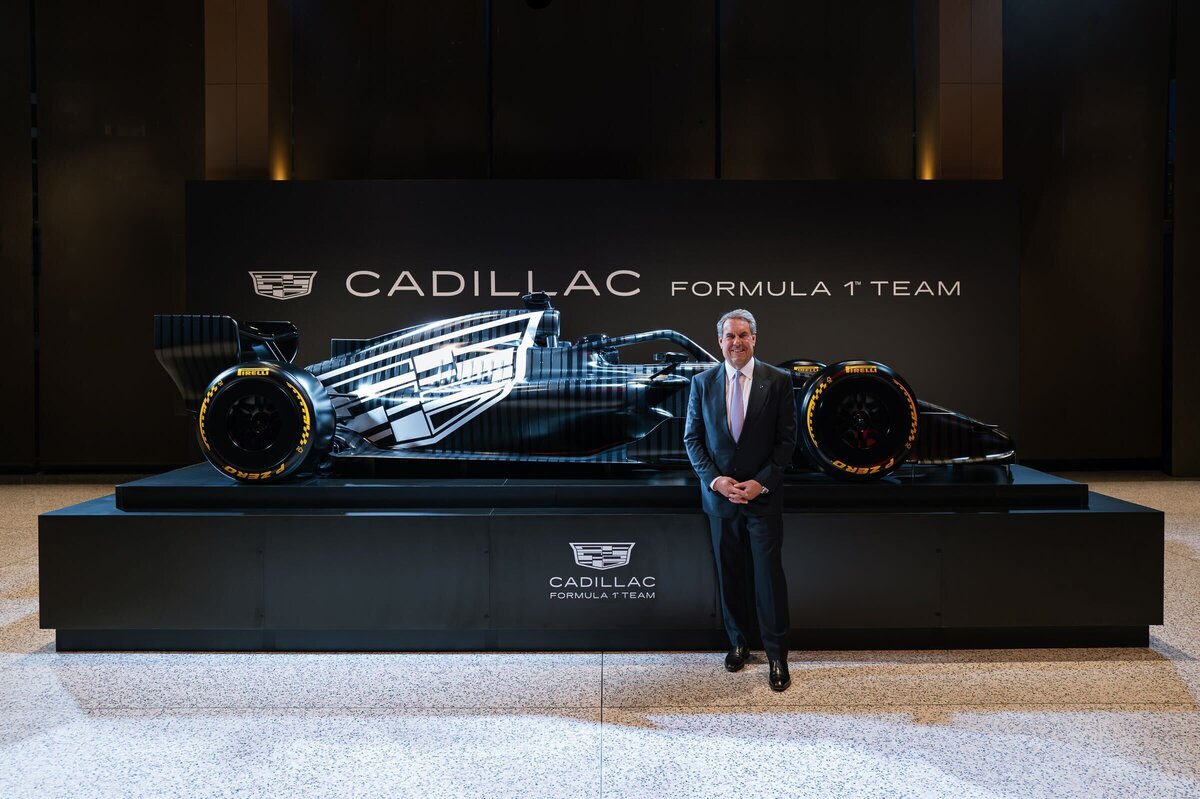
General Motors President Mark Reuss revealed the testing look at GM’s new global headquarters in Detroit, the Hudson’s Detroit building. It’s a milestone that sits in a very modern sweet spot: a brand moment that’s also an engineering habit. In F1, you don’t dress a car unless it serves a purpose, and the purpose here is two-fold—establish identity while reducing the amount of free technical information available to rivals who treat your side-profile photos like a doctoral thesis.
The Detroit staging also matters because fans can actually see the car. Cadillac says the replica wearing the Barcelona shakedown livery will be displayed at the Detroit Auto Show through January 25, which lines up with the show’s published run and schedule information. If you’re the sort who likes certainty (and if you follow motorsport, you probably pretend you don’t), the Detroit Auto Show’s official dates and hours are listed on its own site: Detroit Auto Show show floor dates & hours.
Now, before anyone gets too emotionally attached: this is not the final race livery. The race look arrives February 8. And the debut on the F1 calendar is the Australian Grand Prix weekend (March 6–8). That date isn’t just a diary entry; it’s the moment the project stops being “nearly ready” and becomes “measurably real.” For the official season framing, the F1 calendar is the cleanest reference: Formula 1 2026 race calendar.
You may also enjoy this: Rolls-Royce Bespoke boom: $380M Goodwood expansion
Why does this matter right now?
Because Cadillac’s entry into Formula 1 has moved from “announcement” to “countdown,” and this is the first public, visual proof that the brand is thinking like an F1 team, careful, deliberate, and just a touch paranoid. That paranoia is healthy. In a sport where everyone is trying to find your weak spot, you don’t volunteer clean sightlines of your aerodynamic surfaces unless you enjoy being copied.
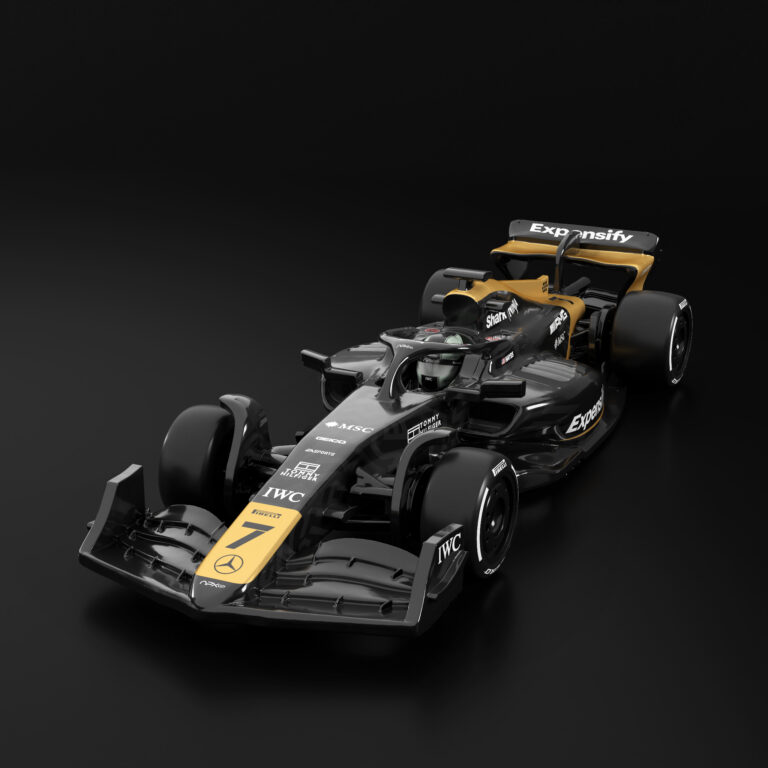
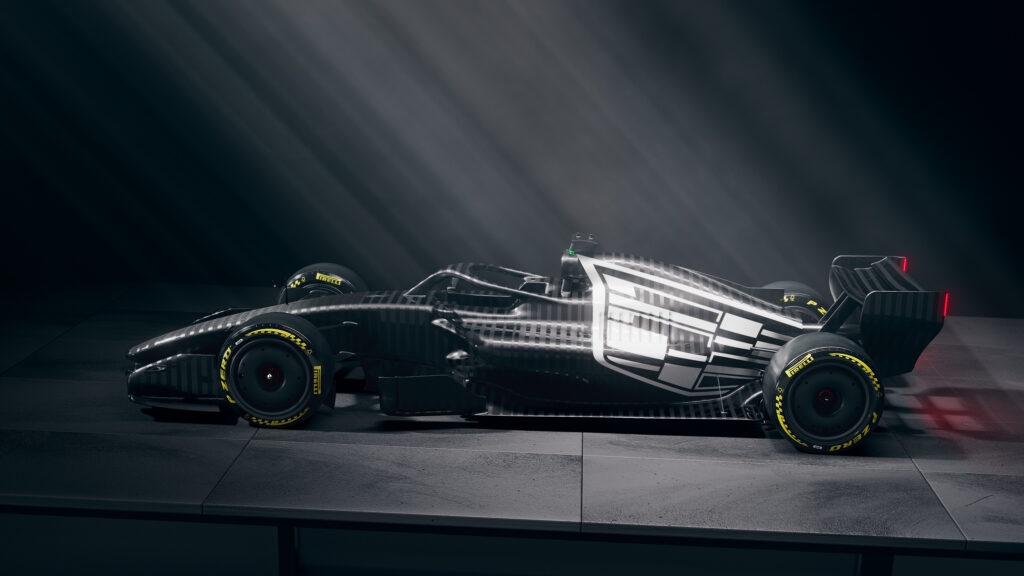
Testing liveries exist for exactly this reason. In the same way automakers camouflage prototypes with swirly wraps to break up body lines, F1 testing schemes can be used to mask the shape of the car and make it harder to read details in photos. Cadillac’s description of the Barcelona shakedown livery leans into that tradition: a bold-but-disciplined monochrome concept that still expresses the brand’s identity while helping keep design secrets under wraps.
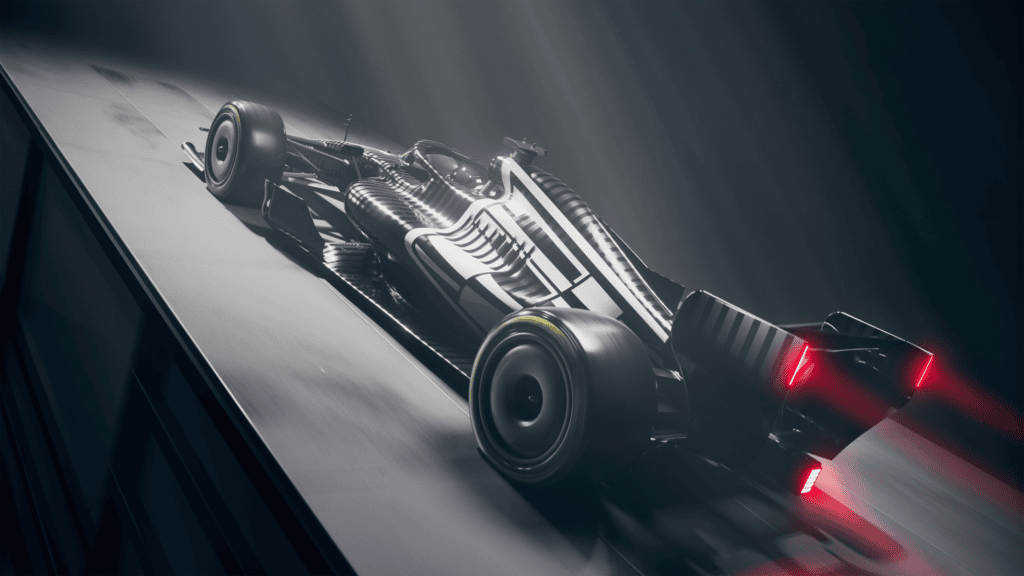
The design language is very Cadillac: a modern interpretation of the crest and shield acting as the visual anchor, with the crest draped over the rear to disguise surfaces and still make the point, unmistakably, that Cadillac has arrived. There’s also a vertically presented geometric pattern running in gloss and matte sequences, an “artful disguise” meant to interrupt the bodywork’s readability. In plain English: it’s premium camouflage. It’s the equivalent of turning up to a party in a perfectly tailored outfit while also wearing sunglasses indoors. Confusing, but effective.
This matters beyond paint because it signals how Cadillac wants to position itself in F1: design-led, globally minded, and not afraid to use the platform as a storytelling amplifier. Cadillac’s own public framing of the program is laid out on its official page: Cadillac Formula 1 program. That’s useful context because the livery isn’t just decoration; it’s one of the first brand assets that has to work in a global broadcast environment, under relentless scrutiny, while the team builds credibility at speed.
You may also enjoy this: The Winners and Losers of 2025: What Americans Really Bought
How does it compare to rivals or alternatives?
Cadillac’s approach fits neatly into one of the more elegant F1 traditions: “Here’s our identity, and here’s our refusal to give you a clean side profile.” Some teams use a testing livery as a simple placeholder, minimal fuss, minimal message. Others treat it as a mini-launch: a controlled reveal that builds familiarity before the “proper” look lands. Cadillac is clearly in the second camp, but with a very GM design studio sensibility—clean line work, restrained blocks of color, and a technical, future-forward feel.
The most interesting choice is how the crest is being used as both brand statement and concealment device. In F1, the rear of the car is aero-sensitive and visually revealing. Draping a large graphic over that area isn’t just artistic; it’s tactical. It makes the eye see “Cadillac” before it sees surfaces. That’s smart, and it’s also quite honest: the livery is telling you, politely, that you’re not getting a free engineering lesson today.
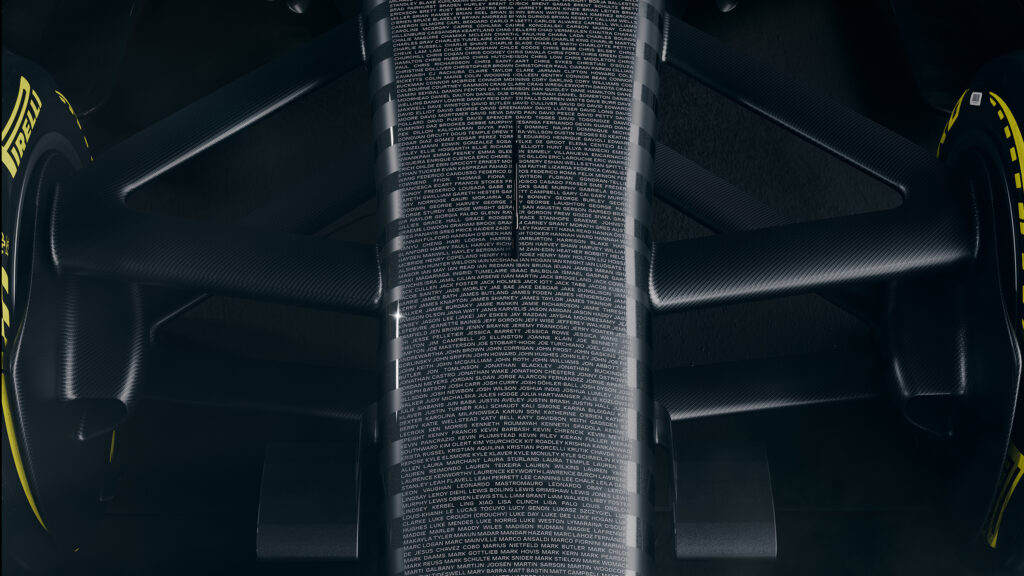
Where established teams still have an advantage is immediate recognition. Some liveries are identifiable from the edge of your peripheral vision. Cadillac is new, so it’s building that recognition from scratch. That makes early visual signals unusually important—especially when the program itself is a cross-continental effort between U.S. and U.K. operations. The livery includes a nod to that structure by incorporating the names of founding team members from both the United States and the UK into the design. It’s a human touch that also quietly says: this isn’t a sticker project. It’s an organization being assembled at full intensity.
There’s also a bigger motorsport context worth noting: 2026 is a major rules era, with the FIA positioning it as a meaningful step change for the sport. That matters because new teams and new programs are often shaped by regulation cycles. For the regulator’s overview of what 2026 represents, this is a solid reference: FIA: F1’s New Era (2026 overview).
You may also enjoy this: From Formula One to Family Driveways: Why GM’s Global Racing Bet Matters
Who is this for and who should skip it?
This is for anyone who likes the intersection of racing, design, and brand strategy—and for anyone who enjoys watching big companies learn to move quickly in a sport that doesn’t forgive hesitation. If you’re an F1 fan, it’s a tangible milestone. If you’re a design person, it’s the first translation of Cadillac’s brand DNA into the most extreme vehicle format in the world. If you’re an American motorsport enthusiast, it’s another marker that the U.S. is no longer a “nice extra” for F1, it’s part of the sport’s current center of gravity.
It’s also for the mildly sceptical reader who has seen plenty of ambitious motorsport announcements come and go. A shakedown livery doesn’t prove competitiveness, but it does show operational momentum: planning, staging, coordination between design and racing operations, and a deliberate public timeline. Cadillac is building anticipation with a sequence: Detroit reveal, Barcelona shakedown, February 8 official livery, March 6–8 season opener, rather than a single splashy moment that disappears.
Who should skip it? If you only care about lap times, downforce plots, and technical directives, this is mostly theatre. Testing liveries are not honest technical documents. They are stylish obfuscation. And if you hear phrases like “heritage meets future” and your soul briefly leaves your body, you may find this whole thing a bit much. Still, even sceptics can appreciate one simple truth: the design is purposeful, and in F1 purpose is rarely accidental.
You may also enjoy this: The Ultimate Car Lover’s Vacation Isn’t Europe Anymore
What is the long-term significance?
The long-term significance isn’t the monochrome pattern itself (though it does look rather sharp). It’s what this moment signals: Cadillac is using Formula 1 as a global identity platform, and it’s doing it with intentional sequencing and symbolism, especially by unveiling the testing livery at GM’s new Detroit headquarters, just miles from Cadillac’s original Detroit home.
Formula 1 has a way of forcing discipline. The sport rewards operational precision, rapid iteration, and technical clarity. Brands enter for prestige, but they stay because the pressure changes how they build organizations. Cadillac’s cross-continental collaboration—GM Global Design working alongside the Cadillac Formula 1 Team, reads like a modern F1 necessity rather than a marketing flourish. This is a global engineering enterprise wearing an American badge, and that combination is exactly what makes it interesting.
The February 8 official livery reveal is also telling. Treating a livery as an event, rather than a footnote, signals that Cadillac isn’t only trying to race; it’s trying to arrive culturally. That’s a different ambition than simply “be on the grid.” It’s about becoming recognizable, building fan attachment early, and making Cadillac feel like it belongs in a sport with decades of entrenched team identities.
And then there’s the most honest bit: the stopwatch is coming. Barcelona is a shakedown, not a verdict. The official race livery is a brand moment, not a performance metric. Melbourne is where the project becomes real in the only way motorsport truly respects, results. Until then, the testing livery’s job is to do exactly what it’s doing: get you talking, keep rivals guessing, and let Cadillac step onto the stage without handing out a blueprint.
So yes, it’s “just paint.” But in Formula 1, paint is never just paint. It’s a signal, a shield, and a handshake all at once, delivered with a straight face and, ideally, a tiny hint of menace. The polite kind, of course.
You may also enjoy this: Ram Race For The Seat: This Truck Brand Is Rewriting NASCAR
External authority references used in-context: Cadillac’s official F1 program page, Formula 1’s official 2026 calendar, the Detroit Auto Show’s official schedule, and the FIA’s 2026-era overview. For Cadillac’s broader GM-backed F1 program background, GM’s newsroom has previously published official program updates, such as: GM Newsroom: Cadillac Formula 1 Team logo announcement.