How Toyota Builds The Perfect Car For Real Life

Toyota’s customer-first engineering and measured approach look increasingly smart in a noisy automotive world. When you spend as much time in this business as I do talking with engineers, designers, and executives, you start to notice a pattern.
Loud pronouncements tend to fade, but consistent performance and genuine listening have a way of sticking with people. That’s never been more apparent than in the way Toyota approaches product development and customer expectations.
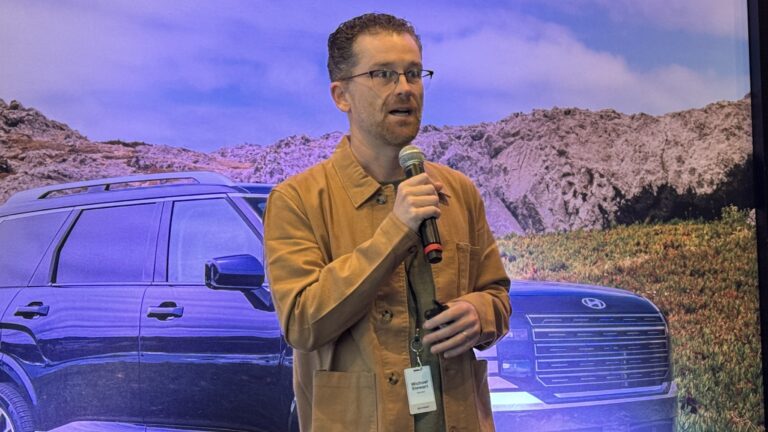
In a conversation with Owen Peacock, Toyota’s General Manager and Head of Marketing for Toyota, one thing came through clearly. Toyota is winning not because it shouts the loudest, but because it actually hears what drivers are saying.
You may also enjoy this: 2026 Toyota Corolla Cross: The Swiss Army Knife SUV
Why does this matter right now?
The automotive industry is in a peculiar phase. Electrification debates, autonomy hype, and software promises that often sound better on paper than they work on the road dominate headlines. Meanwhile, Toyota, a company that has long prioritized real-world usability over splashy announcements, is quietly positioning itself for long-term success.
As Peacock put it in our conversation, “Listen more than you talk. Customers will tell you what they need if you’re willing to hear it, and if you don’t, someone else will.” That sentiment matters because it goes directly against the grain of the noise we hear every day. Rather than betting everything on a single narrative, whether it’s full battery electrification or radical autonomy, Toyota roots its engineering discipline in real use cases, not slogans.
Consider how 2025 unfolded across the U.S. market. Toyota Motor North America reported year-end sales of 2,518,071 vehicles, up 8.0% from 2024, with electrified vehicles (hybrids, plug-ins, and EVs) making up 47% of the mix and growing 17.6%. Toyota division sales hit 2,147,811 units (up 8.1%), marking its fourth-best year ever and strongest since 2017.
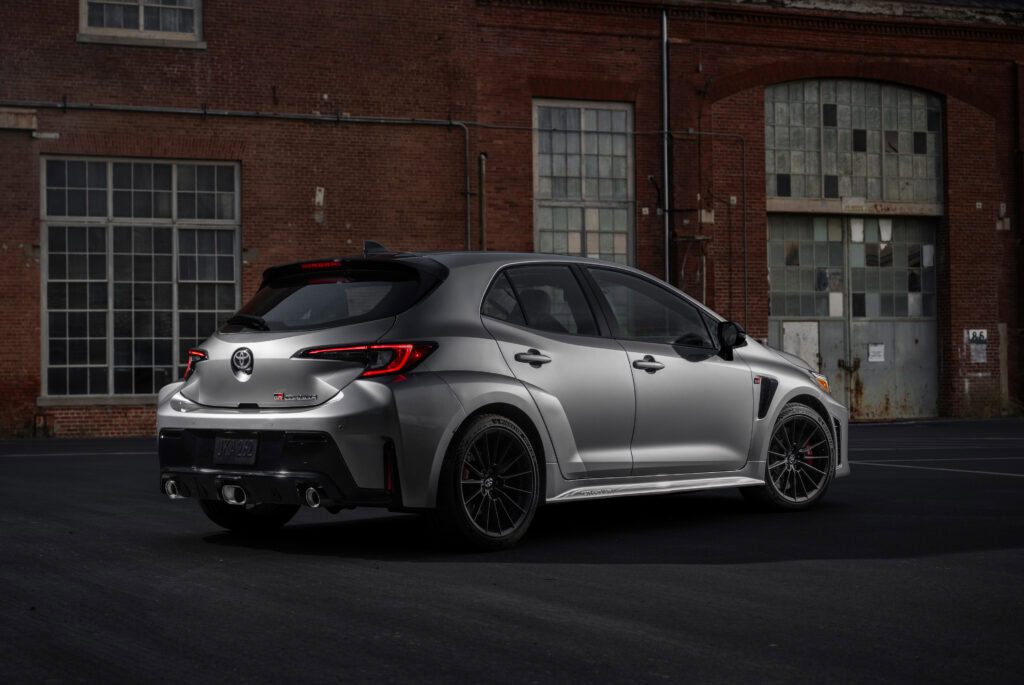
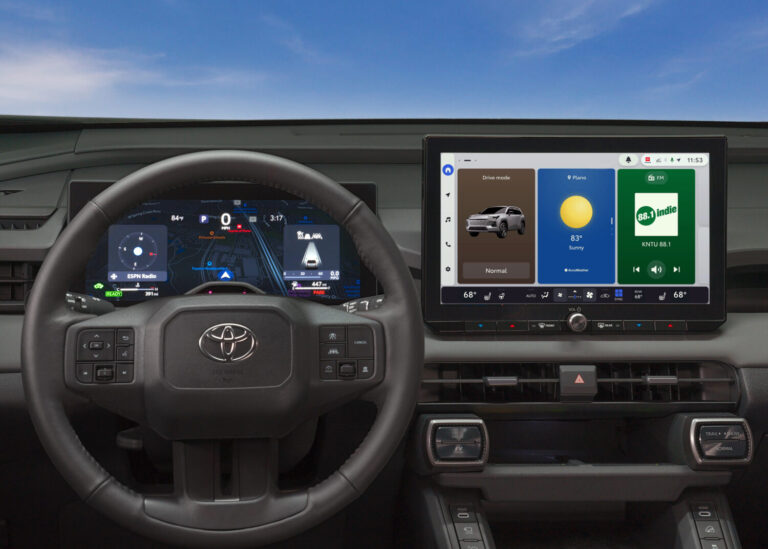
Buyers gravitated toward familiar, reliable vehicles that fit everyday lives, especially hybrids delivering strong fuel economy without range anxiety, rather than concepts that felt futuristic but impractical. In an age where many car companies broadcast bold futures, some better suited to press releases than driveways, Toyota’s measured approach feels grounded. Peacock captured this beautifully in our discussion. “Real progress is quieter. It’s updates that improve reliability, systems that feel intuitive, and technology that fades into the background instead of demanding attention.”
This matters now because customers are more skeptical than they have been in years. They’ve tasted early tech that underperformed or left them confused. They’ve watched promised innovations get delayed. Against that backdrop, a brand that listens and builds what drivers actually need gains credibility. When Toyota talks, people tend to listen, not because of noise, but because of consistency.
You may also enjoy this: 2027 Toyota Highlander goes electric as a three-row EV
How does it compare to rivals or alternatives?
Look at how the industry surrounds itself with spectacle. Big unveilings. Bold commitments to timelines that shift. Buzzwords that sound impressive but sometimes obscure practicality.
Toyota’s approach stands in contrast. It’s rooted in engineering first, not marketing first. As Peacock noted in our conversation, “Cars aren’t phones. They’re safety-critical machines that live in the real world.” That’s a statement that feels obvious when you read it, but it’s astonishing how often it’s lost in the rush to “move fast and break things.”
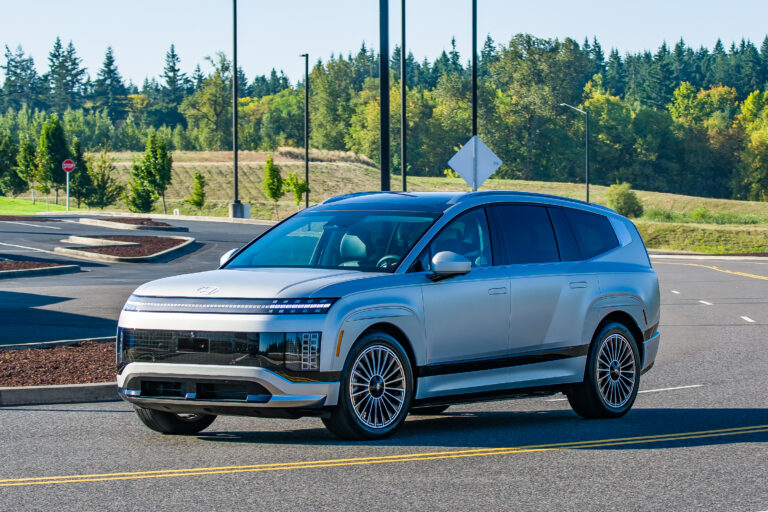
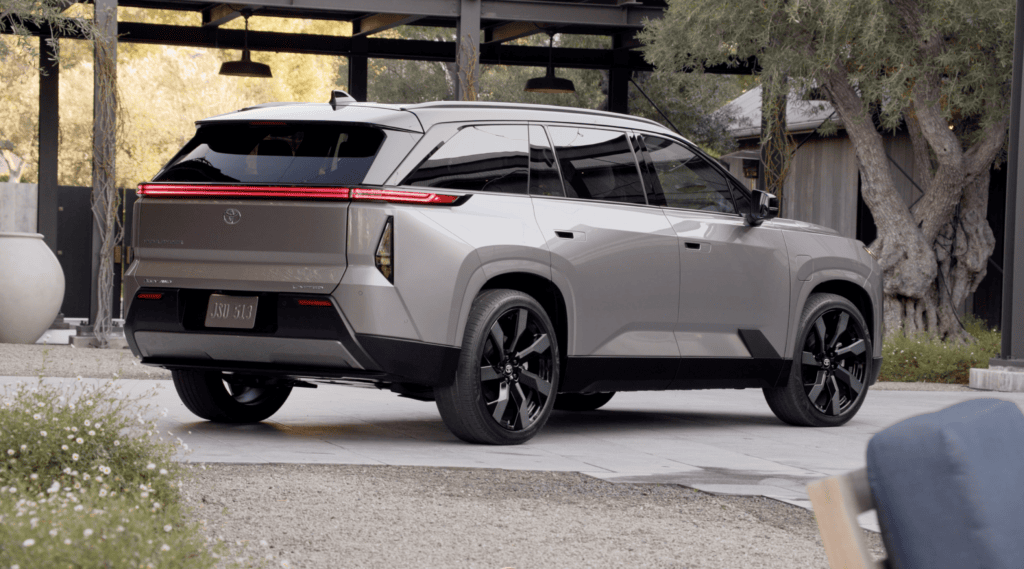
Other brands have piled into autonomous driving and full electrification with gusto. They’re not wrong to innovate, but they haven’t always balanced that with the everyday realities of cost, infrastructure, and customer behavior. Toyota’s multi-path strategy, hybrids, plug-in hybrids, hydrogen, and EVs, isn’t indecision. It’s deliberate pragmatism. It’s strategy is continually evolving with long-time favorites like the Toyota Highlander going full electric for the 2027 model year.
Peacock captured the essence of this in our interview. “Electrification isn’t one-size-fits-all. For some customers, it’s perfect. For others, hybrids or other solutions make more sense right now.” That isn’t hedging. That’s listening. That’s observing what people do in their daily lives, not what they post in comment threads. And let’s be honest. Customers are picking up on it.
When buyers feel heard and understood, they tend to buy vehicles that fit their needs, not ones shaped by buzzwords. Toyota’s sales figures reflect this quiet strategy. Instead of chasing headlines, Toyota delivers vehicles that earn long-term trust. That matters more now than ever.
You may also enjoy this: Toyota’s Super Bowl Spots Remind us to Celebrate the Journey
Who is this for and who should skip it?
Toyota’s approach is for everyday drivers, informed buyers, and anyone who’s spent time with a vehicle that promised a great experience but delivered frustration. It’s for people who feel fatigued by automotive hype and just want something that works reliably, sensibly, and without theatrics.
It’s also for those who believe that listening, really listening, is a rare corporate virtue. As Peacock said in our conversation, “Customers are less forgiving. They expect technology to work the way their phone works.” The reality is that drivers care more about trust and usability than performance specs they’ll never experience in traffic.
If you’re someone chasing the flashiest press reveal or the most dramatic future promise, this may not be for you. This is for the person who wants their vehicle to be a tool in life, not a billboard for technology.
You may also enjoy this: Toyota C-HR 2026 EV: 287 Miles, 338 HP, Real Cargo
What is the long-term significance?
Long run success rarely belongs to the loudest voice. It belongs to the voices that endure, not through hype, but through consistency. Toyota’s quiet listening strategy isn’t a temporary tactic. It’s a potential blueprint for how mass-market car companies can stay relevant while truly serving drivers.
“Expectations have changed dramatically. Products are on the road, customers are using them, and expectations have changed,” said Peacock. That shift matters because it flips the focus from future ideals to present realities. When drivers expect technology to work without friction, the brands that deliver that repeatedly are rewarded.
As electrification, autonomy, and connectivity continue to evolve, the companies that listen are better positioned to build vehicles that fit real lives, not vision boards. In an industry filled with noise, that intentionality might just be its most formidable advantage. In the end, a company that listens to what drivers need may be one of the most meaningful innovations of our time. Quiet progress is louder than any headline.
You may also enjoy this: Toyota’s Secret Weapon: That Could Outclass Rolls-Royce