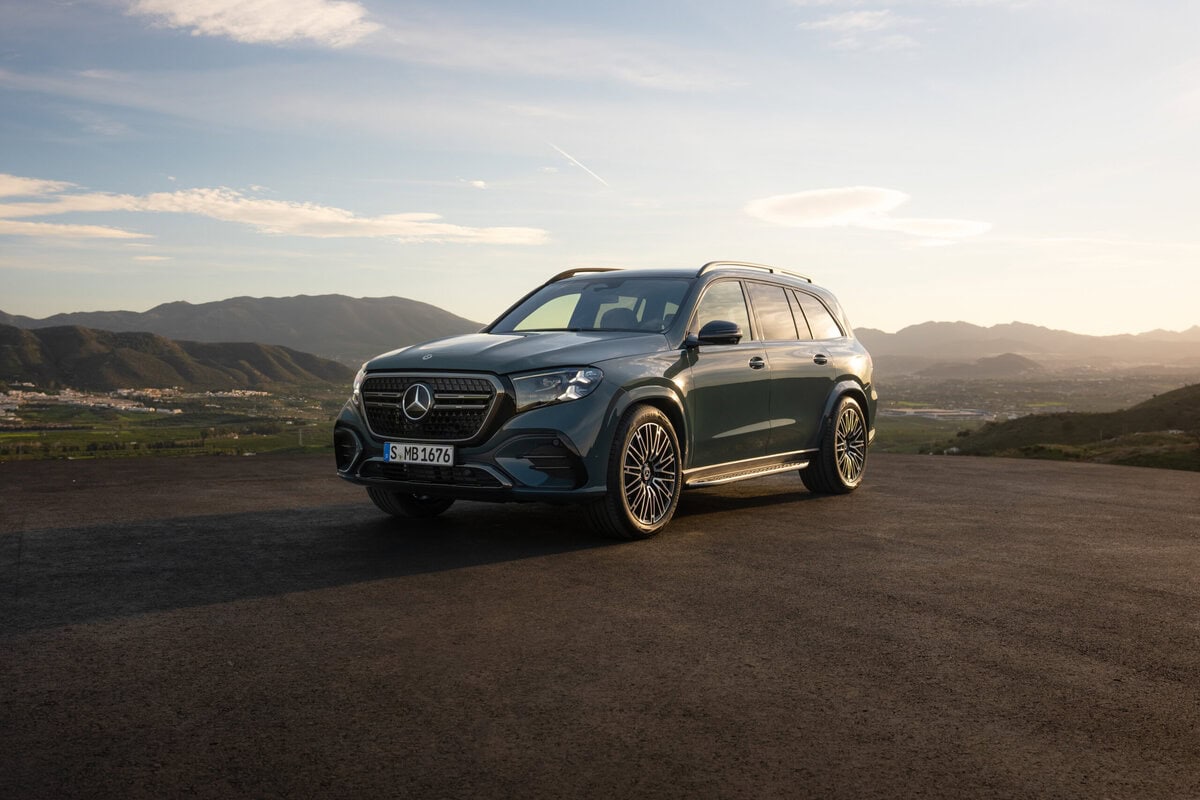
New Mercedes-Benz GLS Review: S-Class Luxury SUV Refined

The New Mercedes-Benz GLS doesn’t just promise a luxury experience. It builds its identity around it. There is a certain confidence required to build a three-row SUV that stretches beyond 200 inches long and still promises to glide over the road like a luxury sedan.
After years covering this industry and watching SUVs evolve from rugged utility into rolling luxury suites, the GLS stands apart for a quieter reason. It feels resolved. It feels composed. And more importantly, it feels like Mercedes-Benz still understands what modern luxury should deliver.
The new Mercedes-Benz GLS introduces a more advanced MB.OS architecture, refined ride comfort, expanded driver assistance systems, and a more cohesive digital experience. That shift matters, because vehicles like the GLS are no longer defined solely by materials or horsepower. They are defined by how well everything works together.
Interior Comfort: A True Three-Row Experience
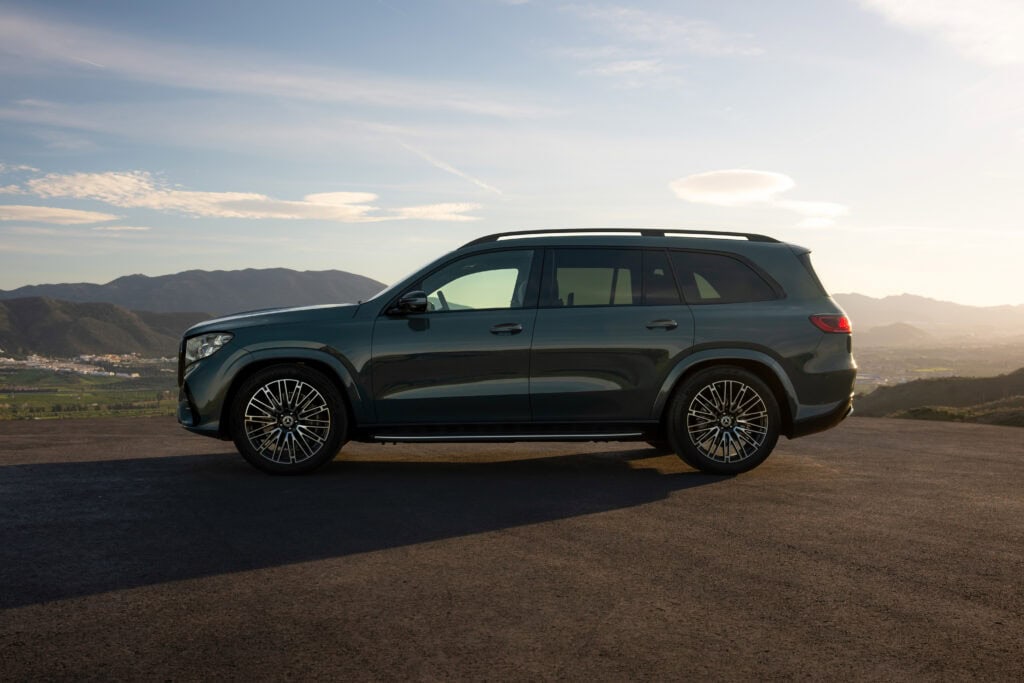
The GLS rides on a 123.4-inch wheelbase, and that translates directly into usable space. Mercedes claims the third row accommodates passengers up to 6 feet 4 inches tall. That’s not typical in this segment, where rear seats are often more theoretical than practical.
All three rows are electrically adjustable, and access to the third row is simplified with Easy Entry functionality. Once back there, passengers are treated like participants rather than an afterthought, with available heated seats and charging ports. Fold everything flat, and the GLS offers up to 84.8 cubic feet of cargo space. It’s a reminder that even at this level of luxury, practicality still matters.
This evolution mirrors broader industry shifts. It’s something clearly visible when looking at how vehicles have changed across major events like the New York Auto Show, where luxury SUVs are now positioned as the centerpiece rather than a supporting act. Thee modern SUV segment has transitioned from utility-first design into lifestyle-focused mobility platforms.
You may also like this: New York Auto Show at A Crossroads, The Best Cars Ever Meet an Industry in Flux
Technology That Feels Cohesive
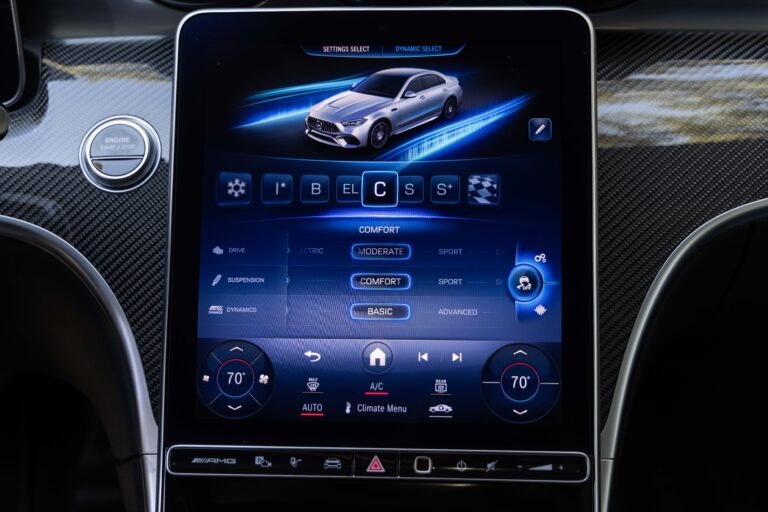
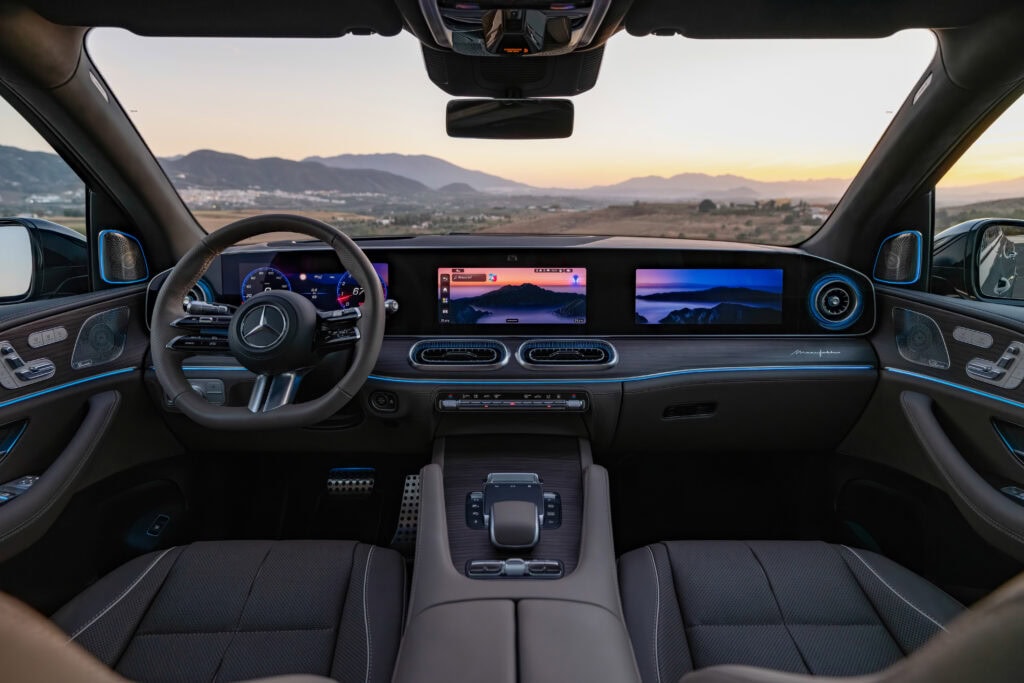
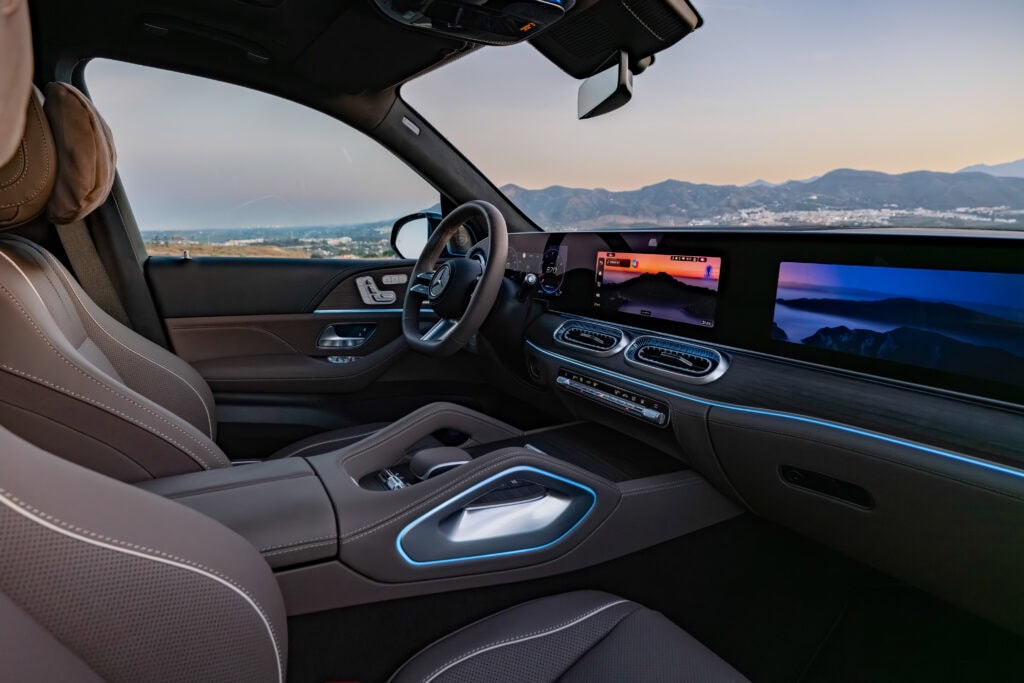
The standard MBUX Superscreen combines three 12.3-inch displays beneath a single glass surface. It’s visually striking, but more importantly, it feels unified rather than fragmented. That’s largely due to MB.OS, Mercedes-Benz’s in-house operating system that integrates infotainment, driving systems, and comfort features into a single architecture.
This is part of a larger strategy we’ve seen across the brand, where software plays a central role in shaping the experience. It’s a direction that echoes what Mercedes has already begun exploring in vehicles like the next-generation flagship sedans, like the S-Class.
The MBUX Virtual Assistant now introduces conversational AI, capable of handling more natural dialogue. Mercedes outlined this during its CES 2024 presentation, emphasizing reduced driver workload and more intuitive interaction. The goal is simple. Technology should feel helpful, not demanding. In the GLS, it largely does.
You may also like this: The New S-Class Is Mercedes’ Answer to Tesla’s Hype
Performance: Strong, Smooth, and Effortless
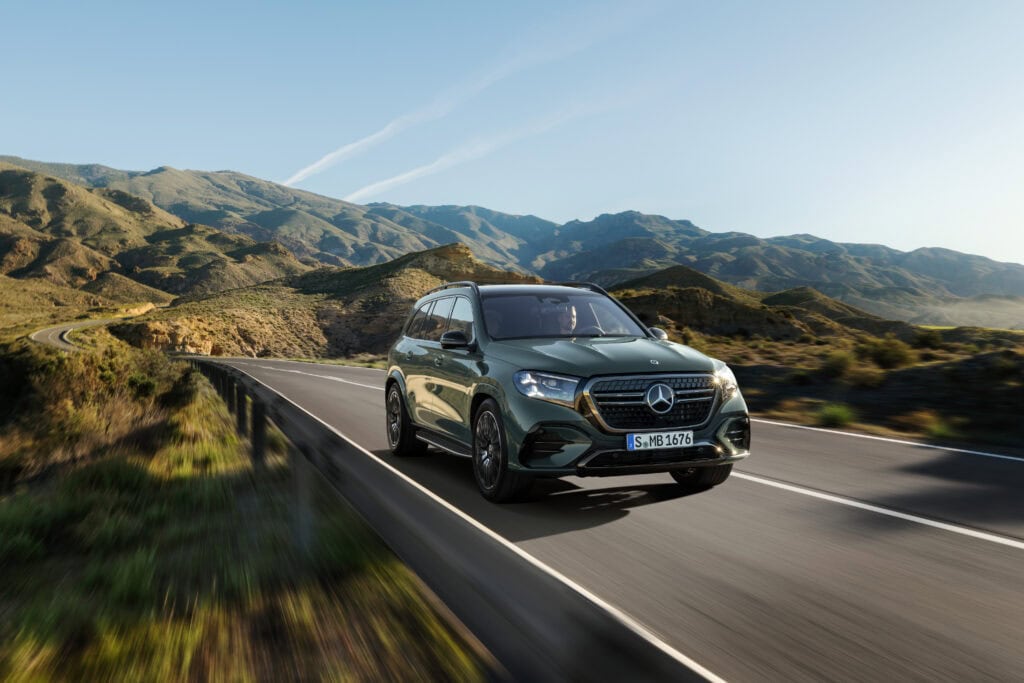
The GLS 450 4MATIC produces 375 horsepower and reaches 60 mph in approximately 5.4 seconds. The GLS 580 4MATIC increases output to 530 horsepower, dropping that time to around 4.6 seconds. Both engines incorporate a 48-volt mild-hybrid system, improving efficiency and smoothing power delivery.
What stands out isn’t just the speed. It’s the composure. Mercedes has invested heavily in reducing cabin noise and vibration, ensuring that performance never disrupts the overall experience.
This balance between refinement and capability reflects a broader trend across luxury brands. It’s similar to what we’ve seen in performance-focused yet comfort-conscious vehicles like the Genesis Magma lineup, where power is only part of the story.
You may also like this: Genesis Just Got Sexy – Magma Performance Is Here
Ride Quality: Predictive Comfort Changes Everything
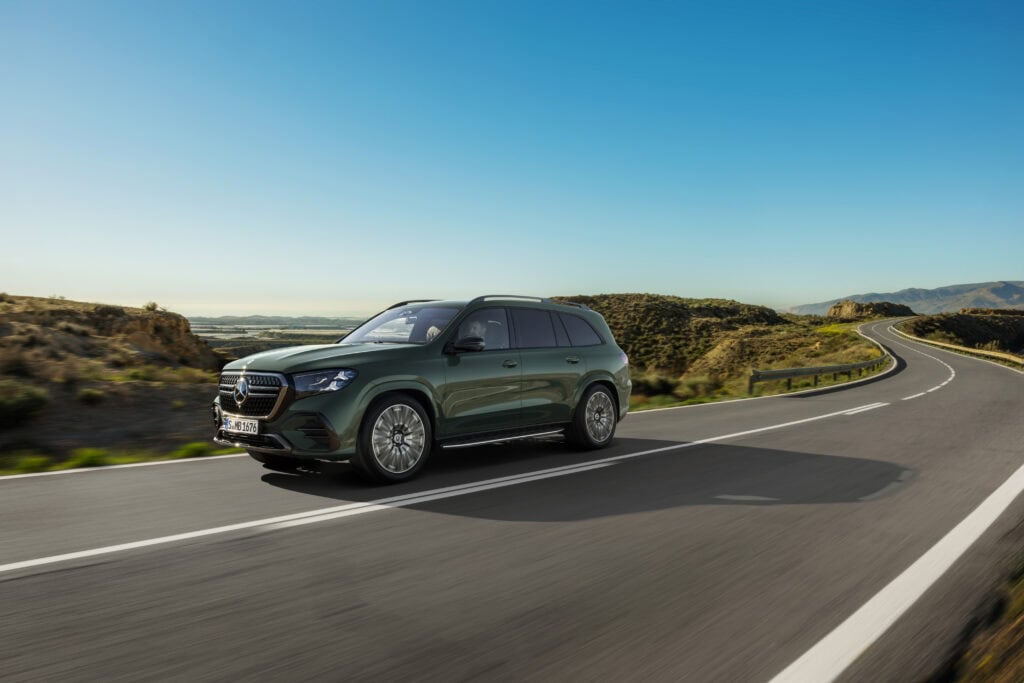
Standard Airmatic air suspension already delivers a smooth ride, but the GLS pushes further with predictive technology. The connected driving ecosystem lets vehicles share data about road conditions. The connected driving framework highlights how shared information can improve comfort and safety.
Optional E-active body control reads the road continuously and adjusts each wheel independently. The active suspension systems represents one of the most significant advancements in ride quality. In practice, this means the GLS feels less reactive and more composed, even on imperfect roads.
You may also like this: Mercedes VLE Makes the Van a Flagship
Driver Assistance and Digital Intelligence
The GLS is equipped with a comprehensive sensor suite that supports MB.Drive Assist and future software updates via over-the-air capability. This reflects a broader shift toward software-defined vehicles, where capability improves over time. The concept is central to modern safety systems, often grouped under ADAS (Advanced Driver-Assistance Systems).
In the GLS, these systems feel integrated rather than intrusive. This is exactly how they should function in a luxury environment.
You may also like this: 2025 Car Buyers Want Autonomy and Safety Tech
Digital Light and Exterior Identity
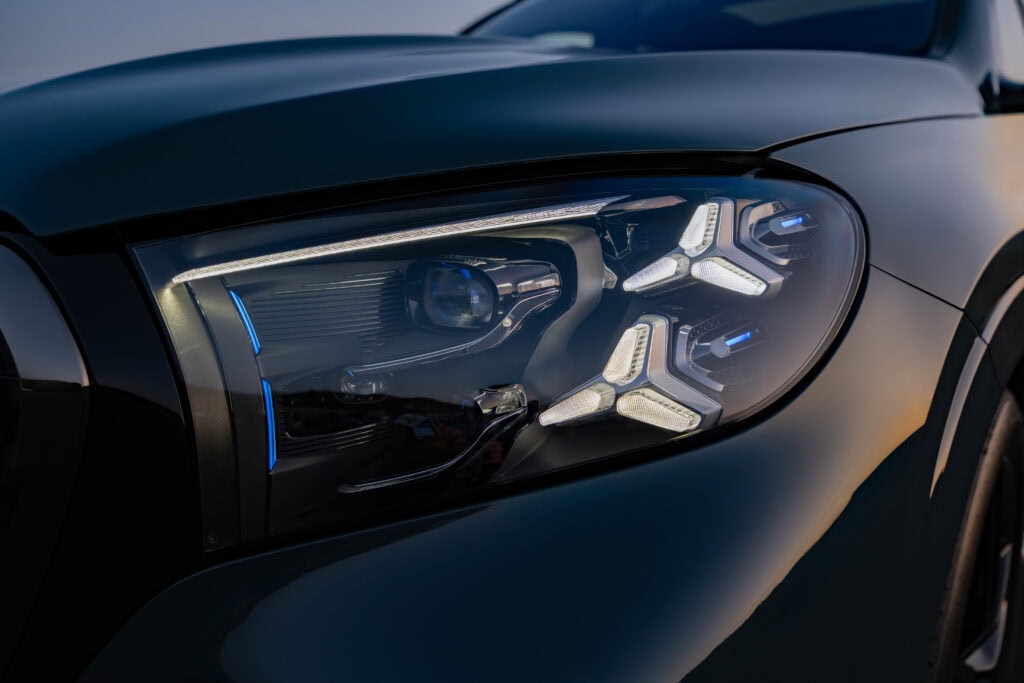
Mercedes enhances the GLS with updated digital light technology, including partial high-beam functionality for U.S. markets. This improves visibility while maintaining efficiency.
The exterior design reinforces its flagship status, with a larger grille, signature lighting, and optional illuminated hood ornament. Lighting technology continues to evolve rapidly, and modern automotive lighting systems now play a critical role in both safety and design.
The GLS doesn’t try to be understated. It tries to be unmistakable.
You may also like this: Why the Mercedes-Benz S-Class Still Matters
Where the GLS Fits Today
The 2027 Mercedes-Benz GLS arrives at a time when the industry is balancing traditional luxury with rapid technological change. That tension shows up across the market, from design-driven reinventions like the Jaguar Type 00 concept to capability-focused vehicles such as the Hyundai Boulder concept.
What the GLS does differently is avoid overreaction. It doesn’t chase trends. It refines its strengths. The new Mercedes-Benz GLS delivers a luxury SUV experience built on balance. It offers space without compromise, performance without aggression, and technology without unnecessary complexity.
It feels calm, capable, and confident. In a segment where many vehicles try too hard, that restraint is what makes the GLS stand out.