Tesla Ditches Model S and X for Robots: Are Car Companies Becoming Robot Giants?

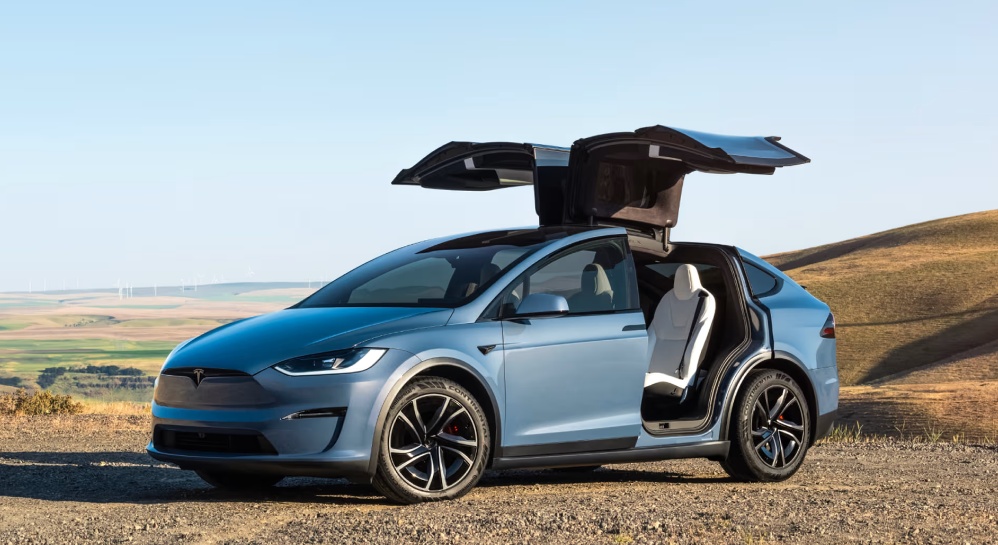
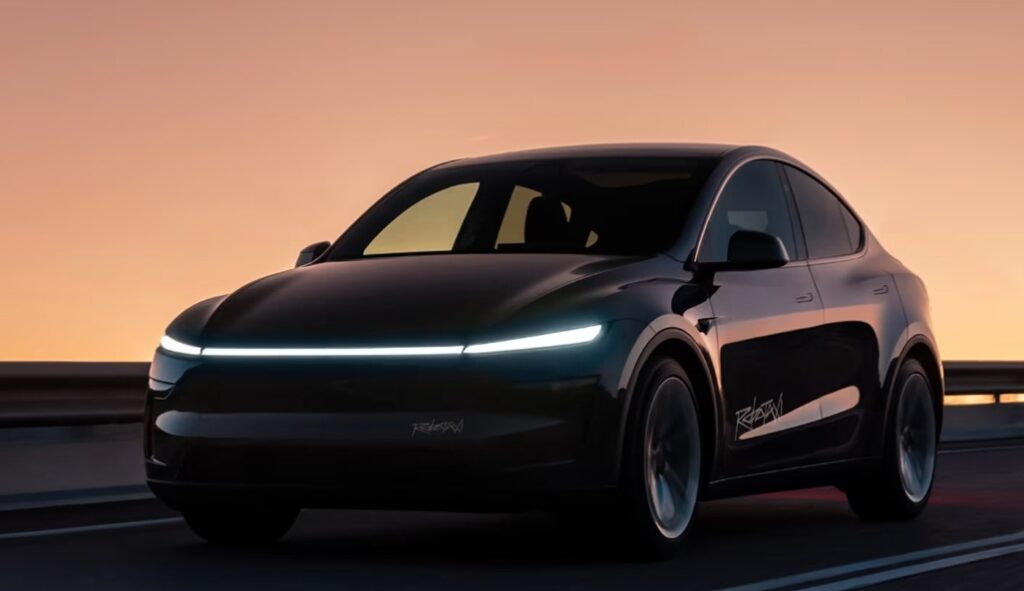
Imagine you are finally ready to buy that Tesla Model S or X you’ve been eyeing for years. They still feel like the sweet spot for luxury electric driving with quiet cabins, quick acceleration, and those falcon doors on the X that are perfect for the kids or the dog. Then you hear the news. Tesla is winding down those models, and it’s not because they’re broken or outdated.
Instead, the factory space is needed for something else entirely, humanoid robots. That’s the reality hitting right now after Elon Musk laid it all out on the January 28th earnings call. Tesla plans to end Model S and X production by the end of the second quarter this year and is shifting its Fremont line to crank out Optimus robots in their place.
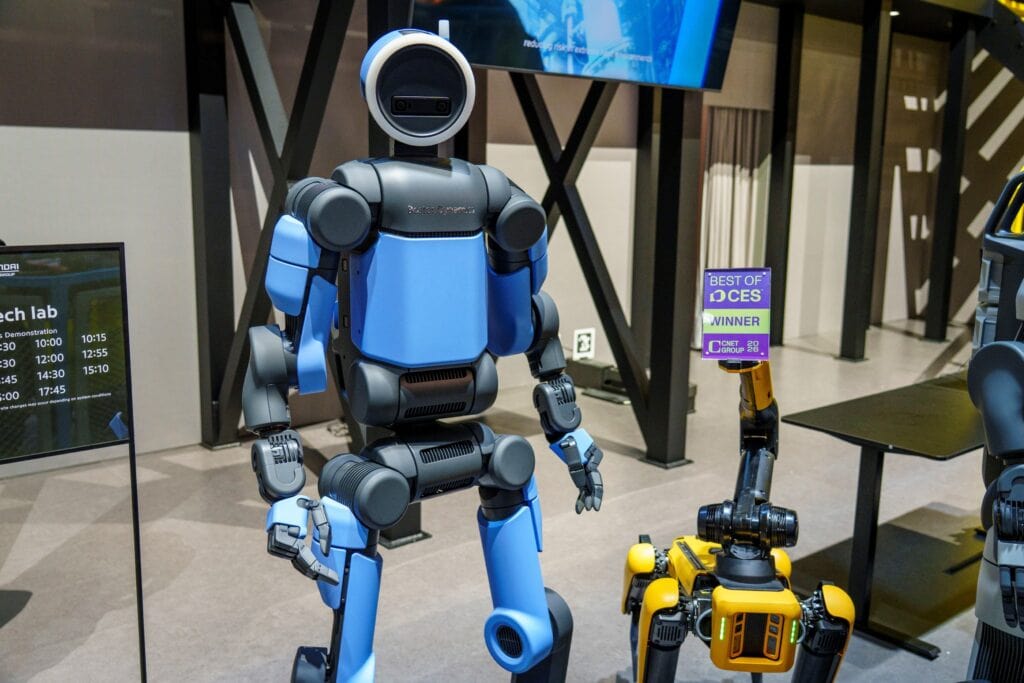
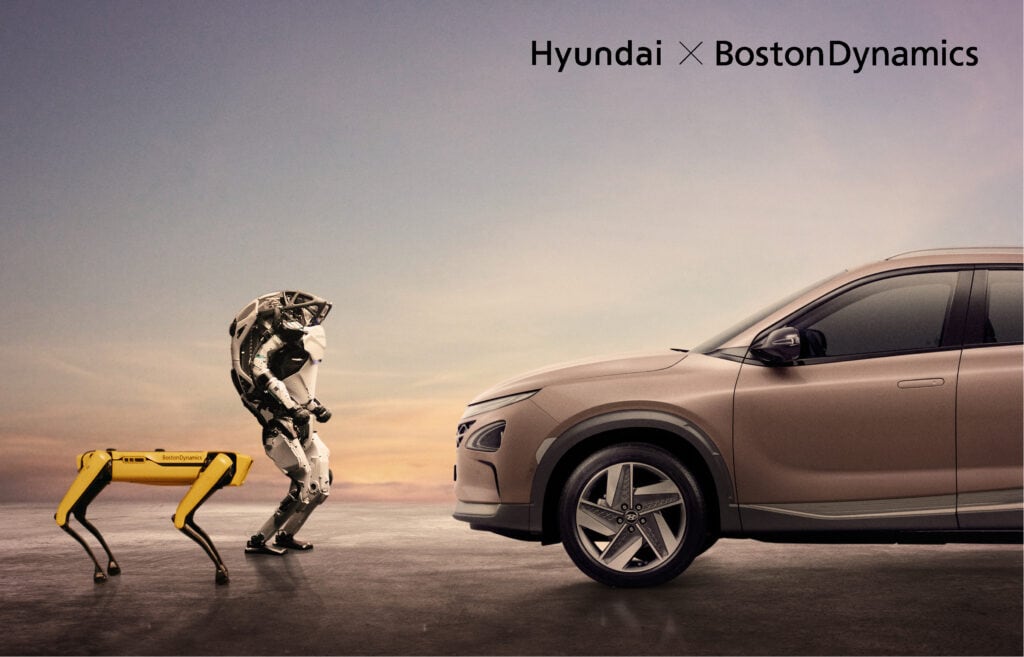
They’re not the only car company looking seriously at robots. Over at Hyundai, fresh from CES 2026, they’re ramping up production of Boston Dynamics’ new Atlas humanoid. The aim is for fleets of these robots in their plants by 2028 and eventual production of 30,000 units a year. This isn’t just two companies chasing shiny new tech. It’s a signal that automakers might be rethinking what they are at their core.
You may also enjoy this: Honda’s Next Move: Hybrids, EVs, and Supply
Why does this matter right now?
The timing feels almost too perfect. EV sales growth has slowed and prices are still high with the average new car hovering around $48,000. Buyers are getting pickier about what they actually need versus what looks cool on paper. Tesla’s flagship Model S and Model X aren’t flying off lots anymore. They’re expensive, complex to build, and low volume compared to the Model 3, Y, or even the Cybertruck. Musk called it an honorable discharge which is a polite way of saying they’re no longer worth the factory real estate when Optimus could be the next big revenue stream.
Hyundai’s move is more measured but just as telling. Their CES reveal showed Atlas as production-ready humanoids for industrial tasks and are starting with their own factories. They see humanoids as the future of physical AI partnering with Boston Dynamics to train bots in real manufacturing environments before scaling up and eventually offering them for people to buy and have in their homes.
For buyers, this shift could mean fewer choices in the luxury EV space over the short term. If you’re shopping for a spacious tech-loaded sedan or SUV with proven range and comfort, then your options just narrowed. Families who loved the Model X’s gullwing doors for loading car seats or gear for the dog might have to look elsewhere like a Rivian R1S or Lucid Gravity.
At the same time, the promise is that robots could eventually make cars cheaper and better. They handle repetitive, precise tasks humans struggle with after long shifts and they don’t get tired. They can also work in more narrow confines without risking a strained back. It’s a bet on efficiency paying off down the road, but right now it feels like disruption more than progress.
You may also enjoy this: 2026 Honda Pilot: The Family SUV That Doesn’t Want Your Attention (And Wins Because of It)
How does it compare to rivals or alternatives?
Tesla’s going all in on Optimus aiming for mass production and even home use someday. Hyundai is starting more conservatively by deploying Atlas in their own plants first. That’s a classic difference. Tesla loves the moonshot headline. Hyundai prefers steady scaling with proven partners like Boston Dynamics. Other automakers aren’t sitting idle. Ford has dabbled with collaborative robots on lines. GM invests in AI for manufacturing. But nobody else is publicly axing models to free up space for humanoids yet. Toyota stays focused on hybrids and solid-state batteries betting incremental wins over radical pivots.
For consumers, alternatives abound if you want a traditional car company staying traditional. A Mercedes EQS or BMW i7 delivers luxury without the robot drama. Rivian or Lucid offer fresh EV options with strong cargo space for families or pets. The appeal of the robot path is long-term cost savings and smarter factories. Bots could spot defects faster, assemble with perfect consistency, and run 24/7 without breaks.
Hyundai talks about safer higher-quality sequencing tasks by 2028. Tesla dreams bigger with Optimus folding laundry or walking your dog. But history shows Musk’s timelines often stretch and Hyundai’s 30,000-unit goal by decade’s end assumes everything works perfectly. It’s either smart diversification or a distraction from the core job of building great cars people want today.
You may also enjoy this: 2026 Honda Prelude: The “Sports Coupe for Grown-Ups”

Who is this for and who should skip it?
This pivot suits buyers who are already deep in the Tesla ecosystem and are excited about the bigger autonomy picture. If you’re planning for robotaxis to handle your commute someday or see Optimus as a household helper, the shift makes sense. Tech enthusiasts and early adopters might love the idea of cars built by the same tech that could one day mow their lawns. Those who prioritize innovation will be more excited about the advent of humanoid robots than the loss of a few car models.
If you’re a practical shopper who will be looking for a new car soon, then the news isn’t so exciting. Luxury EV buyers who want Model S refinement or Model X versatility should grab one while they can or pivot to competitors. Budget-conscious families looking for reliable space without waiting for uncertain robot payoffs are better off with a Honda Pilot, Toyota Highlander, or even a used luxury option. If your priority is a straightforward purchase without wondering if the company is more focused on bots than builds stick with brands not making headlines about factory overhauls.
You may also enjoy this: BMW’s Hydrogen Plan Explained: 40 Years of Testing and Why 2028 Matters
What is the long-term significance?
If this works, automakers could stop being just car companies and become full-on robotics players. Tesla already talks about robotaxis as the real money-maker with Optimus extending that autonomy expertise into factories and homes. Hyundai positions humanoids as the largest physical AI segment ahead using their manufacturing scale to dominate.
Success means more cars overall not fewer. Robots could boost output, cut labor costs, improve quality, and let OEMs flood the market with affordable EVs and hybrids. Other players might follow turning plants into multi-purpose hubs for vehicles and bots. The natural fit with robotaxis is clear with fleets that self-maintain with the help of humanoid robots.
The risks, however, are real. If timelines slip as they often have with Tesla, resources get stretched thin. Innovation in actual cars may slow and buyers could face higher prices or limited choices during the transition. Job impacts in factories could spark pushback, too. In the end, this might redefine what we expect from an automaker blending wheels with humanoids in ways we can’t fully picture yet.
For now it’s a reminder to shop with eyes open. Your next family hauler might come from a line where robots outnumber people, but that future isn’t here yet.
You may also enjoy this: Why the Mercedes-Benz S-Class Still Matters