Will Polestar Survive? Here’s What They Told Us.

Polestar’s North American PR chief says the brand will “absolutely” make it, backed by record sales, new models, and a sharper plan for growth.
I’ve learned that when a car company is doing well, it talks about product. When it’s nervous, it talks about “strategy.” Polestar is doing something slightly different right now: it’s talking about survival, and it’s doing it without sounding defensive.
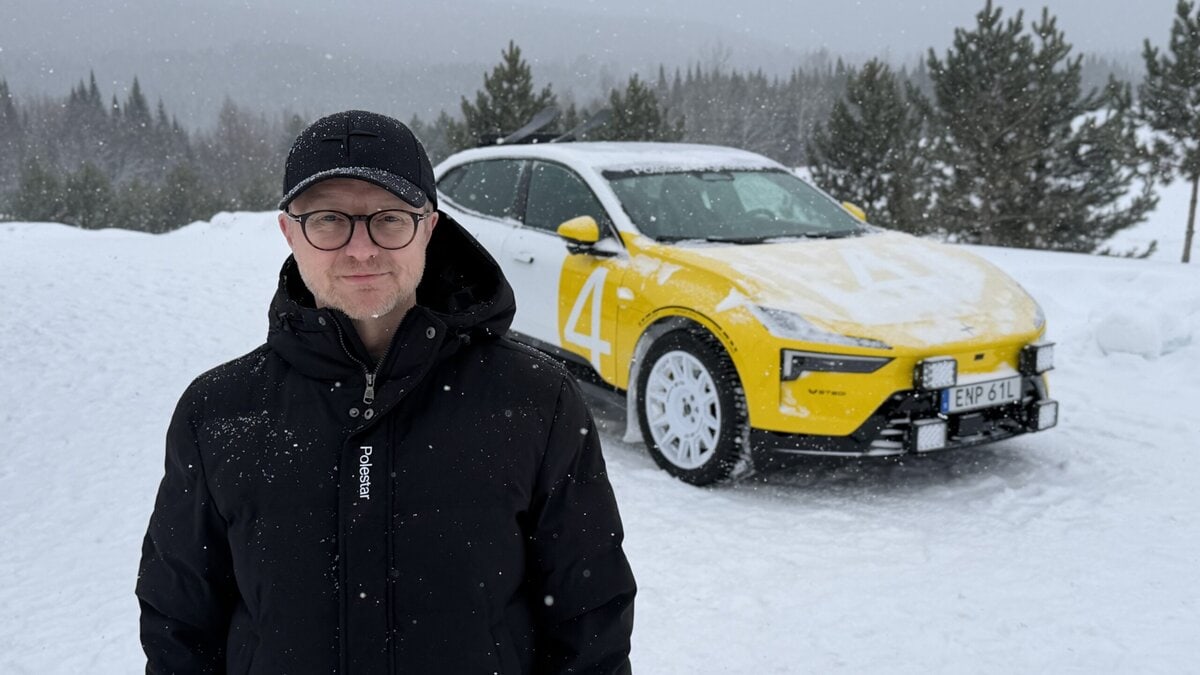
I asked Dean Shaw, Polestar North America’s head of PR and communications, the question he’s clearly heard “a million times.”
“Are Polestar going to make it?”
His answer was instant, and notably unvarnished: “Absolutely. That said, with huge confidence, but no, we will absolutely make it.”
Why does this matter right now?
Because 2026 is the year the EV conversation stops being theoretical and starts being operational. The obstacles are no longer mysterious. People aren’t confused about what an EV is. They’re worried about the practical parts: cost, confidence, charging, resale, and whether the brand they chose will still exist in five years.
Charging access is still the simplest confidence killer, which is why the pace of infrastructure buildout matters. If you want a grounded view of how charging availability is tracking, the federal AFDC data is one of the cleanest starting points.
Shaw doesn’t pretend that the traditional barriers aren’t real. He lists them plainly: price and charging infrastructure remain stumbling blocks, and he’s refreshingly honest about psychology too, the “300-mile” threshold is, in his words, “mentally the sweet spot,” even if it’s not physically necessary for most people.
He also corrected me when I brought up tariffs: “That doesn’t actually apply to automotive.” In other words, this remains an unstable, policy-sensitive space, one reason buyers have become more cautious, as Test Miles recently noted in hybrids.
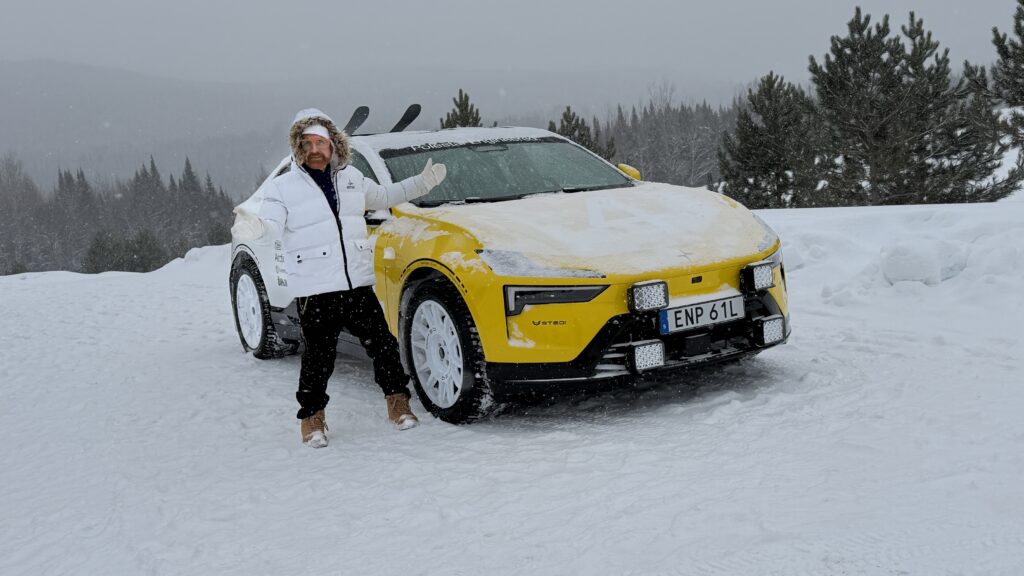
Polestar’s structural answer is its manufacturing model: “We have what we call an asset-light approach to manufacturing.” It’s a phrase that sounds corporate until you translate it into what it means for customers, flexibility, faster pivots, and less vulnerability to one factory, one country, or one political moment.
How does it compare to rivals or alternatives?
Polestar sits in an unusual lane: premium and EV-only, but with the backing (and industrial reach) of a larger group. That shows up in how Shaw describes production: “We partner up with Volvo in the United States and build cars in their plant in South Carolina. And we also partner… in South Korea as well.”
He then turns that into a competitive advantage: “We are very nimble because of our asset-light approach.” In an industry where stability is rare and investment cycles are long, nimble can be as valuable as being huge.
For context on the size of the U.S. market, and why brands fight so hard for incremental share, Reuters’ reporting on annual sales volumes is a useful reference point. The Reuters figure underscores just how much opportunity exists even when EV demand headlines wobble.
Polestar’s differentiation isn’t just corporate; Shaw frames it as experiential. “It’s when you sit in that front seat that you realise there is a bigger difference because this is more designed for the driver.” Then the line that quietly defines the brand: “It’s a little bit more selfish in that respect.”
That matches Polestar’s stated view of electric performance: “We believe in adding excitement to electric cars beyond the 0-60 time.” If you’re tired of EVs that feel quick but numb, that sentence is the clearest explanation of what Polestar is trying to be.
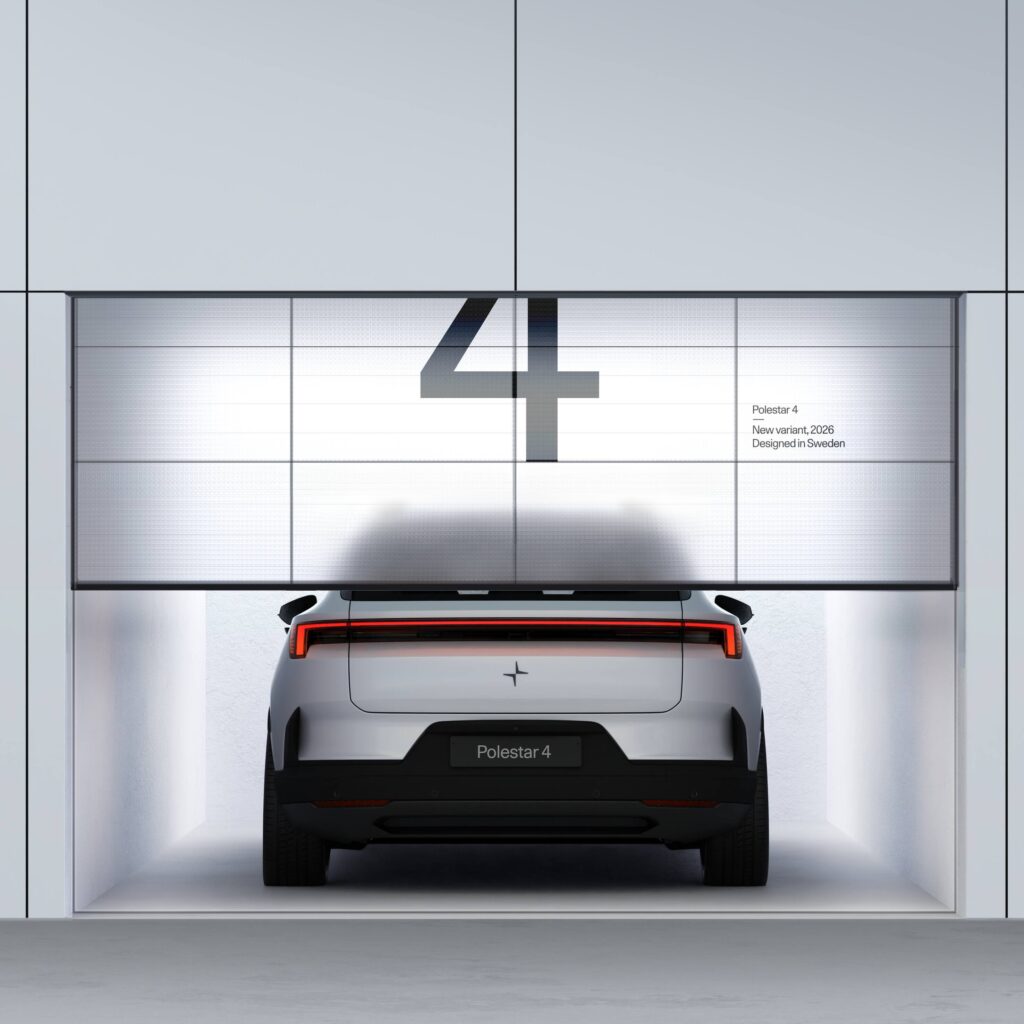
The Polestar 4 is the best example of that willingness to challenge convention. Shaw defended the controversial rear-window decision by saying it “wasn’t done for technology’s sake. It was done to make a better car for our customers.” And he acknowledged the human learning curve: “For some people… your eyes need a little bit of training initially… they say up to a week, for me it was two days…”
Interestingly, the Polestar 4 conversation is already evolving. As Test Miles recently reported in its Polestar 4 update, the brand is actively tuning the formula to widen appeal without losing identity.
Who is this for and who should skip it?
Polestar still attracts enthusiasts and early adopters, and Shaw doesn’t deny it. “We have a very engaged community from the outset,” he said, describing customer events and owners who become advocates.
But the real growth question is the one you raised in the interview: how does Polestar cross into the mainstream? Shaw’s answer is product placement, not rhetoric: “You’ve got to fish where the fish are.”
That’s why the Polestar 7 matters: “The Polestar 7 for me is the really important car for the brand.” It’s aimed at the C-segment SUV space where volume lives, and Shaw linked it directly to practical expansion: “more stores, more places to get your Polestar serviced.”
If you’re hoping Polestar will become a brand that covers every body style, Shaw drew a boundary: “I don’t think we’re going to be doing pickup trucks. Probably quote me on that one.” So: not for truck buyers, not for people who want one brand to do everything, and not for anyone who demands the cheapest EV possible.
For buyers weighing real-world ownership costs, insurance, replacement parts, and the “hidden” costs around modern tech packaging, Test Miles’ recent look at feature unbundling is worth a read. The Mach-E frunk story is a perfect example of how “little” options add up, and you can find it in frunk.
What is the long-term significance?
Polestar’s long-term bet is that EV loyalty remains strong once people convert. Shaw said it plainly: “The majority of people, once they’ve driven an electric car, don’t want to go back.” The IEA has tracked this broader transition trend globally, and its IEA outlook gives a grounded picture of where electrification is progressing and why.
He also positioned Polestar against retreating rivals: “We’re definitely seeing that some of the other brands in North America maybe are pulling back on their electric car ambitions, and we’re absolutely not.” That’s a promise, and a risk, but it’s also a clear signal to buyers who want an EV-first brand that isn’t hedging.
On safety and trust, premium EV buyers increasingly want independent validation, not just brand promises. The consumer-facing crash-test programs at NHTSA and the comparative vehicle assessments at IIHS remain the quickest ways to sanity-check any new-car shortlist.
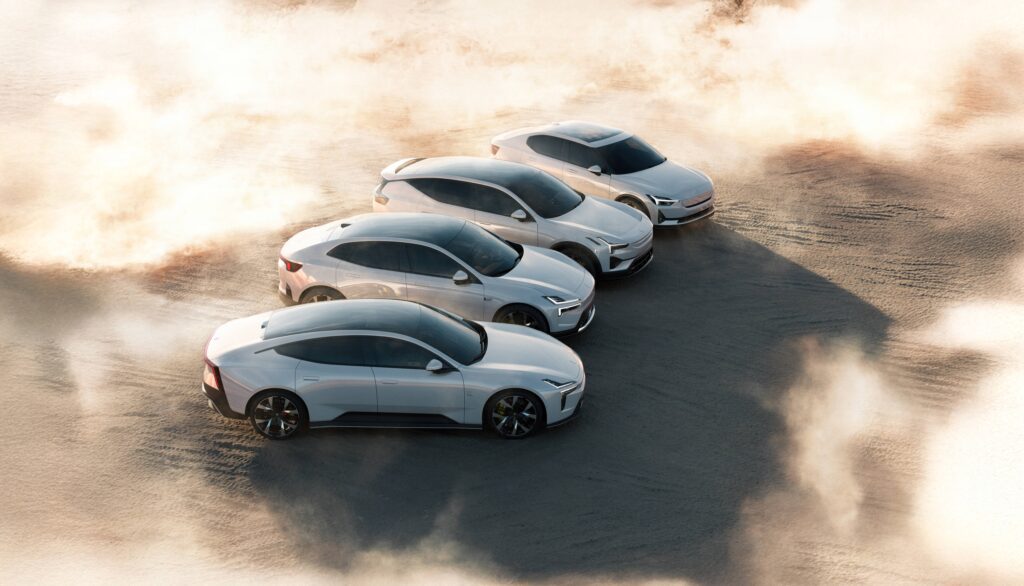
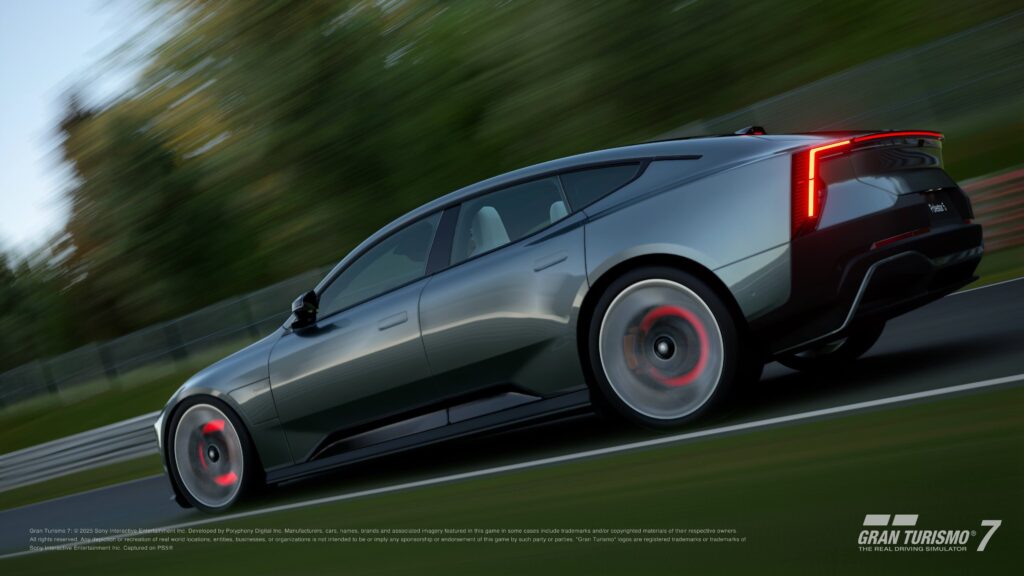
Polestar’s product cadence is the other part of the survival argument. Shaw said, “Globally we’ve announced that in the next three years we’ll launch… four new cars…” and confirmed that Polestar 7 is on that roadmap, along with a more utility-focused Polestar 4 variant teased for “Q3” timing.
Finally, the most human moment of the interview, when I asked what keeps him up at night—reinforced the tone Polestar wants to project: “My children. My dog. I sleep really well, actually.”
Confidence isn’t proof. But it does give us a way to measure whether a brand is acting like it believes its own story. Polestar’s claim is simple, and it’s now on the record: “We will absolutely make it.”
If you want a broader cultural read on how brands turn big moments into identity, and why that matters long before the results arrive, Test Miles recently explored that dynamic in Audi’s F1 merchandise story, and it’s worth a quick look at merch.
And if you’re wondering where Polestar fits for buyers who are simply trying to keep costs under control in a market that keeps moving upward, our recent breakdown of the disappearing sub-$20k new-car segment provides helpful context at cheap.