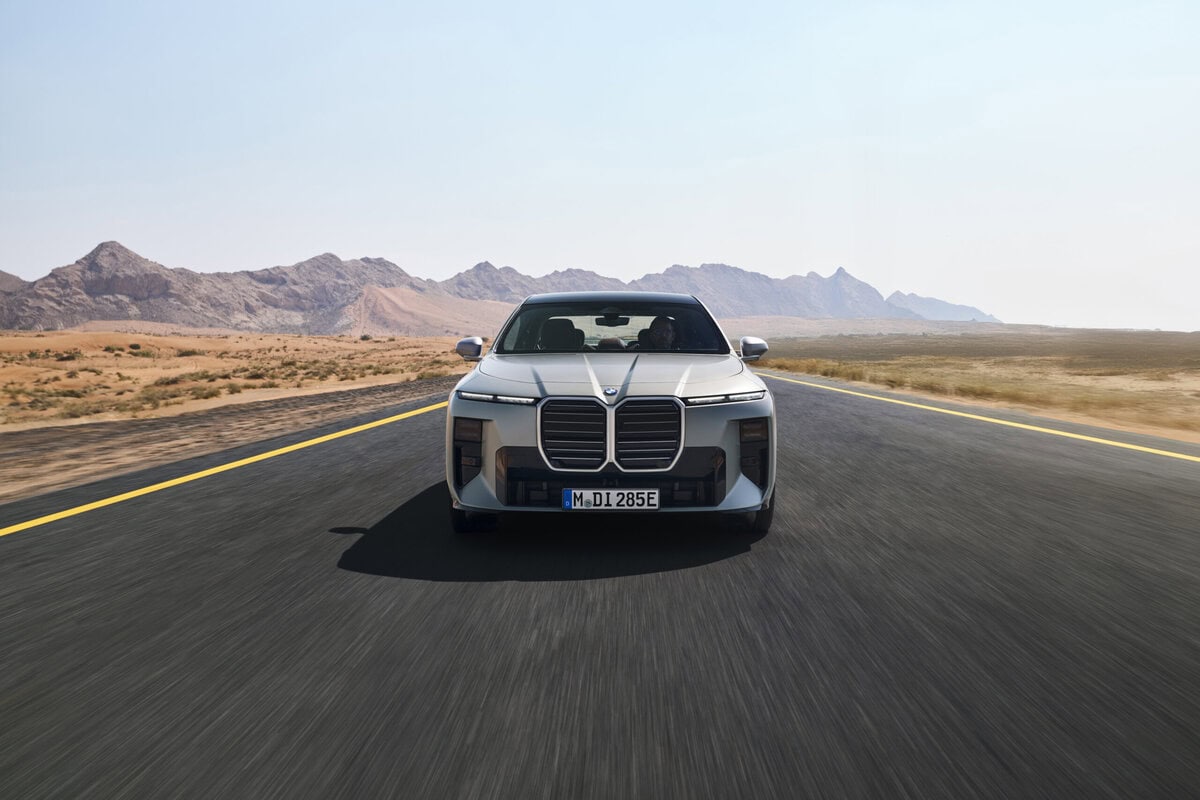
2026 BMW 7 Series: Which Model Is Right for You?

The 2026 BMW 7 Series arrives at a moment when luxury buyers are rethinking everything. SUVs dominate sales, electric vehicles are gaining ground, and traditional sedans are under pressure to justify their existence. BMW is not ignoring that reality. Instead, it is responding with something unusually practical.
Rather than forcing buyers into one direction, the 7 Series offers multiple paths. Fully electric, plug-in hybrid, and gasoline models all sit under the same badge. That may sound like overkill, but it reflects a market where no single solution fits everyone. This is no longer just about luxury. It is about ownership. How you drive, where you charge, how often you travel, and how much complexity you are willing to accept all shape which version of this car makes sense.
You may also enjoy: That New Car Is $6,400 More Expensive. Here’s Why.
Powertrain Choices Explained
The biggest differentiator in the 2026 BMW 7 Series is not trim level. It is a powertrain. BMW offers three distinct ownership experiences, and each one leads to a very different daily routine. The fully electric i7 is the headline model. With a battery around 112.5 kWh and a range approaching 440 miles, it is designed to replace a traditional luxury sedan entirely. Fast charging can take the battery from 10 to 80 percent in about 29 minutes, which makes long-distance travel far more realistic than it used to be.
Understanding electric vehicle range is critical here. Range determines how often you stop, how you plan trips, and whether the car fits your daily life. The plug-in hybrid 750e offers flexibility. It can drive short distances on electricity, then rely on gasoline for longer trips. That works well for buyers who commute during the week but still travel regularly. The key concept is fuel economy, because plug-in hybrids only deliver efficiency when charged consistently. Without that habit, the benefit largely disappears. Gasoline models remain the simplest option. No charging, no infrastructure concerns, and no change in behavior.
You may also enjoy: The Winners and Losers of 2025: What Americans Really Bought
Technology That Actually Helps
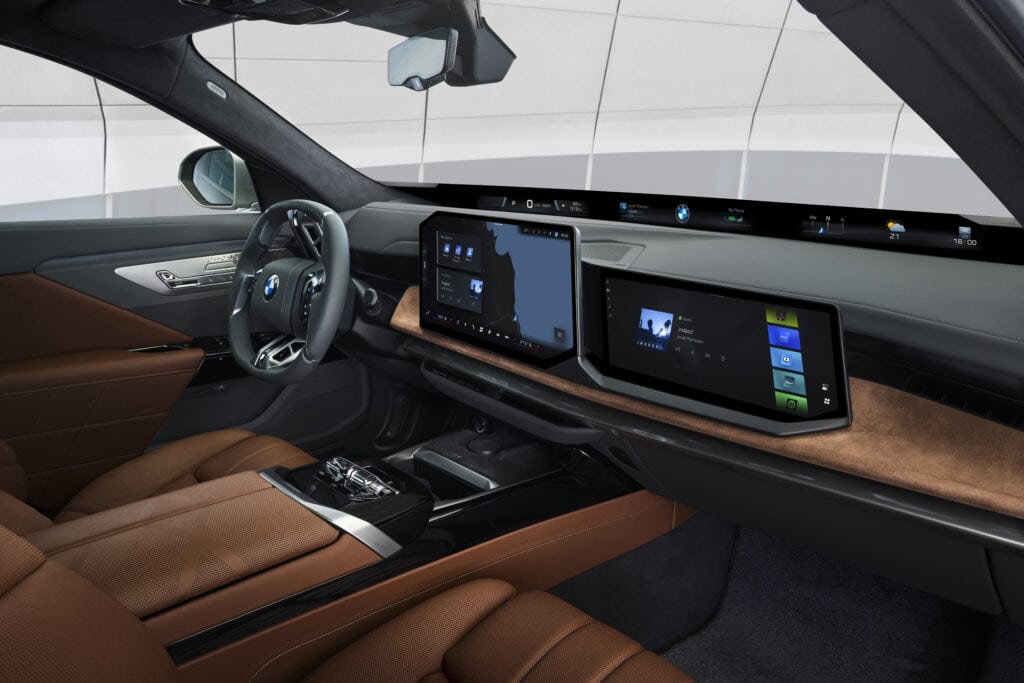
Luxury cars often overload buyers with technology that looks impressive but adds complexity. The 7 Series takes a more thoughtful approach. The panoramic display system places key information across the windshield, reducing the need to look down. That aligns with findings on driver distraction, which show that keeping your eyes forward improves safety.
The front passenger screen allows independent use without distracting the driver, while the rear theatre display turns the back seat into a mobile lounge. This reflects how these cars are actually used. Many owners are passengers as often as drivers, especially in urban environments. BMW’s voice controls and personalization features also reduce friction. Instead of navigating menus, drivers can interact more naturally with the car.
You may also enjoy: 2026 Audi A6: The Sedan That Surprised Me
Comfort Over Everything
The defining characteristic of the 2026 BMW 7 Series is comfort. Performance remains strong, but it is no longer the primary focus. Adaptive air suspension smooths rough roads and improves ride quality. Rear-wheel steering makes the car easier to maneuver in tight spaces
Interior materials and customization options allow buyers to tailor the experience. This matters at this level, where personalization is expected. Vehicle safety and comfort studies show that stability and ride quality play a major role in long-term satisfaction. The rear seat experience is especially important. Executive-style seating and entertainment features create a space that is designed for both relaxation and work.
You may also enjoy: Jaguar Type 00: Smooth, Linear, Powerful
Real Ownership Costs
The most important decision is not which version is fastest. It is which one fits your life financially and practically. Electric models can lower operating costs, especially with home charging. Electricity is often cheaper per mile than gasoline. However, access to charging infrastructure is critical.
Understanding vehicle emissions and efficiency helps buyers compare long-term costs across powertrains. Plug-in hybrids offer flexibility, but only if you charge them regularly. Gasoline models remain predictable, though typically more expensive to run over time. Depreciation is also evolving. EV values are less predictable, while traditional luxury sedans follow more established patterns.
You may also enjoy: Five Deal-Breakers That Stop You From Buying a New Car
Who Should Buy the 2026 BMW 7 Series
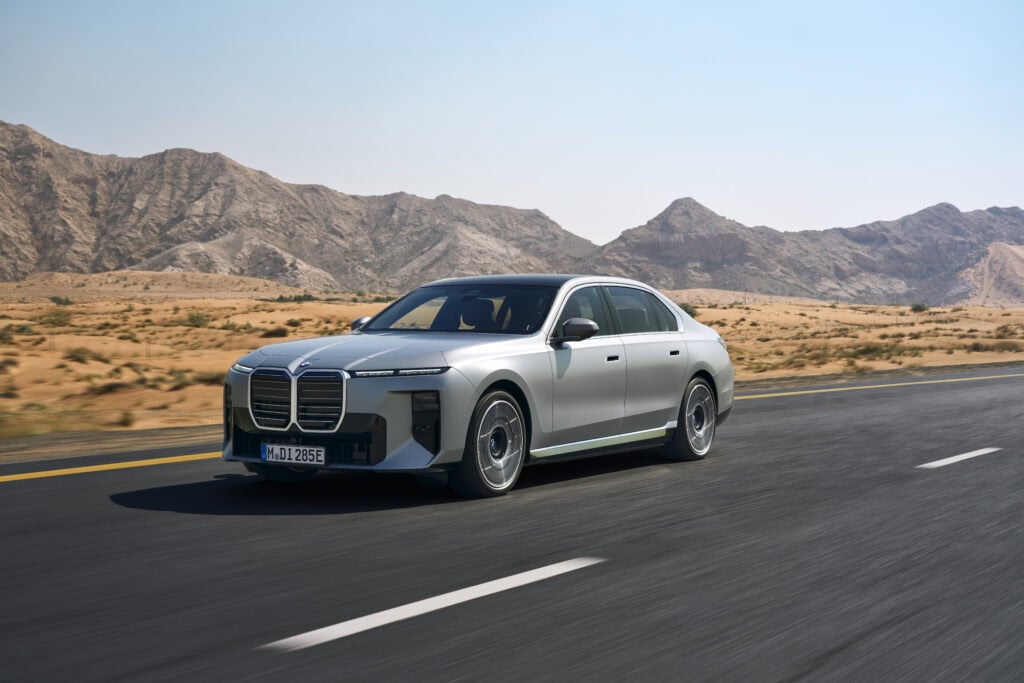
The 2026 BMW 7 Series is built for buyers who want flexibility rather than a one-size-fits-all answer. The i7 suits those ready for electric driving with reliable charging. The plug-in hybrid works best for buyers who want electric capability without committing fully. Gasoline models remain ideal for those who value simplicity. This approach reflects a broader industry shift. Automakers are no longer forcing a single future. They are offering options and letting buyers decide. That may not be dramatic, but it is practical. And today, practicality is what defines modern luxury.
You may also enjoy: From Formula One to Family Driveways: Why GM’s Strategy Matters