How The IIHS Helped Shape The Cars We Drive Today

For most drivers, the Insurance Institute for Highway Safety is the organization behind crash test ratings and Top Safety Pick awards. It’s a helpful resource when shopping for a new car, but that’s only a small part of what the IIHS actually does.
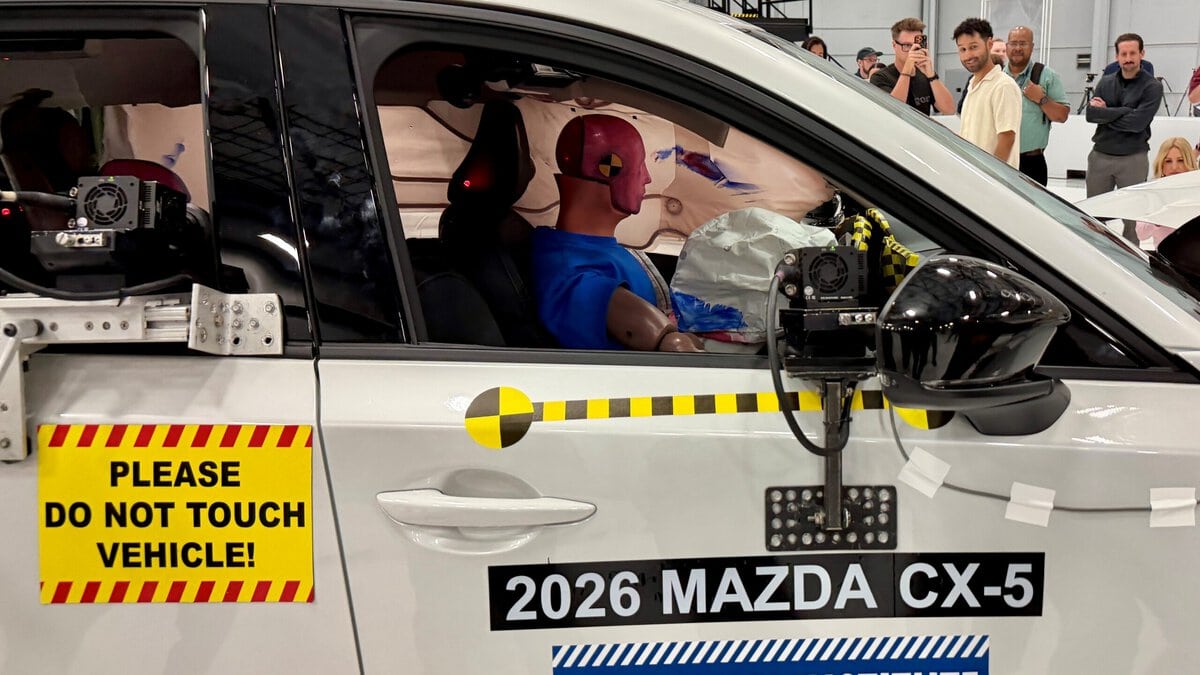
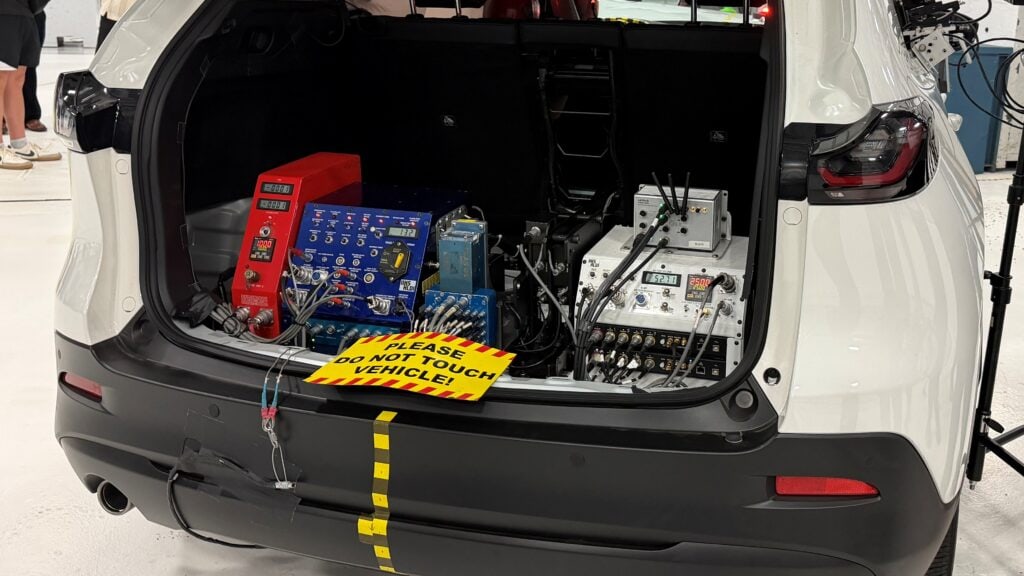
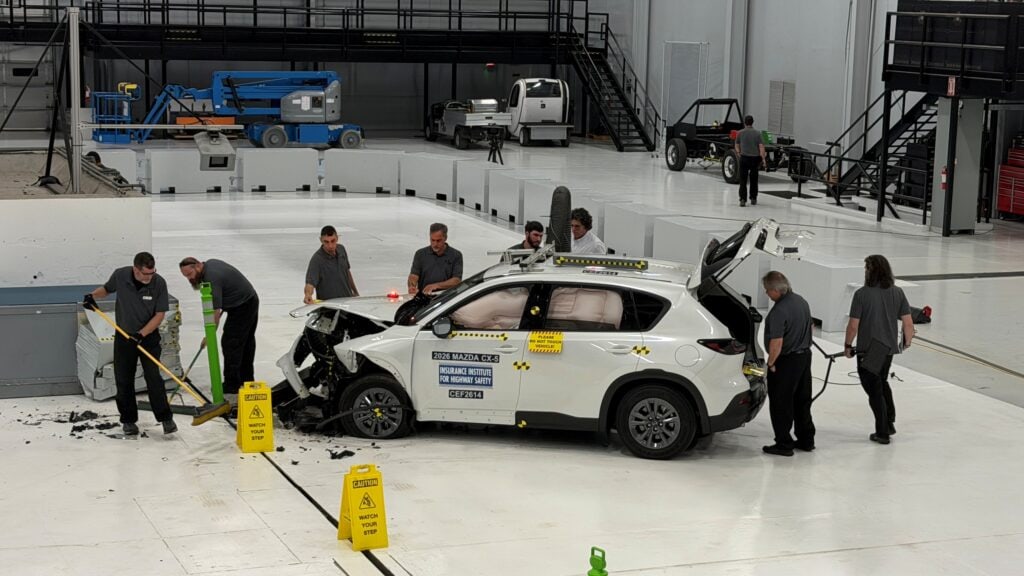
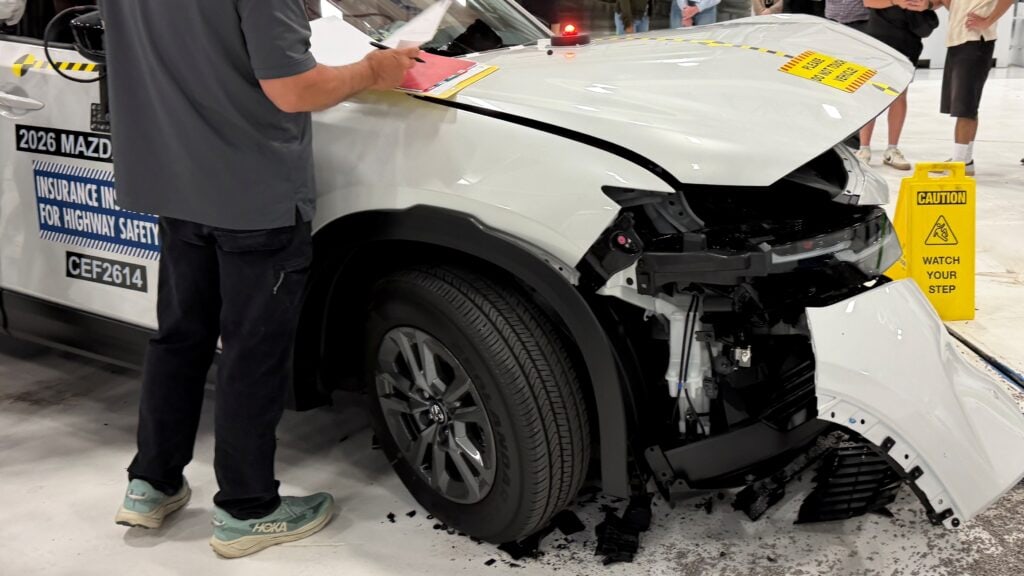
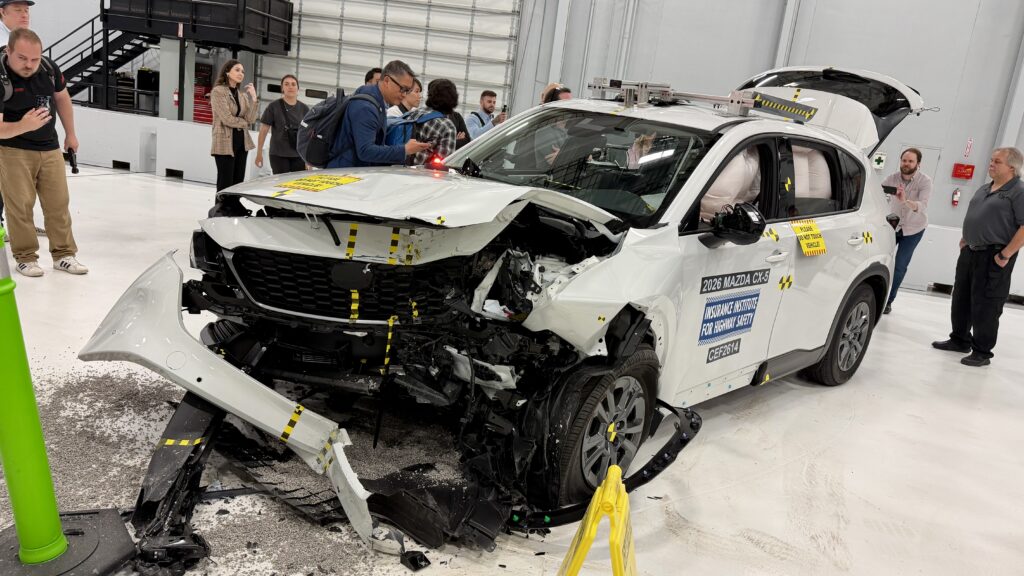
Mazda recently invited us to the IIHS facility to witness a crash test of thdrivee CX-5 and get a closer look at how the organization operates. While there, I sat down with Joe Nolan, Chief Operating Officer of the IIHS. What emerged wasn’t simply a conversation about crash testing. It was a look at how one independent organization has spent decades pushing automakers to build safer vehicles and, in the process, transformed the automotive industry.
You may also like: Watching the Mazda CX-5 IIHS Crash Test Changed My View on Safety
How IIHS Became One Of The Most Influential Forces In Automotive Safety
When the IIHS entered the crash testing business in the mid-1990s, it wasn’t immediately welcomed by automakers. At the time, crash testing was largely handled by government regulators and manufacturers themselves. Suddenly, an organization backed by insurers was running its own tests and publishing its own results. The industry wasn’t quite sure what to make of it.
“Our very first test program caught the auto industry a little bit unawares.” – Joe Nolan, Chief Operating Officer, IIHS
Nolan explained that manufacturers initially viewed the IIHS as an outsider. Automakers already conducted extensive testing and complied with government regulations. The arrival of a third party performing its own evaluations created a level of scrutiny the industry hadn’t previously experienced. The organization had to prove that its research was sound, its data was credible, and its conclusions were worth taking seriously.
That process didn’t happen overnight. Nolan estimates it took roughly five to seven years before many manufacturers fully embraced the IIHS as a meaningful voice in vehicle safety. During those early years, responses often amounted to little more than statements that vehicles met or exceeded all applicable safety standards. The Institute needed something stronger than opinions. It needed evidence.
You may also like: How Mazda Uses Real World Crash Data To Make Every New Vehicle Safer
Side Impact Crash Tests Changed Vehicle Safety Design
The breakthrough came when IIHS researchers began digging into real world crash data and identified a growing problem. Passenger cars were increasingly sharing the road with larger SUVs and pickup trucks. As those vehicles became more popular family transportation, crash outcomes were changing in troubling ways.
Researchers found that occupants in passenger cars suffered significantly worse injuries when struck by taller, heavier vehicles. The problem wasn’t simply weight. It was the way those larger vehicles interacted with car structures during a collision.
The higher ride height of trucks and SUVs allowed them to bypass critical load-bearing areas designed to absorb impact forces. Instead, crash energy was directed into weaker portions of the vehicle structure, increasing the risk of serious injury.
“Cars didn’t change, but they had to because the partners that might hit them are becoming more aggressive.” – Joe Nolan, Chief Operating Officer, IIHS
The findings fundamentally changed the conversation around side impact protection. This wasn’t a case of automakers building bad cars. The entire vehicle fleet was evolving, and cars designed for one era suddenly faced threats that hadn’t existed before.
Manufacturers responded with stronger side structures, side curtain airbags, and improved crash protection becoming priorities throughout the industry. The result was safer vehicles for everyone, even those who never paid attention to a single crash test rating.
You may also like: Mazda Leads in Safety with Eight IIHS Top Safety Pick+ Awards
The Crash Test That Revealed A Hidden Injury Risk
One of the most striking discoveries involved the interaction between those taller vehicles and occupants in smaller cars during side impact crashes. At first glance, it appeared that occupants were being thrown into the striking vehicle during a collision. The reality was far more disturbing.
As the larger vehicle intruded into the passenger compartment, the occupant’s body remained in motion while the hood of the striking vehicle moved into the space occupied by the person’s head. The physics looked completely different than most people assumed.
“It looks like the driver’s head comes out the window and hits the hood of the truck. But it’s really from a physics standpoint, the other way around.” – Joe Nolan, Chief Operating Officer, IIHS
The IIHS still has one of those early test vehicles on display. An old Ford Explorer used during research carries a visible dent in its hood created by the impact from a crash dummy’s head. It’s a powerful reminder that behind every chart, graph, and crash test score are real people whose lives depend on getting vehicle safety right.
The ability to connect laboratory testing with real world injury data became one of the organization’s greatest strengths. Rather than creating tests for the sake of testing, researchers focused on the crashes that were killing and injuring people. That approach helped convince automakers that changes weren’t simply desirable, they were necessary.
You may also like: Best Safe Cars for Teens 2026: Mazda Dominates IIHS & Consumer Reports
Electric Vehicles Created Questions But Not The Ones Experts Expected
As electric vehicles gained popularity, the IIHS began examining whether entirely new crash safety concerns might emerge. The most obvious issue was weight.
Many EVs weigh more than their gasoline counterparts, sometimes by more than 1,000 pounds. That additional mass raised concerns about what would happen when heavier electric vehicles collided with smaller vehicles on the road.
Nolan said researchers expected they might uncover significant new compatibility challenges. Instead, they found something unexpected.
“Other than the mass disparity issue, there wasn’t really anything new for us to address.” – Joe Nolan, Chief Operating Officer, IIHS
The low-mounted battery packs that contribute so much weight also require substantial structural support near the floor of the vehicle. In many crash scenarios, that design characteristic actually made EVs behave more like traditional passenger cars rather than taller trucks or SUVs.
That doesn’t eliminate concerns surrounding vehicle weight. Physics still favors larger, heavier vehicles in a crash. However, the feared wave of entirely new safety problems never materialized. Once again, the data pointed researchers toward a more nuanced conclusion than many people expected.
You may also like: 2026 Mazda CX-5 Review: More Space, Smarter Tech
The Future Of Crash Testing May Not Involve Crash Dummies
While crash test dummies have become symbols of vehicle safety, Nolan believes the next major leap forward could eventually make them less important.
Today’s dummies are sophisticated, but they’re still limited. They’re designed around specific body sizes and crash conditions. Real people come in countless shapes, sizes, ages, and seating positions. Capturing all those variables through physical testing alone is impossible.
“That’s an infinite number of crash tests.” – Joe Nolan, Chief Operating Officer, IIHS
The long term vision involves advanced computer simulations capable of modeling actual human bodies rather than mechanical surrogates. Researchers would be able to examine how organs, bones, and tissues respond during a crash with a level of detail that current physical testing cannot achieve.
The transition has already begun. Automakers can submit simulation results for certain evaluations, including the Institute’s newest whiplash testing protocols. Nolan believes the next decade could bring significant advances in how those digital tools are incorporated into safety testing.
For an organization that spent years convincing automakers to take independent crash testing seriously, it represents the next chapter in a mission that dates back to 1959. The goal remains the same today as it was then. Find the crashes that hurt people, understand why they happen, and push the industry to build safer vehicles.