Volkswagen’s American Reinvention Is Taking Shape

For years, Volkswagen seemed caught between two very different futures. On one side was the company’s long-established reputation for practical German engineering, affordable family transportation, and iconic vehicles that built generations of loyal customers. On the other side was an aggressive industry-wide push toward electrification that often left consumers uncertain about what Volkswagen actually wanted to become.
Now, the company appears to be finding a clearer direction. Over the next several years, Volkswagen is reshaping nearly every major part of its American lineup. New generations of the Atlas and Tiguan are arriving with more upscale interiors and improved technology, hybrid models are returning to the discussion, and the company is adjusting how electric vehicles fit into its long-term strategy.
What’s happening at Volkswagen feels much larger than a normal product refresh. It looks more like a strategic reset designed around the realities of today’s automotive market, where buyers still want choice, familiarity, value, and technology that fits their actual lives rather than an industry presentation deck.
You may also like: Volkswagen’s Silent U.S. Surge: How the People’s Car Is Outselling the Market Without Anyone Noticing
Volkswagen Is Shifting Toward Consumer Reality
The automotive industry spent much of the last five years assuming buyers would rapidly move toward fully electric vehicles. Several manufacturers pushed aggressively in that direction, believing consumers would quickly abandon gasoline-powered transportation. Instead, the market evolved far more slowly and unevenly than many executives expected.
While some buyers have embraced EVs, many Americans still want gasoline vehicles, hybrids, or a combination of technologies that better fits their daily lives, budgets, and driving habits. Concerns about charging infrastructure, vehicle affordability, and long-term ownership costs continue to shape purchasing decisions across the industry.
Volkswagen appears to be responding to that reality in a practical way. The company has confirmed plans for future hybrid versions of both the Atlas and Tiguan, two of its most important vehicles in North America. That decision acknowledges something many consumers have been saying for years: flexibility matters. Buyers increasingly want choices rather than mandates, especially in a market where fuel prices, economic uncertainty, and evolving technology continue to influence consumer confidence.
Rather than pushing every customer toward a single solution, Volkswagen is preparing a lineup that offers multiple pathways. Electric vehicles remain part of the company’s future, but hybrids and traditional powertrains are once again becoming an important part of the conversation.
You may also like: 2027 Volkswagen Atlas Gets More Tech, Power, and Style

Atlas and Tiguan Become More Premium
The biggest changes are taking place inside Volkswagen’s SUV lineup, where American demand remains strongest. The redesigned 2026 Atlas enters its next phase with more power, upgraded infotainment systems, improved interior materials, and a noticeably more refined cabin experience.
Volkswagen understands that family SUV buyers increasingly expect near-luxury comfort even in mainstream segments. The latest Atlas appears designed to compete more directly with upscale rivals while still maintaining the practicality and spaciousness that made it successful in the first place.
The 2026 Tiguan is also receiving significant attention. As Volkswagen’s best-selling vehicle in America, the compact SUV is evolving into something more ambitious and considerably more upscale. Future versions are expected to include larger digital displays, massage seats, improved driver assistance systems, and substantially stronger performance.
Reports suggest higher-output models could approach 270 horsepower, placing the Tiguan among the more powerful compact SUVs in its segment. These are not minor cosmetic updates. They represent a major investment in the vehicles American consumers buy most often.
You may also like: Best Family Road Trip Vehicles for 2025

Volkswagen’s EV Strategy Is Still Alive
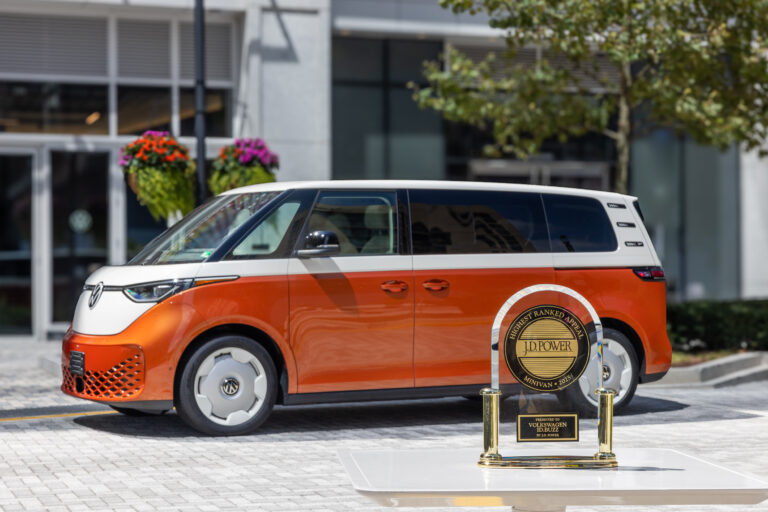
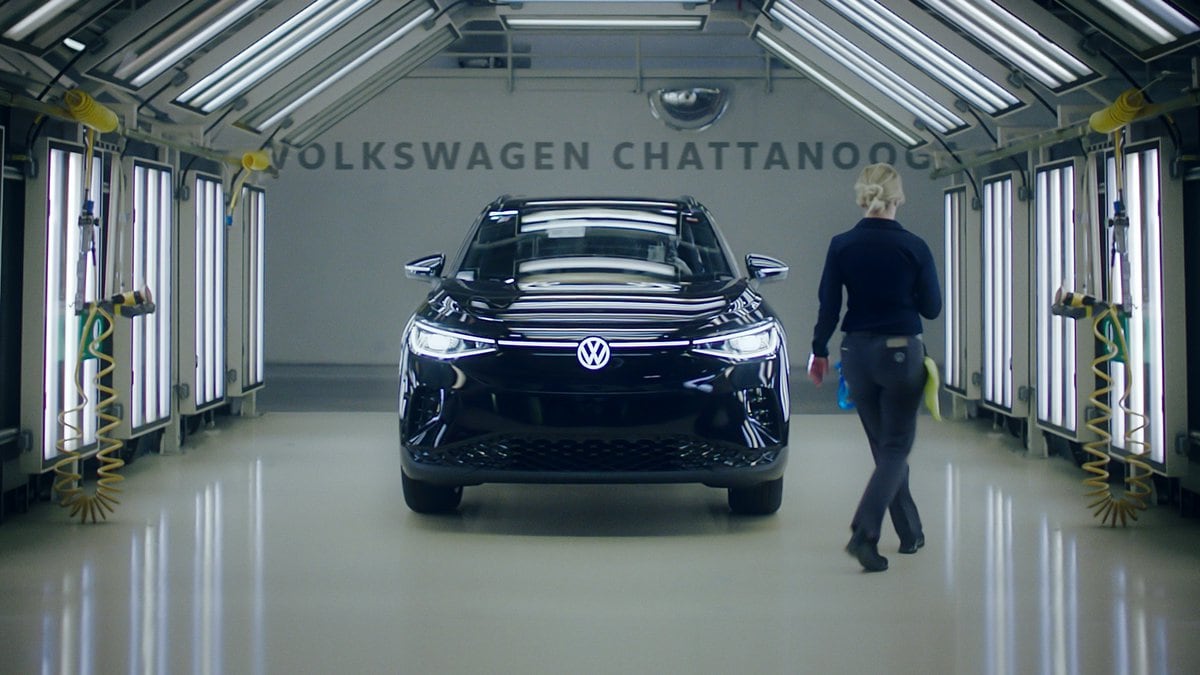
Despite the strategic adjustment, Volkswagen is not abandoning electric vehicles. The ID.4 remains central to the company’s EV plans, while the ID. Buzz continues to serve as a halo vehicle designed to generate attention and nostalgia around the brand.
Volkswagen also appears to be reconsidering how it markets future EVs, potentially aligning upcoming electric models more closely with familiar gasoline-powered nameplates. That approach may prove important for attracting mainstream buyers who remain interested in electric vehicles but are hesitant about entirely new naming systems and unfamiliar branding strategies.
Making EVs feel less experimental and more familiar could ultimately help Volkswagen connect with buyers who are curious about electrification but not yet fully committed. It’s a subtle but important shift, because mainstream buyers rarely want to feel like beta testers when they’re spending serious money on a family vehicle.
You may also like: Volkswagen cost-cutting plans: what that means for buyers
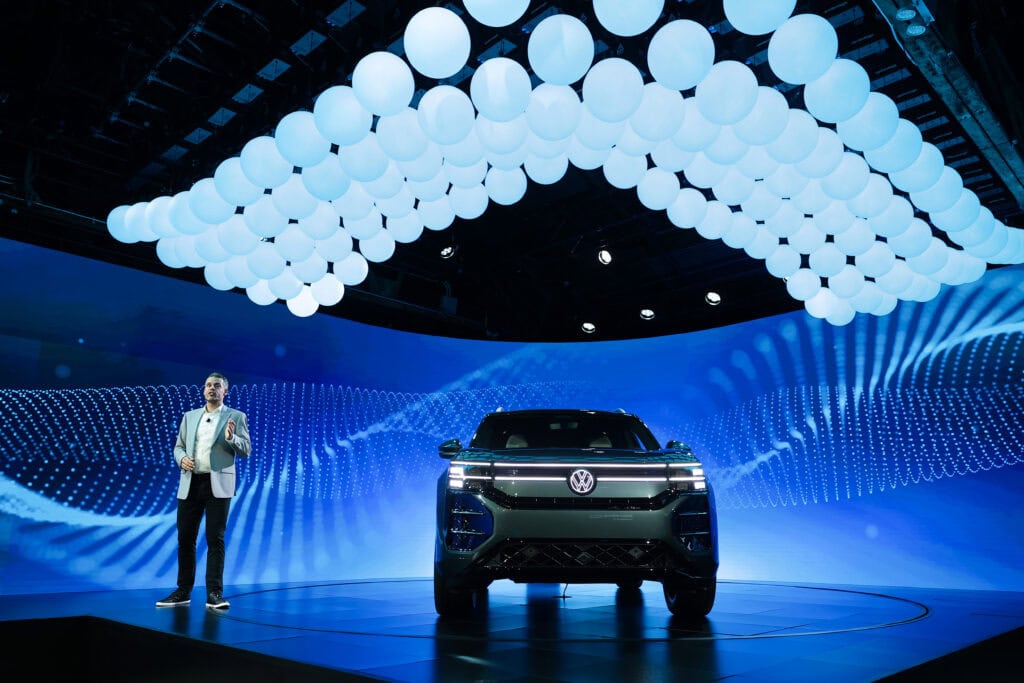
Why Volkswagen’s Reset Matters
What makes Volkswagen’s transformation especially interesting is that it feels grounded in practicality rather than ideology. The company no longer appears focused on chasing a single technological future at all costs. Instead, it is rebuilding its lineup around what consumers are actually buying and what families continue to prioritize: affordability, flexibility, familiarity, and usability.
The result is a Volkswagen lineup that feels more cohesive than it has in years. SUVs are improving, hybrids are returning, EVs still matter, and the company appears focused on offering customers more choices rather than fewer.
For a brand that once seemed caught between competing visions of the future, Volkswagen may finally have found its direction.