Iran Tensions Push Gas Prices Up: What It Means for You

Tensions in Iran caused a spike in oil prices and pushed gas toward $3 a gallon. If the trend continues, it may be time to rethink your daily ride.
Gas prices ticked up this week as tensions in the Middle East shook up oil supplies. Oil jumped around 7 to 10 percent to the $77 to $79 per barrel range after recent events disrupted key shipping routes. National averages for regular unleaded are now sitting right around $3 a gallon according to AAA data.
That small but noticeable climb hits close to home for anyone filling up regularly. Whether you’re commuting to work, running kids to practice, or grabbing groceries, those extra cents per gallon add up and make you think twice about how much you’re spending at the pump.
This isn’t about forecasting wild swings or getting into the bigger picture of world events. It’s about what the current uptick means for your everyday budget when you’re eyeing a new or different vehicle in 2026, and how picking something more efficient could help keep costs steadier no matter what happens next.
You may also enjoy this: Luxury SUV Buying Checklist to Avoid Remorse
Why does this matter right now?
The pump price is already reflecting the supply worries. National averages hit $2.997 today, up from $2.984 yesterday, and show a steady creep upward over the past week or so. Analysts point to the potential for another 10 to 30 cents if things stay tense, which isn’t huge day-to-day but builds into real money over months.
Picture a typical driver covering 15,000 miles a year in a car that gets about 25 mpg. At $3 a gallon you’re spending roughly $1,800 annually on gas. Bump that to $3.20 or higher and it adds $150 or more to the yearly. For families in SUVs logging extra miles on errands and weekends the hit feels even bigger.
Spring is prime time for car shopping before summer trips. When fuel costs edge higher efficiency moves up the priority list. You start calculating not just the monthly payment but how much you’ll spend filling the tank every week.
It shows up in little decisions too. That extra $10 or $15 per fill-up might mean skipping a drive-thru coffee or trimming the grocery list. For people watching every dollar, especially on fixed budgets, it’s the kind of shift that makes you rethink which vehicle makes sense long term.
These kinds of supply disruptions can also push retail prices higher if tanker traffic stays affected. The practical takeaway for buyers is clear. Shopping with fuel savings in mind now gives you a buffer against prices that might linger above $3 for a while.
You may also enjoy this: The 2026 Subaru Uncharted: The Affordable Subaru EV Has Arrived

How does it compare to rivals or alternatives?
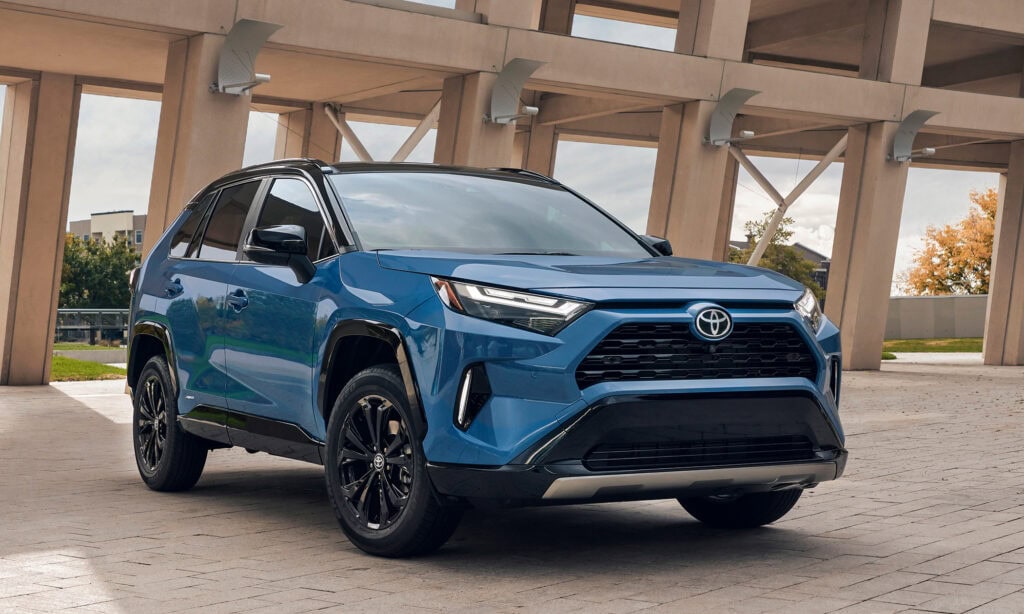
Hybrids shine brighter when gas creeps up because they mix electric power with gas to go farther on less fuel. A popular choice like the Toyota RAV4 Hybrid often delivers 38 to 40 mpg combined while the regular gas version sits around 25 to 28 mpg. For someone driving 12,000 miles a year that difference could save $400 to $500 at $3.20 per gallon. That’s enough to cover a nice chunk of maintenance or insurance.
Plug-in hybrids take it further for short daily routines. Something like the Toyota Prius Prime or Hyundai Tucson Plug-in Hybrid runs on electricity alone for 20 to 40 miles. That’s perfect if you charge overnight and your commute is short. You might cut gas use in half or skip the pump entirely most days then have hybrid backup for longer drives without range worries.
Electric vehicles cut gas from the picture entirely. With home charging averaging $0.15 to $0.20 per kWh in many spots, a 300-mile range model ends up costing pennies per mile compared to gas. Weekend road trips might require planning for charging breaks, but daily errands and commutes become way cheaper with no extra stops needed to charge.
Traditional gas cars still hold ground for simplicity. Efficient compacts like the Honda Civic or Hyundai Elantra hit 32 to 36 mpg on the highway. Lower up-front purchase prices help too.
A hybrid can run $1,500 to $2,000 to buy, but it pays itself back through gas savings over time. EVs also cost more, but have zero gas to worry about along with maintenance perks like no oil changes.
You may also enjoy this: 2026 Mazda CX-5 Review: More Space, Smarter Tech

Who is this for and who should skip it?
High mileage drivers stand to benefit the most from a more fuel-efficient vehicle. If you’re commuting 20 miles or more each way, then a hybrid or EV trims the monthly fuel bill noticeably. The savings compound over time making the higher upfront cost easier to swallow.
Families juggling school drop-offs, sports, and weekend outings will find efficient crossovers or SUVs a smart fit. The Highlander Hybrid hauls seven people plus gear while hitting close to 35 mpg combined. Fewer fill-ups mean more time enjoying the trip instead of hunting for gas stations.
Apartment dwellers without dedicated charging might prefer traditional hybrids over full EVs or plug-ins. Low-mileage drivers might not see the payback fast enough to make it worth the added up-front cost.
Rural drivers facing long stretches between stations might also do well to stay with traditional hybrids rather than something with a plug. Anyone with heavy towing will also find a gas or traditional hybrid the better option.
If the main goal is the absolute lowest sticker price, electrified options may be out of reach. For those shoppers, there are solid gas compacts in the $25,000 to $30,000 to help keep manage your fuel budget.
You may also enjoy this: Ford’s Record Recall Year: What the Numbers Actually Show

What is the long-term significance?
When fuel prices tick higher from world events, it gently pushes more people toward vehicles that use less gas. Looking ahead a few years, more affordable EVs and hybrids should arrive as battery prices keep falling and factories scale up.
It underscores how personal energy choices tie into bigger stability. Cutting reliance on volatile oil prices smooths out your monthly expenses. Plugging in or sipping gas means fewer surprises when global supplies wobble.
The broader fleet gets cleaner too without anyone being forced. Families still pack for vacations and commuters hit the road daily but with vehicles that cost less to run and produce fewer emissions along the way.
Going for something that uses less gas or none gives you more breathing room in your budget, whatever comes next. The best choice isn’t always the flashiest. It’s the one that leaves more cash in your pocket when you hit the road tomorrow morning.
You may also enjoy this: Will Polestar Survive? Here’s What They Told Us.