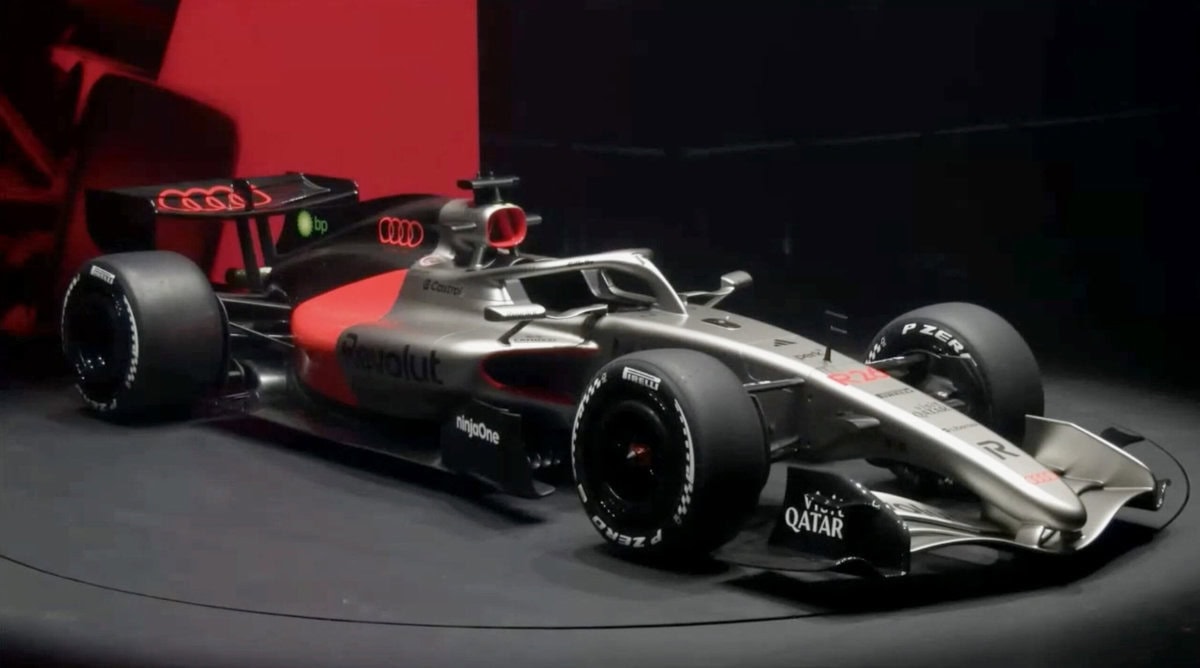
Audi Revolut F1 Team reveals R26 livery in Berlin

Audi F1’s Kraftwerk Berlin reveal wasn’t just a paint job. It was a statement about identity, partners, and the long road to being title-ready by 2030.
I’ll be honest: most Formula 1 “team launches” aren’t really for the people who drive cars every day. They’re for sponsors, for social media, and for the internal morale boost that comes from finally showing the world what you’ve been building in private.
This one is different enough to be worth your time.
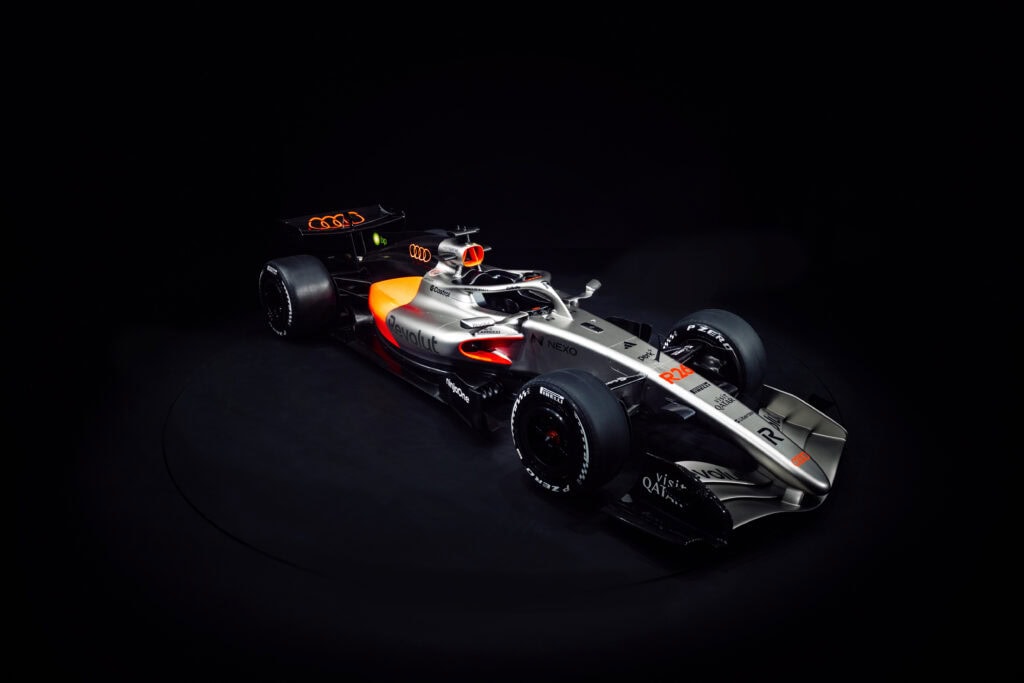
Audi didn’t just roll out a livery. It staged a full “this is who we are now” moment in Berlin, and it was loaded with clues about how the company wants you to think about Audi in the next decade — not just as a carmaker, but as an engineering brand trying to prove something on the hardest stage in motorsport. If you want the baseline context of how the sport defines itself and its teams, the official reference point is Formula 1.
You May Also Like: Cadillac’s Barcelona f1 shakedown testing livery explained
If you’ve ever wondered why a company would spend years preparing to enter a sport that’s already crowded with giants, the answers are tucked into this launch: the venue choice, the design language, the partnerships, and the unusually clear long-term target. Audi says it wants to be fighting for the World Championship by 2030. That’s not next-season talk. That’s culture-change talk.
Why does this matter right now?
Because Audi is turning its Formula 1 entry into a public signal of what the company thinks “modern performance” means.
At Kraftwerk Berlin — a historic power station repurposed into an arts and event space — Audi Revolut F1 Team made its full global debut with an immersive show built around light and sound. That setting wasn’t accidental. Berlin is one of those cities that communicates “future” without having to say the word, and Audi clearly wanted the backdrop to feel like a statement: engineering, technology, and culture all in the same room.
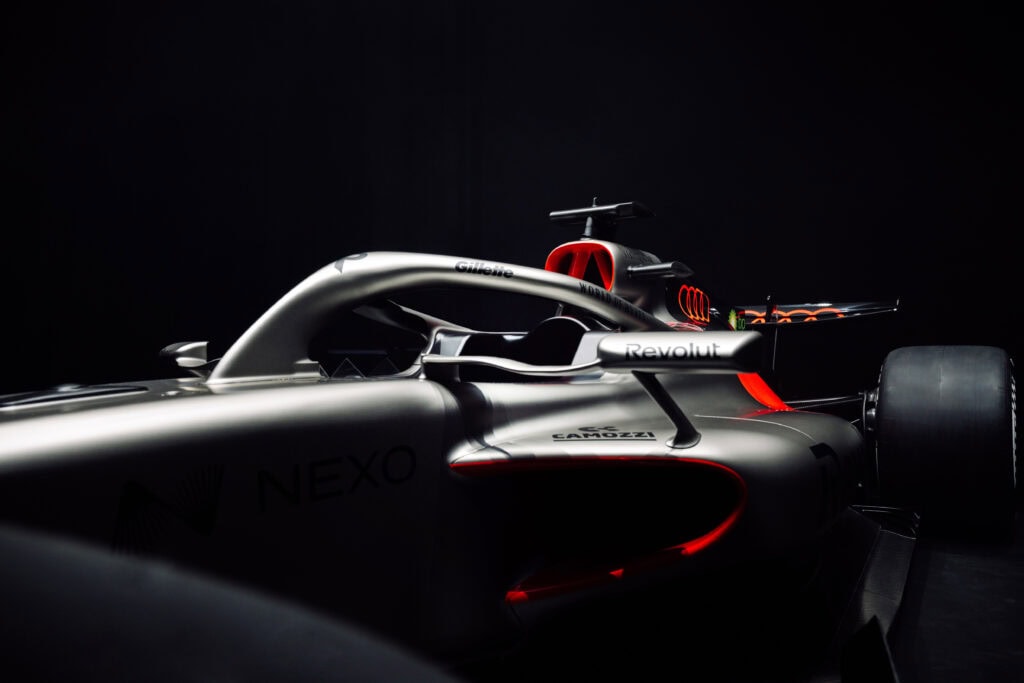
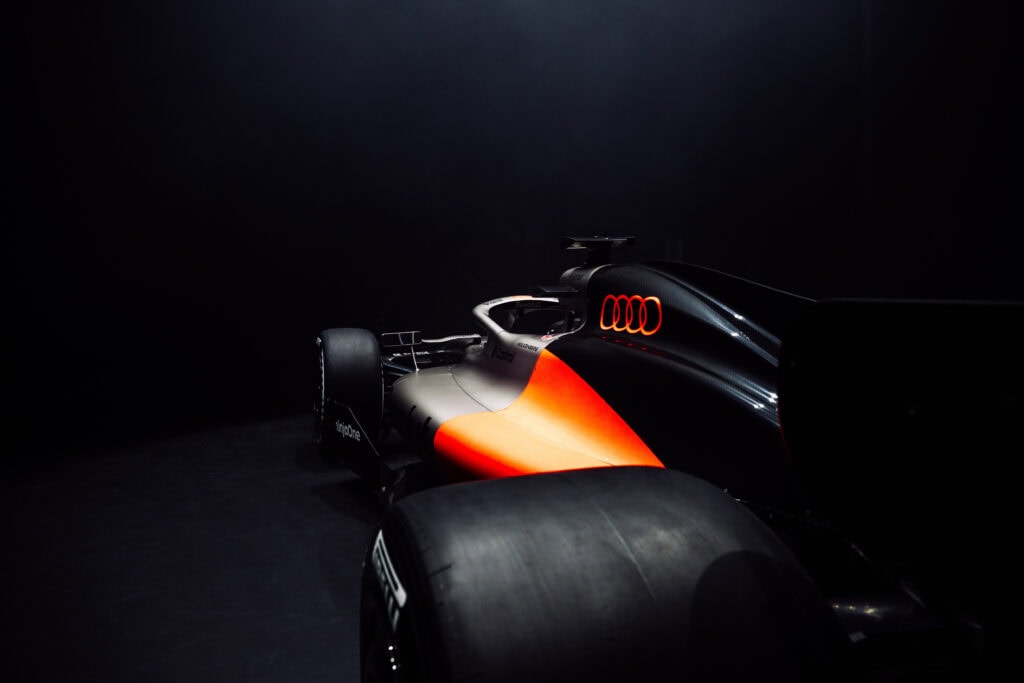
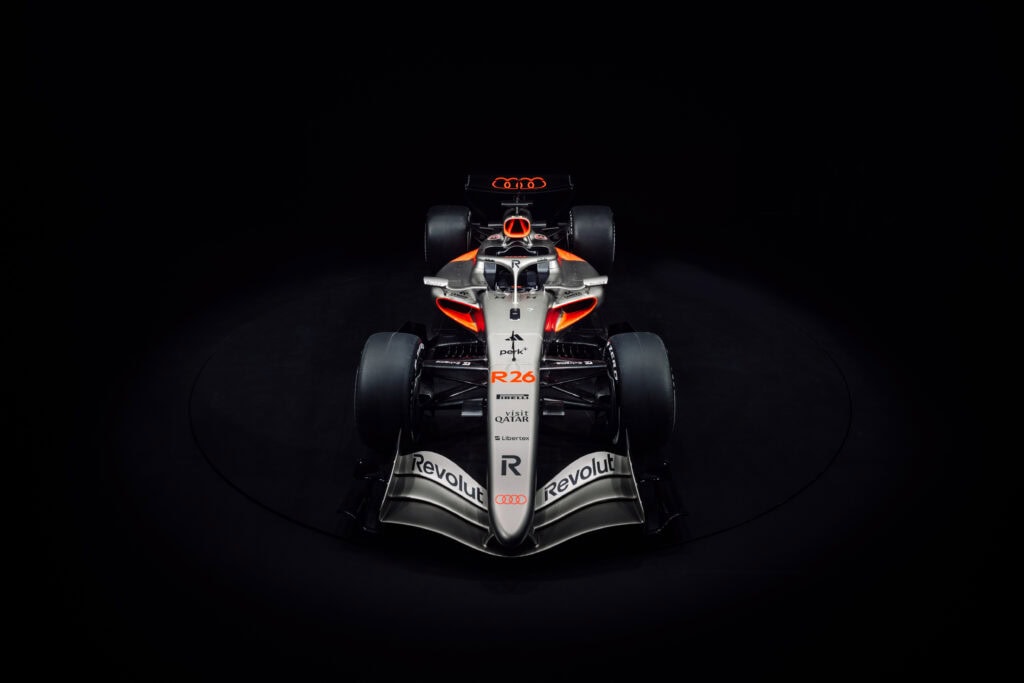
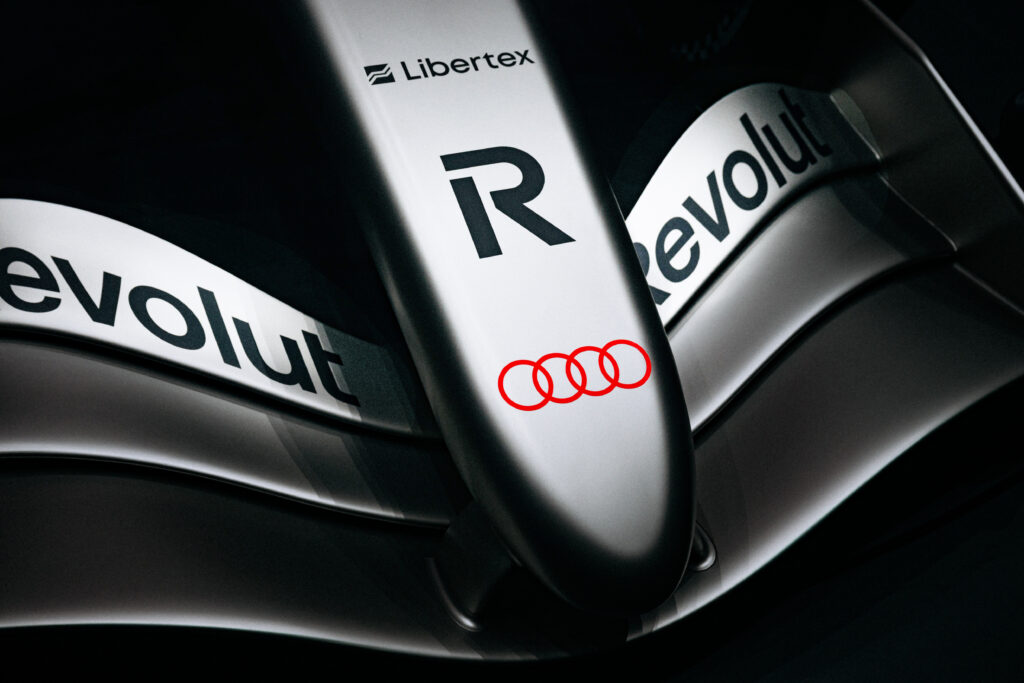
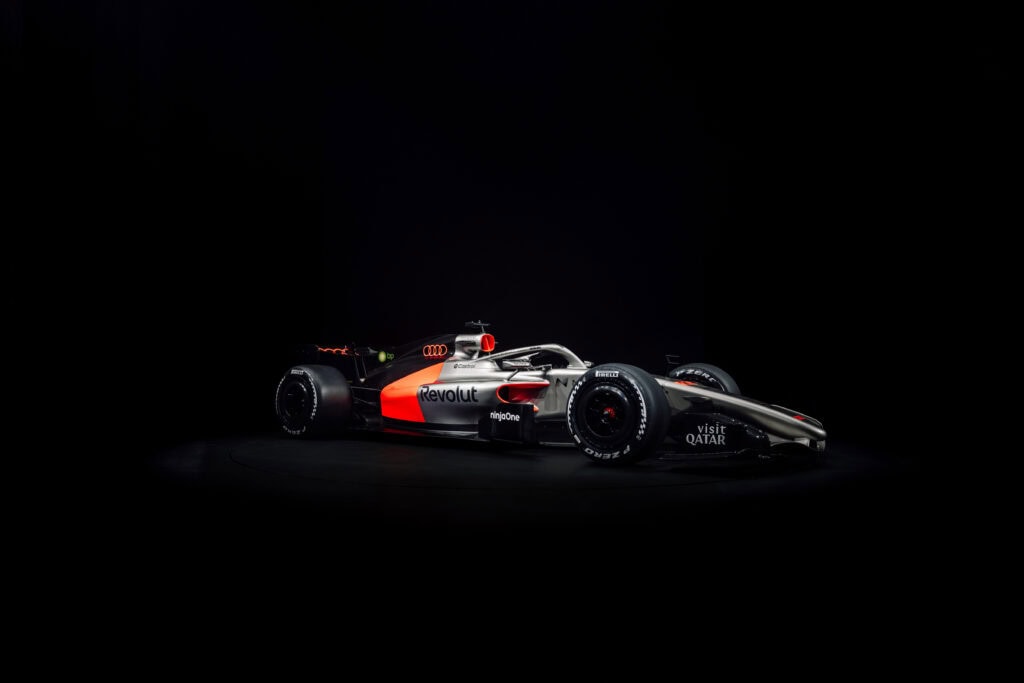
The centerpiece was the reveal of the team’s first full official livery for its inaugural season: the Audi R26 race livery, with prominent branding for its title partner, Revolut. Audi described the design philosophy in familiar terms: clear, technical, intelligent, emotional. The finish choices do some of that work for them — a signature Titanium look contrasted with exposed carbon fibre, plus Lava Red accents. In plain English, it’s meant to look engineered, not decorative.
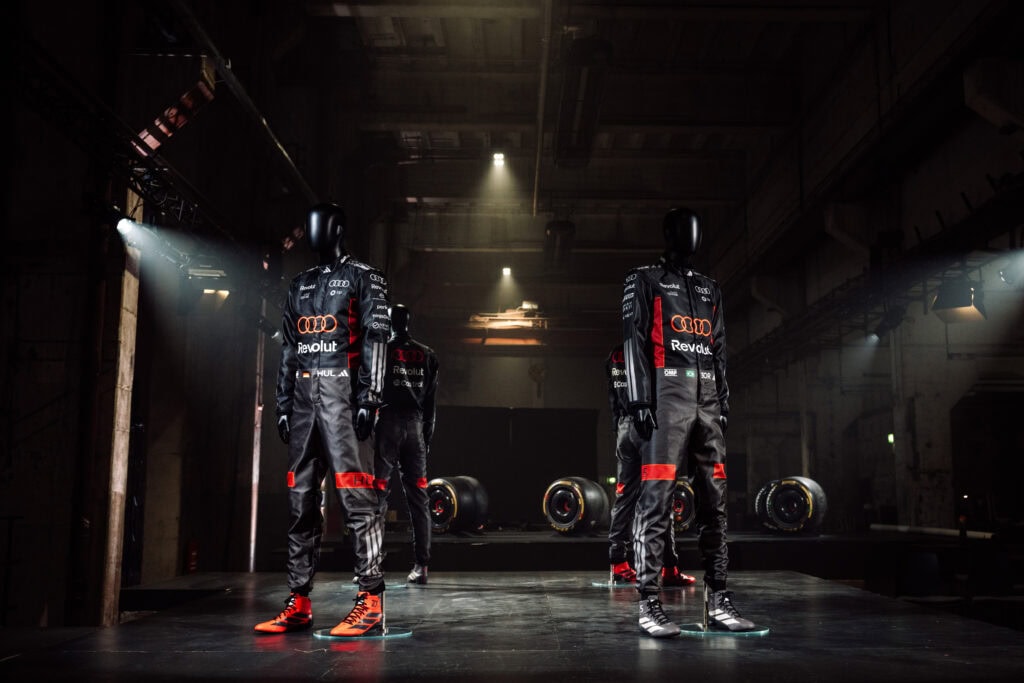
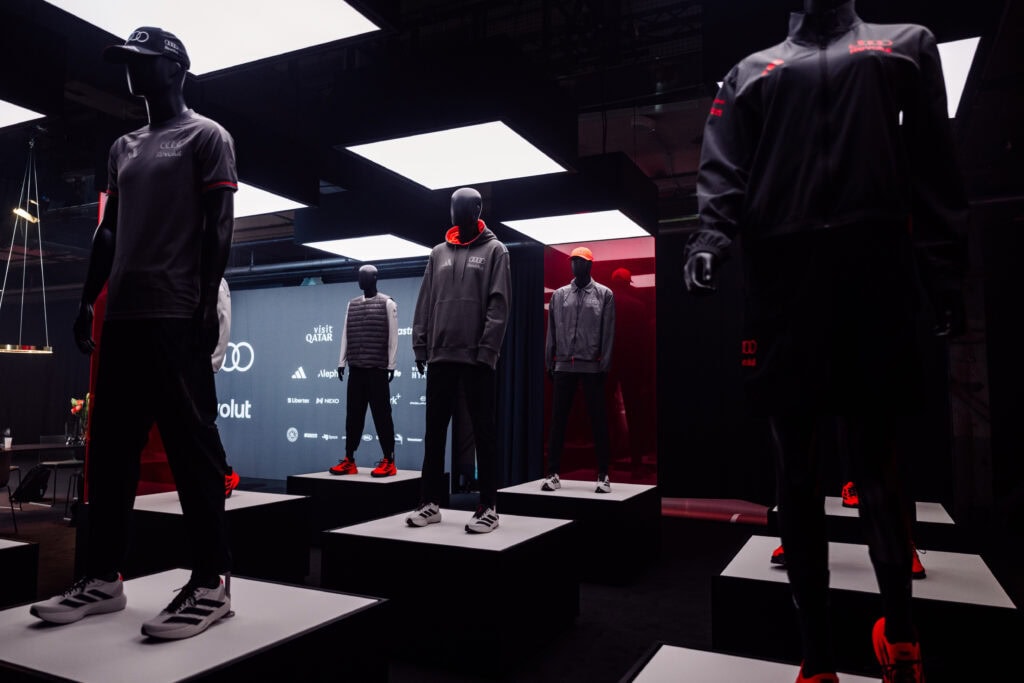
What matters more than the color palette is the intent behind it. Audi says this visual identity doesn’t stop at the car. It’s meant to carry through everything you’ll see on a race weekend: team apparel, the design of the motorhome, and the look of the pit garage. That’s how brands behave when they’re treating motorsport as a multi-year identity platform, not a one-off sponsorship exercise.
And then there’s the most telling quote of the day. Gernot Döllner, Audi CEO and Chairman of Audi Motorsport AG, framed this project as “a catalyst” for the company, tied to a transformation toward a more performance-driven, efficient, innovative culture — and explicitly called it a long-term commitment. If you want Audi’s public-facing brand anchor for that “Vorsprung durch Technik” ambition, the clean corporate reference is Audi.
The other reason it matters now is timing. Audi has been preparing for this for years, and now the narrative shifts from “plans” to “execution.” Once the livery is public, the countdown becomes real. Every on-track session is now part of a visible journey.
If you’ve been following Audi’s technical progress into this moment, you may enjoy reading Audi F1 2026 fire-up: the milestone that matters, which focuses on the difference between a program existing on paper and a full car system coming alive under real deadlines.
You May Also Like: Hot Wheels f1 movie die cast car with Brad Pitt Livery
How does it compare to rivals or alternatives?
Most teams do launches. Few make the launch itself feel like a product.
The current Formula 1 field is packed with sophisticated brands that understand presentation: slick videos, dramatic lighting, a driver interview, and a carefully controlled reveal. Audi’s Berlin event pushed further into what I’d call “multi-brand activation” — not just showing a car, but turning the venue into a shared stage for the team’s partners and identity.
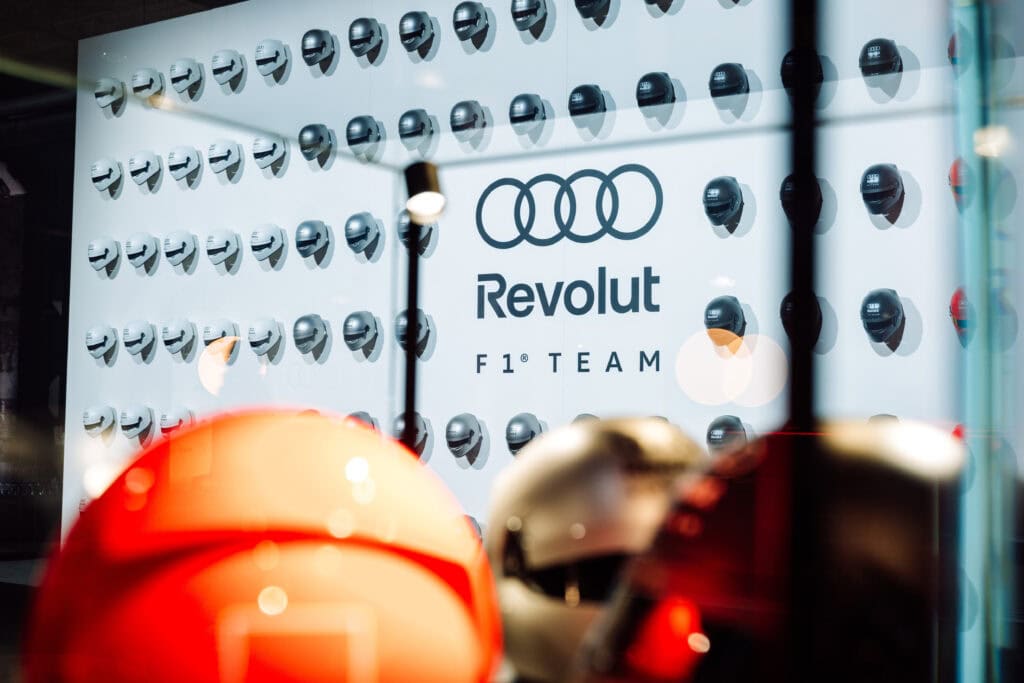
Revolut wasn’t just a logo on the sidepod; it was part of the experience. Guests had the chance to design their own Revolut card on site, and Audi hinted that more joint activations will roll out from Melbourne onward. This is the modern model: the title partner is not merely paying for space, but participating in the story. If you’re curious what the partner itself presents as its core proposition, the official reference is Revolut.
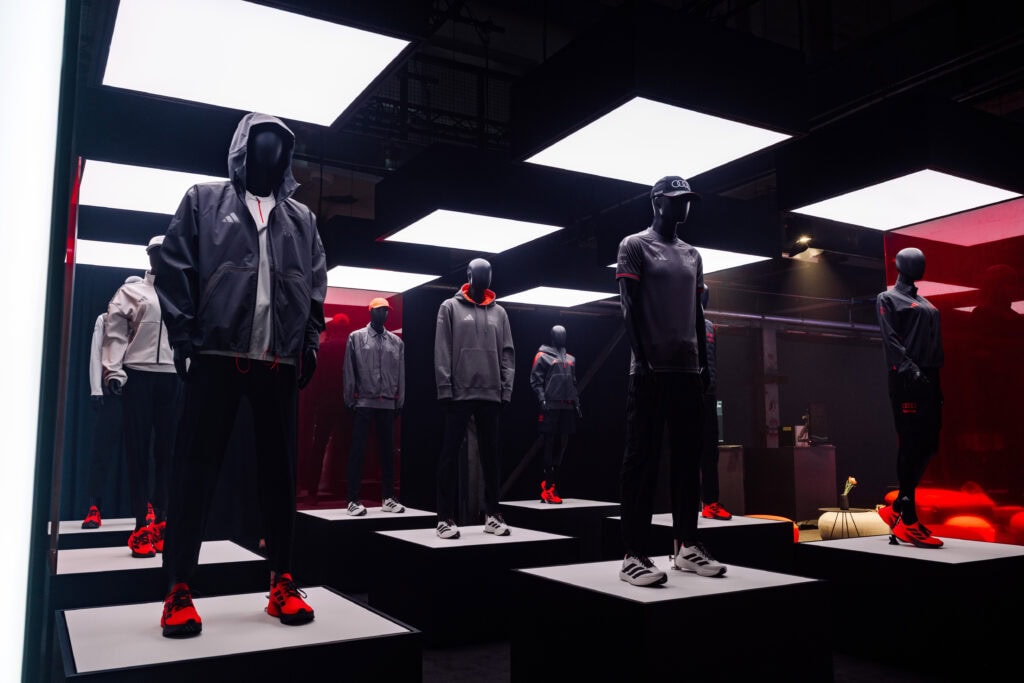
Adidas is another tell. Audi revealed bespoke adidas contemporary teamwear, shown by drivers Nico Hülkenberg and Gabriel Bortoleto. Teamwear used to be purely functional and sponsor-covered. Now it’s part of the lifestyle layer that extends Formula 1 beyond the paddock and into everyday culture. Audi and adidas are clearly aiming for “you could wear this even if you don’t watch every race,” and the brand’s own baseline home for that is adidas.
Compared to rivals, the most meaningful differentiator Audi is highlighting is the “works team” positioning — entering Formula 1 with full factory intent and emphasizing integration across facilities and leadership. Whether or not that proves decisive on track is a longer conversation, but strategically it’s Audi telling you: this is not a marketing sticker job; it’s a built-from-the-ground-up engineering program.
The fair, balanced counterpoint is simple: other teams also have deep infrastructure, strong talent, and years of operational muscle memory. Audi is starting a new chapter publicly, but it’s still at the beginning of proving that its structure can convert into results under race pressure. Formula 1 is unforgiving. Big ambition and high competence are necessary — and still not always sufficient.
And if you’re trying to compare “big racing programs” as a way of decoding what they mean for road cars, it helps to look beyond one brand. For another angle on how racing pressure can echo into everyday product thinking, you may also enjoy Robotaxis in 2026: Are We Ready for Driverless Cities? — not because robotaxis are the same as Formula 1, but because both are examples of how mobility narratives become real only when they survive operational reality.
Who is this for and who should skip it?
This is for you if you like seeing where a brand is headed, not just what it’s selling today. It’s also for anyone curious whether Audi can translate its motorsport heritage into a modern global platform, and for readers who care about the business side of the car world — partnerships, culture shifts, product identity — and why a fintech partner and a sportswear partner matter in the same sentence as a race car.
You should skip it if you only care about road cars in the most literal sense — pricing, trims, specs — because this reveal didn’t provide consumer vehicle details and it’s not pretending to. You might also skip it if you’re allergic to brand theater. This was an immersive spectacle by design, and even though it carries information, it still lives in the world of presentation.
For a grounded reminder of why everyday ownership realities still matter even when brands are chasing big moments, you may enjoy That New Car Is $6,400 More Expensive. Here’s Why. It’s a useful counterweight: the driveway still has the final vote, no matter how glamorous the launch looks under stage lighting.
What is the long-term significance?
Audi is telling you it wants Formula 1 to reshape the company, not just promote it.
That’s the big zoom-out takeaway. Döllner framed the project as a company-wide catalyst and set a target of fighting for the World Championship by 2030. That timeline matters because it implies a sustained build: recruitment, processes, iterative learning, and the slow creation of what team leadership described as a championship-grade culture.
In the broader automotive landscape, this is also a reminder that “the future of cars” isn’t only EV range and charging networks. It’s identity, software culture, and engineering credibility in a world where brands are competing for attention and trust. Formula 1 is a public laboratory — not always in direct technology transfer, but in organizational discipline and speed of decision-making. If you want the governing body’s public-facing umbrella for how global motorsport regulation and oversight is framed, the reference point is the FIA.
Audi’s launch also shows how modern mobility brands are blending categories. A fintech title partner. A global sportswear partner. A fan event accessed via ballot. An e-commerce platform with an integrated payment method launching alongside teamwear. This is not the old model where you watched a race and maybe bought a jacket. It’s an ecosystem strategy.
And there’s a subtle cultural signal too: Audi is building its Formula 1 identity with a deliberate design philosophy — Titanium, carbon fibre, Lava Red, clean structural lines — and then extending that into every touchpoint. If that consistency holds, it can sharpen how people perceive Audi road cars over time: more technical, more intentional, more performance-led.
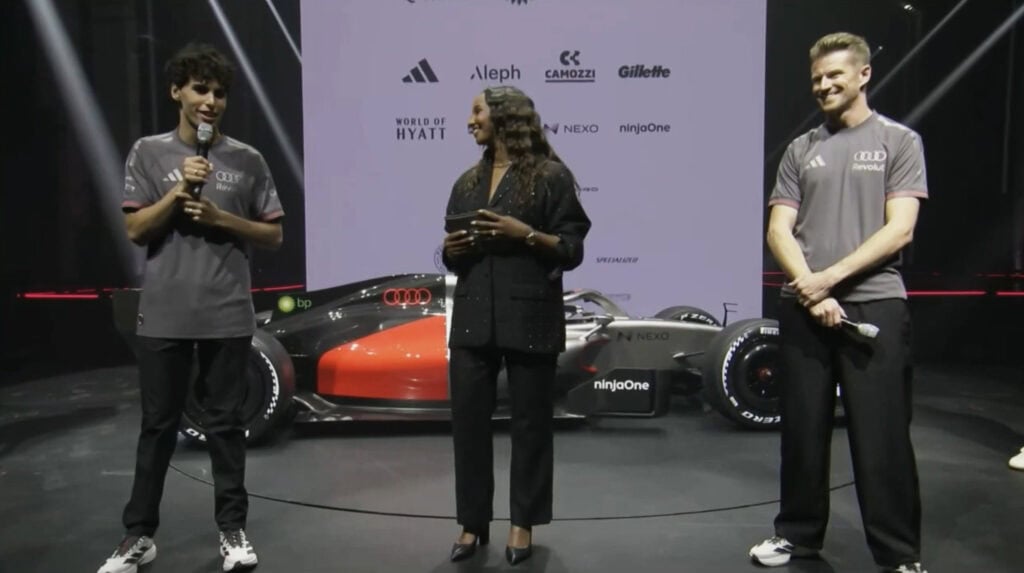
Drivers often reveal the emotional truth behind these programs. Nico Hülkenberg talked about distinguishing ambition from capability and said what he felt was seriousness and energy — and he pointed to the attraction of being at the start of Audi’s journey. Gabriel Bortoleto framed it as carrying Audi’s motorsport legacy into Formula 1 and called it a dream. Those aren’t lap times, but they are indicators of how the team wants to be experienced: not as a novelty entry, but as a long-term project with real expectations.
The calm conclusion is this: launches are easy; execution is rare. Audi’s Berlin debut felt like a company drawing a line in the sand — not for one season, but for a seven-year climb. Whether you’re an F1 fan or just a car person watching the industry shift, that’s worth noticing.