Cars Are Now on Faster Networks Than Their Drivers
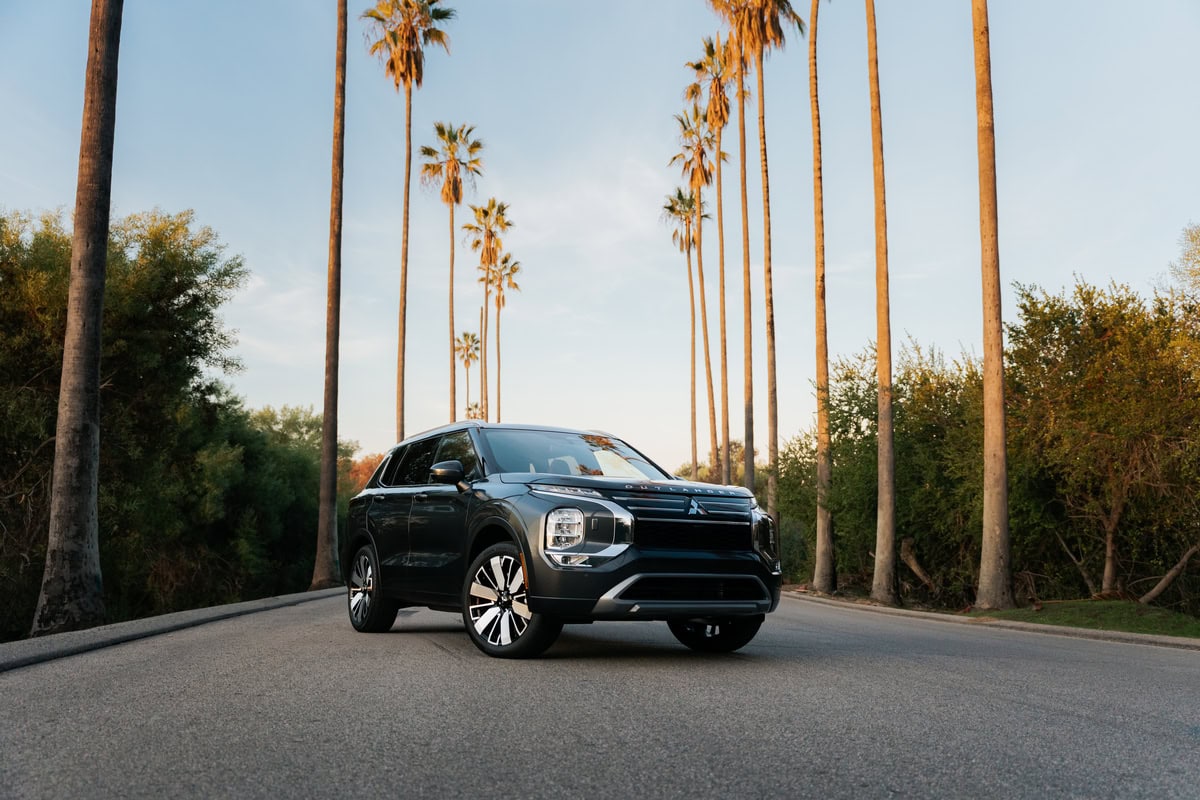
Cars increasingly use embedded 5G while most Americans still rely on 4G phones, reshaping how vehicles stay connected, updated, and relevant.
Why your next car may already be ahead of your phone
We tend to assume our smartphone is the most technologically advanced object we carry. Increasingly, that assumption no longer holds. Modern vehicles are quietly moving onto faster, more capable networks than many Americans actively use on their phones.
This matters because connectivity is no longer a convenience feature in cars. It is becoming foundational to how vehicles function, update, and remain secure over time.
Why does this matter right now?
The United States currently lives across multiple generations of mobile connectivity. While 5G coverage has expanded rapidly, a significant portion of daily mobile phone usage still happens on 4G LTE. Devices often default to LTE for battery efficiency, stability, or hardware limitations.
Cars, however, do not operate like phones. A momentary slowdown on a phone might mean a buffered video. In a vehicle, it can affect navigation accuracy, remote diagnostics, over-the-air software updates, and the responsiveness of connected services.
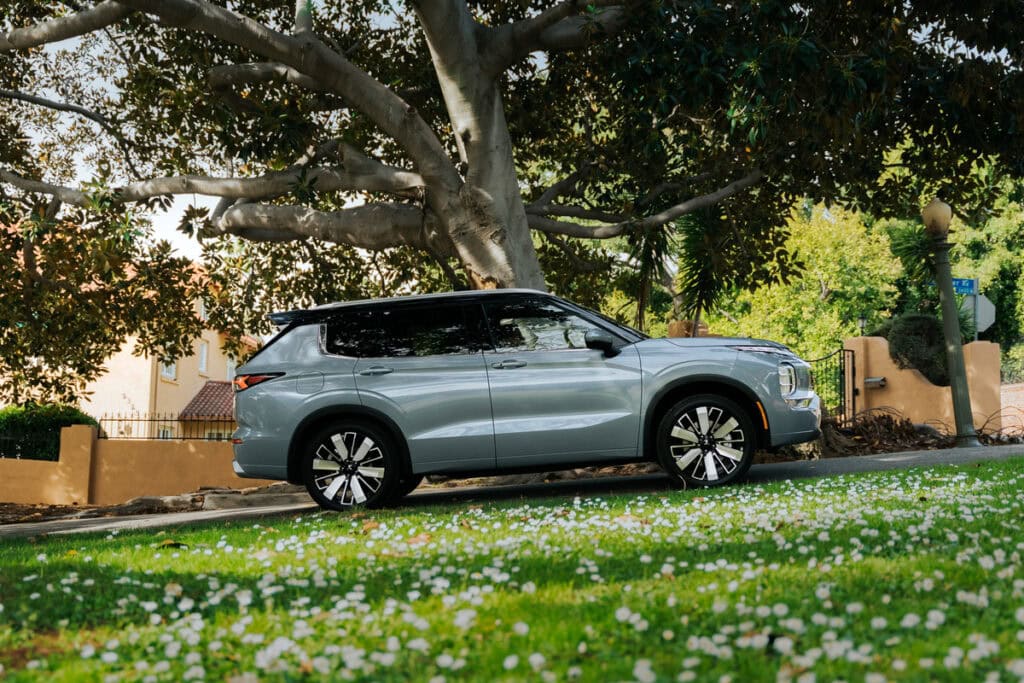
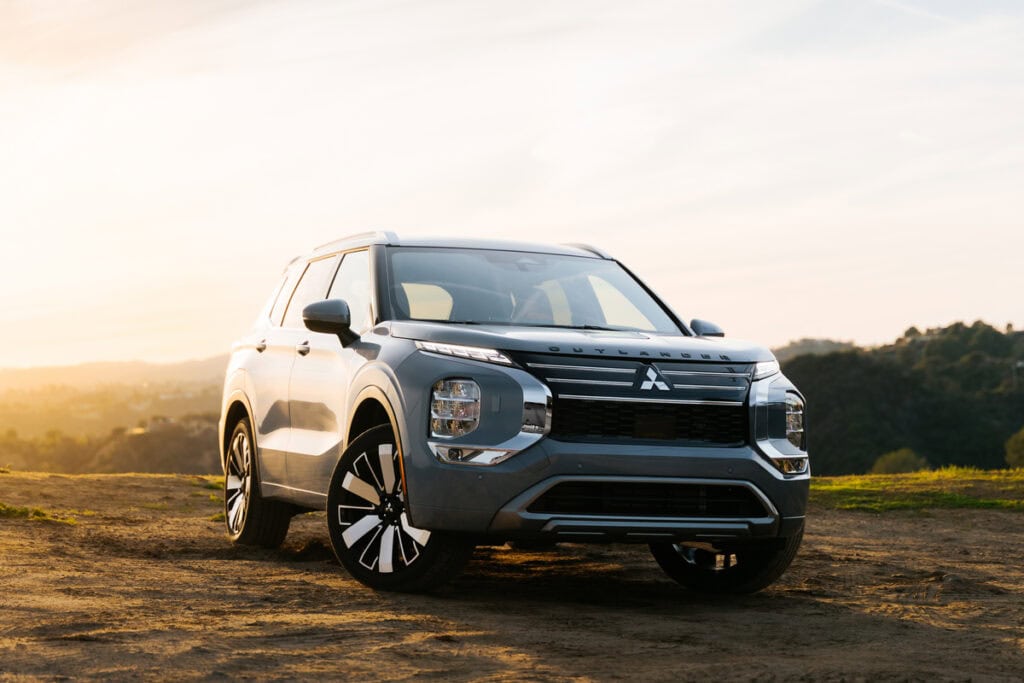
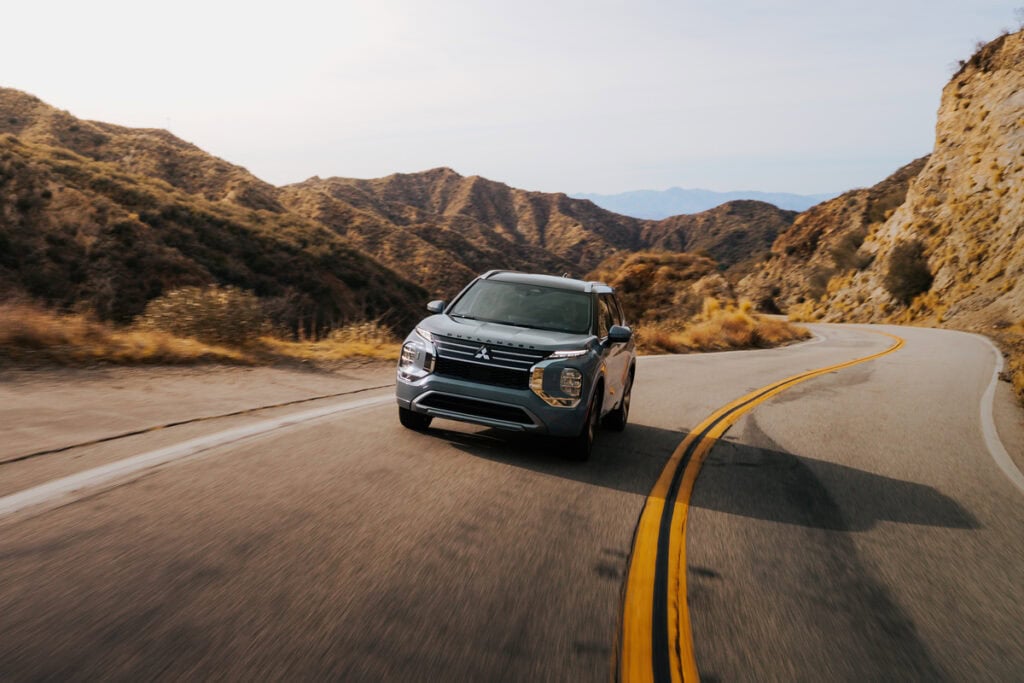
Mitsubishi’s decision to embed AT&T 5G directly into the 2026 Outlander reflects this shift. Rather than relying solely on smartphone connections, the vehicle itself becomes a fully connected platform capable of faster updates, more responsive support systems, and improved long-term reliability.
This timing matters because the gap between how people casually use mobile data and what vehicles increasingly require from networks is widening. Cars are evolving into always-connected systems whether drivers consciously think about connectivity or not.
How does it compare to rivals or alternatives?
Mitsubishi is not alone in moving toward higher-speed embedded connectivity. Several automakers already rely on LTE or early 5G systems to power connected services. Others lean heavily on smartphone mirroring to deliver infotainment while minimizing in-vehicle hardware complexity.
Smartphone-dependent systems remain effective for media and familiar app access, but they tie vehicle performance to individual devices, data plans, and usage habits. Embedded LTE systems improved independence but now face long-term limitations as networks evolve.
You may also like: Queen Elizabeth II’s Land Rover & Range Rover Fleet
By integrating 5G directly into the Outlander’s architecture, Mitsubishi positions the vehicle for greater bandwidth, lower latency, and longer service relevance. While some competitors may offer richer digital ecosystems or more advanced proprietary software, this approach balances capability, longevity, and mass-market accessibility.
You may also like: Five Deal-Breakers That Stop You From Buying a New Car
Who is this for and who should skip it?
This matters most for buyers who plan to keep their vehicles longer than a typical lease cycle. A car designed around modern connectivity standards is more likely to remain functional and secure over years of ownership.
Families, commuters, and drivers who rely on accurate navigation, real-time traffic data, and seamless infotainment benefit most from embedded connectivity that operates independently of individual phones.
Drivers who view vehicles strictly as mechanical tools and avoid connected features may notice fewer day-to-day advantages. Even then, background benefits such as security updates and system improvements still apply.
You may also like: Kia unveiled the 2027 Telluride ahead of the LA Auto Show
What is the long-term significance?
Long term, this shift signals a fundamental change in what vehicles are expected to be. Cars are no longer static products locked to their original specifications. They are evolving platforms that must adapt over long ownership cycles.
As carriers phase out older network technologies and concentrate on next-generation infrastructure, vehicles built on modern connectivity standards will age more gracefully than those anchored to outdated systems.
You may also like: Toyota’s Future Mobility Shift: Walking Chair to New Corolla
The irony is that cars may soon become the most advanced connected devices many people own, not because drivers demanded it, but because the complexity of modern vehicles requires it.
Mitsubishi’s collaboration with AT&T illustrates this quiet transformation. It is not about flashy technology demonstrations. It is about ensuring vehicles remain relevant, secure, and usable in a rapidly changing digital landscape.
You may also like: Hyundai’s U.S. Momentum: Five Years Of Growth And A $26 Billion Bet
Ultimately, this is not a story about faster streaming. It is about designing vehicles that can keep up with the world they operate in, long after the novelty of a new phone has faded.