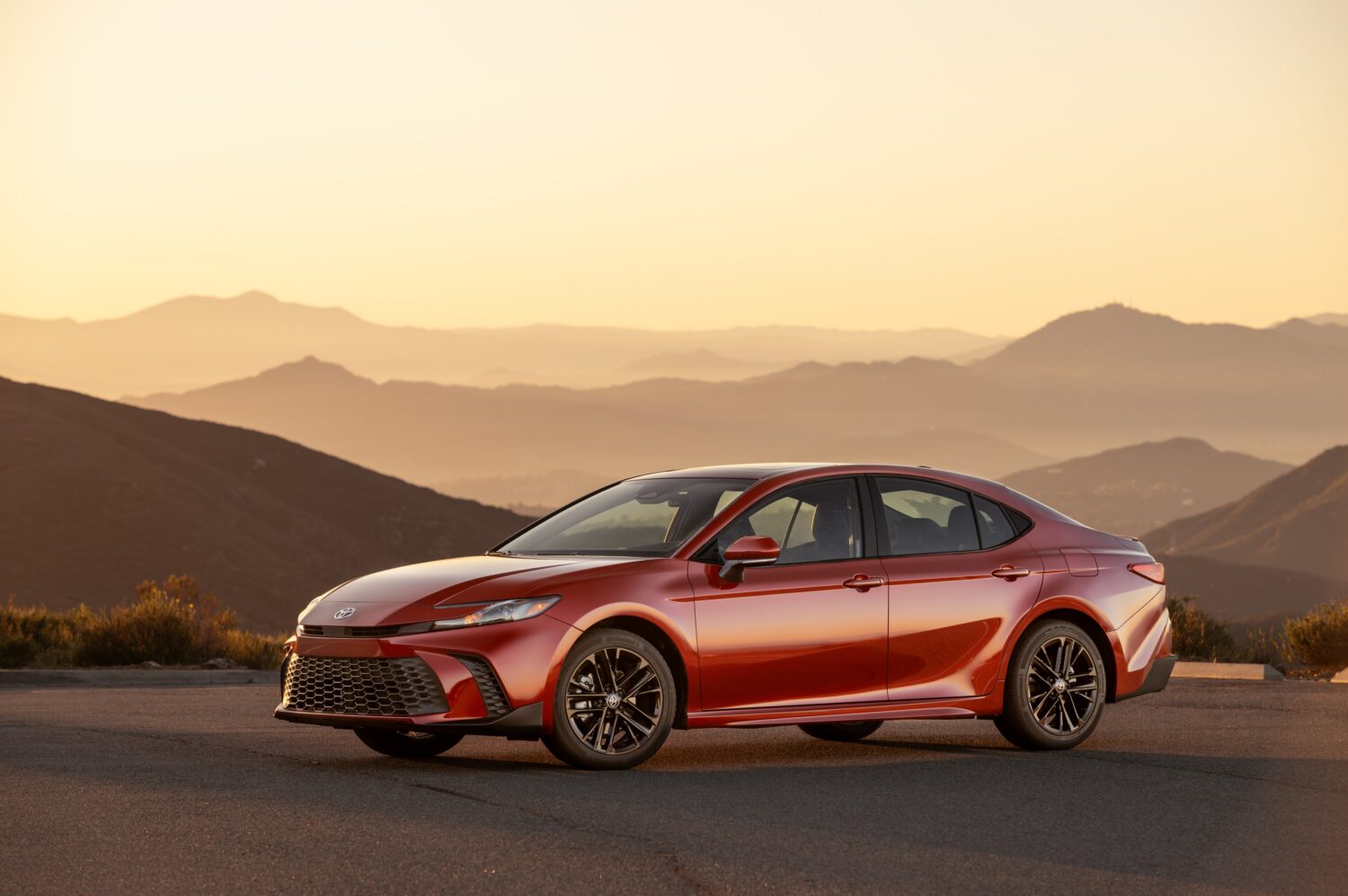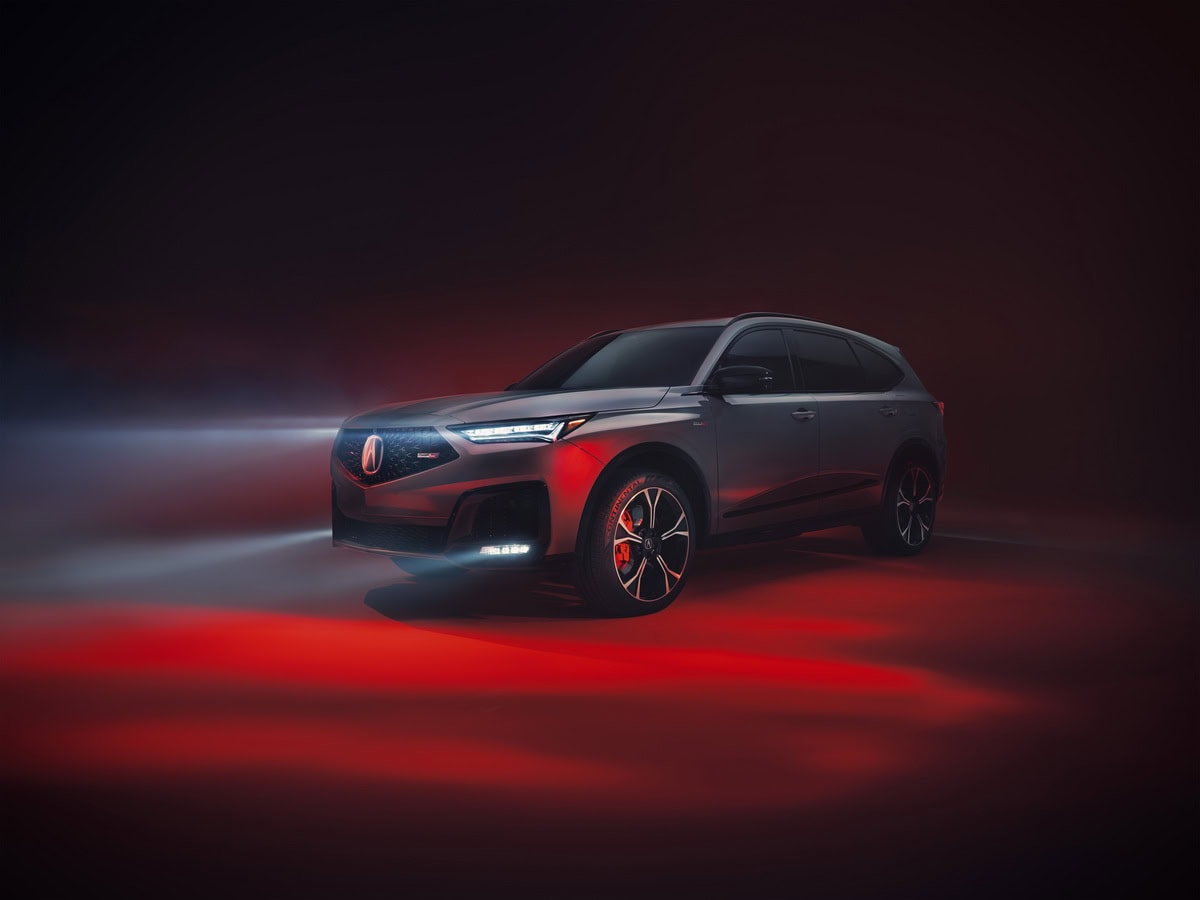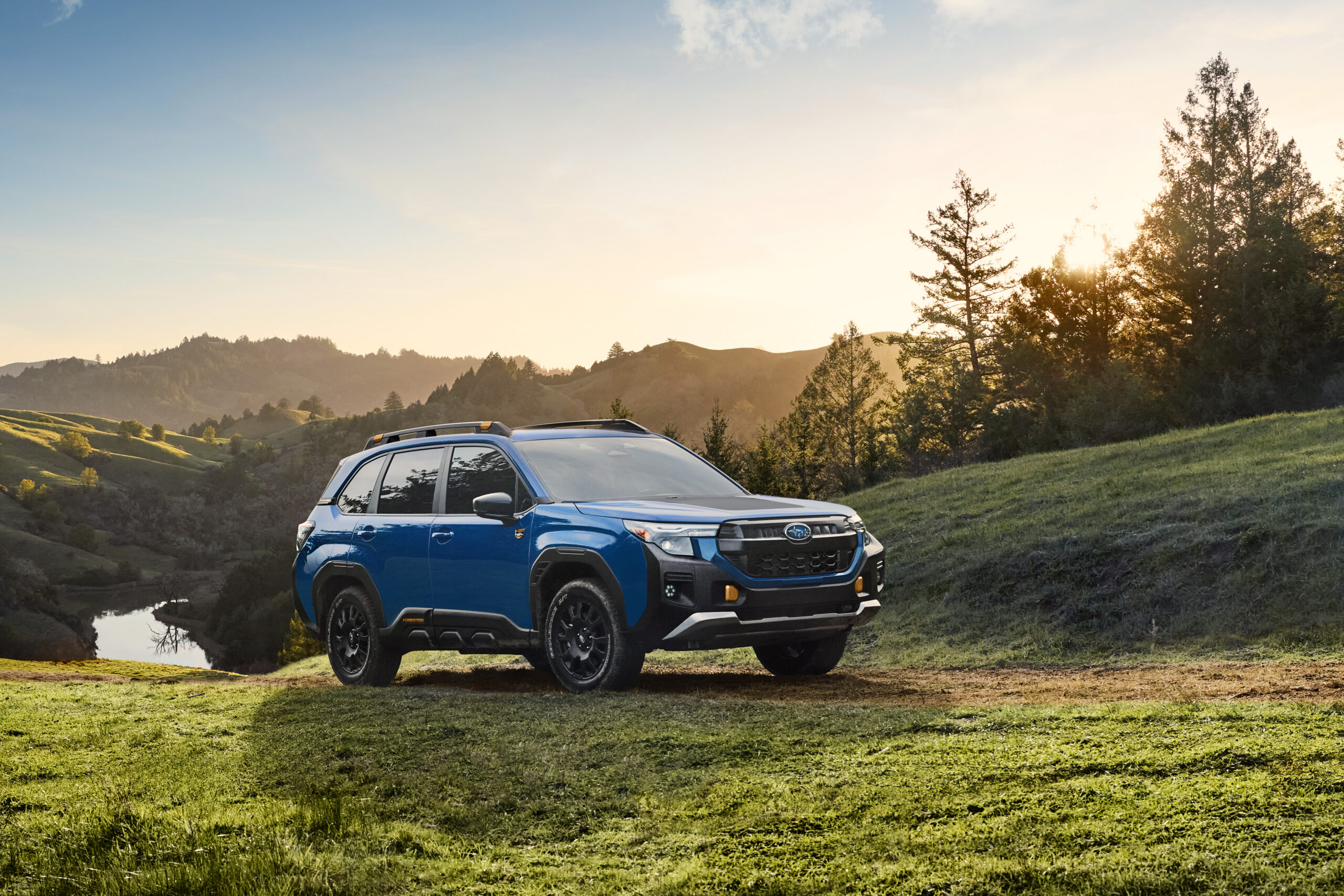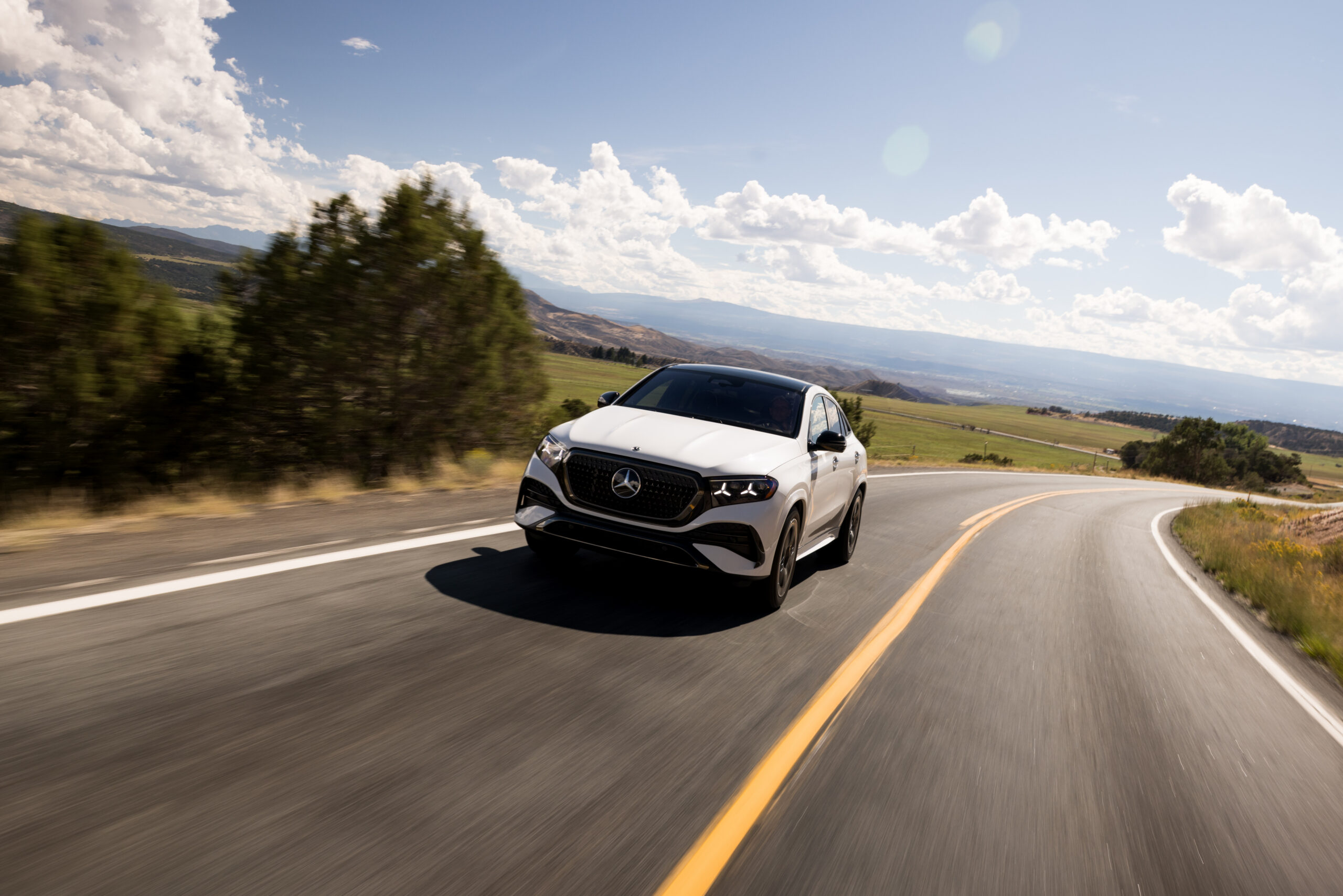
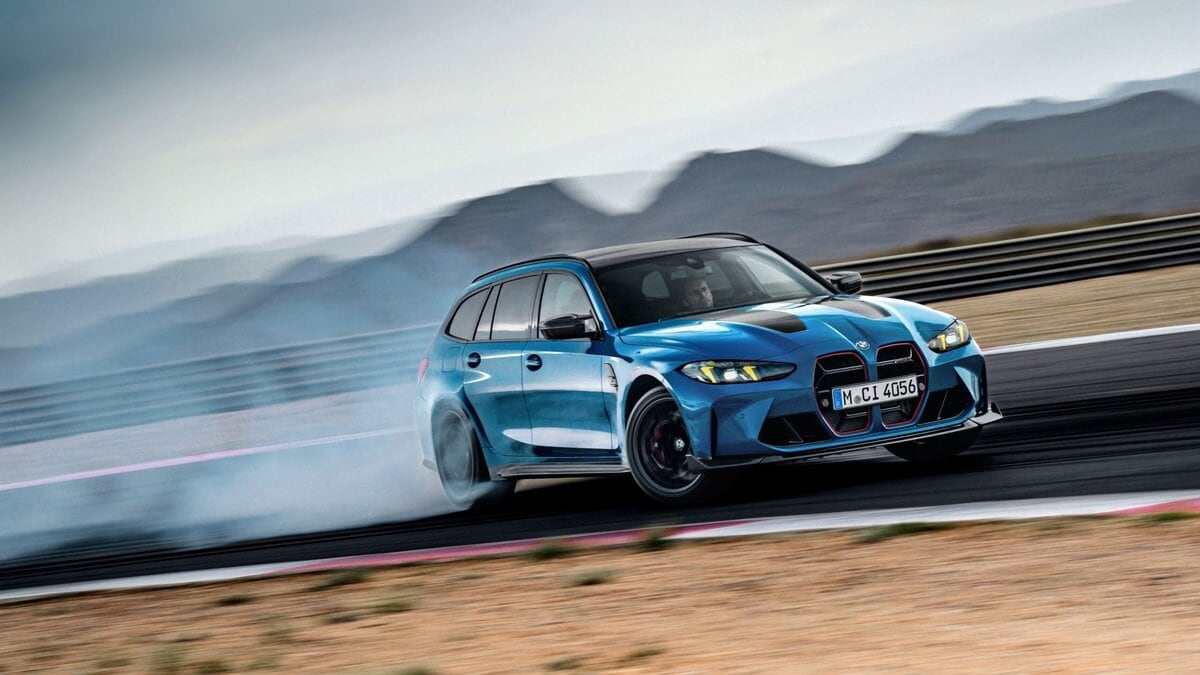
Five beautiful cars that still stop people mid-sentence with real design, real presence, and just enough irrationality to remind us why we like cars.
Why does this matter right now?
I’ll start with the blunt part. Beauty in car design is getting harder to buy. Not because designers forgot how to draw beautiful cars, but because modern cars are being asked to do everything at once. They need to protect you in a crash, sip energy, hide giant batteries, meet aero targets, satisfy pedestrian-impact rules, and still look “fresh” for a marketing cycle that feels shorter than a phone contract.
That’s why I like this list. It isn’t five cars that are merely expensive, or fast, or rare. It’s five cars that still feel deliberately composed—proportion, surface, stance, and the emotional handshake a car offers when you see it in motion. If you strip away the spec sheet, would you still want to stand there and look at it? If the answer is yes, it’s a beautiful car and belongs here.
And since you’re reading Test Miles, you already know we’re living through a moment where cars are increasingly sold as “systems” rather than objects. That’s why I keep thinking about how brands choose to talk to people, not just what they build—something that came through clearly in Toyota’s Super Bowl Spots Remind us to Celebrate the Journey, where the story was memory and meaning, not a spec-sheet scream.
My rolling studio for this kind of thinking is the BMW M5 Touring. It does 0–60 in 3.4 seconds, hauls dogs, groceries, and dignity, and still looks like a grown-up object rather than a loud accessory. Under the hood, a twin-turbo 4.4-liter V8 paired with an electric motor produces 717 horsepower and 738 pound-feet of torque, while offering up to 25 miles of electric driving for quiet urban travel.
Beauty isn’t about speed. It’s about presence, proportion, and restraint. Which is why this list matters.
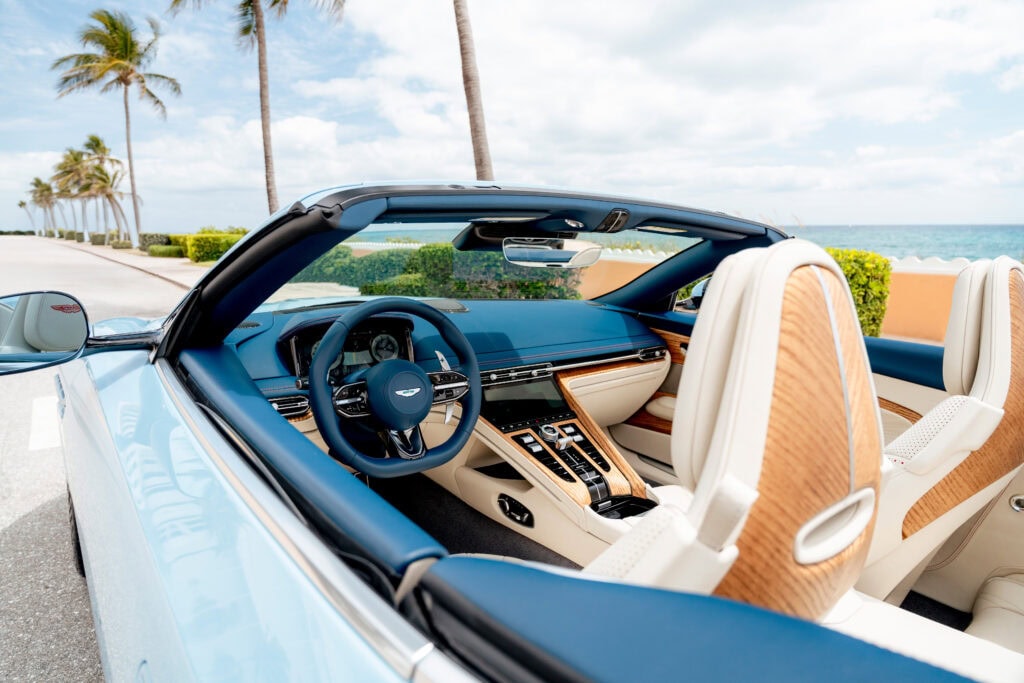
How does it compare to rivals or alternatives?
Rolls-Royce Spectre leads because it’s presence, scaled properly. Built on Rolls-Royce’s bespoke aluminum architecture, Spectre uses a 102-kilowatt-hour battery, delivers about 260 miles of range, and achieves a drag coefficient of just 0.25—the most aerodynamic Rolls ever built. Rear-wheel steering, adaptive air suspension, and nearly 4,700 pounds of sound insulation create one of the quietest cabins you’ll find in anything with a license plate. It starts at $420,000, and every Spectre is built to order, with starlight fiber-optic doors, hand-veneered woods, bespoke leathers, and paint finishes that can require months of craftsmanship. If you want an outside reference point for how mainstream outlets frame the Spectre’s calm power and luxury, Car and Driver’s overview of the Rolls-Royce Spectre is a useful baseline.
Audi RS6 Avant is beautiful like an athlete in a tailored suit: 621 horsepower, 3.3 seconds to sixty, and zero interest in subtlety. Its twin-turbo V8, mild-hybrid assist, torque-vectoring all-wheel drive, rear-wheel steering, and adaptive air suspension deliver supercar pace with everyday usability. Wide arches, aggressive lighting signatures, oval exhaust outlets, and massive wheel packages give it a stance normally reserved for touring race cars. It’s the sort of design confidence that makes you understand why rally and road-car culture keep feeding each other—something worth watching in WRC Could Return to America as U.S. Motorsport Booms, because motorsport doesn’t just influence engineering; it shapes what “cool” looks like.
BMW M5 Touring lands in the middle because it’s the most usable kind of beautiful. Combining plug-in hybrid performance, adaptive dampers, predictive traction management, and rear-wheel steering, BMW delivers a wagon that feels athletic, composed, and surprisingly elegant. Inside, curved digital displays, high-resolution graphics, multi-density seating foam, and precision switchgear elevate both visual appeal and daily usability. If you want a more numbers-forward external take on how this wagon balances speed and mass, MotorTrend’s first test of the BMW M5 Touring captures the tension well.
Aston Martin DB12 is British elegance that doesn’t shout. It clears its throat politely. With 671 horsepower and a claimed 202 mph top speed, it has the pace, but the design is the point: sculpted aluminum body, massive signature grille, and a flowing roofline that feels timeless rather than trendy. A 30-percent increase in chassis rigidity allows softer baseline suspension tuning, delivering grand-touring comfort with precise handling response. For an external perspective from a major enthusiast publication on how the DB12 carries itself as a modern super-GT, Road & Track’s tested drive of the Aston Martin DB12 is a solid reference.
Lamborghini Huracán STO closes the list because it represents a disappearing kind of beauty: loud, naturally aspirated theatre. With 631 horsepower, carbon-fiber construction, extreme aerodynamics, magnesium wheels, and race-derived suspension tuning, it’s track-level grip and visual drama turned into a road-legal object. It also matters because it’s one of the last naturally aspirated V10 supercars before electrification permanently reshapes the segment. When you’re thinking about how electrification changes what “special” feels like in daily life, it’s worth keeping one eye on how entry-level EVs are being made more approachable for real buyers, as explored in 2026 Nissan Leaf Makes Switching to an EV Simple and Worry-Free for First-Timers.

Who is this for and who should skip it?
This is for the person who still cares how a car makes them feel when they see it, not just how it performs in a spreadsheet comparison. If you’re someone who notices proportion, who can tell the difference between “busy” and “beautiful,” and who doesn’t need a car to be loud to be meaningful, this list is for you.
It’s also for the practical enthusiast—someone who wants to enjoy beautiful design without abandoning daily life. That’s why the RS6 Avant and M5 Touring matter so much. They’re proof you can have beauty and utility without defaulting to a tall, anonymous shape just to get space.
If you only value measurable efficiency—maximum range per dollar, lowest cost of ownership, the newest infotainment features—this may feel indulgent. Beauty is not always rational. It’s not supposed to be. If you want purely rational, you’ll end up in a very competent appliance, and there’s nothing wrong with that. It’s just a different goal.
And since we’re talking about what actually moves people, not just what moves metal, it’s hard not to notice how advertising and culture keep steering taste—sometimes brilliantly, sometimes absurdly—like the wonderfully odd reminder in Jeep Cherokee Meets Big Mouth Billy Bass In Ad Before Super Bowl that car design is only half the story; the other half is how people are taught to feel about it.

What is the long-term significance?
Designers today battle regulations, efficiency targets, and cost pressure to preserve proportion, visual harmony, and emotional impact. That makes creating a beautiful design decision, not an accident. In the real world, those same pressures show up in how buyers think about safety, too, and it’s worth remembering that “beautiful” isn’t a substitute for “safe”—which is why tools like NHTSA’s vehicle safety ratings exist as a reality check alongside the emotion.
Twenty years from now, no one will remember torque curves. They’ll remember how these cars looked, how they felt, and the way they made people stop and stare—because beauty ages better than numbers. These five represent a moment when engineering logic and emotional design still shared equal footing: a silent electric Rolls that still feels like a Rolls, wagons that embarrass supercars while hauling real life, a grand tourer that understands restraint, and a naturally aspirated V10 that exists as theatre.
The calm closing thought is this: as the industry pushes toward software, automation, electrification, and efficiency, we’re going to need beauty more, not less. Not because beauty is practical, but because it reminds us that cars have always been about more than practicality. If you want a sober, government-backed lens on the “numbers” side of the modern car (and how those numbers are presented to normal people), FuelEconomy.gov is still the cleanest place to ground yourself.
And if you want a reminder that design has to survive real life—mud, dogs, groceries, weather, and all the little indignities that don’t show up in studio photos—read Audi Q5 dog-friendly SUV: a real-world dog test. Beautiful cars matter, but cars that look right while life happens matter even more.