How Your Car Could Prevent 12,000 Drunk Driving Deaths a Year

New driver monitoring systems are stepping up with cameras and sensors that watch for things like drowsiness or distraction. Now they’re adding alcohol detection to the mix to help prevent drunk driving. It’s not about punishing drivers. It’s about preventing tragedies before they happen.
This latest development feels like a natural next step. It builds on features we already trust, like lane-keeping assist and blind-spot monitoring. Road fatalities are still high and regulators are pushing for smarter solutions that fit into daily drives. Technology is a great way to accomplish that goal.
What draws attention to this topic right now is how it ties into everyday life for so many people. Whether it’s commuting to work, shuttling kids to soccer practice, or taking the dog for a vet visit, the idea of a car that helps ensure everyone’s safe by reducing drunk driving is compelling. Recent announcements from tech firms show it’s not just theory. It’s something heading toward production lines soon.
You may also enjoy this: The New S-Class Is Mercedes’ Answer to Tesla’s Hype
Why does this matter right now?
Drunk driving remains a stubborn problem on American roads. It claims around 12,000 lives each year according to federal data from the National Highway Traffic Safety Administration (NHTSA). That’s one drunk driving death every 45 minutes. The statistic hits hard when you think about the families left behind and the lives forever changed.
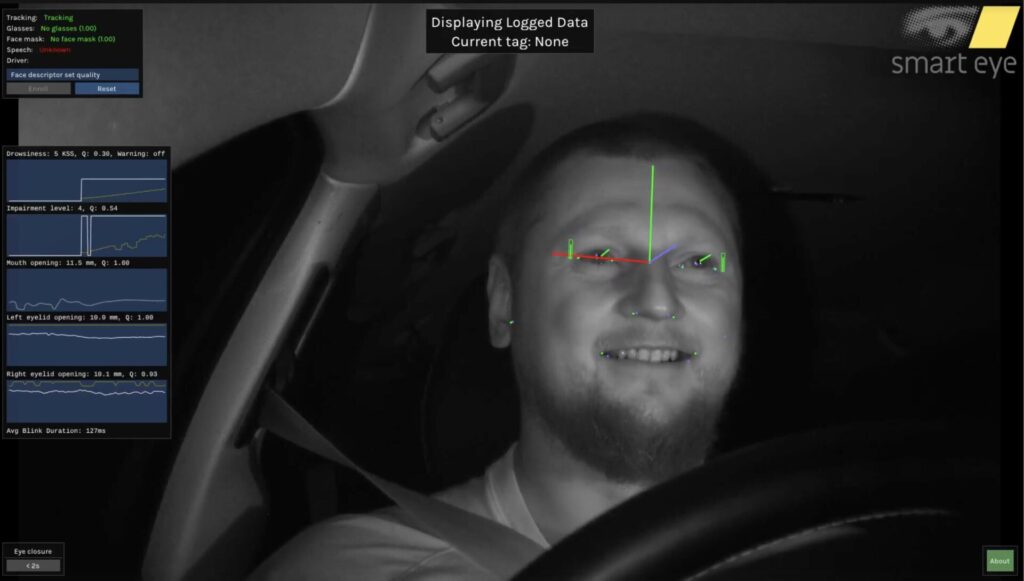
New technology from Smart Eye, a leader in driver monitoring, has secured deals with a major Japanese automaker. Alcohol impairment detection will appear in its vehicles starting in 2028 to help reduce drunk driving. This isn’t an invasive breathalyzer you blow into before you can start the engine because the court is monitoring your behavior.
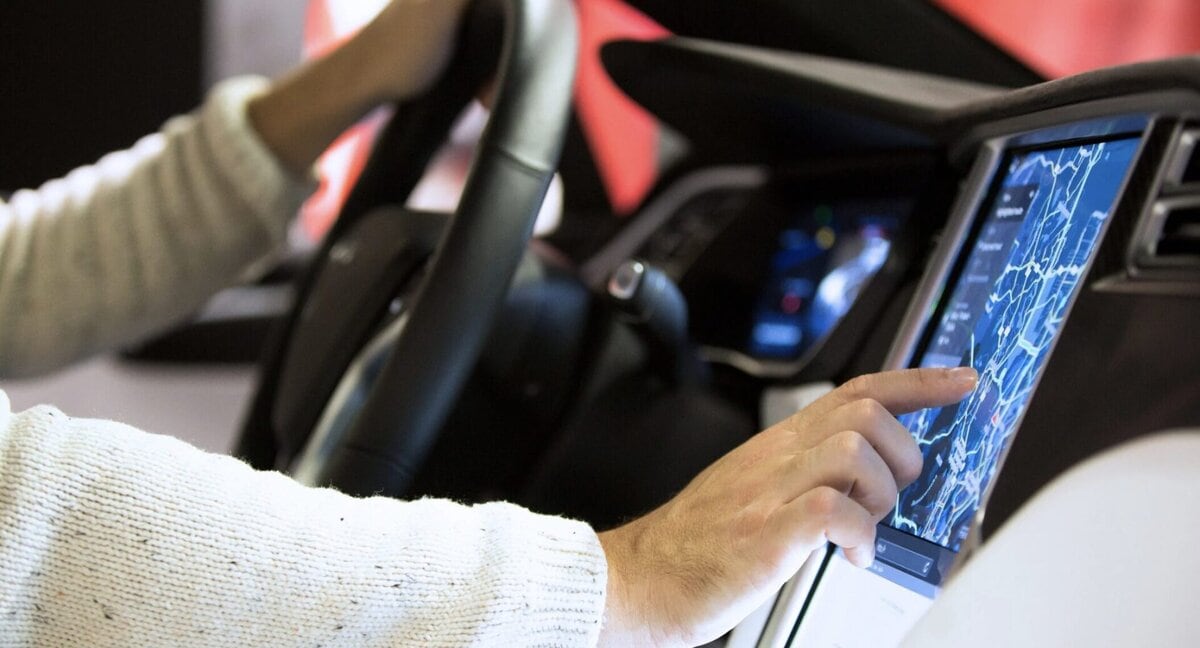
It’s a passive system that uses eye-tracking cameras and infrared sensors to spot signs like pupil dilation or erratic steering that might indicate impairment from drunk driving for all of us. Rather than waiting for someone to break the law and then start monitoring, this can prevent people from getting on the road in the first place.
Although this isn’t something that is in the U.S. right now, it matters because regulators are on a similar path. The 2021 infrastructure law directed NHTSA to develop standards for advanced drunk driving prevention tech in all new cars by around 2027. That’s next year. NHTSA’s rulemaking process is advancing, so this could roll out here sooner than expected in new cars.
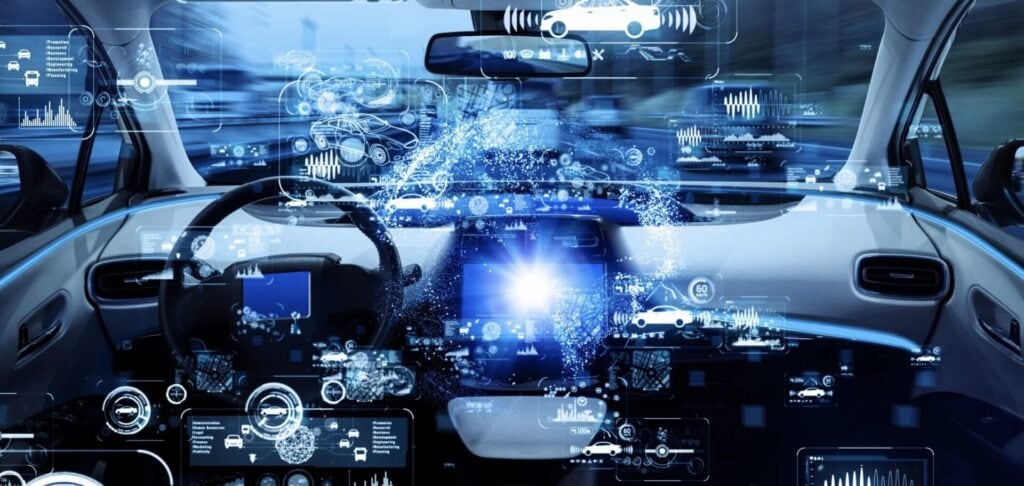
Imagine the impact. There could be fewer crashes, lower insurance rates, and greater peace of mind for parents whose teens are just starting to drive. It’s especially relevant now as post-pandemic travel surges and awareness campaigns ramp up.
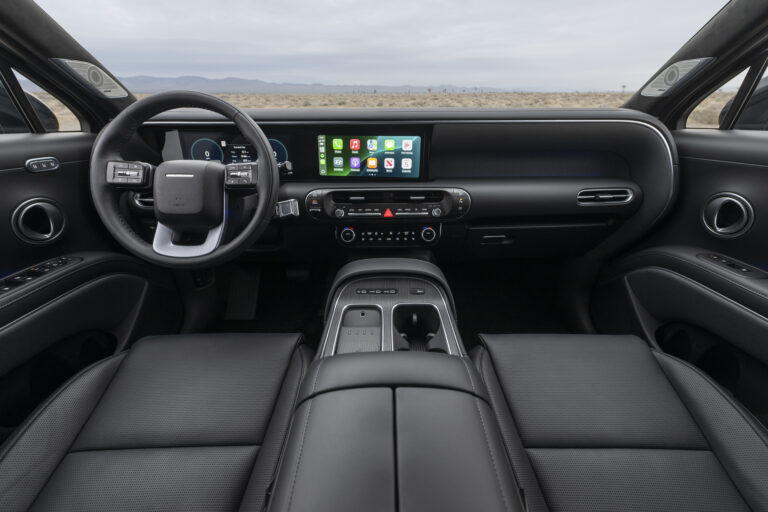
This is technology you won’t even see with no extra gadgets to clutter the cabin. It’s not just about alcohol either. These systems often bundle in fatigue detection. That helps on long hauls when the coffee wears off and you might accidentally start to doze off. No one intends to drive impaired, but if somehow you do get behind the wheel when you shouldn’t, these systems can help keep you and everyone else on the road safe.
You may also enjoy this: Why the Mercedes-Benz S-Class Still Matters

How does it compare to rivals or alternatives?
Current alternatives like court-mandated ignition interlocks require breathing into a tube every time the car starts. That feels clunky and stigmatizing for everyday use and it only targets those with a history of drunk driving. Smart Eye’s approach stands out because it’s built into dashboard cameras already common in many modern vehicles.
It doesn’t demand active participation. It monitors passively, much like how a phone’s facial recognition unlocks without a fuss. Rivals in the space, such as eye-tracking systems from companies like Seeing Machines or Tobii, focus mainly on drowsiness and distraction. Adding alcohol detection elevates the game.
This integration could give an edge to automakers adopting it early with Japanese brands leading the charge overseas before it hits US shores. Compared to voluntary smartphone apps that estimate blood alcohol levels, this in-car tech is more reliable. It’s tied directly to vehicle controls.

Think about it versus traditional sobriety checks at checkpoints. Those are reactive and sporadic. This is proactive. It potentially stops impaired drives at the source and makes sure drunk drivers stop driving.
For buyers eyeing family-oriented SUVs or sedans, it compares favorably to features like automatic emergency braking, which has become standard and saved countless lives. The cost should be minimal once mandated, similar to how seatbelts didn’t break the bank but transformed safety. It’d be hard to imagine not buckling-up today.
For those with pets or active lifestyles, it doesn’t add bulk or maintenance like aftermarket devices might. Overall, this tech feels more advanced and user-friendly than the alternatives. It blends into the drive without fanfare. That’s what sets it apart in a crowded field of safety innovations.
You may also enjoy this: Tesla Ditches Model S and X for Robots: Are Car Companies Becoming Robot Giants?
Who is this for and who should skip it?
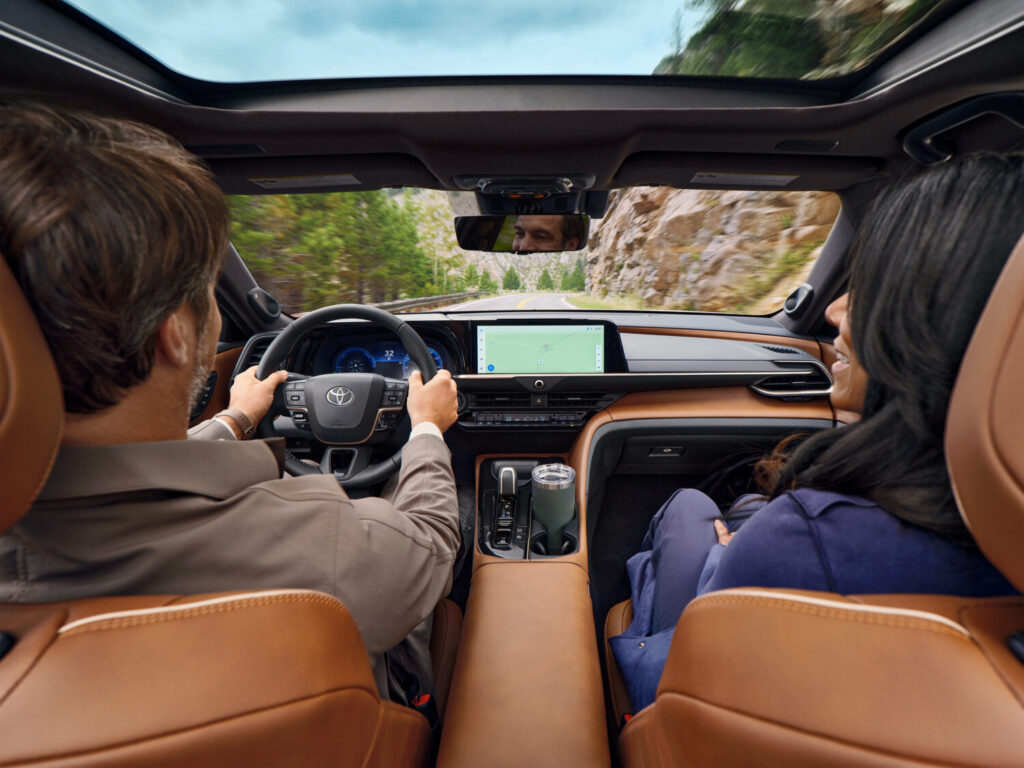
This technology shines for families who prioritize safety above all. It’s especially good for those with young drivers or long commutes where fatigue is a factor. If you’re a parent shuttling kids and the family dog to weekend adventures, the added layer of protection against impaired driving could be invaluable. t’s also ideal for fleet operators, like delivery services or ride-shares. They look to reduce liability and keep roads safer for everyone.
Privacy-conscious drivers who prefer minimal monitoring might find this kind of technology unwelcome. There are concerns about how much it intrudes on our privacy, which is something that will likely be addressed as regulations evolve. But it’s hard to argue that against the potential life-saving impact.
This is for anyone tired of hearing about preventable tragedies on the news. It offers a practical way to contribute to safer highways for everyone.
You may also enjoy this: 2026 Honda Pilot review: the calm family SUV
What is the long-term significance?
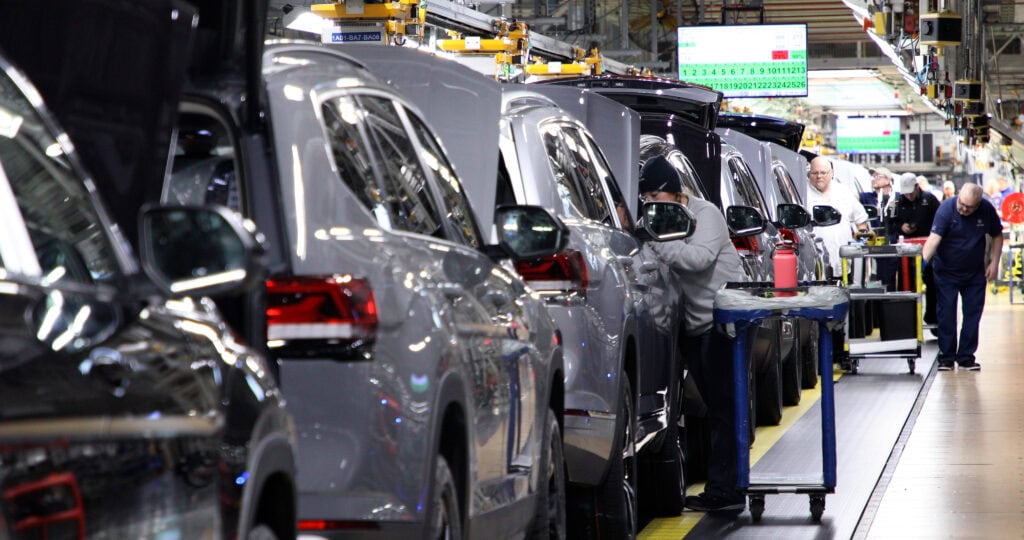
Looking ahead, this kind of tech could reshape road safety much like anti-lock brakes did decades ago. It normalizes prevention over reaction. By potentially slashing those 12,000 annual deaths, it might lead to broader cultural shifts. Social norms around drinking and driving could evolve.
Insurance companies could offer discounts for equipped vehicles to make safer choices more affordable over time. For the auto industry, it signals a move toward AI-driven features that anticipate needs and improve our lives.
Environmentally, fewer crashes mean less waste from wrecked cars and emergency responses. For families, it could mean more worry-free outings, whether it’s a cross-country trip or a quick errand.
Long-term, this isn’t just about one feature. It’s part of a bigger push for intelligent vehicles that protect us in subtle ways. It fosters a future where fatalities from impaired driving become rare. As regulations evolve, expect refinements that make it even more accurate and seamless, as noted in research from the Insurance Institute for Highway Safety and supported by organizations like Mothers Against Drunk Driving.
You may also enjoy this: $240,000 Dreams Fuel America’s Luxury Car Obsession
It’s worth keeping an eye on how this unfolds, especially if you’re in the market for a new ride soon. This tech represents a smart, understated way to make our drives safer. That’s something everyone can get behind.