Lexus Just Broke Its Own Luxury Rulebook With the New ES
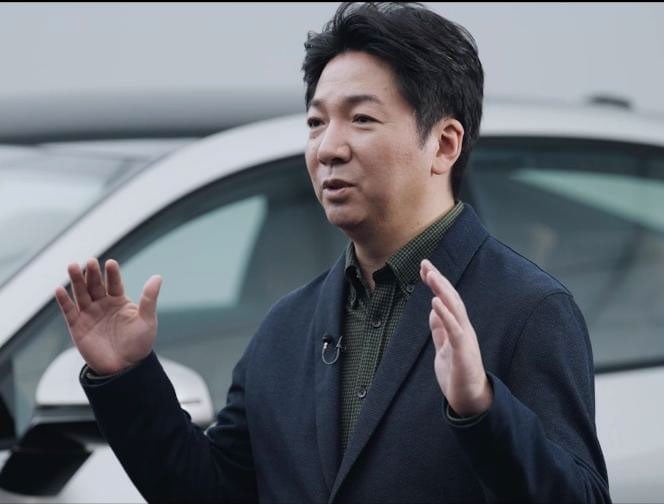
Lexus ES Chief Engineer Kohei Chiashi explains why the new ES broke its own luxury Rulebook
The Big Shift
For decades, luxury cars followed a simple rule: the bigger the sedan, the more important it was.
The flagship sat at the top. Rear-wheel drive carried prestige. Long hoods, big engines, and executive rear seats told the world a brand had arrived. Lexus understood that formula better than almost anyone. The original LS helped launch the brand in America and made established luxury automakers look suddenly nervous.
But now Lexus appears to be rewriting its own rulebook.
The new Lexus ES is no longer just the comfortable, sensible sedan beneath the LS. According to Lexus ES Chief Engineer Kohei Chiashi, the ES now carries a much larger role inside the brand.
“We no longer define a vehicle’s importance by its size,” Chiashi said.
That one sentence changes the whole story.
You may also enjoy: 2026 Lexus ES First Look: Hybrid and Electric Sedan Targets 300-Mile Range
Role Over Size
Lexus is not saying the ES replaces the LS. That would be too simple. What Chiashi is saying is more interesting.
“The role of the ES is not tied to replacing the LS. Each vehicle has its own role within the Lexus brand,” Chiashi said.
That means Lexus is moving away from the old luxury hierarchy where bigger automatically meant better. Instead, a vehicle’s importance is now judged by what it does for the brand and for the customer.
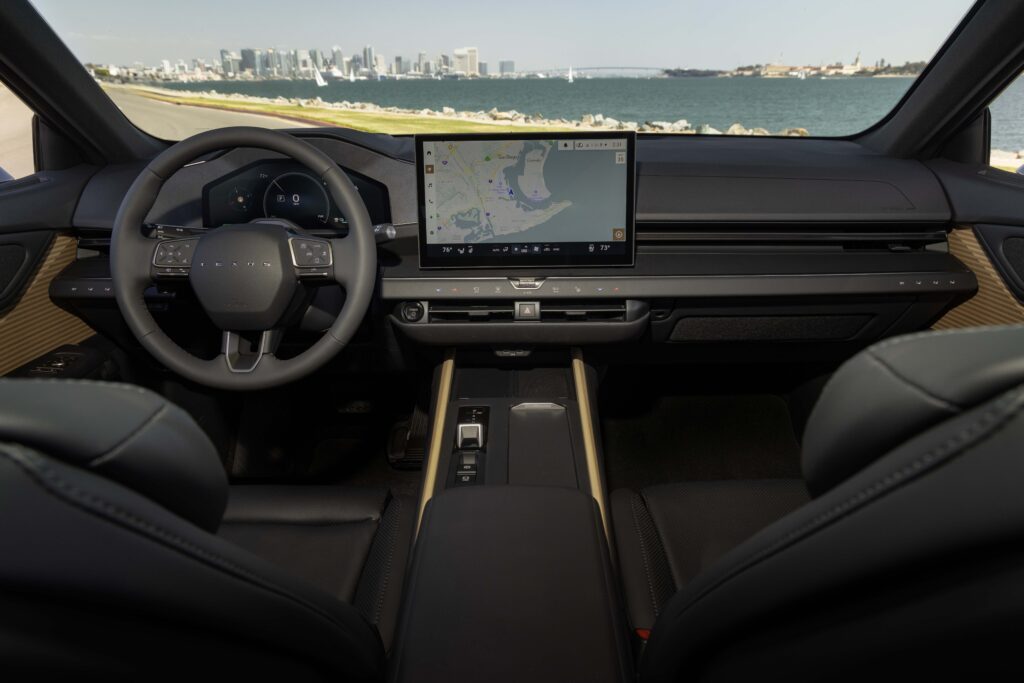
For the ES, that role is increasingly clear. It represents a more human-centered idea of luxury: quietness, comfort, low fatigue, efficiency, and calm confidence rather than old-fashioned status theater.
For readers who want a plain-English explanation of how modern electrified systems fit into this shift, the U.S. Department of Energy explains how a hybrid electric car uses an engine, electric motor, battery, and regenerative braking.
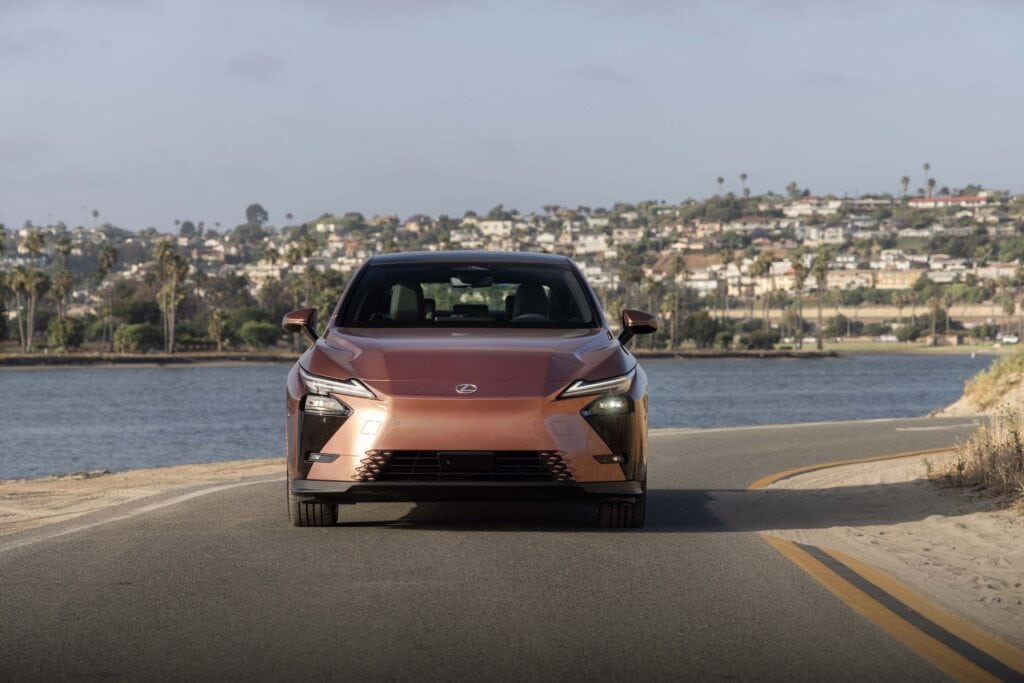
Born In America
Chiashi described the ES as a car shaped heavily by American expectations.
“The ES was born in America from the very beginning,” Chiashi said.
That matters because American luxury buyers use cars differently from many global markets. They spend long hours on highways. They commute across wide metro areas. They care about cabin space, quietness, comfort, and arriving without feeling as if they’ve just completed an endurance event wearing loafers.
Lexus leaned into that.
“Our goal was to preserve the elegant proportions and fatigue-free comfort that define the ES, while evolving the vehicle for a changing market,” Chiashi said.
That phrase — fatigue-free comfort — is the real center of the ES story.
You may also enjoy: 2026 New York Auto Show: What 19 Years of Coverage Reveals
Comfort Becomes Strategy
Modern luxury cars often try very hard to feel exciting. Sometimes too hard. Giant wheels, stiff suspensions, aggressive drive modes, dramatic screens, and fake sporting intent can make a luxury sedan feel less like transportation and more like a tense corporate team-building exercise.
The ES takes the opposite view.
“Long-distance comfort and minimizing fatigue were central priorities throughout development,” Chiashi said.
That is not a small detail. It is the strategy.
Lexus appears to believe luxury buyers are changing. They may still appreciate design, technology, and performance, but many now value peace more than theater. A car that makes life easier may be more luxurious than one that merely looks expensive outside a restaurant.
For broader context on crash and safety development, the National Highway Traffic Safety Administration explains how its 5-Star Safety Ratings evaluate vehicles in frontal, side, and rollover testing.
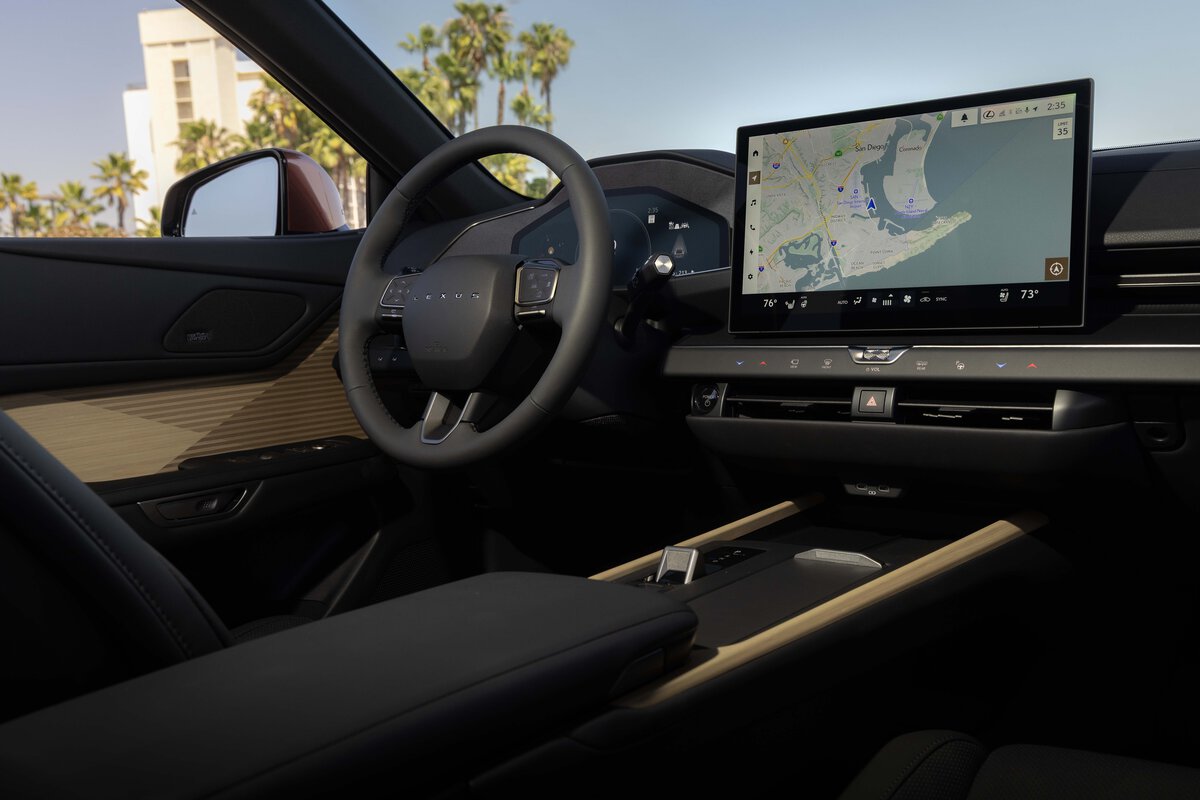
Why The ES Matters More Now
The ES has always been important to Lexus, especially in America. But this new version seems to carry a larger burden.
It is helping define the future Lexus design direction. It is expanding the brand’s idea of what a premium sedan can be. And it is doing all of that without depending on old luxury signals like rear-wheel drive or flagship size.
That makes the ES a surprisingly bold statement.
The old industry logic said a front-wheel-drive luxury sedan could not lead a brand’s identity. Lexus now seems willing to challenge that assumption directly.
The message is simple: luxury is not about mechanical snobbery. It is about how the car makes you feel after 300 miles.
You may also enjoy: 2026 Lexus IS 350: Last Gas Sport Sedan Rebel
The Engineering Challenge
Behind the calm exterior, the ES project was far more complicated than it may appear.
Chiashi said the development team had to preserve a consistent Lexus driving character across different powertrain strategies.
“Creating the same Lexus driving character across multiple powertrains was far more difficult than we initially expected,” Chiashi said.
That is because different powertrains change the entire vehicle. Weight changes. Packaging changes. Crash behavior changes. Center of gravity changes. The way the suspension responds can change. The way the structure absorbs energy can change.
In other words, building one ES is difficult. Building several versions that all feel like the same Lexus is much harder.
The U.S. Department of Energy’s Alternative Fuels Data Center explains electric vehicle and hybrid vehicle basics, including how different electrified powertrains affect vehicle operation.
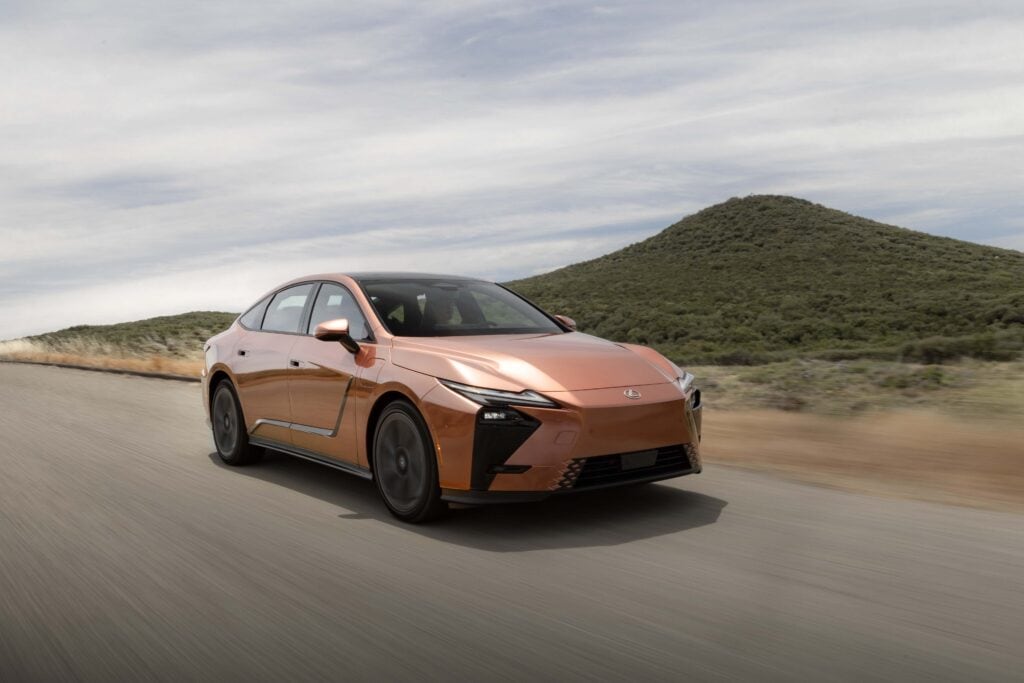
Hybrid And Gas Complexity
Lexus used a multi-pathway strategy for the ES, supporting hybrid and conventional powertrain needs while maintaining a consistent personality.
That sounds sensible in a press release. In engineering terms, it is a migraine wearing a badge.
“Different powertrains created completely different crash behaviors and development challenges,” Chiashi said.
That meant the team could not simply engineer one solution and copy it across the range. Each configuration needed its own testing, validation, and countermeasures.
“The project ultimately required nearly double the testing and prototype work,” Chiashi said.
That detail reveals how much work sits beneath a luxury car designed to feel effortless.
You may also enjoy: 2026 Toyota EV Lineup Finally Fits Real Life
The Human Pressure
The ES program also placed enormous pressure on Chiashi and his team.
“As chief engineer, everything ultimately becomes your responsibility,” Chiashi said.
That is the quiet truth behind every major vehicle program. Styling, engineering, safety, cost, timing, comfort, performance, customer expectations, and brand politics all eventually land on one desk.
For Chiashi, the most stressful phase came when the team finalized the new ES proportions and presence.
“Finalizing the proportions and increased presence of the new ES was one of the most stressful phases of the entire project,” Chiashi said.
That makes sense. The ES had to look more important without pretending to be something it is not. It had to grow in stature while preserving the calm character customers expect.
The Department of Energy also explains regenerative braking and electric-drive basics, useful context for understanding how electrified vehicles manage energy and braking feel.
The Bigger Lexus Message
This story is not really about whether the ES is larger, sleeker, or more advanced.
It is about Lexus admitting that the traditional luxury hierarchy may no longer matter as much as it once did.
The LS still has its place. The LC still has its emotional role. The UX, LM, and other models each serve their own purpose. But the ES is now carrying a more central message: Lexus luxury is becoming less about rank and more about relevance.
That is a smart move.
Luxury buyers are tired. Roads are crowded. Technology is noisy. Life is already full of enough alerts, updates, subscriptions, and small daily irritations to make a person consider moving into a lighthouse.
A car that reduces stress suddenly feels more valuable than one that simply announces status.
You may also enjoy: Why Your Next Truck Just Got More Expensive and Harder to Find
Final Takeaway
Lexus is not abandoning tradition. It is editing it.
The ES shows that Lexus still values quietness, refinement, and long-distance comfort. But it also shows that the company is willing to move beyond old assumptions about size, drivetrain layout, and prestige.
Kohei Chiashi’s comments make the strategy clear. The ES is not replacing the LS. It is doing something different.
It is proving that the future of Lexus luxury may not be the biggest car in the showroom.
It may be the one that understands how people actually live.
For additional consumer safety context, NHTSA provides public New Car Assessment Program resources explaining crashworthiness and crash avoidance testing.