Why Indy 500 Is Nothing Like F1, According to Takuma Sato
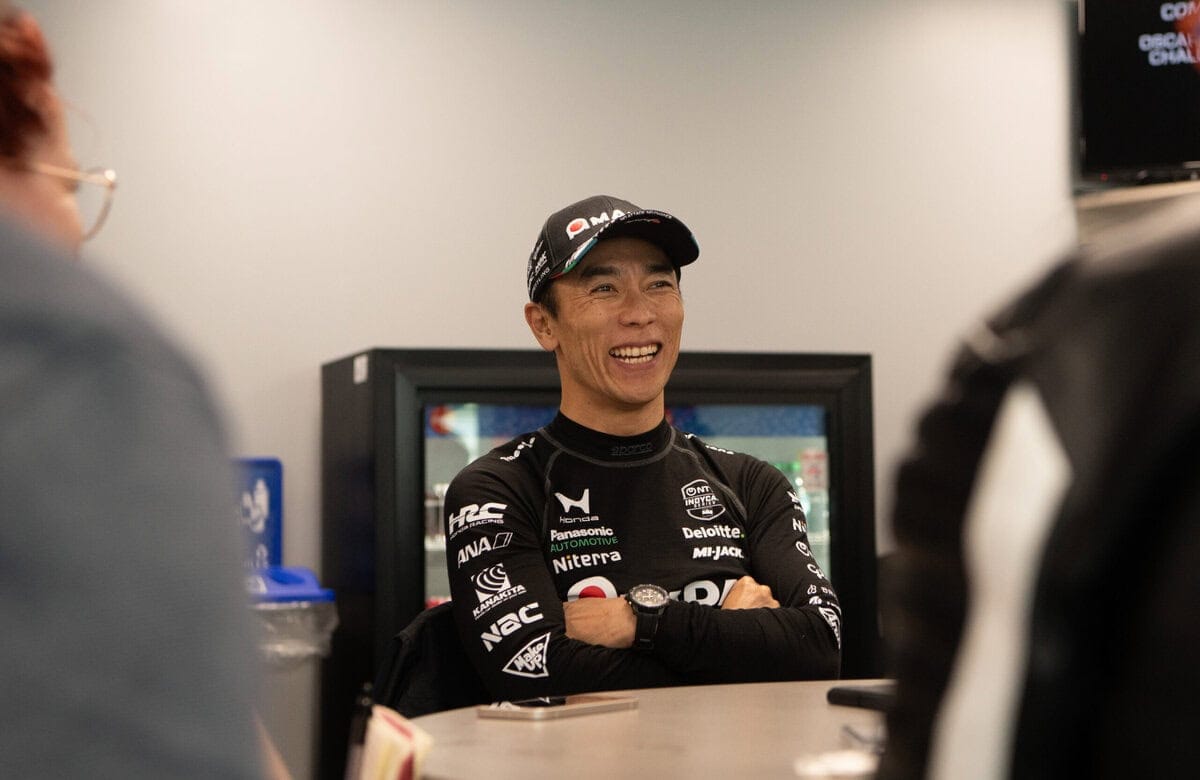
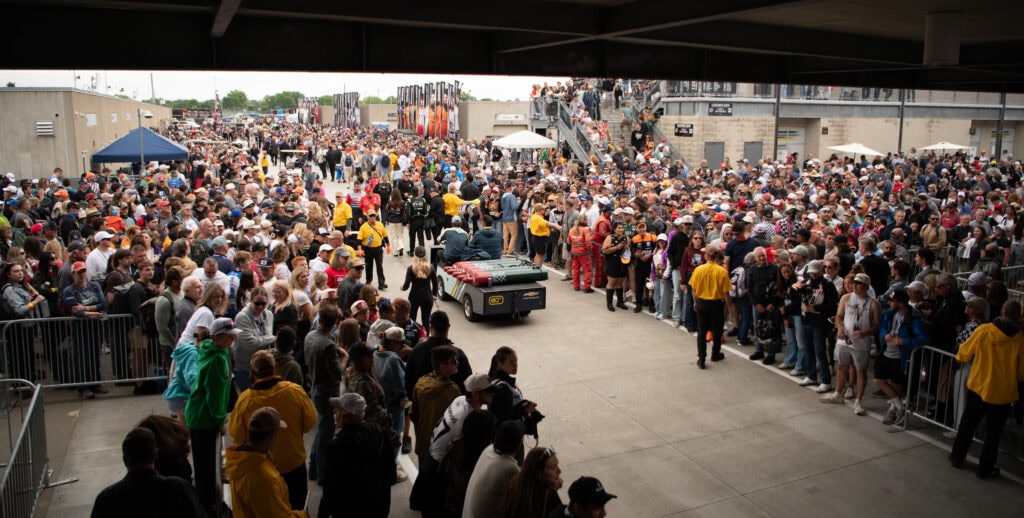
Two-time Indy 500 winner Takuma Sato has raced in Formula 1, competed on some of the world’s most famous circuits, and spent decades in elite race cars. Yet when he talks about Indianapolis, the tone changes completely. “You can hear the people’s noise… over 300,000 people,” Sato said during media interviews ahead of this year’s race. “That is the mega feeling and that is sensational.”
For many racing fans, Formula 1 represents the peak of global motorsport sophistication. But Sato believes the Indianapolis 500 delivers something entirely different, something more emotional, unpredictable, and deeply connected to the fans. “In the 500 it’s nothing like it,” he explained.
You may also enjoy: Why the Indy 500 Still Defines America’s Summer
How the Indy 500 Captured Takuma Sato as a Child in Japan
Sato revealed that he first saw the Indianapolis 500 on television in Japan before he fully understood Formula 1. “I was actually watching Indy 500 before knowing anything,” he recalled.
After progressing through Formula racing in Europe and eventually reaching Formula 1, Sato transitioned to IndyCar in 2010. Even then, he admits he did not fully understand what Indianapolis represented. “I didn’t really quite understand what Indy 500 meaning,” he said.
How New Hybrid Technology Is Making IndyCar Even Spicier
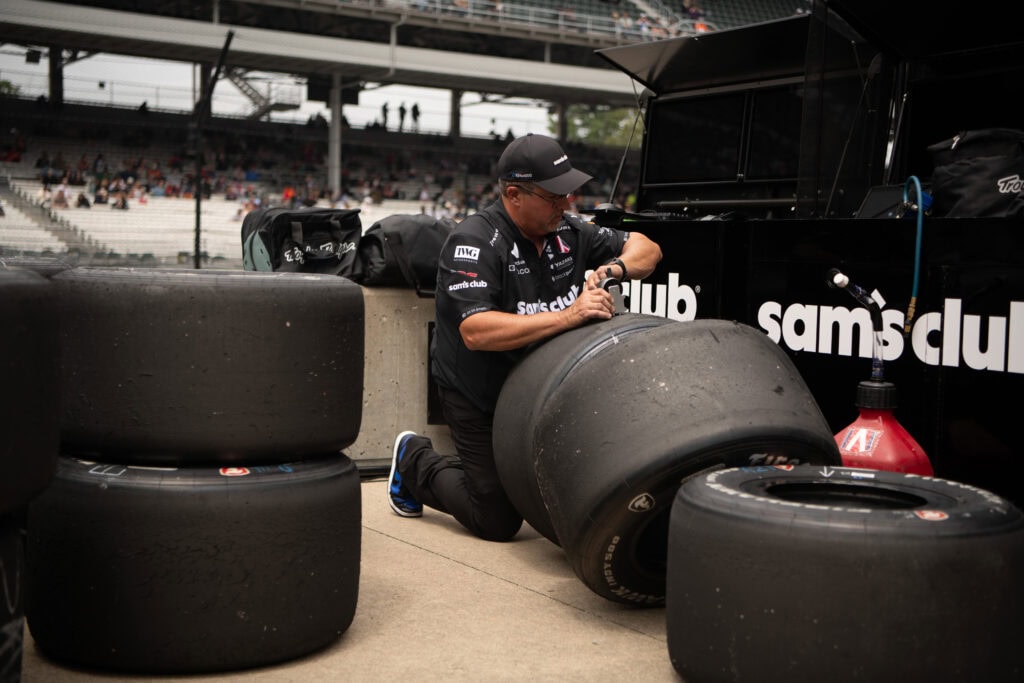
Year after year, Indianapolis revealed itself through experience, the pressure, the strategy, the speed, and the emotional intensity. Unlike many modern races, Indianapolis is not simply about qualifying speed. It’s about surviving 500 miles at over 230 mph while managing traffic, tire wear, fuel windows, and aerodynamic turbulence. “The least mistake you make is probably closest to be the winner,” Sato explained.
Modern IndyCar racing has entered a new hybrid era, adding another layer of complexity to strategy and driver management. Sato described the new system as making racing “more spicy.” Drivers now balance regenerative energy deployment alongside traditional race car elements. The hybrid system differs from Formula 1’s approach, but both categories continue searching for ways to combine performance and efficiency.
You may also enjoy: 2026 Chevrolet Corvette E-Ray Hybrid: The Smartest Supercar Move Yet
How Takuma Sato Became a National Hero in Japan
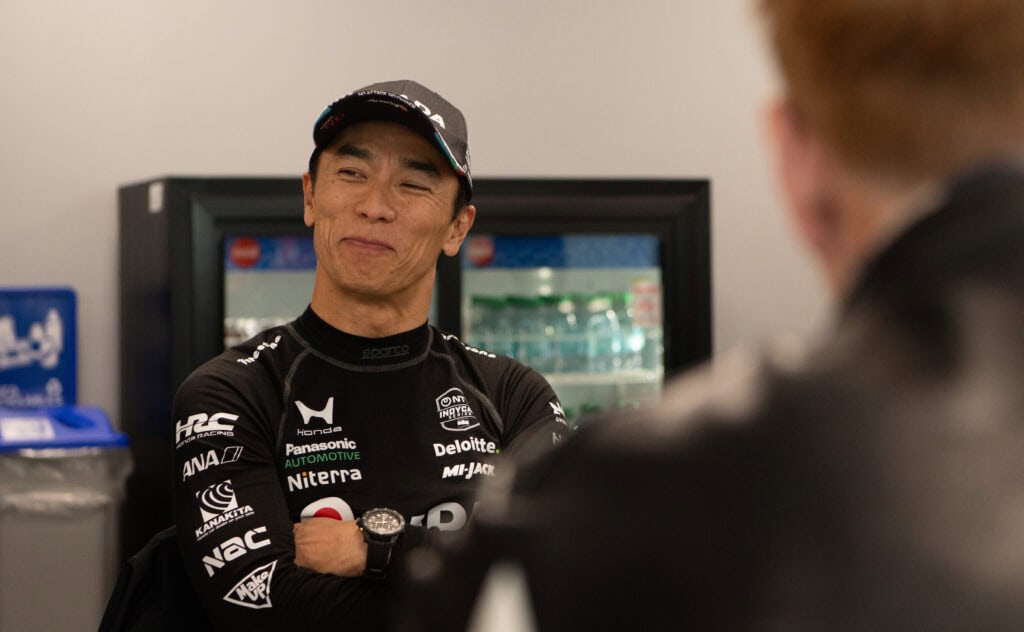
Sato’s 2017 Indianapolis 500 victory dramatically raised awareness of IndyCar in Japan. “Recognition of Indy 500 in Japan shooting off quite a lot,” he explained. At one point after his victories, Sato said his image appeared throughout Narita Airport and Tokyo Station.
Still, he laughed when comparing himself to baseball superstar Shohei Ohtani. “Not Ohtani level yet,” Sato joked.
You may also enjoy: Top 5 Three-Row Hybrid SUVs to Save on Gas

The Surprising Calm Right Before the Indy 500 Chaos
Despite the intensity surrounding race weekend, Sato described one surprisingly peaceful moment before the race begins. After days of sponsor events, engineering meetings, fan interactions, and media appearances, the atmosphere changes once the helmet goes on. “When you finally get into the car… it becomes quiet,” Sato said. “That is your favorite time.”
For a driver who has already won the Indianapolis 500 twice, the emotional connection to the race remains powerful. That emotional connection also explains why many Formula 1 drivers continue looking toward Indianapolis. “Anybody who loves racing, there’s no question. We can enjoy the Indy 500 for sure,” Sato explained.
After decades of professional racing experience, Sato still speaks about Indianapolis with visible excitement. The challenge, the danger, the crowd energy, and the tradition continue pulling him back. And despite already winning twice, he believes there may still be another opportunity waiting. “Hopefully,” Sato said, “we are the one to pick by heart again.”
You may also enjoy: From Formula One to Family Driveways: Why GM’s Global Racing Bet Matters