
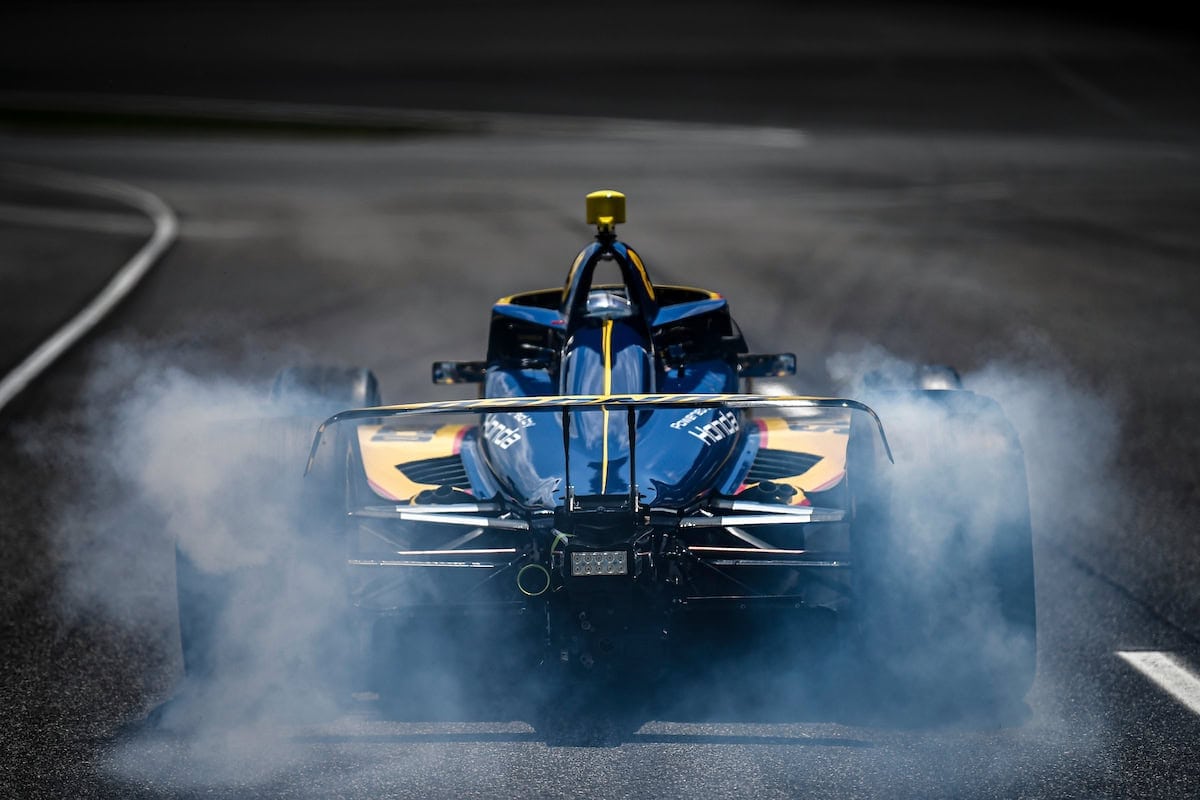
The Indy 500 is one of the most advanced races in the world, yet some of its language sounds proudly old-fashioned. I’m attending this year’s Indianapolis 500 as a guest of Honda, and being at Indianapolis Motor Speedway makes one thing clear. This race protects its traditions as fiercely as its speed.
Fans still say Carb Day, Gasoline Alley, Pole Day, Bump Day, and the pits, even though many of those terms come from earlier eras of racing. That’s not a mistake. It’s part of what makes the Indy 500 feel different from almost every other motorsport event.
Why Carb Day Still Has Its Name
Carb Day refers to the Friday before the Indy 500. Today, it includes final practice, the pit stop competition, fan events, and concerts.
The name comes from Carburetion Day, when teams adjusted carburetors before the race. Modern IndyCars do not use carburetors. Their engines rely on advanced fuel systems and electronic management, but the name survived because it became part of race culture.
You may also enjoy this: Why the Indy 500 Still Defines America’s Summer
Gasoline Alley Still Matters
Gasoline Alley is the famous nickname for the garage area at Indianapolis Motor Speedway. In the early days, mechanics worked around fuel drums, oil, spare parts, and gasoline fumes. Today, the garages are filled with laptops, telemetry, data systems, and engineering equipment.
That shift mirrors the wider auto industry, where software, safety systems, and automated vehicle technology are changing how cars are developed and understood. Times have changed, but traditions remain.
You may also enjoy this: Cheating in Formula 1? The race between teams and the FIA
Why It’s Called The Brickyard
Indianapolis Motor Speedway became known as The Brickyard after the track was paved with roughly 3.2 million bricks in 1909. Today, asphalt covers almost the entire racing surface, but a ceremonial strip of bricks remains at the start-finish line.
Winning drivers still kiss the bricks after major victories. It is one of the most recognizable traditions in motorsports. That thin strip of bricks is a reminder of where it all started.
You may also enjoy this: From Formula One to Family Driveways: Why GM’s Global Racing Bet Matters
Pole Day and Bump Day
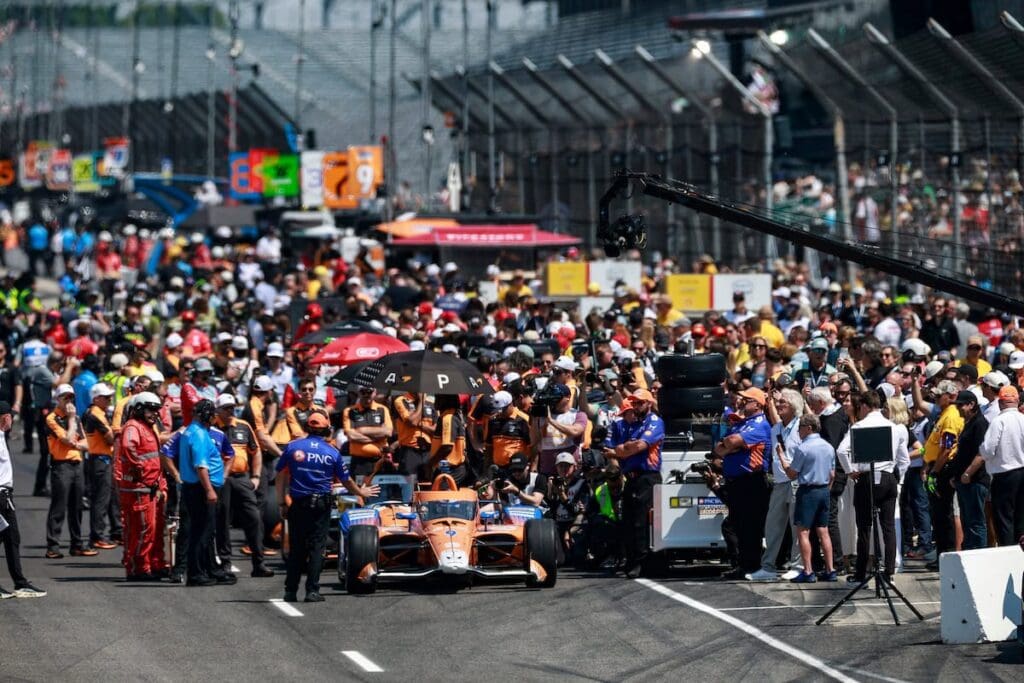
Pole Day originally described the qualifying day when drivers fought for the top starting position. The qualifying format has changed over time, but pole position still carries huge prestige.
Bump Day dates back to the years when more than 33 cars tried to qualify. A slower car could be bumped out of the field by a faster run late in the session. Modern racing also depends heavily on transportation technology, simulation, and data analysis. Even so, the old names still fit the emotion of the event.
You may also enjoy this: Audi Brings Fans Closer to F1 with New Adidas Merchandise
Old Words, Modern Racing
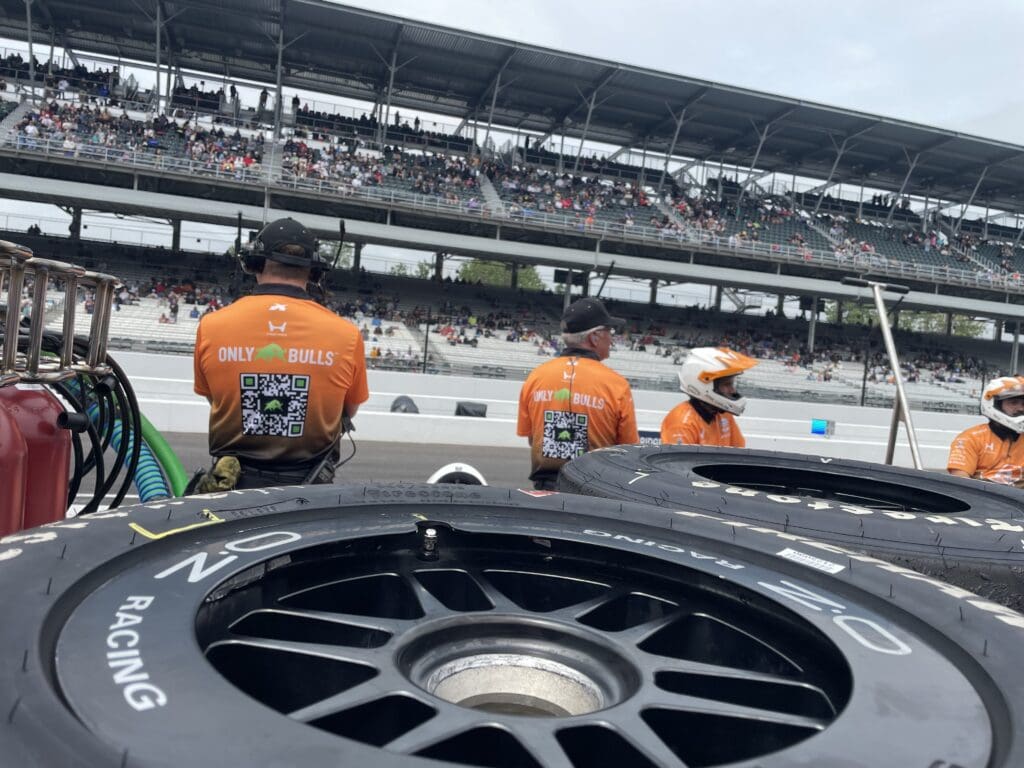
Even the pits is an old term. Early racing crews worked from simple service areas beside the track. Today’s pit lane is highly controlled, with strict safety rules, tire strategy, and crews working in seconds.
That matters because modern racing safety connects directly to what engineers learn about tires, vehicle control, and crash prevention. The same is true for electrification. Racing and road cars are both moving toward more advanced power systems, including hybrid electric technology and plug-in hybrid vehicles.
The Indy 500 keeps moving forward, but it has never abandoned the language that built its identity. That is why Carb Day still works. Nobody expects carburetors anymore. They expect tradition, speed, and a race that still remembers its roots.