Toyota’s Super Bowl Spots Remind us to Celebrate the Journey

Toyota’s Super Bowl LX spots step away from hype and spectacle, focusing instead on memory, origin stories, and the quiet role cars play in real lives.
I think Toyota’s Super Bowl LX advertising is worth your time because it resists a temptation that has become almost irresistible in modern automotive marketing: the urge to shout about the future.
Instead of promising that a vehicle will reinvent your life, Toyota uses its Super Bowl airtime to remind us of something simpler and, frankly, more relatable. Cars don’t usually change who we are. They show up while life is happening. They carry people we love, absorb memories we don’t realize are forming, and stay present long after trends and technologies move on.
That idea feels especially relevant right now, when the automotive conversation is dominated by uncertainty—about cost, technology, electrification, and even what ownership will look like five or ten years from now. Toyota’s message is not about escaping that uncertainty. It’s about grounding it.
Why does this matter right now?
Super Bowl advertising is still the most expensive and culturally visible marketing platform in the United States. Brands don’t buy time here unless they believe the message matters beyond a single product cycle.
Toyota’s decision to air two 30-second spots built entirely around human connection is revealing. It suggests the company believes consumers are less interested in being impressed and more interested in being understood.
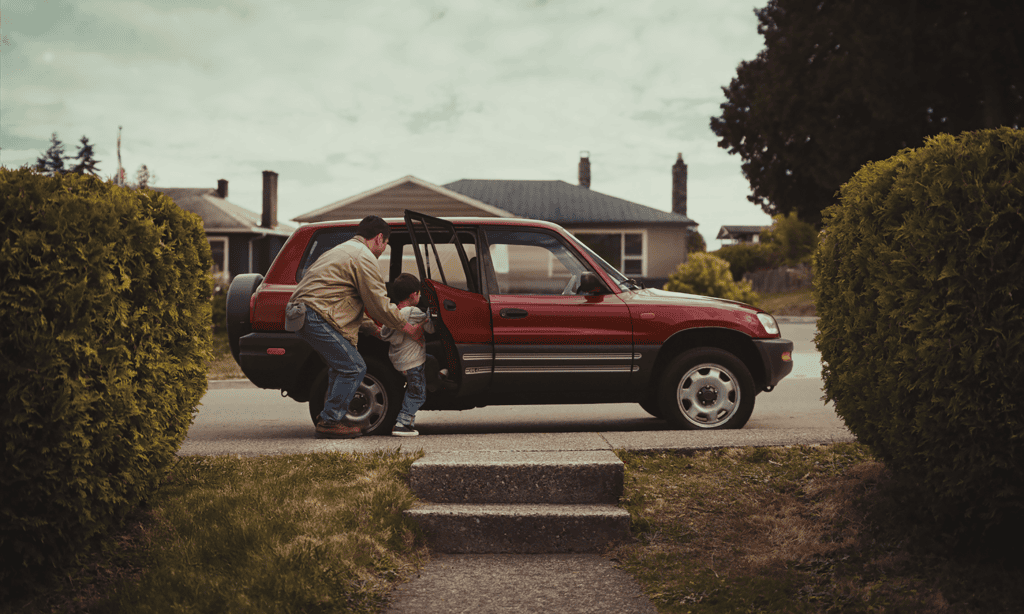
The first spot, “Superhero Belt,” tells a generational story. A grandfather takes his grandson for a ride in his 1997 Toyota RAV4. It’s an ordinary moment, but it becomes a defining memory. Nearly 30 years later, that grandson recreates the experience for his grandfather, this time driving a new 2026 RAV4. The roles have changed. The seatbelt joke remains. The bond is intact.
Nothing about the ad depends on specifications or features. The RAV4 is important not because of what it does, but because of how long it has been there.
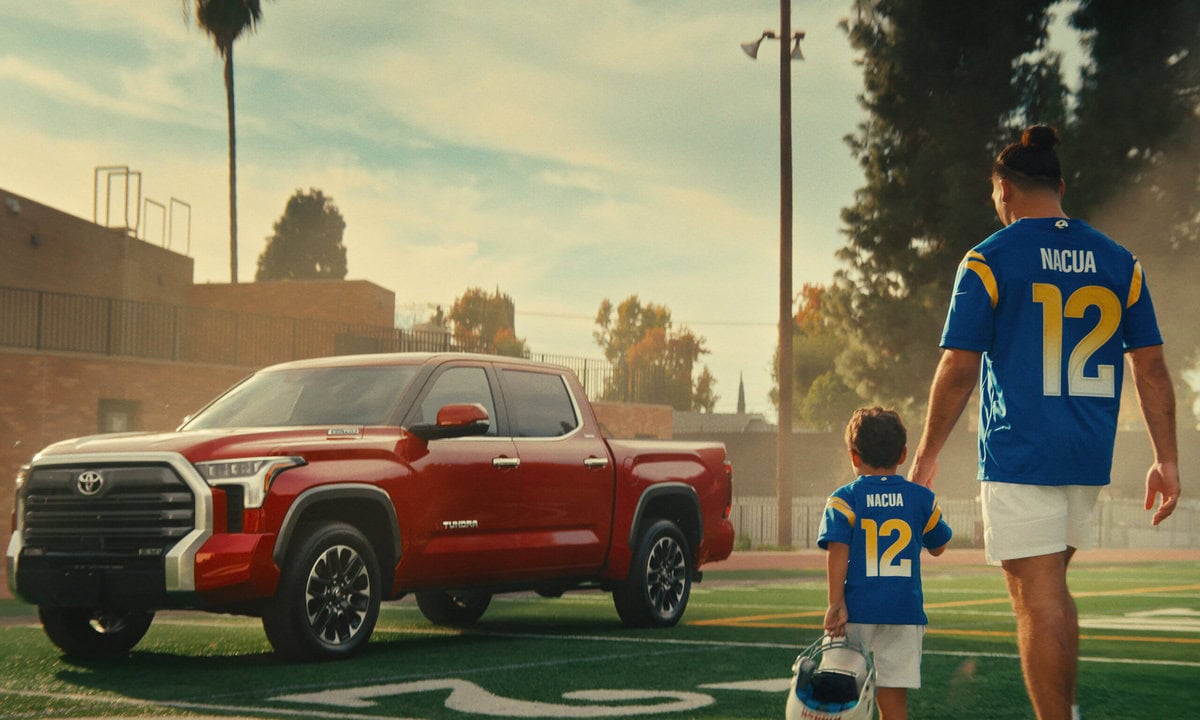
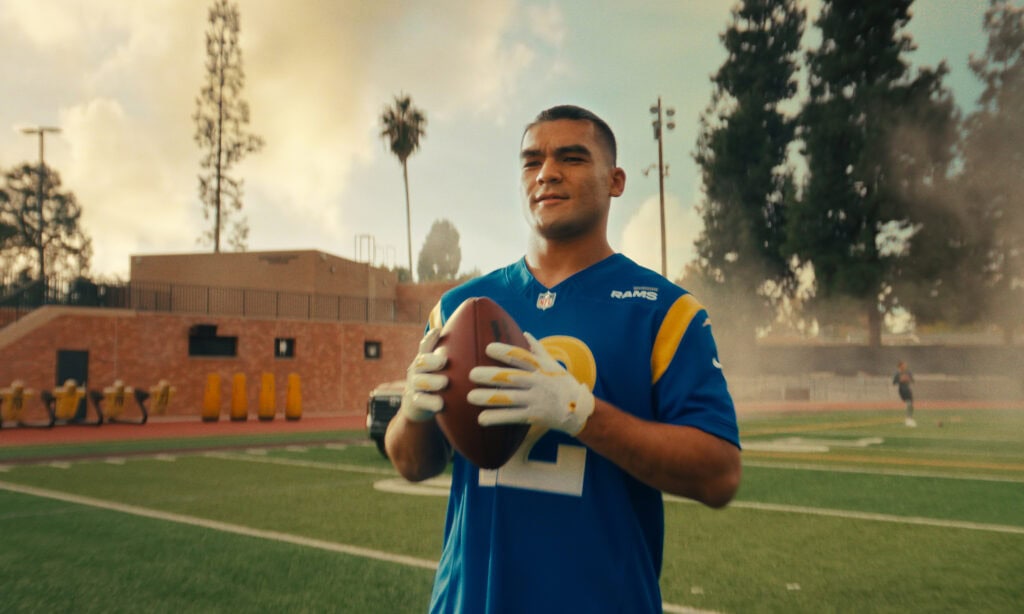
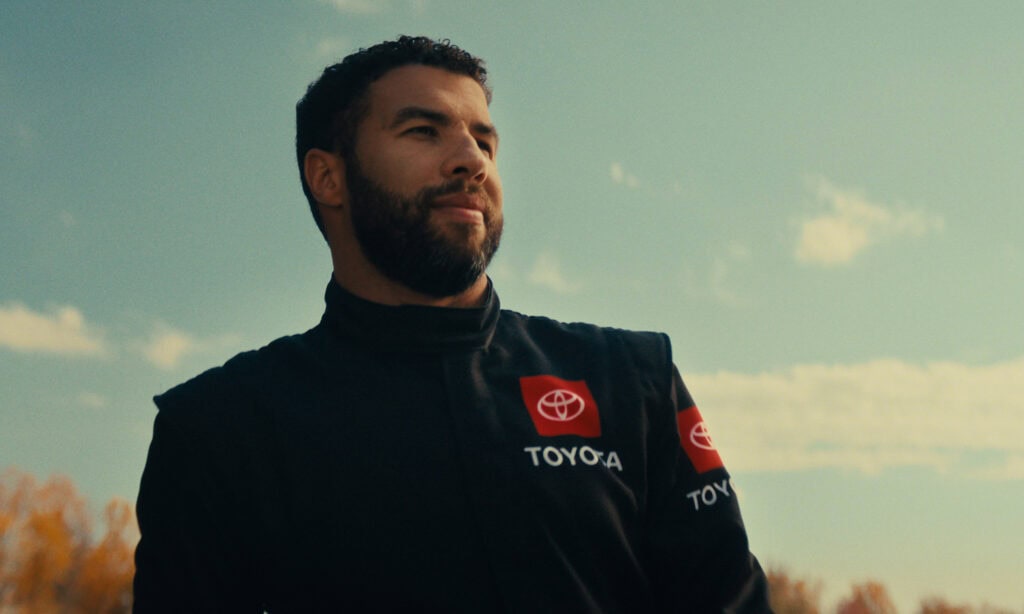
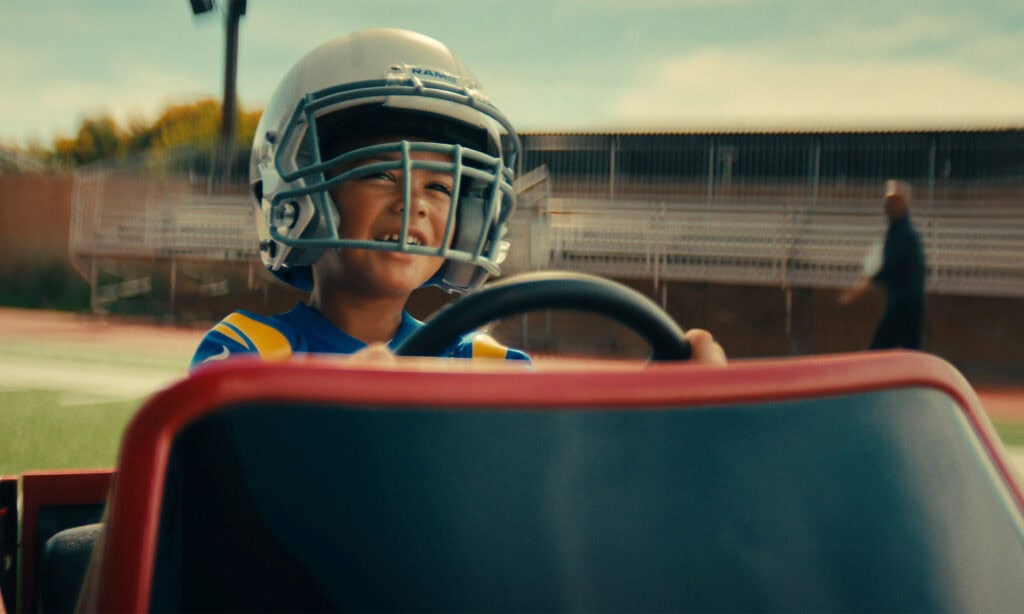
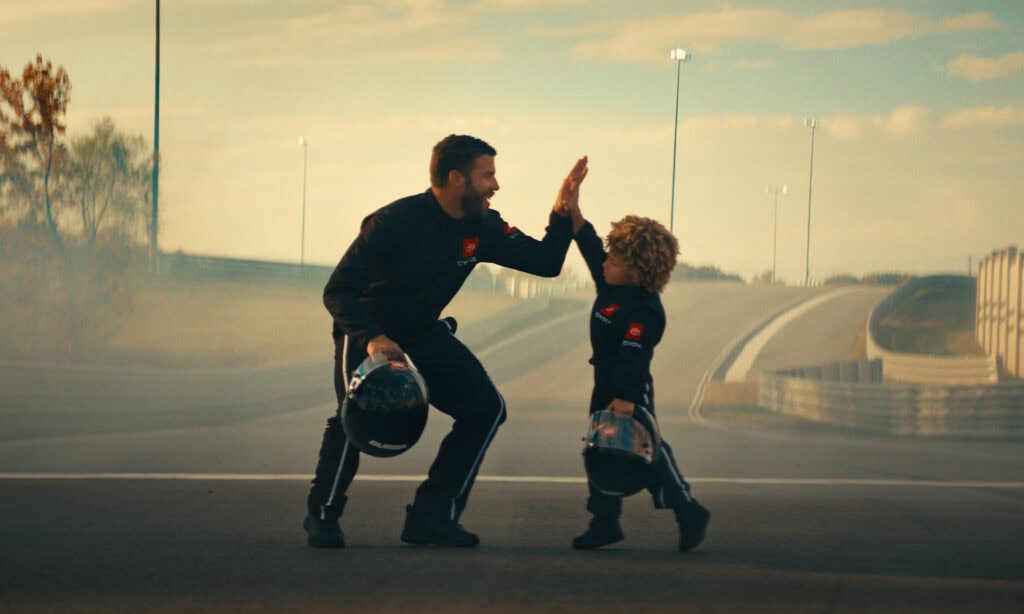
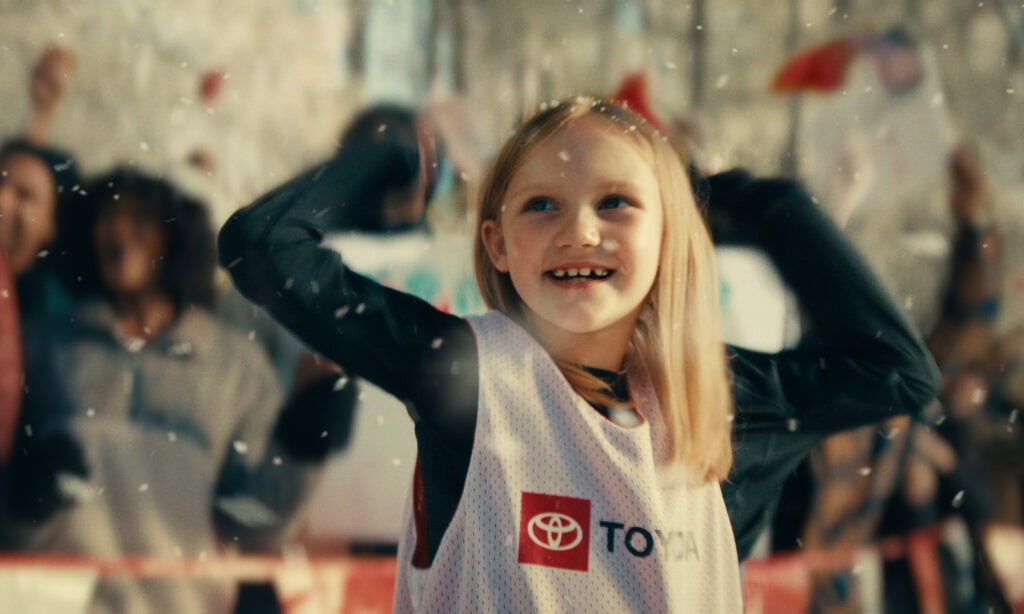
The second spot, “Where Dreams Began,” approaches the same idea from a different angle. It features Team Toyota athletes Puka Nacua, Oksana Masters, and Bubba Wallace training alongside imagined younger versions of themselves. Before endorsements, before championships, before expectations, each of them started as a kid chasing an idea.
Right now, that framing matters. Many buyers feel overwhelmed by rapid technological change and rising vehicle prices. Toyota’s Super Bowl message doesn’t deny progress, but it reframes it. Progress isn’t about abandoning the past. It’s about understanding where you came from and why you started.
How does it compare to rivals or alternatives?
Other automakers also use the Super Bowl to tell emotional stories, but the tone and intent vary widely.
Some brands lean heavily into futuristic imagery, advanced interfaces, or bold declarations about transformation. Others prioritize humor or spectacle that has little connection to the product itself. Those approaches can be effective, but they often feel disconnected from everyday ownership.
Toyota’s work is more restrained. The vehicles are present, but never dominant. The brand trusts the audience to make the connection on its own.
That restraint aligns with Toyota’s broader reputation in the industry. The company has long been associated with durability, reliability, and long-term value rather than flash. These Super Bowl spots reinforce that identity without saying it outright.
The tradeoff is clarity. Viewers looking for explicit cues about electrification strategy, performance metrics, or cutting-edge technology won’t find them here. Some competitors are far more direct in signaling innovation.
Toyota seems comfortable with that contrast. Rather than competing for attention through novelty, it competes through continuity. On a stage where excess is common, that choice stands out.
Who is this for and who should skip it?
These ads are for people who see cars as part of life rather than the center of it.
If you’ve ever associated a vehicle with a family member, a phase of life, or a specific memory, these stories will likely resonate. They’re aimed at families, long-term owners, and anyone who values consistency over constant reinvention.
They’re also for viewers who appreciate subtle storytelling. Toyota assumes a patient audience willing to read between the lines.
Who might skip it? If you’re shopping purely on technology differentiation or want advertising that clearly explains why one vehicle is superior on paper, these spots may feel understated. They don’t try to educate or persuade in the traditional sense.
But that restraint is intentional. Toyota isn’t trying to convert everyone in 30 seconds. It’s reinforcing trust with people who already value what the brand represents.
What is the long-term significance?
Zooming out, Toyota’s Super Bowl LX ads offer insight into how the company views the future of mobility.
As vehicles become more complex, more software-driven, and more abstract, there’s a real risk that ownership becomes emotionally thinner. Cars could become interchangeable tools, differentiated only by screens and subscription features.
Toyota’s messaging pushes back against that idea. By focusing on memory, lineage, and shared experience, it argues that emotional durability still matters.
That stance is significant because of Toyota’s scale. When one of the world’s largest automakers chooses to emphasize continuity over disruption, it sends a signal to the industry. Innovation doesn’t have to erase the past to justify itself.
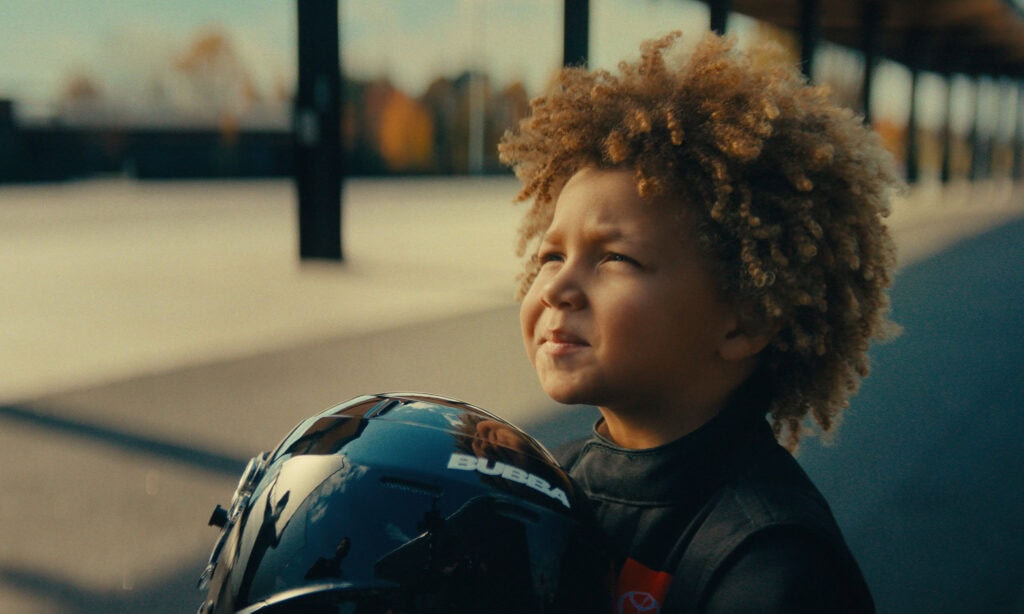
The creative execution supports that philosophy. “Superhero Belt,” created by Saatchi & Saatchi and directed by Rodrigo Saavedra, leans into warmth and familiarity. “Where Dreams Began,” created by Unverified and produced by Sweatpants Media, uses imagination not to escape reality, but to reconnect with it.
As Dedra DeLilli of Toyota Motor North America has said, the origin shapes the destination. That idea feels especially relevant as the industry navigates change. Progress is inevitable, but meaning is optional. Toyota is choosing to preserve meaning.
Toyota’s Super Bowl LX spots don’t try to overwhelm you or sell you a vision of the future. They quietly remind you that cars often matter most when they’re part of something bigger than themselves.
In a media landscape obsessed with what’s next, there’s something reassuring about a brand willing to pause, look back, and acknowledge the people and moments that actually define the journey.