Trump EU Car Tariffs Could Raise Luxury Car Prices
Trump’s proposed EU car tariffs could raise prices on Mercedes, BMW, Audi, Volvo, Porsche, Volkswagen, MINI, Alfa Romeo, and models built in Europe.
The next shock in the American luxury car market may not come from batteries, chips, dealer markups, or interest rates. It may come from geography.
President Trump’s threatened increase on European Union vehicle imports could make some cars significantly more expensive for American buyers if it takes effect. The key point is simple but often missed. This is not really about European badges. It is about European Union factories.
A BMW X5 built in South Carolina is not the same tariff story as a BMW 5 Series built in Germany. A Mercedes-Benz GLS from Alabama sits in a different category than an E-Class imported from Europe. A Volkswagen Atlas from Tennessee is not exposed in the same way as an ID. Buzz arriving from Germany. In 2026, the factory may matter nearly as much as the badge.
Why This Tariff Story Is Still Moving
As of today, this should be understood as a proposed or possible increase, not a fully settled new rule. The U.S. and European Union remain in a trade dispute, with Trump threatening to raise duties on EU cars and trucks from 15 percent to 25 percent if the EU does not move forward on parts of the trade agreement. The current deadline being discussed is July 4.
That gives automakers, dealers, and buyers a short but important window of uncertainty. If the higher tariff is applied and passed through to consumers, it could add thousands of dollars to certain imported vehicles. The impact would not be equal across brands because final assembly location changes everything.
Tariffs are paid by importers when vehicles enter the country. But costs often travel. Automakers can absorb them, share them with dealers, reduce incentives, raise prices, or adjust inventory. The customer may not see a line item marked “tariff,” but the monthly payment can still feel it.
Shoppers can use the VIN decoder from NHTSA to help confirm a vehicle’s plant of manufacture before assuming a badge tells the whole story.
You may also enjoy: Why Your Next Truck Just Got More Expensive and Harder to Find in 2026.
Mercedes, BMW, And Audi Face Different Risks
Mercedes-Benz may be one of the most exposed brands by volume. Its Alabama-built SUVs, including the GLE and GLS, are not part of this specific EU-built calculation. But many important models still come from Europe, including the GLC, GLA, CLA, CLE, E-Class, S-Class, G-Class, AMG models, and Maybach vehicles. Estimated exposed Mercedes volume could be around 165,000 vehicles a year. If fully passed on, the possible average increase could be roughly $13,800 per vehicle.
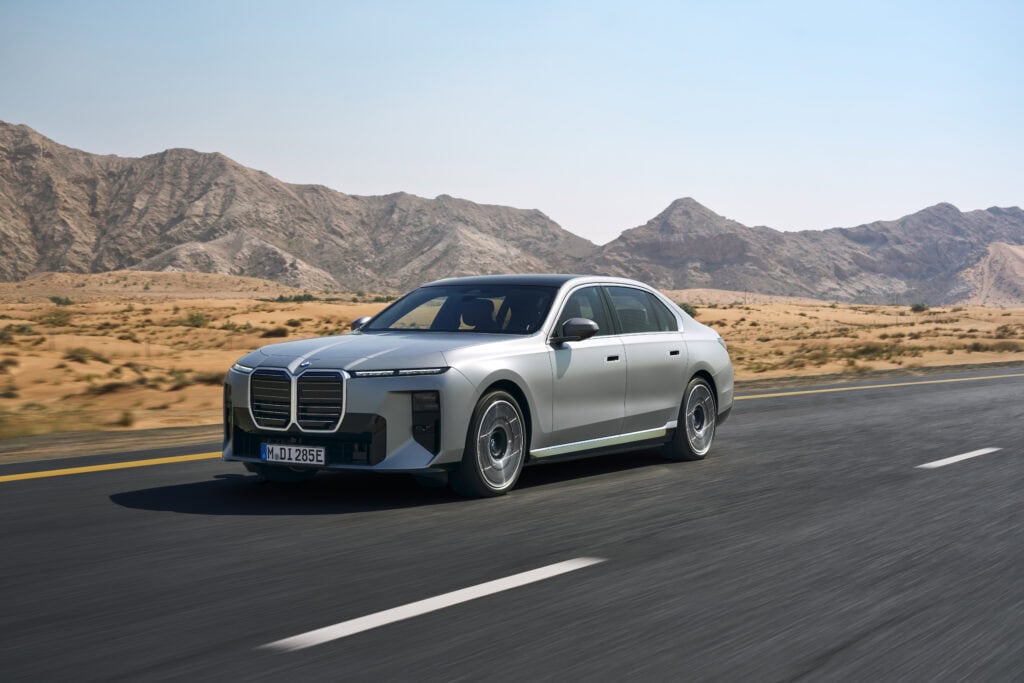
BMW is better protected because of its huge Spartanburg, South Carolina plant, which builds major SUVs including the X3, X5, X6, X7, and XM. That gives BMW a meaningful shield. But the brand still imports sedans, coupes, smaller SUVs, and specialty vehicles from Europe. Exposed models could include the 4 Series, 5 Series, 7 Series, 8 Series, X1, X2, iX, and Z4, depending on production source and model mix. Estimated exposed volume could be roughly 130,000 vehicles, with a possible average impact around $13,400.
Audi is the cleanest example of why factory location matters. Audi sells a substantial number of vehicles in the U.S., but the Q5 is built in Mexico, which makes it different from EU-built Audi models for this specific tariff question. Once the Q5 is removed, Audi’s estimated EU-built exposure falls to roughly 118,700 vehicles. Exposed models could include the Q3, Q7, Q8, and A-series cars. The possible average tariff-related increase could be around $13,200 if fully passed along.
You may also enjoy: 2026 Lexus IS 350: Last Gas Sport Sedan Rebel.
Volvo And Volkswagen Show The Fine Print
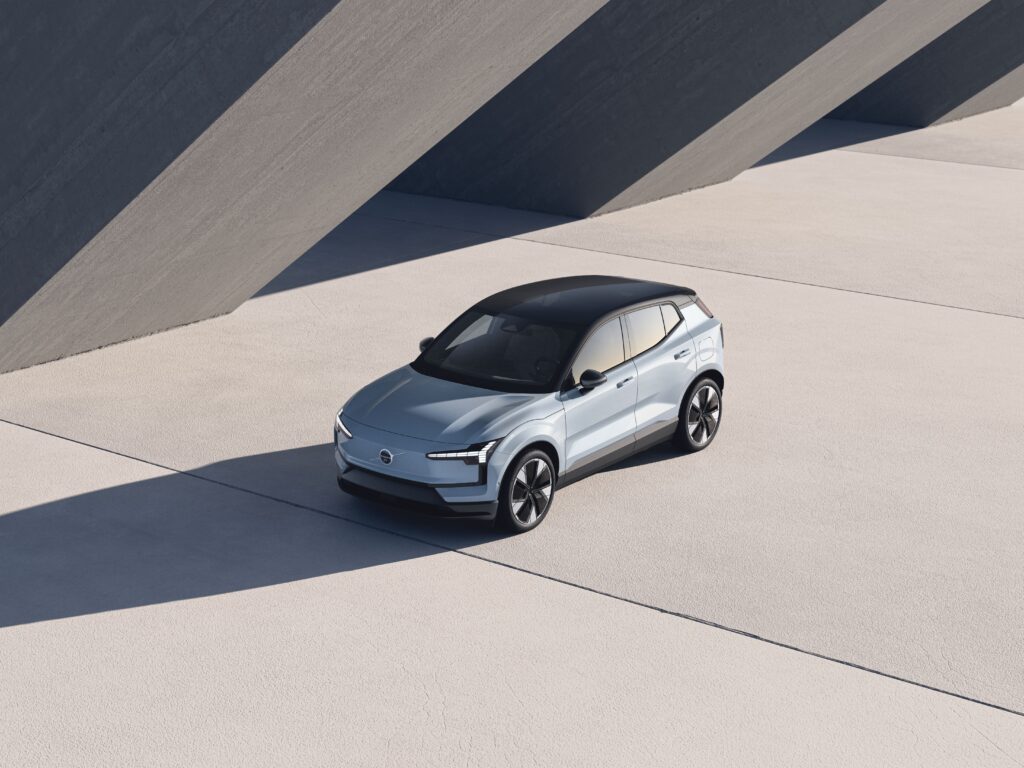
Volvo is complicated. The XC60 and XC90 are major U.S. sellers, but the EX90 is built in South Carolina, which changes its exposure. Volvo’s estimated exposed volume could be roughly 110,000 vehicles, with a possible average price impact around $12,750 if the cost is fully passed through. In this market, Volvo’s safest feature may be American assembly.
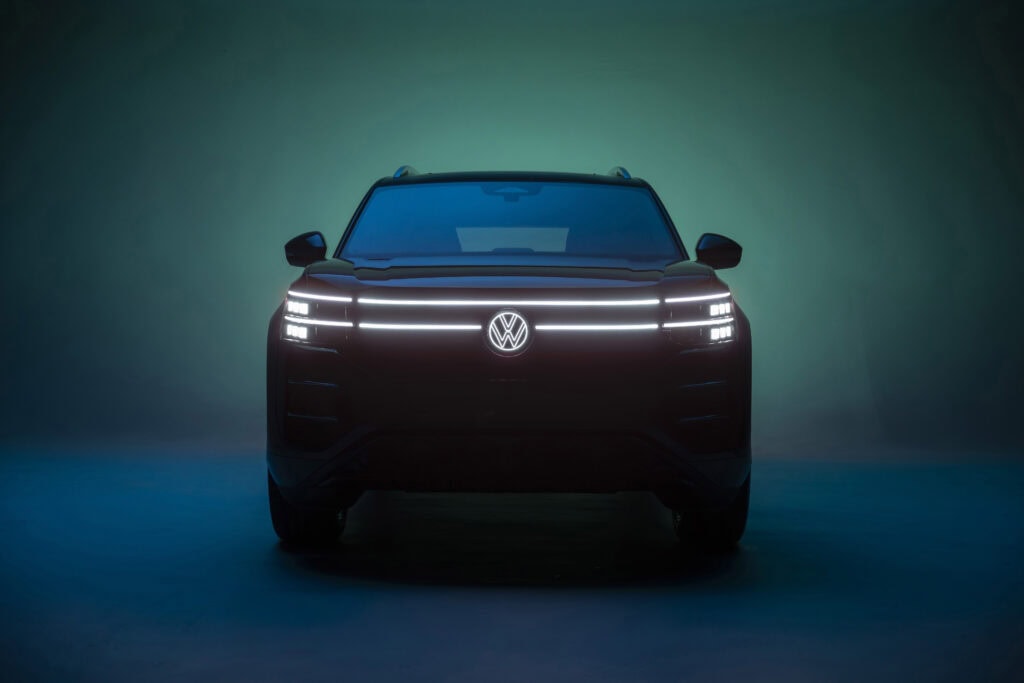
Volkswagen looks large by brand name, but its EU-built exposure is smaller than many shoppers might expect. The Atlas and ID.4 are built in Tennessee. The Jetta, Taos, and Tiguan are North American products. That leaves the exposed group mainly around vehicles such as the ID. Buzz, GTI, Golf R, and remaining Arteon units, depending on timing and inventory. Volkswagen’s estimated exposed volume is about 16,700 vehicles, with a possible average increase around $9,600.
The Department of Energy’s electric vehicle basics guide is useful for shoppers comparing imported EVs, U.S.-built EVs, and gasoline vehicles while incentives, tariffs, and production locations keep shifting.
You may also enjoy: 2026 Chevrolet Corvette E-Ray Hybrid The Smartest Supercar Move Yet.
Porsche, Ferrari, And Lamborghini Are Low Volume, High Invoice
Porsche sells fewer vehicles than Mercedes, BMW, Audi, or Volvo, but it sells expensive vehicles. With most of its lineup built in Europe, Porsche could be one of the clearest examples of low volume and high tariff exposure. Based on this estimate, Porsche’s U.S. exposure could generate around $1.7 billion in annual tariff revenue by itself if the increase were fully applied and passed through at the assumed levels. The possible average hit per vehicle could be around $22,300.
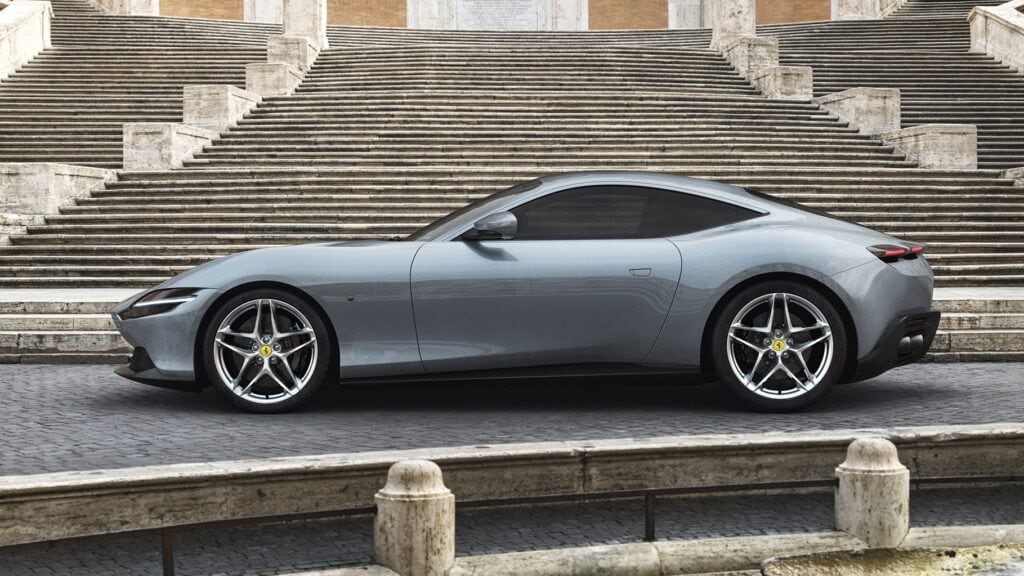
Ferrari and Lamborghini are even more extreme. Ferrari’s estimated exposed U.S. volume is around 3,400 vehicles, with a possible price impact near $95,600 per car. Lamborghini’s exposed volume is estimated around 3,000 vehicles, with a possible increase around $68,000 per vehicle. Small volume. Huge invoice. For some buyers, that may be the cost of entry. For importers and dealers, it is still a serious cash-flow issue.
The U.S. Customs and Border Protection page on trade statistics helps explain how customs activity is tracked as goods enter the country.
You may also enjoy: Is the 2026 Dodge Charger R/T the Last True Gas Muscle Car Bargain?.
Where The Money Goes
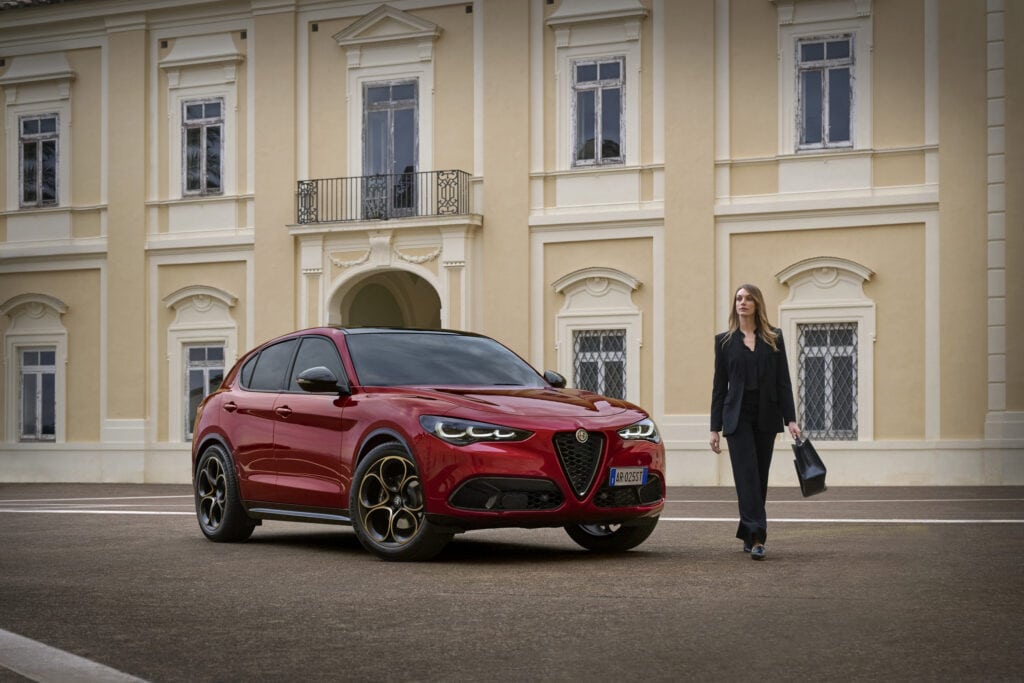
MINI and Alfa Romeo sit in the middle. MINI is included because the Countryman is built in Germany. Estimated exposed U.S. volume is about 12,900 vehicles, with a possible price increase around $9,100. Alfa Romeo is smaller, at about 5,650 vehicles, but Giulia, Stelvio, and Tonale are Italy-built, making the brand highly exposed. Alfa’s possible average hit is around $11,050.
Across the top 10 exposed brands in this analysis, potential annual tariff revenue could reach roughly $9.57 billion if the proposed increase were applied and the estimated volume and pricing assumptions held. That is not a forecast. It is a scale estimate showing how much money is involved when trade policy meets the U.S. luxury car market.
Tariff money does not go into a special car-buyer apology fund. Customs duties become federal revenue. In fiscal year 2025, customs duties made up about 3.7 percent of federal revenue, a much larger share than in recent decades. That money is not specifically earmarked for roads, cars, charging stations, or consumer rebates. It goes into the broader federal budget.
You may also enjoy: 2027 Ford Super Duty Carhartt Package: Built to Take the Same Abuse as Your Carhartt.
What Car Shoppers Should Do Now
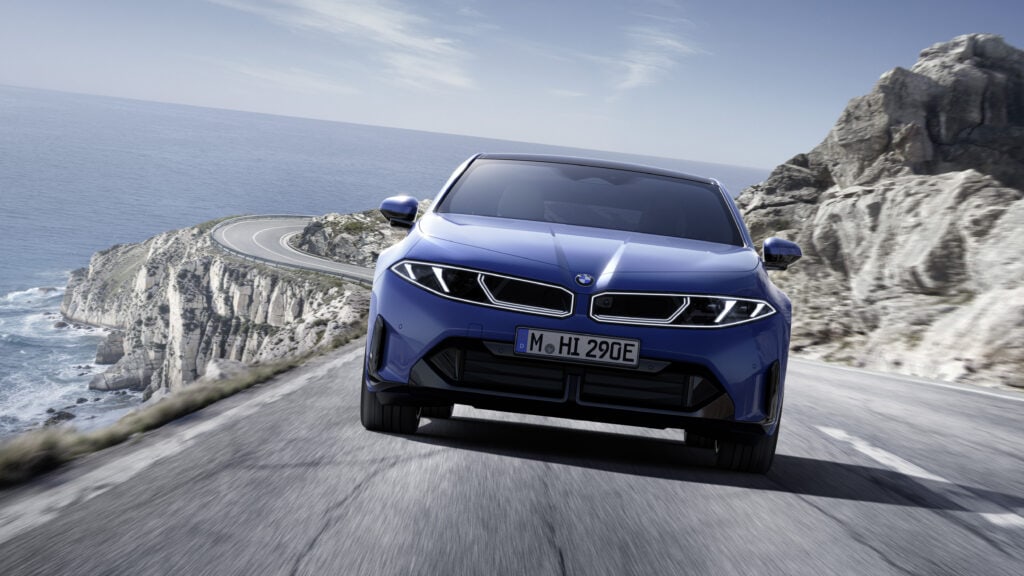
For shoppers, the practical advice is simple. Check the window sticker. Check the VIN. Ask where the vehicle was finally assembled. A German brand may build your SUV in Alabama or South Carolina. A Swedish brand may build your electric SUV in South Carolina. A German-branded crossover may come from Mexico. Meanwhile, another vehicle from a familiar European badge may arrive from an EU factory and carry a very different cost risk.
The National Highway Traffic Safety Administration explains how to use the vehicle identification number to identify key vehicle information. That matters because a buyer may need to think less like a badge loyalist and more like an import analyst.
You may also enjoy: 2027 Infiniti QX65 Review: Tennessee-Built Luxury SUV Offers Refined Ride.
That is the new reality. The badge tells you the brand. The factory may tell you the bill.