WRC Could Return to America as U.S. Motorsport Booms

The American motorsport fan is broadening their tastes, and rally may be next. A structured WRC candidate event in 2026 could unlock a full U.S. round in 2027.
I think this story matters because it sits right at the intersection of two trends that have been building quietly for years: Americans are consuming more kinds of motorsport than ever, and global sanctioning bodies are finally treating the U.S. as a serious growth market rather than an occasional experiment.
That’s why the World Rally Championship’s U.S. plan feels different. This isn’t just a rumor or a hopeful quote. The pathway is formal: a candidate event is scheduled for June 11–17, 2026, with stages being assessed in Tennessee and Kentucky. If the evaluation clears the practical hurdles, a full points-paying WRC round could arrive on the calendar as early as 2027.
The details are spelled out in the FIA’s statement on the candidate event pathway, and the championship has mirrored that intent in its own coverage, including the plan to inspect and assess stages and operations across the proposed region.
Even if you’re not a rally obsessive, the structure of the attempt tells you something: WRC wants the U.S., and it’s willing to do the work to prove it can happen safely and credibly.
Why does this matter right now?
Because the American motorsport fan has changed. The center of gravity is no longer “pick one series and defend it forever.” Today’s audience is more comfortable sampling: a little oval racing, a little open-wheel, a little endurance, a little global glamour, and—increasingly—whatever feels most authentic.
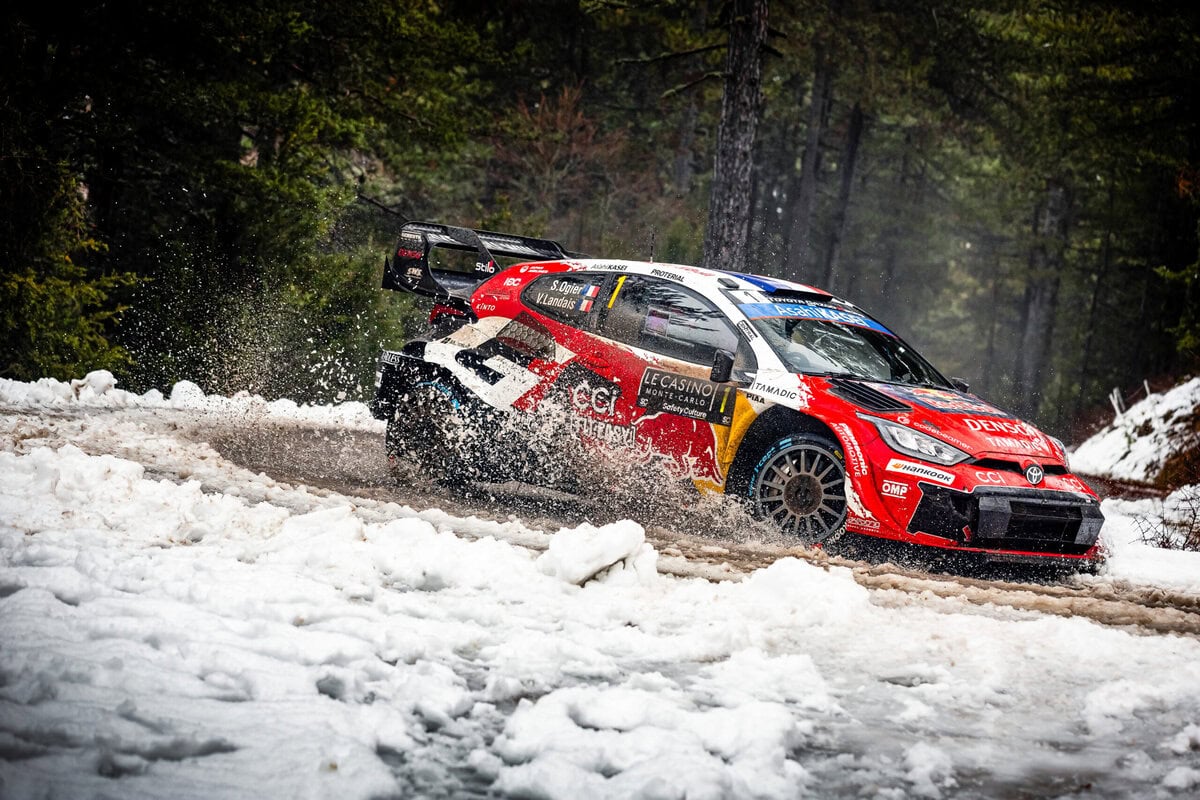
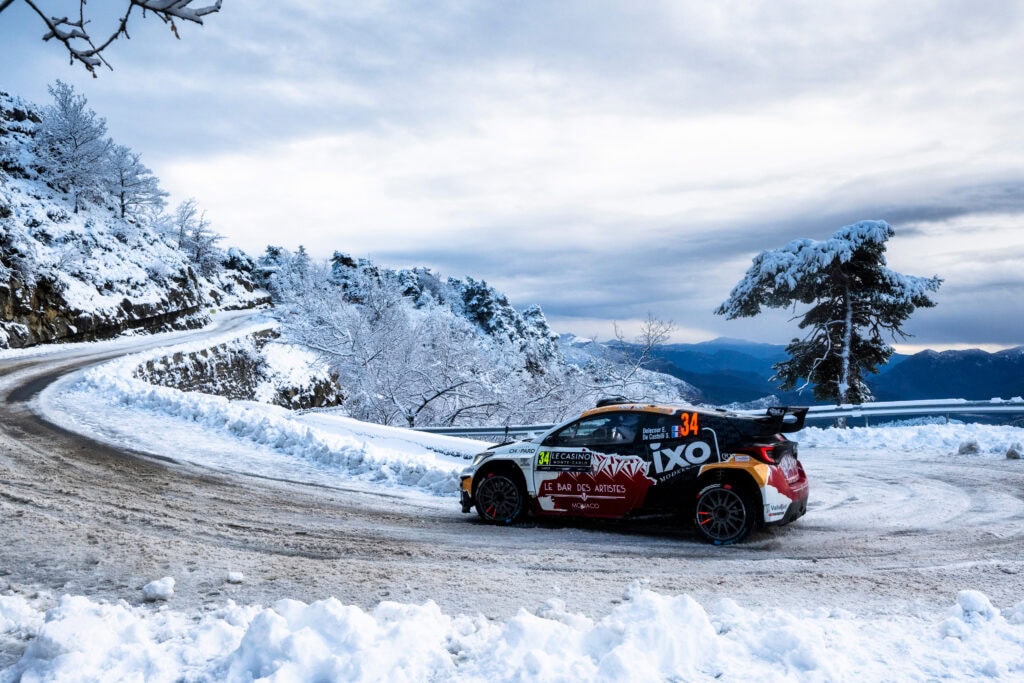
Rally is built for that moment. It doesn’t require you to decode complicated pit windows to enjoy it. The premise is direct: drivers and co-drivers attack real roads, on changing surfaces, against the clock. The environment is part of the competition, not just scenery.
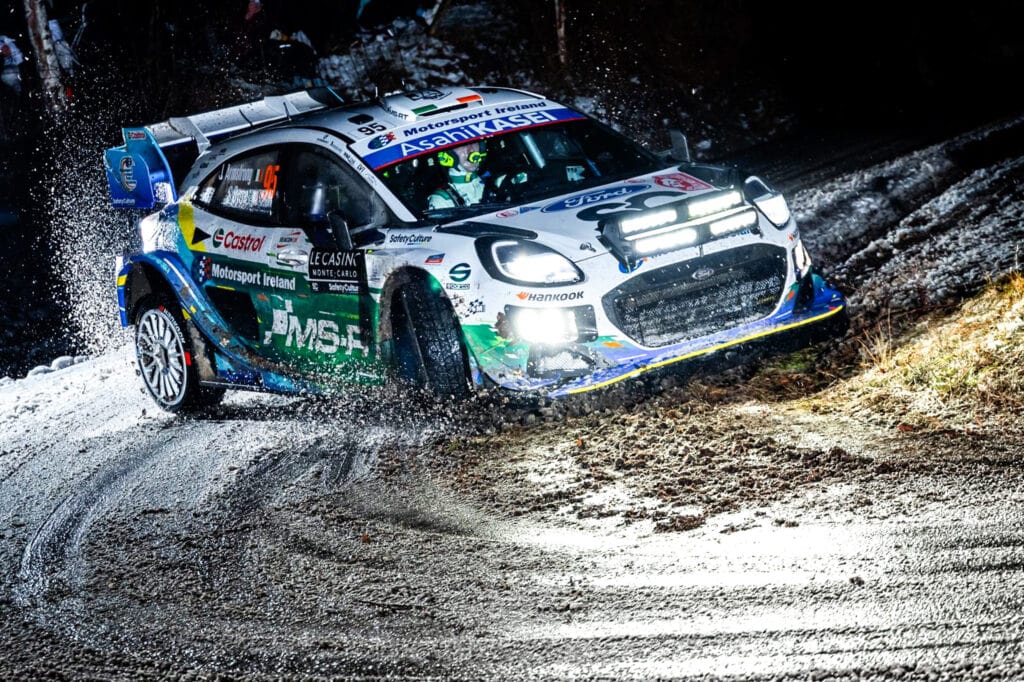
The U.S. bid also has the advantage of narrative clarity. The last time the WRC ran on American soil was 1988, when the Olympus Rally in Washington state was part of the calendar. That long gap creates instant context: this would be a return, not a debut.
And the candidate event isn’t just symbolic. It’s a test run designed to mirror WRC standards for sporting operations and safety, which is why it’s being delivered in collaboration with ACCUS, the FIA-recognized U.S. motorsport authority. Rally can look wild from the outside, but the successful modern events are engineered carefully behind the scenes. A candidate week is where you prove you can do that engineering in the real world, with real roads, real spectators, and real operational pressure.
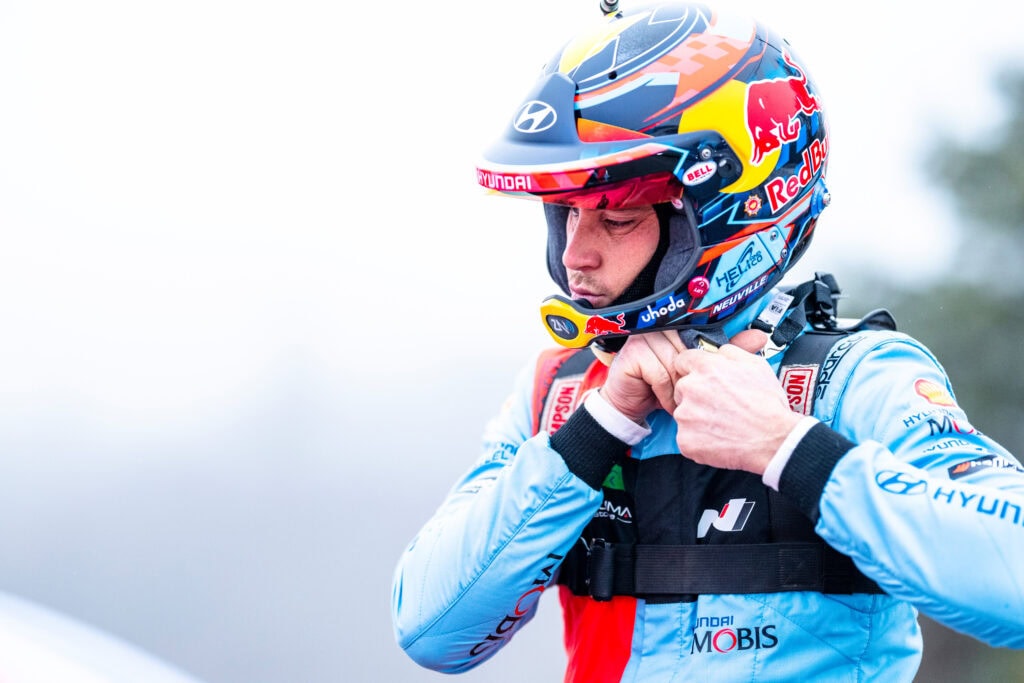
There’s also a broader cultural layer here. If you’ve been following how car culture is evolving, you’ve probably noticed that enthusiasm isn’t only about buying the thing anymore; it’s about experiences and identity. That’s a theme we’ve been exploring in recent Test Miles pieces, from the way aspiration shows up in everyday searches in $240,000 Dreams Fuel America’s Luxury Car Obsession to the way heritage and technology reshape expectations in Why the Mercedes-Benz S-Class Still Matters.
Rally fits that shift perfectly. It’s experiential. It’s regional. And it turns “the road” into the stage.
How does it compare to rivals or alternatives?
It’s tempting to frame WRC’s U.S. push as competition for other series, but that’s not how modern fandom behaves. People don’t have to replace something to add something.
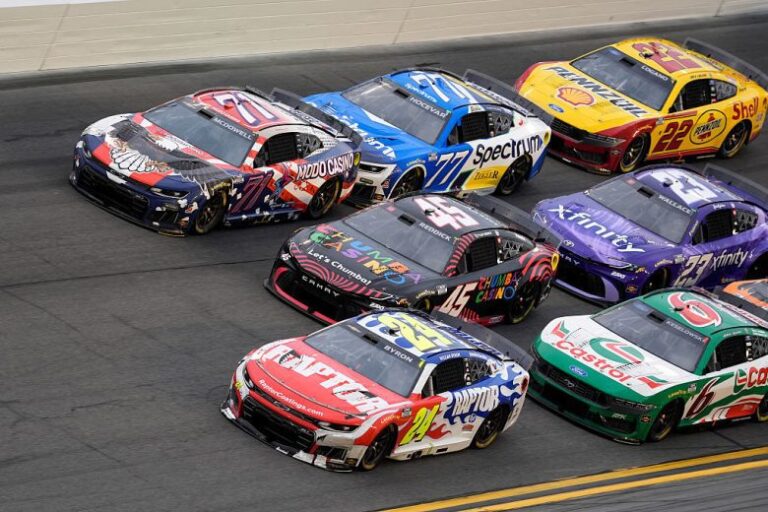
In the U.S., NASCAR remains the country’s most established motorsport culture: accessible, community-driven, and built around repeatable venues. IndyCar offers a different kind of purity—high skill, high risk, and a schedule that spans ovals, street circuits, and road courses. Both are great at giving you a clear “day at the track” experience.
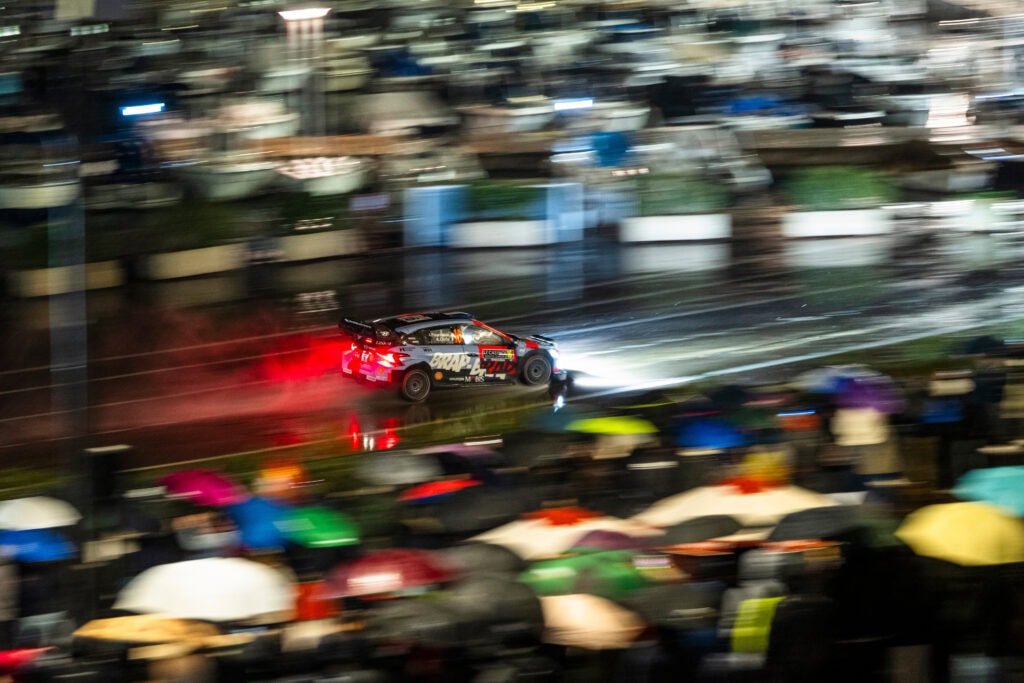
WRC offers something else: motorsport that doesn’t live inside a stadium. It’s dispersed, unpredictable, and tied to geography in a way circuit racing can’t match. That’s the upside. The tradeoff is that it asks more of the fan. To see rally well, you often move between viewing locations, deal with weather, and accept that the action comes in bursts rather than a constant stream.
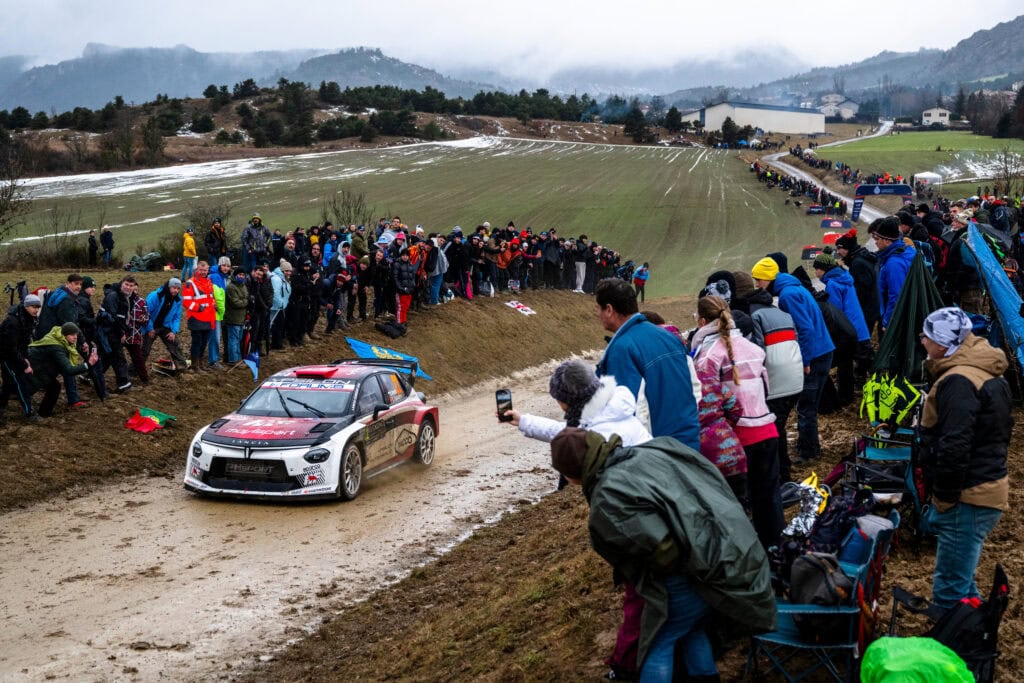
Domestic rally and rally-adjacent options already exist in America, and they can be brilliant—especially if you value grassroots access and community. They also serve as a practical feeder system for organizers, volunteers, and safety culture. A WRC round wouldn’t erase those; it would put a global spotlight on the same kind of discipline and enthusiasm that already exists here.
Think of it this way: NASCAR and IndyCar are like arena concerts—polished, repeatable, and built for big crowds in one place. Rally is more like a live music festival spread across a landscape. If that sounds appealing, you’re already halfway to understanding why WRC in Tennessee and Kentucky could work.
Who is this for and who should skip it?
This is for you if you like motorsport that feels close to real-world driving, you’re curious about skill under changing conditions, and you enjoy the idea of a race that’s shaped by terrain as much as by machinery. It’s also for people who like turning an event into a trip—rally weekends can be as much about place as they are about competition.
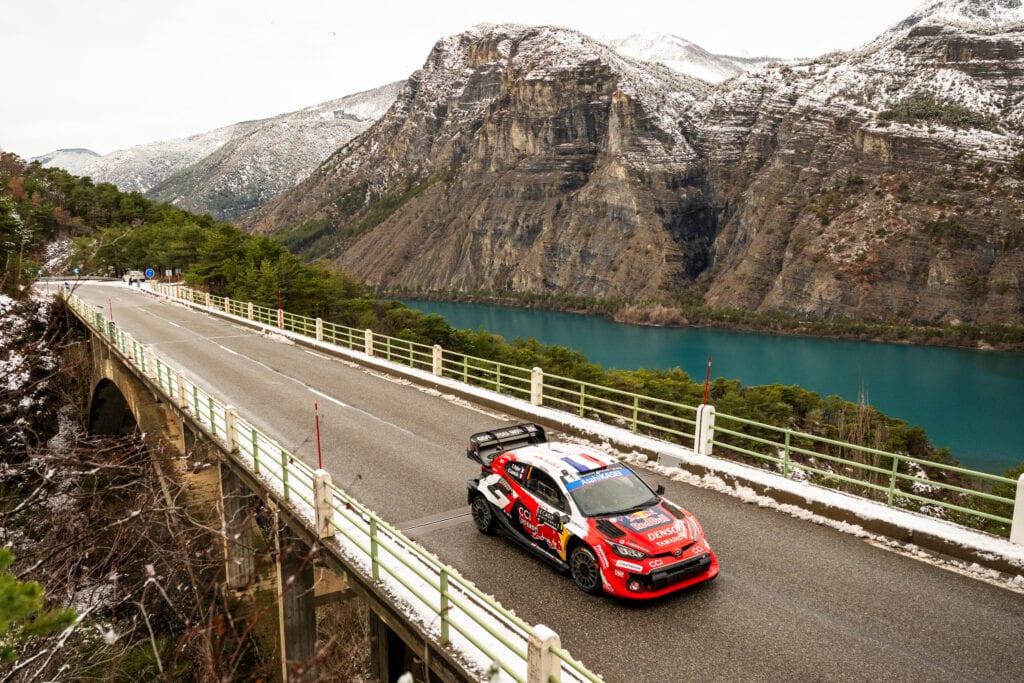
It’s also for the “busy, mildly skeptical” reader who doesn’t want homework. Rally’s fundamentals are easy to grasp, and the best part is that you don’t have to watch a whole season to appreciate a single weekend. You can show up, hear the cars coming, watch a few runs, and immediately understand what makes it special.
You should skip it if you only enjoy motorsport when you can see everything from one seat, or if you prefer constant wheel-to-wheel action rather than timed runs. Rally can involve long stretches of waiting between intense moments, and it’s not always friendly to people who want a neatly packaged, stadium-style experience.
There’s also a practical note: a WRC round, if it happens, will likely require planning—transportation, viewing rules, and a willingness to be outdoors. That’s part of the charm, but it isn’t for everyone.
If you want a reminder of how different kinds of car enthusiasm can fit into everyday life, even for families, consider the way calm competence becomes its own form of value in 2026 Honda Pilot review: the calm family SUV. Motorsport fandom doesn’t have to be all-consuming; it can be something you fold into a weekend with intention.
What is the long-term significance?
If WRC earns a U.S. round, the long-term significance goes beyond “another race on the calendar.” It would confirm that the American market is now central to global motorsport strategy, not peripheral.
It would also signal a shift in what counts as mainstream motorsport culture here. For decades, rally was respected in pockets but rarely treated as a front-of-mind sport for the general audience. A WRC round changes that simply by existing. It creates a reference point, a shared moment, and a reason for broader media coverage.
There’s an industry angle too. As automakers and mobility companies redefine themselves—sometimes drifting into places that don’t look like traditional “car company” behavior—motorsport becomes a way of staying anchored in performance identity. We’ve been watching that tension play out in stories like Tesla Ditches Model S and X for Robots: Are Car Companies Becoming Robot Giants? and in the way legacy luxury brands are positioning themselves against tech-driven narratives in The New S-Class Is Mercedes’ Answer to Tesla’s Hype.
Rally’s particular value is that it feels connected to real roads and real conditions—exactly the environment where “mobility” actually happens. If the 2026 candidate week proves that Tennessee and Kentucky can host WRC-level stages safely and professionally, then a 2027 round would become a durable symbol: global motorsport isn’t just visiting America; it’s investing in America.
The calm conclusion is this: the 2026 candidate event is an audition, not a guarantee. But auditions don’t exist unless someone believes the audience is ready. And right now, the American motorsport audience looks more ready than it has in a long time.