Why Off-Road Trims Dominate SUVs in 2026

Most buyers rarely leave pavement, yet “Trail” and “Wilderness” trims keep multiplying. The reason is equal parts psychology and profit. Let’s start with a confession. America’s “off-road” boom isn’t really about off-roading. It’s about how you want to feel on an ordinary Tuesday.
Strategic Vision survey data says 98% of SUV and crossover buyers go off-road over rocks or mud at most once a year, if ever. And 91% drive on dirt or gravel one time a year or not at all. Yet walk through any dealership lot and suddenly everyone’s preparing for the Dakar Rally.
That’s not hypocrisy. That’s business. Off-road trims have become the cleanest way for automakers to sell identity, lift transaction prices, and keep products feeling fresh without reinventing the entire vehicle.
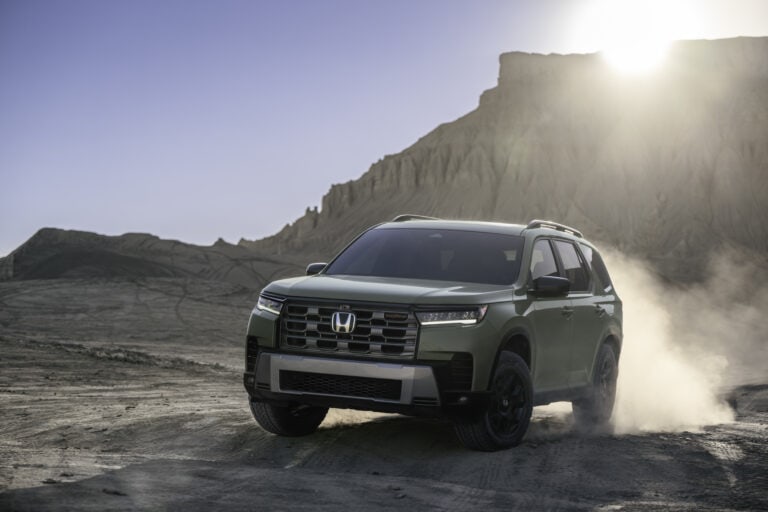
You may also enjoy this: Honda Passport and Acura Integra Type S Head to Japan from US
Why does this matter right now?
The U.S. market has tilted hard toward SUV shapes, and that shift changes how brands compete. When a large share of buyers is shopping broadly similar crossovers, the real fight is no longer model versus model. It’s trim versus trim.
That’s one reason the off-road badge family has spread so quickly. A trim can give the same vehicle a new identity with tougher styling, chunkier tires, a slightly more ready for anything stance, and a narrative your driveway will never fact-check.
It also tracks the market reality that regulators classify many of today’s family vehicles as trucks for policy purposes. The EPA’s trends reporting highlights how dominant the truck category has become across SUVs, pickups, and vans.
As the showroom fills with SUV silhouettes, trims become the easiest lever for profit. Same platform. Same body. Same core cabin. But a new visual package and, sometimes, targeted hardware upgrades that cost far less than a ground-up redesign.
Ford’s sales mix shows just how mainstream this has become. Ford’s own year-end reporting noted off-road performance trims (Raptor, Tremor, Timberline, FX4) at 20.6% of its U.S. sales mix, totaling 453,433 vehicles in 2025. That is not a niche. That is a strategy. And it explains why the industry has turned adventure into a trim ladder almost any buyer can climb.
You may also enjoy this: How Toyota Builds The Perfect Car For Real Life
How does it compare to rivals or alternatives?
Not all off-road trims are the same, even if the badges sound equally heroic. In practice, most trims fall into three buckets:
- Looks: cladding, badges, wheels, darker exterior trim, and rugged interior accents.
- Light capability: tires, drive modes, traction software tuning, and small chassis tweaks that matter on snow, gravel, wet leaves, or rutted campsite roads.
- Real hardware (sometimes): meaningful ground clearance changes, metal skid plates, recovery points, upgraded dampers, or more serious AWD components.
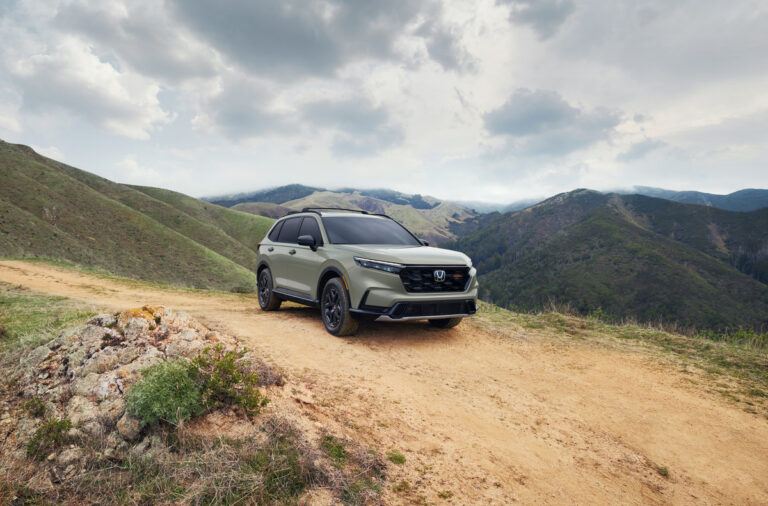
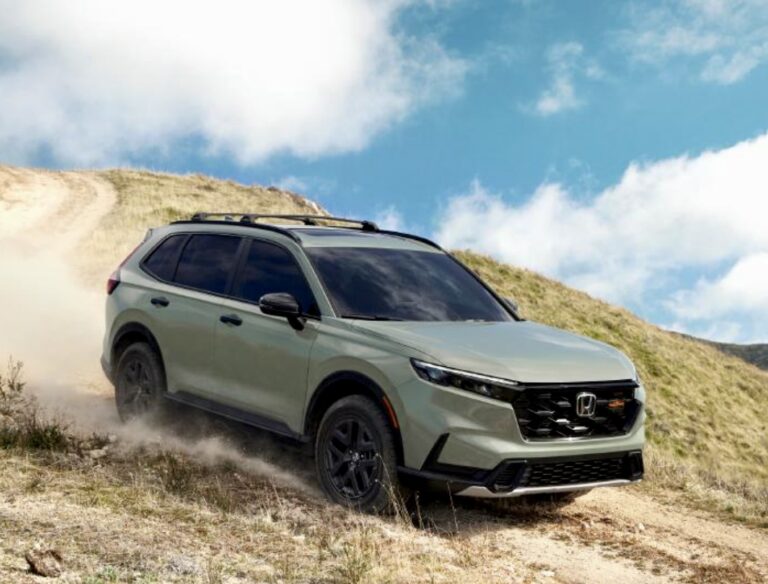
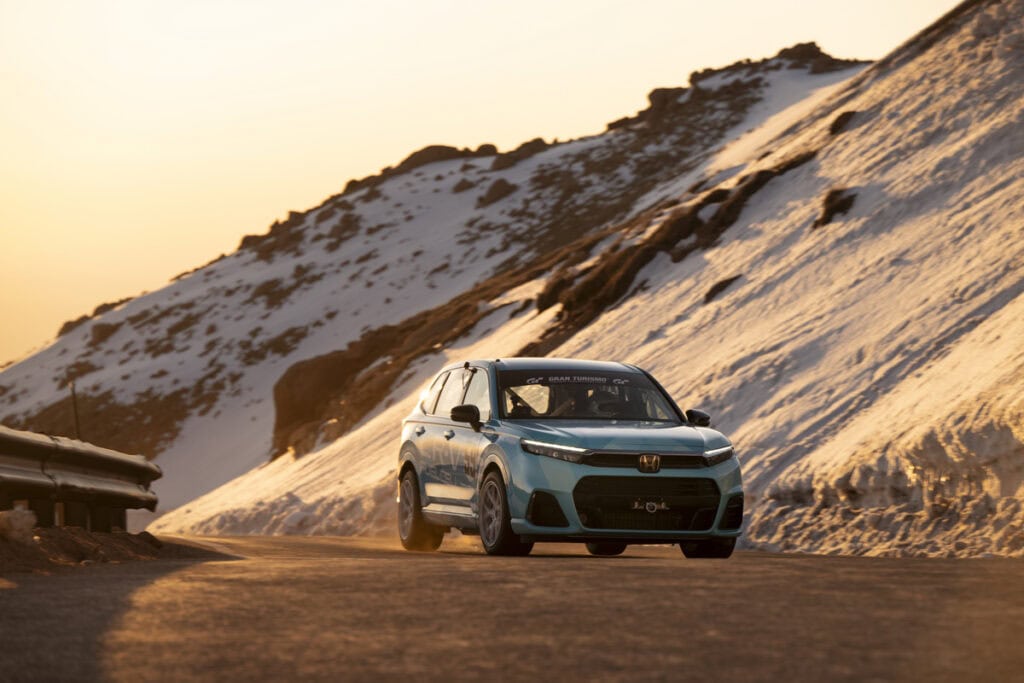
This is where the 2026 Honda CR-V TrailSport Hybrid becomes a useful case study. It’s a confidence trim that’s unusually honest about what it is. It’s hybrid-only, it targets everyday traction problems, and it doesn’t pretend to be a rock crawler.
Honda positions the CR-V lineup and trim walk in plain language. In the real world, the key details are simple including all-terrain tires, AWD logic tuned for sketchier surfaces, and a trade in refinement that comes with more aggressive rubber.
Importantly, the TrailSport Hybrid doesn’t add extra ground clearance. That one fact tells you the vehicle’s true mission. It’s not a boulder hopper. It’s a family crossover built to feel more prepared when life gets slippery from snow, gravel, muddy ruts, and steep wet driveways.
Compared to more hardcore alternatives, the CR-V TrailSport Hybrid is closer to capable than extreme. That’s a feature, not a failure, if your reality is winter roads and rough pavement rather than rock crawls.
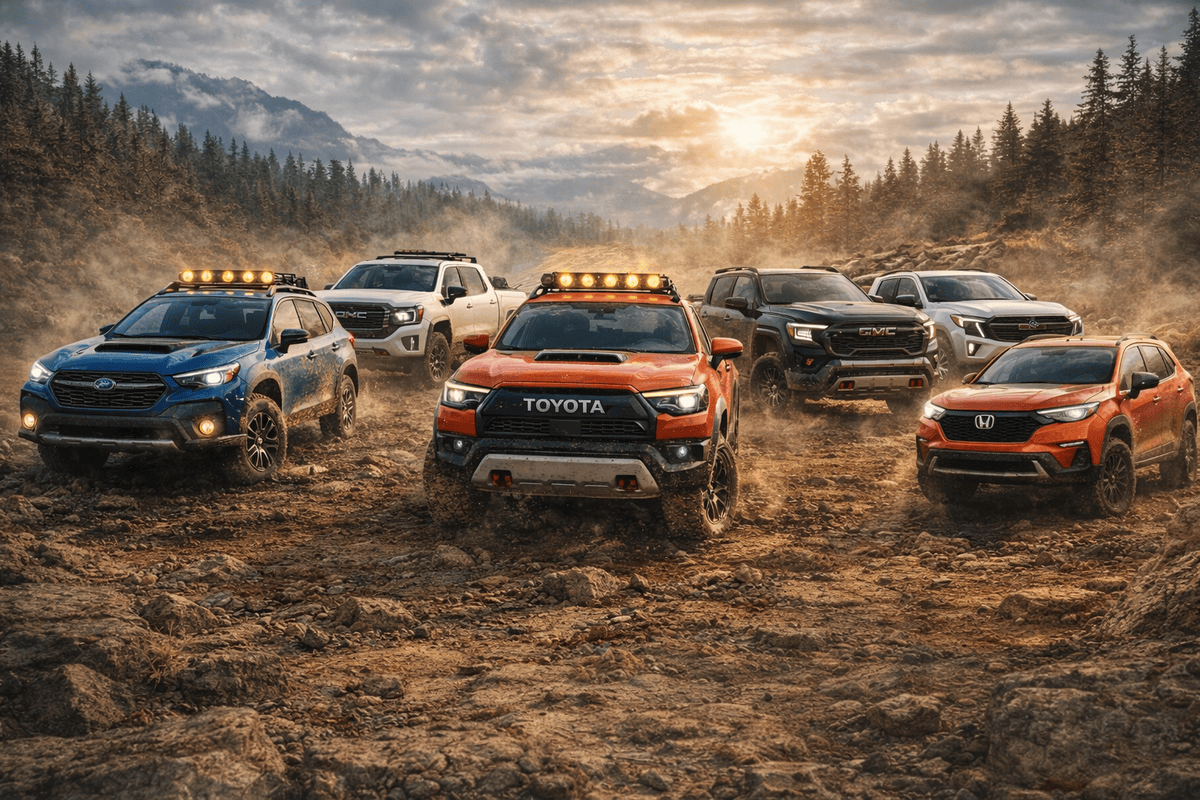
Now zoom out. Subaru’s year-end reporting provides a clean snapshot of how mainstream these identity trims have become. Subaru ended calendar year 2025 with 643,591 U.S. vehicle sales.
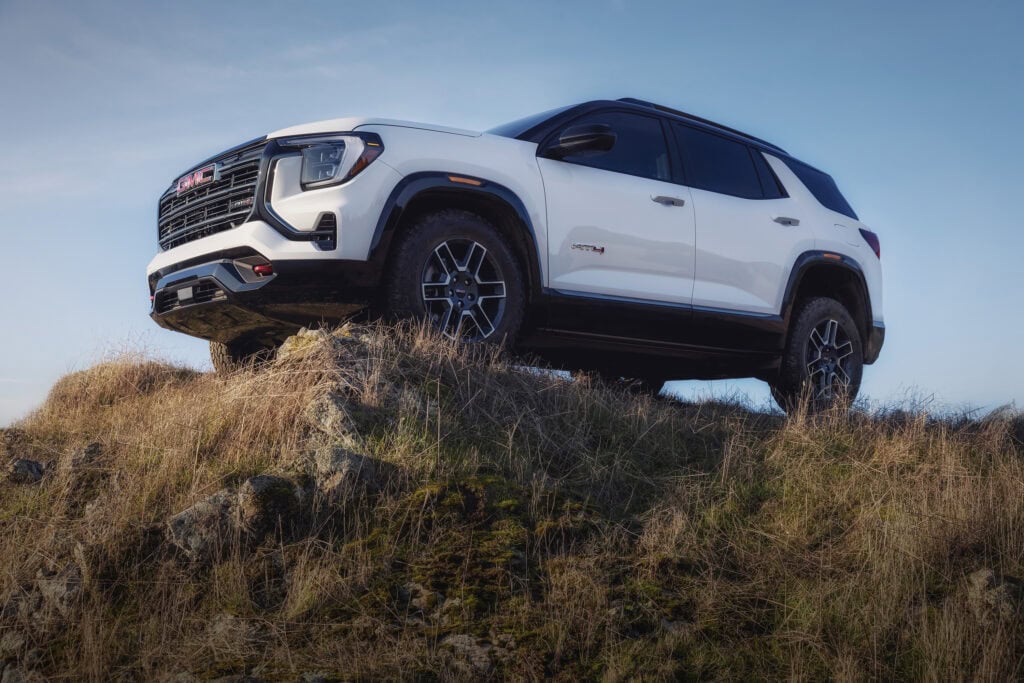
The GMC brand illustrates the same ladder from a different angle with luxury on one rung, grit on the next. The AT4 and Denali accounted for over 50% of GMC’s U.S. retail sales in 2024. Same vehicles, sold two different ways, with buyers selecting the narrative that matches how they want to feel and be seen.
You may also enjoy this: The Ice-Cold Reality of the 544-HP Polestar 4
Who is this for and who should skip it?
Off-road trims make sense for a smart, busy, mildly skeptical buyer who wants some capability and is honest about their actual use case.
This is for:
- Drivers who face snow, slush, heavy rain, and unpredictable traction.
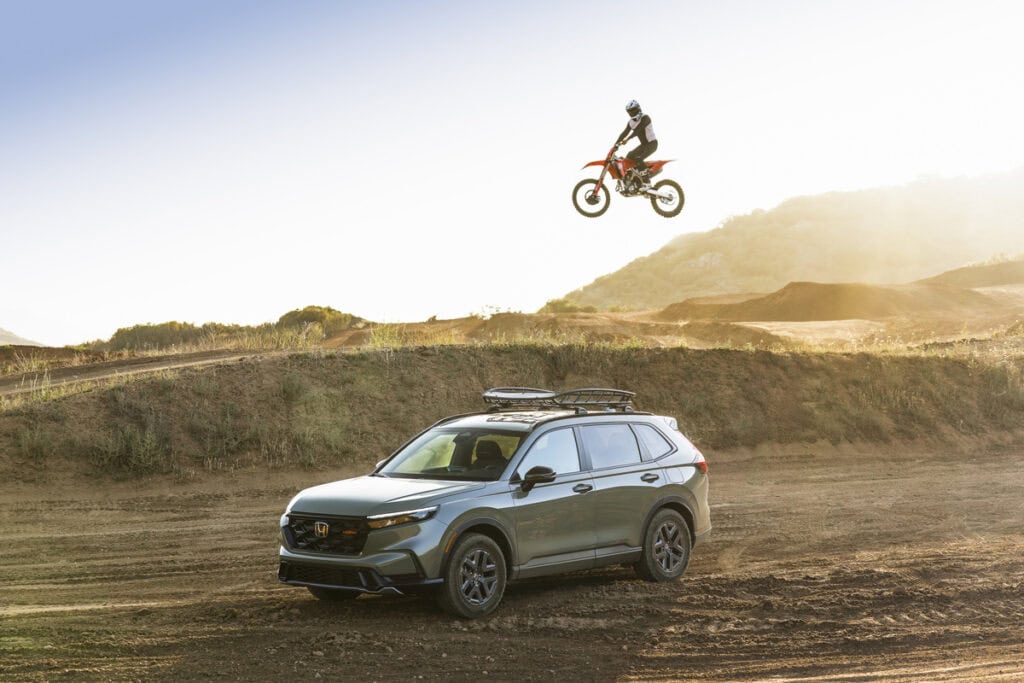
- Families who do frequent weekend escapes that include gravel roads, trailhead parking lots, and campsite access roads.
- Households dealing with rough pavement, potholes, steep driveways, or rural routes.
- Buyers who value the psychological benefit of preparedness and accept that feeling is part of the purchase.
This is not for:
- Anyone expecting true rock-crawling performance without real clearance and protection upgrades.
- Drivers who prioritize maximum highway quiet and peak fuel economy above all else.
- Shoppers who assume a badge automatically means a fully transformed vehicle.
In other words, the trims aren’t the problem. Confusion is the problem. The badge often implies category-three hardware, while the window sticker quietly delivers category-one capability.
So here’s the “don’t get played” checklist you can take into any dealership:
- Tires: all-terrain or all-season? Tires matter more than badges because they’re the only part touching the ground.
- Ground clearance: did it actually change? If not, treat the trim as “improved grip and vibe,” not “trail weapon.”
- AWD logic: is there a real upgrade, or just a new button? Real tuning changes can be meaningful on snow and gravel.
- Protection: metal skid plates, or decorative pieces? If it’s thin plastic, it’s styling, not armor.
- Recovery points: if you ever get stuck, do you have proper places to pull from?
If it’s mostly cosmetic, negotiate like it’s fashion. If it’s real equipment, price it like equipment.
You may also enjoy this: Iran Tensions Push Gas Prices Up: What It Means for You
What is the long-term significance?
The long-term significance is that trims have become the new battleground for margin, loyalty, and brand identity. In an SUV-dominated market, automakers don’t always need a new model to refresh demand. They can sell the same vehicle with a new story.
Off-road trims are a perfect vehicle for that strategy because they deliver three outcomes at once:
- They create differentiation in a segment where most products are broadly competent.
- They support higher transaction prices with relatively modest engineering investment.
- They meet a real emotional need in a world where people buy resilience, not just transportation.
There’s also a cultural layer that matters. Americans love off-road trims because they fit the modern lifestyle narrative of weather, potholes, national parks, weekend escapes, and the desire to feel prepared. Most of the time the trail is in our heads, but capable enough for snow, broken pavement, and campsite roads is a perfectly rational way to buy a family SUV.
That’s why the best off-road trims of this era aren’t the ones pretending every buyer is an overlander. They’re the ones that quietly improve real-life traction, reduce stress, and make normal life feel a little more confident.
Trims like the CR-V TrailSport Hybrid aren’t trying to be extreme. They’re trying to be believable. And in 2026, believable capability is a stronger selling point than fantasy ever was.
You may also enjoy this: Luxury SUV Buying Checklist to Avoid Remorse