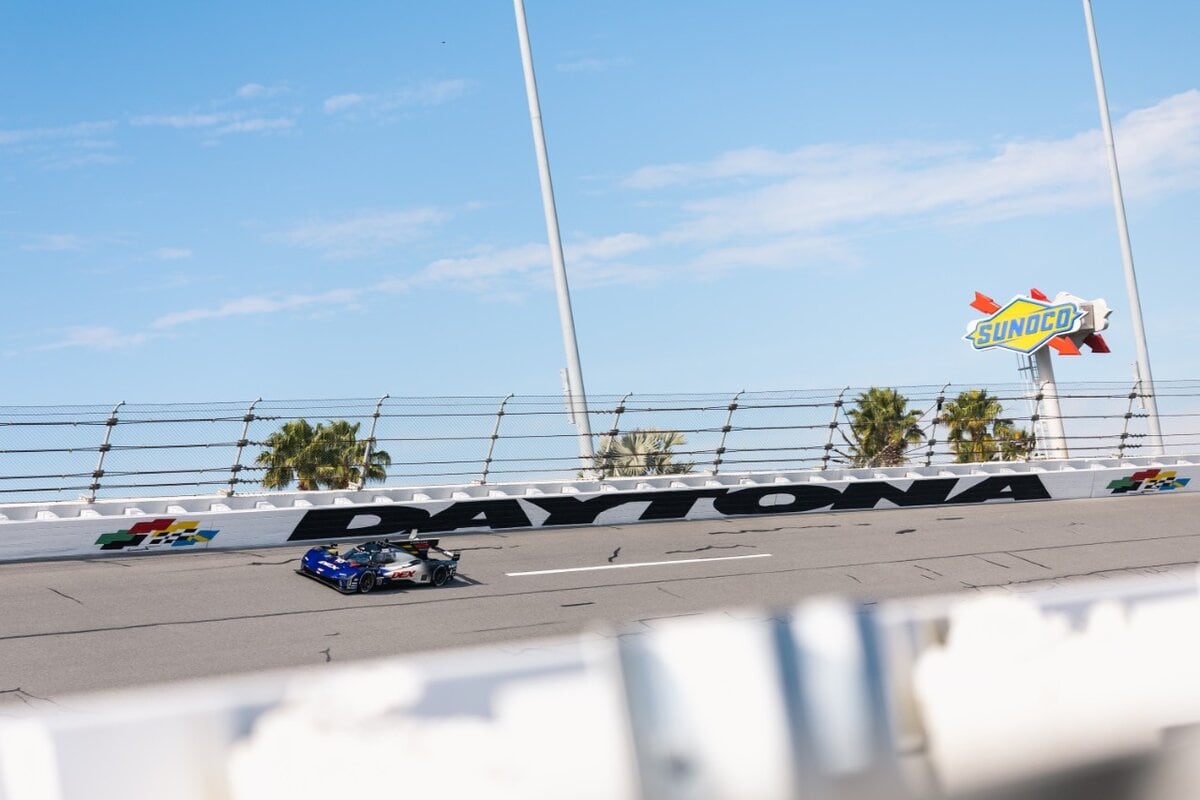
Cadillac V-Series.R Fires Up Its 2026 IMSA Rolex 24 campaign

Cadillac starts the 2026 IMSA season at Daytona with aerodynamic updates, steady lineups, and a clearer team-wide feedback loop. The question is whether preparation turns into execution over 24 hours.
I think this is worth your time right now for a simple reason: it’s a clean snapshot of how modern performance programs actually improve. Not with one magic part, or one superstar driver, but with steady iteration—testing, feedback loops, and better coordination across teams that used to behave like separate islands.
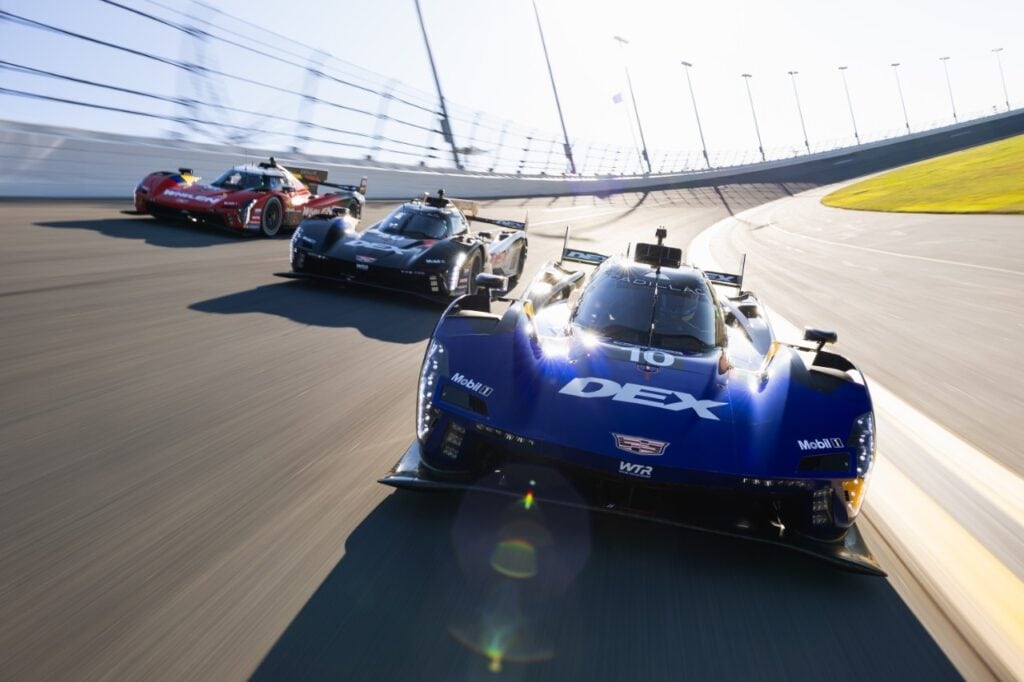
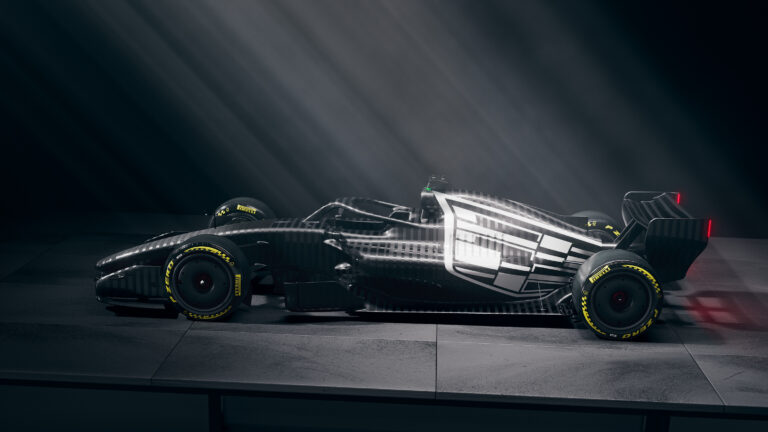
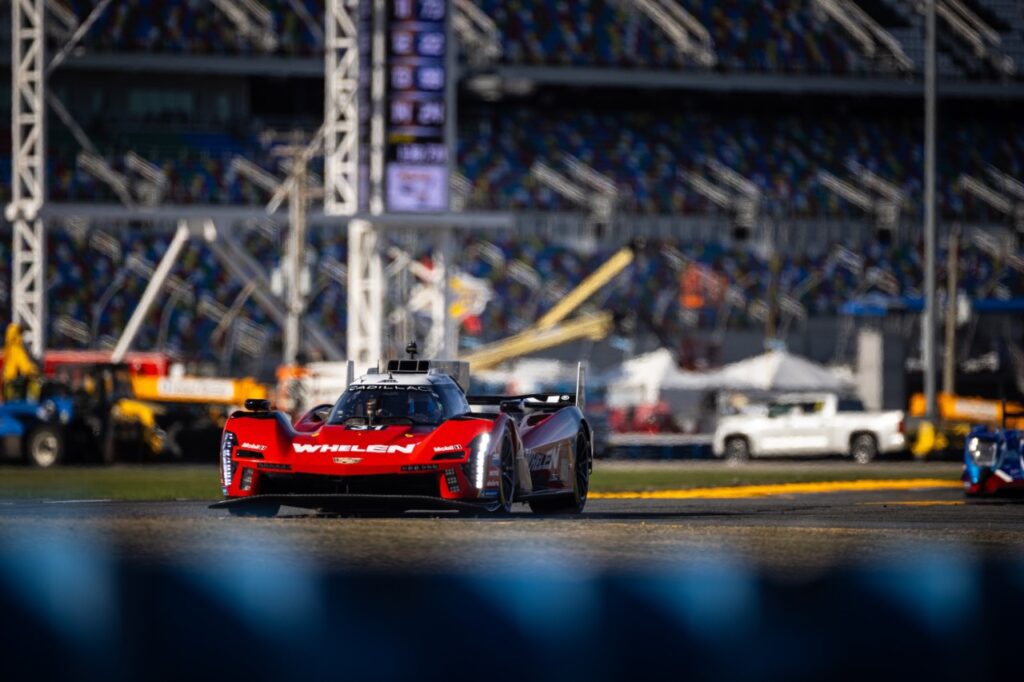
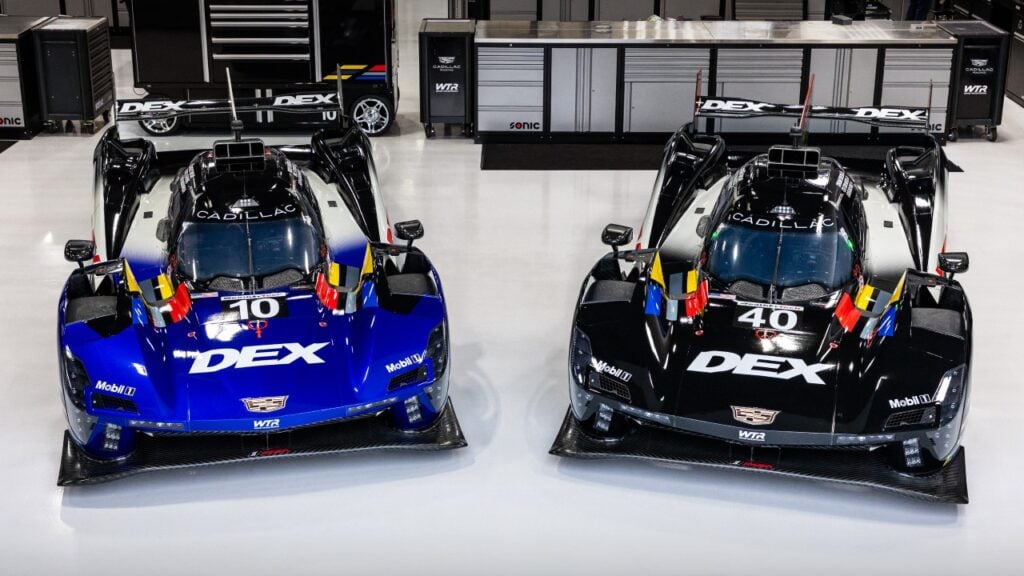
Cadillac is heading into the season-opening Rolex 24 at Daytona in its fourth year with the V-Series.R, and the language coming out of the program is telling. It’s not chest-thumping. It’s confidence built on process: positive driver feedback from the November Daytona test, an aero update aimed at making the car more stable and consistent, and a stronger communications structure across its IMSA and WEC efforts. The official Cadillac release lays out the plan and the tone clearly in GM’s Cadillac Racing preview.
If you’re the kind of reader who likes “what does this mean for real people,” the most relatable analogy is car ownership itself. When something expensive has to work under stress, you don’t want drama. You want stability, predictability, and a team that responds quickly when things go sideways. That’s what endurance racing rewards too.
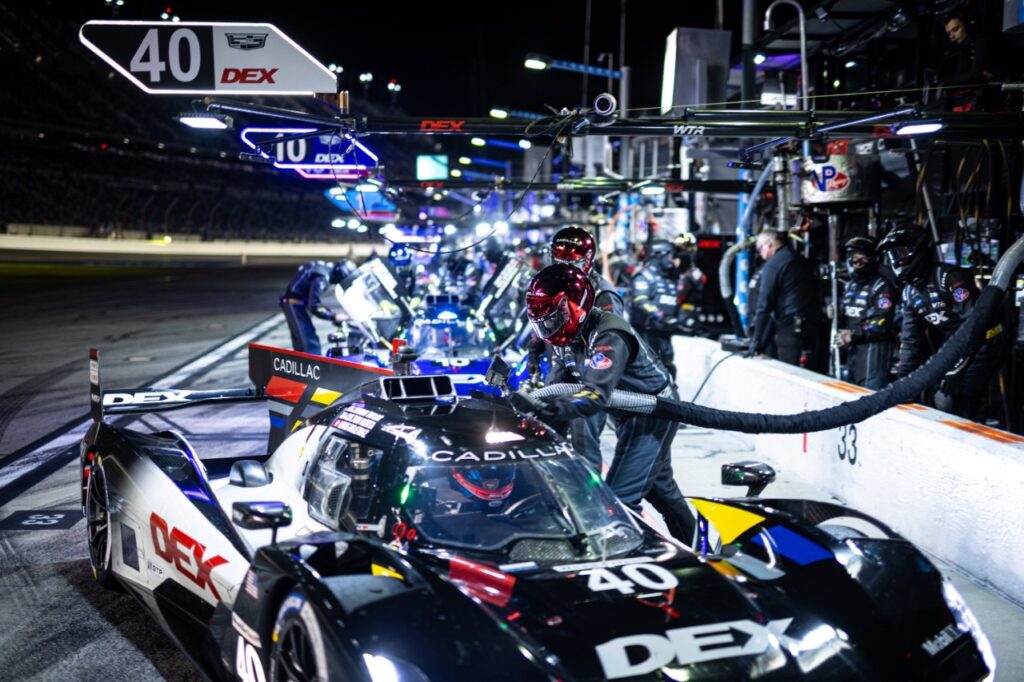
Before we get too philosophical, here’s the practical shape of Cadillac’s Daytona effort. The event week runs January 21–25, with the race itself beginning Saturday and finishing Sunday, as outlined on the IMSA Rolex 24 at Daytona event page. That timing matters because preparation is one thing; surviving the night, traffic, and strategy is another.
For a broader context on how manufacturers are adapting to the “everything is expensive and complex” era, you may also find this useful: Volkswagen cost-cutting plans: what that means for buyers.
Why does this matter right now?
Daytona is the season opener and the harshest stress test. It’s where setup weaknesses get amplified, minor damage becomes inevitable, and strategy never stays tidy for long. If a program has truly improved—car behavior, team communication, decision-making—it often shows up here first.
Keely Bosn, Cadillac Racing Program Manager, talks about the work behind the scenes in refreshingly direct terms: she’s excited to “showcase all our hard work over the last year,” and says driver feedback from the November Daytona test was “very positive.” More important than the optimism is where the optimism is anchored: an updated aero package and a push for a car that feels more stable and consistent.
That sounds abstract until you translate it into what wins endurance races. A fast car that surprises its drivers at the wrong moment is basically a time bomb over 24 hours. A car that’s slightly less spectacular on one lap but predictable across a full stint can let the driver take fewer risks, preserve tires, and keep the team out of recovery mode.
Cadillac also frames 2026 as a cleaner comparison year. The calendar is largely familiar, but with two adjustments that matter: Road America becomes a six-hour endurance round, and the Indianapolis Motor Speedway weekend shifts to a two-hour, forty-minute sprint. You can see those details in IMSA’s official 2026 WeatherTech Championship schedule. One change adds endurance complexity. The other adds urgency. Both expose whether a program can adapt.
As a quick “Test Miles reader” sidebar: if you’ve been trying to decode what’s happening in the market and why everything feels off, this pairs nicely with Deals Didn’t Disappear. They Just Got Weird. Here’s the Fix. The same forces that make car buying weird also raise the stakes for manufacturers trying to justify performance investment.
How does it compare to rivals or alternatives?
Cadillac isn’t racing in a vacuum. The top GTP field is crowded with serious manufacturer programs, and the competitive set is deep on both speed and execution. So Cadillac’s stated approach—stability plus collaboration—has a clear logic: if you can’t reliably outgun the field on sheer pace, you win by being easier to drive, easier to strategize, and harder to break.
That’s where Cadillac’s emphasis on cross-team alignment matters. In 2025, it was the first year with Wayne Taylor Racing running the V-Series.R in IMSA, and the first year for Cadillac Hertz Team Jota in the FIA World Endurance Championship. Expanding across series can create fragmentation if information doesn’t flow. Cadillac is saying it has moved beyond that phase: “Our teams are very intertwined now,” Bosn notes, and the communication structure is showing results.
There’s a specific competitive advantage in using multiple championships as parallel learning environments. Two Cadillac drivers—Jack Aitken and Earl Bamber—are set to contest both full IMSA and full WEC seasons. Cadillac’s view is that what they learn across both can be used “holistically across all our teams.” If you want the clean baseline for what WEC is and why it matters in endurance racing’s ecosystem, the official FIA WEC site is the best reference point.
You May Also Like: Audi F1 2026 Fire-Up
As an alternative strategy, some programs win by being ruthless specialists—one series, one approach, one internal culture. That can be incredibly effective. The downside is that it limits parallel learning. Cadillac is choosing the opposite path: run multiple programs, learn faster, then unify the conclusions so the manufacturer doesn’t end up arguing with itself.
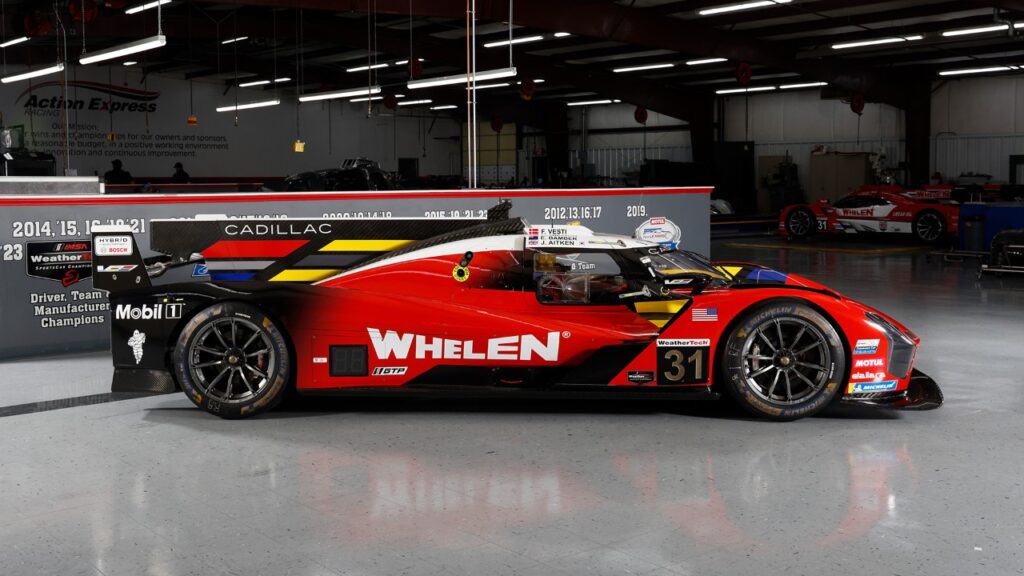
One more comparison worth making is human, not mechanical. Cadillac is blending continuity with a few targeted additions. NASCAR’s Connor Zilisch is making his GTP debut at Daytona in the No. 31. Colton Herta is slated for three rounds with Wayne Taylor Racing. That can sharpen a program by introducing new perspective, but it only works if the baseline is stable enough to absorb it. Cadillac is implicitly saying the baseline is now strong enough.
If you’re curious how brands weigh “what buyers want” versus “what the company needs to do,” it’s interesting to place this racing story next to something like Honda’s Next Move: Hybrids, EVs, and Supply. The language is different, but the theme is similar: build what works, iterate where it matters, and don’t pretend the market rewards fantasy.
Who is this for and who should skip it?
This is for you if you like motorsports as a technology and teamwork story, not just a highlight reel. It’s also for you if you’re curious how a premium brand like Cadillac builds credibility in the highest-level prototype class: you watch for stability, fewer errors, better long-run pace, and smarter execution under pressure—not just one fast lap.
It’s for the reader who likes proof over promises. Cadillac is explicitly describing its aero update as a confidence and consistency tool. That’s a measurable claim once the race begins: does the car behave the way the drivers expect in traffic, at night, and over long stints?
It’s also for anyone tracking the broader arc of American manufacturers expanding their global motorsports footprint again. Daytona is a marquee stage, and it’s hosted at an iconic venue with its own gravity in the American racing calendar. If you want the venue-level overview and event framing, Daytona International Speedway’s official page is the clean reference: Daytona International Speedway.
You should probably skip this if you only want guaranteed predictions. Endurance racing doesn’t reward certainty. It rewards adaptability. You should also skip it if you want direct, simplistic road-car conclusions. Prototype racing influences talent pipelines, engineering culture, and brand credibility, but it doesn’t map cleanly to a single showroom feature next month.
If you’re more of a buyer than a racer, and your brain is currently full of “what features actually matter,” you might want to bookmark this for later and read Buying A New Car? Don’t Waste Your Money on These Features first. It’s the same “useful over flashy” mindset, just applied to real life instead of a 24-hour race.
What is the long-term significance?
Zoom out and Cadillac’s 2026 posture tells you something bigger than “we updated the aero.” It suggests the brand is building a repeatable performance system—drivers who trust the car, teams that share information, and development that doesn’t rely on one-off hero moments.
That’s how strong programs sustain competitiveness, whether in racing or in product development. The modern performance edge increasingly comes from removing variables: making the car stable, making the data useful, making communication clean, and making the driver’s job simpler even when the situation is complex.
Daytona is the ideal place to test whether the system is real. Over 24 hours, you can’t fake stability. You can’t fake teamwork. You can’t fake adaptability. If the V-Series.R behaves the way Cadillac says it now does—more stable, more consistent, more confidence-inspiring—then the scoreboard tends to become less random over the rest of the season.
And if Cadillac’s “intertwined teams” claim is real, the value isn’t limited to one race weekend. It becomes a compounding advantage: better decisions, faster learning, fewer internal detours, and a clearer path from problem identification to solution.
The best outcome for Cadillac this weekend isn’t just a trophy. It’s a race where the car behaves predictably, the teams operate as one program, and the season begins with evidence—not promises—that the hard work has actually changed something.