
Escape Car Data Tracking: Why 2000–2005 Vehicles Are Booming

As cars become rolling computers, some drivers are heading in the opposite direction. Early-2000s vehicles are suddenly appealing because they remain largely offline and ensure privacy that many question in newer vehicles.
For years the auto industry has pushed relentlessly toward more connectivity. Cars now talk to smartphones, satellites, and the cloud. They can stream music, update their own software, and even send driving data back to manufacturers. But something unusual is happening at the same time.
A growing number of drivers are rediscovering cars built between roughly 2000 and 2005. These vehicles represent the last moment before the industry became fully connected. They offer modern drivability without the layers of digital monitoring that define today’s vehicles.
This shift has been driven partly by privacy concerns. Modern vehicles collect enormous amounts of operational data. According to research from the NHTSA, electronic safety systems and sensors now form a core part of modern vehicle design.
You may also enjoy this: S-Class teThe New S-Class Is Mercedes’ Answer to Tesla’s Hype
Why does this matter right now?
One of the most surprising developments in automotive research involves something many drivers barely notice. Researchers discovered that signals transmitted by tire pressure monitoring systems can potentially identify individual vehicles. These sensors constantly broadcast pressure and temperature data to the car’s computer.
The system exists for a simple reason. Underinflated tires can increase stopping distance, reduce fuel economy, and contribute to accidents. That is why tire pressure monitoring systems became mandatory in the United States under regulations overseen by the the Department of Transportation (DOT).
Since the sensors communicate using low-power radio signals. Researchers demonstrated that these signals can sometimes act as unique identifiers for a vehicle. In practical terms, the signals are not designed for long-distance tracking. But in environments such as parking garages or controlled monitoring points, the same vehicle could theoretically be recognized repeatedly.
This discovery adds to growing concern about how modern vehicles generate and transmit data. Connected-vehicle systems already collect information about location, driving behavior, and vehicle diagnostics.
Industry research from organizations such as the Environmental Protection Agency (EPA) shows how vehicle technology has rapidly evolved to include sophisticated digital monitoring and efficiency systems. For privacy-focused drivers, this expansion of connected systems raises uncomfortable questions.
You may also enjoy this: Robotaxis in 2026: Are We Ready for Driverless Cities?
How does it compare to rivals or alternatives?
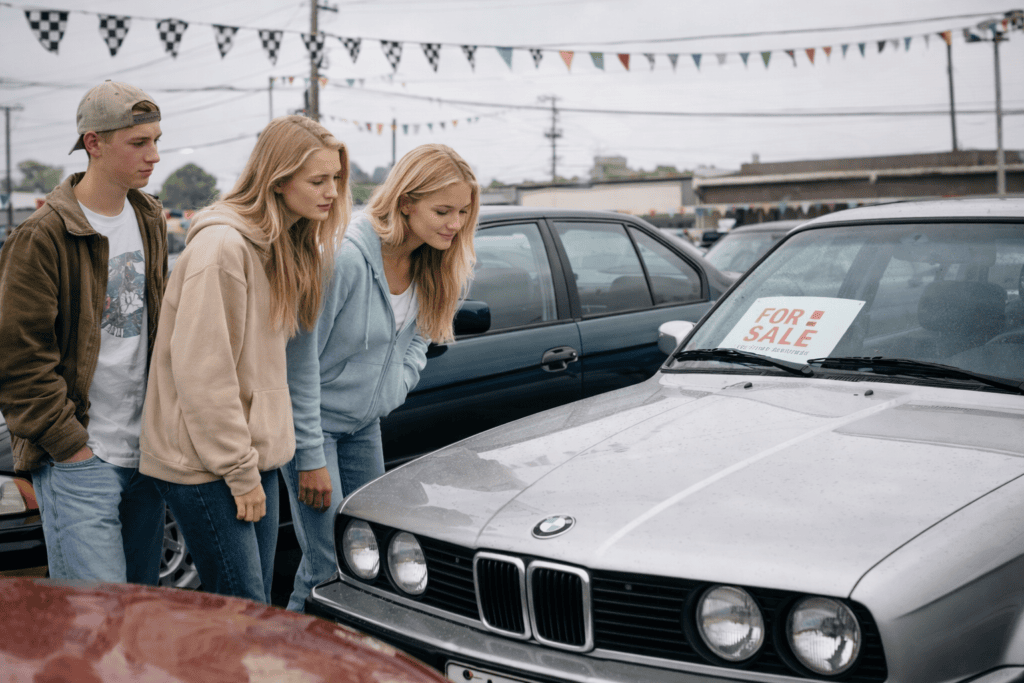
Vehicles built between 2000 and 2005 occupy a unique place in automotive technology. They include modern reliability features such as fuel injection, anti-lock brakes, and improved crash protection. But they predate the widespread adoption of telematics systems that became common after the mid-2010s.
Most early-2000s cars contain only basic electronic systems. These typically include engine control computers, anti-lock braking modules, and basic diagnostic ports. What they lack is more important. They generally do not include cellular modems, cloud-connected apps, or the ability to perform over-the-air software updates.
Modern vehicles, by contrast, often function as connected computing platforms. The Insurance Institute for Highway Safety (IIHS) has documented how modern safety technologies rely on complex sensor networks and digital communication systems.
While these technologies improve safety and convenience, they also create new layers of data collection. That difference is why many drivers now see early-2000s vehicles as the last generation of largely analog transportation.
You may also enjoy this: The Winners and Losers of 2025: What Americans Really Bought
Who is this for, and who should skip it?
Older vehicles are not the perfect solution for every driver. Modern cars provide safety systems that did not exist twenty years ago, including automatic emergency braking and lane-keeping assistance. Fuel economy has also improved, and modern vehicles are generally quieter and more refined.
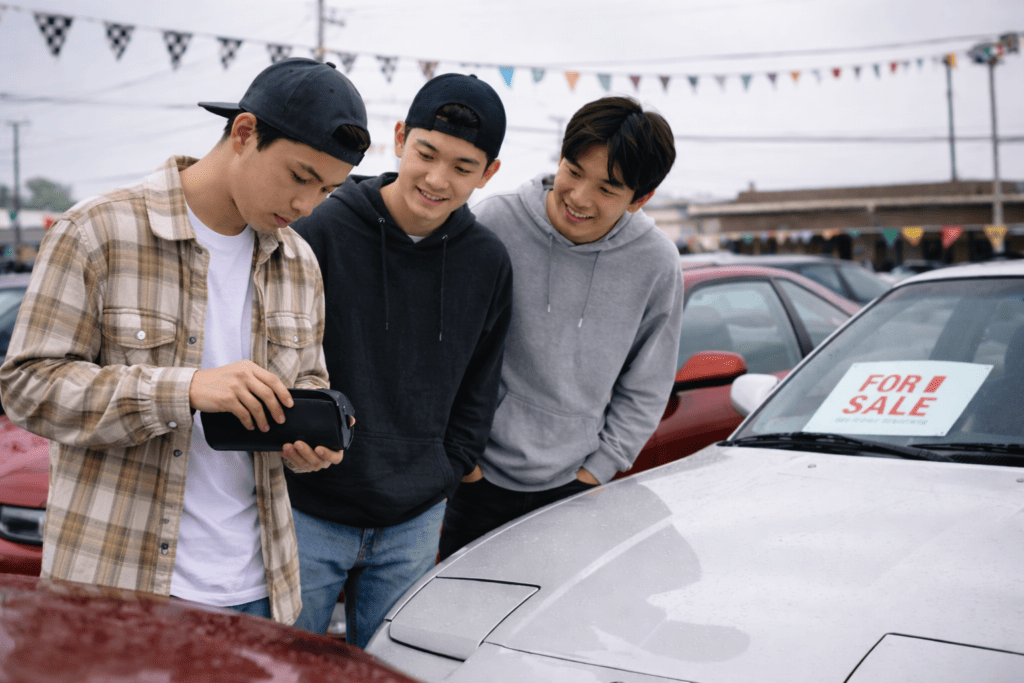
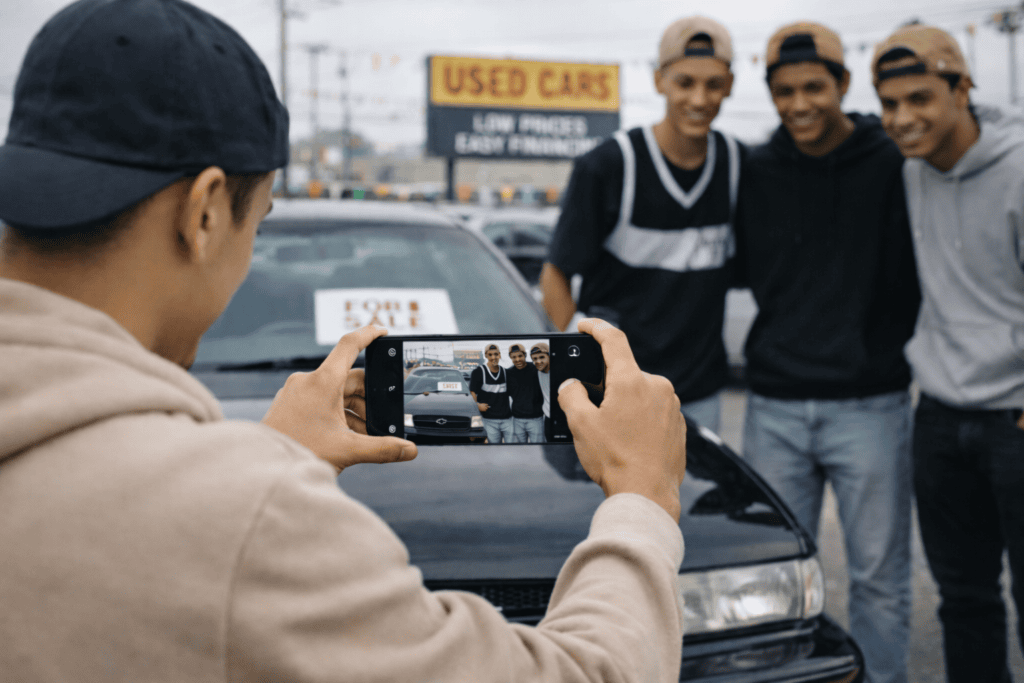
Yet early-2000s vehicles offer advantages that some drivers value more. Mechanical simplicity means fewer digital systems, fewer subscriptions, and fewer software dependencies. That independence appeals particularly to younger buyers who grew up surrounded by digital devices.
Surveys of younger drivers show rising interest in classic and analog vehicles. According to National Highway Traffic Safety Administration (NHTSA), vehicle design has evolved dramatically, but many drivers remain attached to simpler machines. For drivers who prefer vehicles that operate without constant connectivity, early-2000s models provide a compelling alternative.
You may also enjoy this: The Five Most Beautiful Cars in America Right Now
What is the long-term significance?
The popularity of early-2000s vehicles reflects a broader debate about technology and ownership. Modern cars are increasingly software-driven platforms. They deliver powerful safety systems, real-time navigation, and remote diagnostics. But they also generate data that may be shared with manufacturers, insurers, or third-party service providers.
Governments and regulators are beginning to explore how that data should be managed. Agencies are already studying connected-vehicle technologies and their implications. Consumers are responding in their own way to the challenge. Some embrace connected vehicles and the features they provide. Others are deliberately seeking out vehicles that predate the entire connected-car ecosystem.
Cars built between 2000 and 2005 represent the last moments before vehicles became part of the modern digital data economy. They may not be as efficient or as technologically advanced as new models. But they offer something many modern vehicles do not. They provide a sense that when you drive somewhere, the car simply goes with you and nothing else is listening.
You may also enjoy this: 2026 Audi A6: The Sedan That Surprised Me